
Key Takeaways
-
CBT helps you identify and replace self-critical thoughts with balanced ones, turning vague negative feelings into specific, manageable patterns you can work on through evidence-based techniques.
-
Low self-esteem, anxiety, and depression are deeply interconnected; addressing self-esteem in therapy simultaneously improves mood and anxiety symptoms rather than treating problems separately.
-
Therapy teaches self-compassion by applying the same kindness to yourself that you naturally offer friends, breaking the cycle of harsh inner criticism that maintains low self-worth.
-
ACT therapy helps you move forward by accepting difficult feelings without letting them control your actions, enabling you to act according to your values despite self-doubt.
-
Bilingual therapy services and flexible virtual or in-person options remove common barriers to accessing professional care for Spanish-speaking adults and busy families in the Brandon area.
-
Building assertiveness skills through therapy enables you to set healthy boundaries, say no without guilt, and speak up for yourself in relationships and professional settings.
Do you wake up some mornings and feel like you just don’t measure up? Maybe you replay mistakes in your head, avoid taking chances, or constantly put yourself down. You’re not alone — and you don’t have to stay stuck in that cycle. Low self-esteem is one of the most common struggles adults, teens, and young people face today. The good news? It’s also one of the most treatable with the right support.
Low self-esteem therapy in Brandon is helping real people break free from self-doubt, negative thinking, and the quiet belief that they’re not good enough. Whether you’re a stressed millennial navigating big life changes, a teenager dealing with social pressure, or a Spanish-speaking adult looking for bilingual care, therapy can meet you where you are. This article walks you through 9 meaningful ways that working with a therapist can shift how you see yourself — for good.
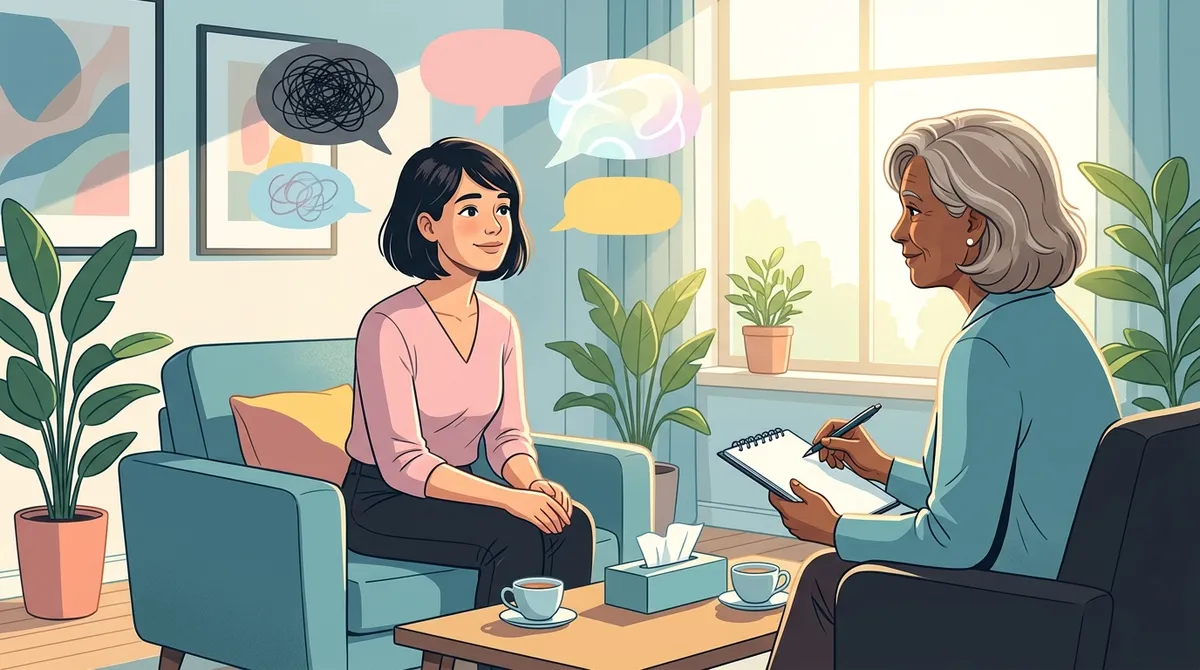
What Is Low Self-Esteem and Why Does It Matter?
Low self-esteem is more than just feeling bad about yourself on a tough day. It’s a deep, ongoing pattern of negative self-talk, self-doubt, and a core belief that you are somehow less worthy than others. These feelings can affect your relationships, your work, and even your physical health.
Left untreated, low self-esteem is often linked with anxiety, depression, and difficulty setting healthy boundaries. According to the Mental Health Resources from the CDC, mental health challenges like these affect millions of Americans and deserve real, professional care.
Common signs of low self-esteem include:
- Constant self-criticism and harsh inner dialogue
- Trouble accepting compliments or positive feedback
- Avoiding new experiences out of fear of failure
- People-pleasing behaviors and difficulty saying no
- Feeling like a burden to others
- Comparing yourself negatively to those around you
If any of these sound familiar, therapy could be the turning point you’ve been looking for. Let’s look at exactly how low self-esteem therapy in Brandon can help.
9 Ways Low Self-Esteem Therapy in Brandon Can Change Your Life
1. You’ll Identify the Root Causes of Your Self-Doubt
Self-esteem struggles rarely appear out of nowhere. They often trace back to past experiences — things like bullying, overly critical parenting, trauma, or difficult relationships. A skilled therapist helps you connect the dots between your past and how you feel about yourself today.
Understanding the “why” behind your self-doubt is incredibly powerful. It turns vague bad feelings into something specific you can actually work on. Trauma therapy is often part of this process when past wounds are involved.
2. CBT Helps You Challenge Negative Thoughts
Cognitive Behavioral Therapy, or CBT, is one of the most well-researched tools for building self-esteem. It works by helping you notice distorted or self-critical thoughts — and then replace them with more accurate, balanced ones.
For example, instead of thinking “I always mess everything up,” CBT helps you examine the evidence and respond with something more realistic like, “I made a mistake, and I can learn from it.” Over time, these small shifts add up to a very different inner experience. Check out our detailed guide on what cognitive behavioral therapy is and how it works to learn more.
3. You’ll Practice Self-Compassion (And Actually Mean It)
Most people with low self-esteem are incredibly kind to others but brutal toward themselves. Therapy teaches you to apply that same kindness inward. This isn’t about fake positivity — it’s about treating yourself the way you’d treat a close friend who’s struggling.
Compassion-focused therapy is one approach that specifically targets the harsh inner critic. It builds emotional warmth and self-acceptance, which are essential foundations for lasting confidence. This connects deeply to healing emotional pain in a sustainable way.
4. ACT Therapy Helps You Stop Fighting Yourself
Acceptance and Commitment Therapy (ACT) is another powerful approach used for self-esteem. Instead of trying to silence every negative thought, ACT teaches you to accept difficult feelings without letting them run your life. You learn to act according to your values — not your fears.
This approach is especially helpful for people who feel paralyzed by self-doubt. If you’ve ever wanted to try something new but talked yourself out of it, ACT can help you move forward anyway. Read more about how ACT therapy helps people in Brandon.
5. Therapy Breaks the Link Between Self-Esteem and Anxiety
Low self-esteem and anxiety often feed each other. When you don’t feel confident, you’re more likely to worry about what others think, avoid social situations, or spiral into “what if” thinking. Therapy addresses both at the same time.
According to Florida’s Substance Abuse & Mental Health services, treating mental health concerns in a holistic, connected way leads to better long-term outcomes. A good therapist won’t just address one symptom — they’ll help you see the full picture. You can also explore our article on understanding anxiety signs, types, and treatment options.
6. You’ll Build Assertiveness and Healthier Boundaries
One of the biggest practical wins from therapy is learning to speak up for yourself. Low self-esteem often leads to saying yes when you mean no, staying quiet when you want to speak, or tolerating treatment you don’t deserve.
Therapy gives you real tools to practice assertiveness. This includes role-playing difficult conversations, learning to set limits without guilt, and building the confidence to ask for what you need. These skills make a difference in every relationship you have. For more on this, see our page on communication skills.
7. Teens and Adolescents Get Age-Appropriate Support
Low self-esteem can hit especially hard during the teenage years. Social media, peer pressure, academic stress, and family dynamics can all chip away at a young person’s sense of worth. The right therapist creates a safe, judgment-free space for teens to open up.
Adolescent therapy in Brandon is available both in-person and virtually, making it easier for busy families to access consistent support. Virtual therapy for adolescents in Brandon is a great option for teens who prefer connecting from home. For parents who want guidance on choosing the right fit, our article on mistakes to avoid when choosing teen therapy in Brandon is a helpful read.
8. Bilingual Therapy Removes Language Barriers
For Spanish-speaking adults and families in the Brandon area, finding a therapist who truly understands your language and culture matters deeply. Language should never be a barrier to mental health care.
At West Florida Therapy, bilingual services in English and Spanish are available. This means you can express yourself fully — without struggling to find the right translation for something as personal as how you feel about yourself. Being understood in your own language creates a level of trust that makes therapy far more effective.
9. Virtual and In-Person Options Make It Easy to Start
One of the biggest obstacles to getting help is simply starting. Between work, family, and daily life, finding time for therapy can feel hard. That’s why having flexible options matters so much.
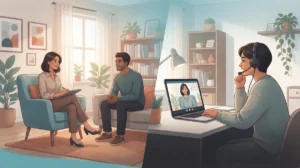
Low self-esteem therapy in Brandon is available in-person at the office or virtually throughout all of Florida. Whether you’re a remote Gen Z young adult across the state or someone who lives nearby and prefers face-to-face sessions, there’s an option that fits your life. Learn more about in-person therapy in Brandon, Florida or explore telehealth therapy throughout Florida.
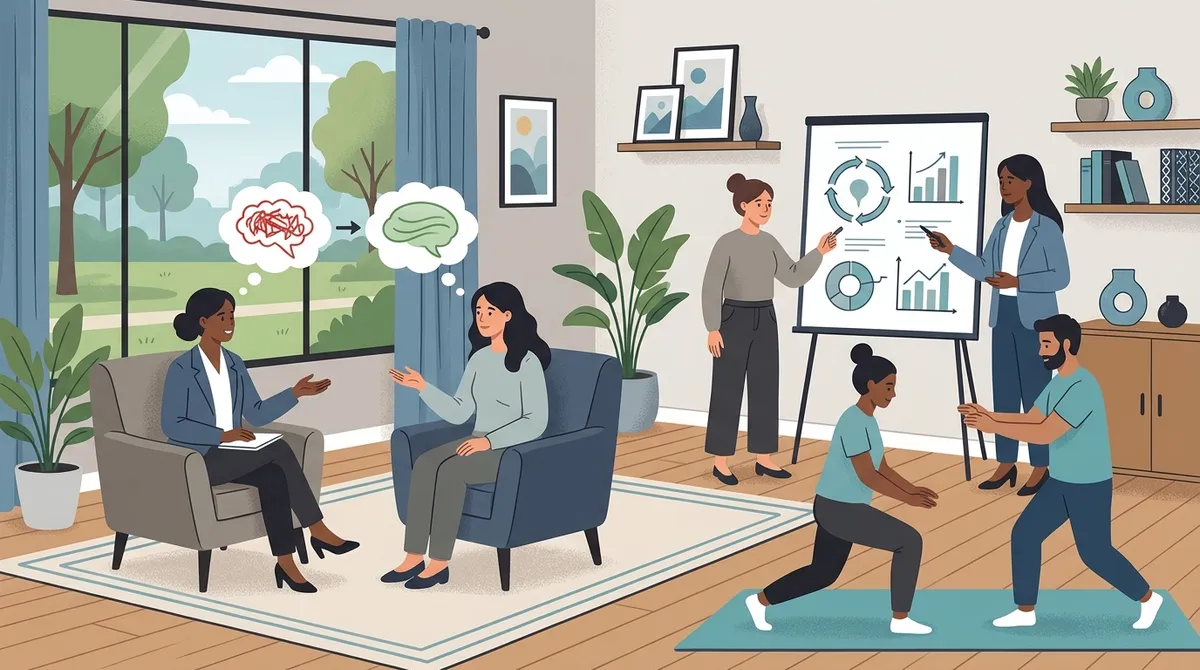
Therapy Approaches Used for Low Self-Esteem
There’s no single path to building self-worth. Licensed therapists in Brandon use a range of evidence-based methods tailored to each person’s needs. Here’s a quick overview of the most common approaches:
| Therapy Type | How It Helps Self-Esteem | Best For |
|---|---|---|
| Cognitive Behavioral Therapy (CBT) | Challenges and replaces negative thought patterns | Adults, teens, young adults |
| Acceptance & Commitment Therapy (ACT) | Reduces avoidance and builds value-based living | People stuck in self-doubt cycles |
| Compassion-Focused Therapy | Builds self-kindness and reduces harsh self-criticism | Highly self-critical individuals |
| Narrative Therapy | Reshapes how you tell your own story | Those shaped by past negative experiences |
| Psychodynamic Therapy | Explores deep-rooted patterns from early relationships | Long-standing self-worth issues |
Your therapist will help you figure out which approach — or combination of approaches — makes the most sense for you. This is always a collaborative process. Explore more about evidence-based therapy modalities used at West Florida Therapy.
What to Expect in Your First Sessions
Starting therapy can feel a little intimidating — especially when you’ve spent years thinking your feelings aren’t worth talking about. Here’s a simple picture of how the process typically unfolds:
- Initial consultation: A brief phone call to talk about your concerns, what you’re hoping for, and whether you’re a good fit with the therapist.
- First sessions: Your therapist will ask thoughtful questions to understand your history, current struggles, and goals.
- Building your plan: Together, you’ll create a personalized treatment plan that targets your specific self-esteem challenges.
- Weekly or bi-weekly sessions: Each session builds on the last, helping you develop new skills and process experiences in a safe space.
- Progress check-ins: You’ll regularly review how things are going and adjust the approach as needed.
There’s no pressure to have everything figured out before you arrive. A good therapist meets you where you are. Learn more about our process at West Florida Therapy to see exactly what to expect.
Self-Help Strategies You Can Use Between Sessions
Therapy works best when you practice new skills in real life too. Your therapist may suggest some of these approaches to support your growth outside of sessions:
- Mindfulness practice: Noticing negative thoughts without judgment helps reduce their power over you.
- Journaling: Writing about your experiences builds self-awareness and emotional clarity.
- Behavioral experiments: Trying new things in small steps helps you challenge the belief that you’ll fail.
- Sleep and exercise: Physical health directly supports emotional resilience and confidence.
- Healthy social connections: Spending time with people who value you reinforces positive self-worth.
These small, consistent habits can speed up your progress significantly. Think of them as the homework that makes your therapy sessions even more powerful. For more ideas on supporting your mental health day-to-day, explore 10 mindfulness techniques that transform mental health in 2026.
Is Low Self-Esteem Connected to Depression or Anxiety?
Yes — absolutely. Low self-esteem, depression, and anxiety are deeply connected. Low self-esteem can cause depression, and depression can deepen self-esteem struggles. The same goes for anxiety — feeling like you’re not good enough naturally leads to worry about judgment, failure, and rejection.
This is why addressing self-esteem in therapy often improves mood issues and anxiety at the same time. You’re not just fixing one problem — you’re healing a whole pattern that touches many areas of your life. According to Florida Department of Health mental health resources, early intervention and professional therapy lead to significantly better outcomes for people dealing with these interconnected challenges.
How to Choose the Right Therapist for Low Self-Esteem in Brandon
Finding the right fit matters. Here are a few things to look for when choosing a therapist:
- Licensed and experienced: Look for a licensed therapist with experience treating self-esteem and related concerns like anxiety or trauma.
- Warm and non-judgmental: You should feel safe and heard from the very first conversation.
- Evidence-based approach: Ask about what methods they use — CBT, ACT, or other research-backed tools are positive signs.
- Flexible access: In-person and virtual options give you more flexibility to stay consistent.
- Bilingual if needed: If English isn’t your primary language, look for a therapist who speaks yours.
Margaret Deuerlein is a caring, licensed psychotherapist at West Florida Therapy who works with adults and adolescents facing self-esteem challenges, anxiety, depression, and more. She brings warmth, expertise, and a personalized approach to every session. You can learn more about her on the About Margaret Deuerlein page. To see what clients are saying, visit West Florida Therapy on Google and read real reviews from people who’ve experienced real change.
Taking the First Step Toward Better Self-Worth
You deserve to feel good about who you are. Low self-esteem doesn’t have to be permanent. With the right support, the right tools, and a therapist who genuinely cares, lasting change is absolutely possible. Thousands of people in the Brandon area and across Florida have taken that first step — and found it was one of the best decisions of their lives.
Whether you’re dealing with years of self-doubt, struggling after a hard life experience, or just feeling stuck in a pattern you can’t shake, therapy offers a clear path forward. Common mistakes to avoid and things to watch for are covered in our guide on 7 mistakes to avoid in Brandon low self-esteem therapy. And if you’re curious about what individual therapy can do more broadly, don’t miss 15 reasons to try individual therapy for adults in Brandon.
You don’t have to figure it all out on your own. A warm, supportive conversation is just one step away. Reach out to West Florida Therapy today and take that first courageous step toward feeling better about yourself — starting right now.
FAQs
Q: What is low self-esteem therapy and how does it work?
A: Low self-esteem therapy is a professional counseling process that helps you identify negative beliefs, challenge self-critical thinking, and build a healthier sense of self-worth. A therapist guides you through evidence-based techniques like CBT or ACT in a safe, supportive environment. Over time, these sessions help you develop real confidence that sticks.
Q: Does CBT really help with low self-esteem?
A: Yes! Cognitive Behavioral Therapy (CBT) is one of the most effective and well-researched approaches for low self-esteem. It helps you spot distorted thoughts — like ‘I’m not good enough’ — and replace them with more accurate, balanced ones. Most people notice meaningful changes within just a few weeks of consistent CBT work.
Q: How long does therapy for low self-esteem usually take?
A: The timeline varies from person to person, but many people start to notice positive shifts within 8 to 16 sessions. More deep-rooted self-esteem issues tied to trauma or long-standing patterns may take longer. Your therapist will regularly check in on your progress and adjust the plan as needed.
Q: Is low self-esteem linked to anxiety or depression?
A: Absolutely — low self-esteem, anxiety, and depression are closely connected and often reinforce each other. Feeling unworthy can lead to worry, social avoidance, and eventually depression. The good news is that therapy addressing self-esteem often improves anxiety and mood at the same time.
Q: Can I get low self-esteem therapy in Brandon if I speak Spanish?
A: Yes! Bilingual therapy in English and Spanish is available at West Florida Therapy, serving the Brandon community and all of Florida via telehealth. Speaking with a therapist in your own language makes it much easier to express how you truly feel — and that connection makes therapy far more effective.