
Key Takeaways
-
CBT is a structured, short-term therapy that helps transform negative thought patterns by connecting thoughts, feelings, and behaviors into a practical, goal-oriented approach.
-
In CBT, you actively learn skills to challenge and restructure automatic negative thoughts, interrupting harmful psychological cycles through cognitive restructuring techniques.
-
CBT is highly effective for treating multiple mental health conditions, including anxiety, depression, PTSD, OCD, and eating disorders, with evidence-based solutions.
-
Homework and between-session practice are crucial in CBT, allowing you to apply learned skills in real-world situations and accelerate your personal growth and healing.
-
The therapy typically spans 6-20 sessions and teaches lifelong skills, empowering you to become your own therapist and develop psychological resilience.
-
CBT offers flexible treatment formats including in-person, virtual, and bilingual options, making mental health support accessible and personalized.
Have you ever felt trapped in a cycle of negative thoughts that seem impossible to break? Maybe you worry constantly about things that might never happen, or perhaps past experiences keep replaying in your mind, affecting how you feel today. You’re not alone, and there’s a proven therapeutic approach that can help you break free from these patterns. Cognitive Behavioral Therapy, commonly known as CBT, has helped millions of people transform their thinking patterns and reclaim control over their emotions and behaviors. This evidence-based approach focuses on the powerful connection between your thoughts, feelings, and actions, offering practical tools you can use right away to create positive change in your life.

Understanding the Basics of Cognitive Behavioral Therapy
Cognitive Behavioral Therapy is a structured, short-term form of psychotherapy that helps people identify and change negative thought patterns, emotions, and behaviors. Unlike traditional talk therapy that might spend years exploring your childhood, CBT focuses on current problems and present-day situations. The core principle is simple yet powerful: your thoughts, feelings, and behaviors are all connected, and by changing one, you can influence the others.
Think of CBT as learning a new skill, like riding a bike or playing an instrument. At West Florida Therapy, Margaret Deuerlein works with clients to develop these practical skills through a collaborative process. The therapy typically lasts between 6 and 20 sessions, making it one of the most efficient forms of psychological treatment available. Research shows that CBT is as effective as, or often more effective than, other forms of psychological therapy or psychiatric medications for many conditions.
How CBT Differs From Other Therapies
What makes CBT unique is its focus on the here and now. While psychoanalysis might explore deep-rooted childhood experiences for years, CBT concentrates on solving current problems with practical solutions. The therapy is goal-oriented and problem-focused, meaning you and your therapist work together to identify specific issues and develop strategies to address them. This forward-looking approach emphasizes building coping strategies you can use independently, long after therapy ends.
Another key difference is the active role you play in your treatment. CBT isn’t about lying on a couch while a therapist interprets your dreams. Instead, you’ll engage in homework exercises, practice new skills between sessions, and become your own therapist over time. This collaborative approach makes CBT particularly effective for people who want tangible results and practical tools they can apply immediately.
The Science Behind How CBT Works
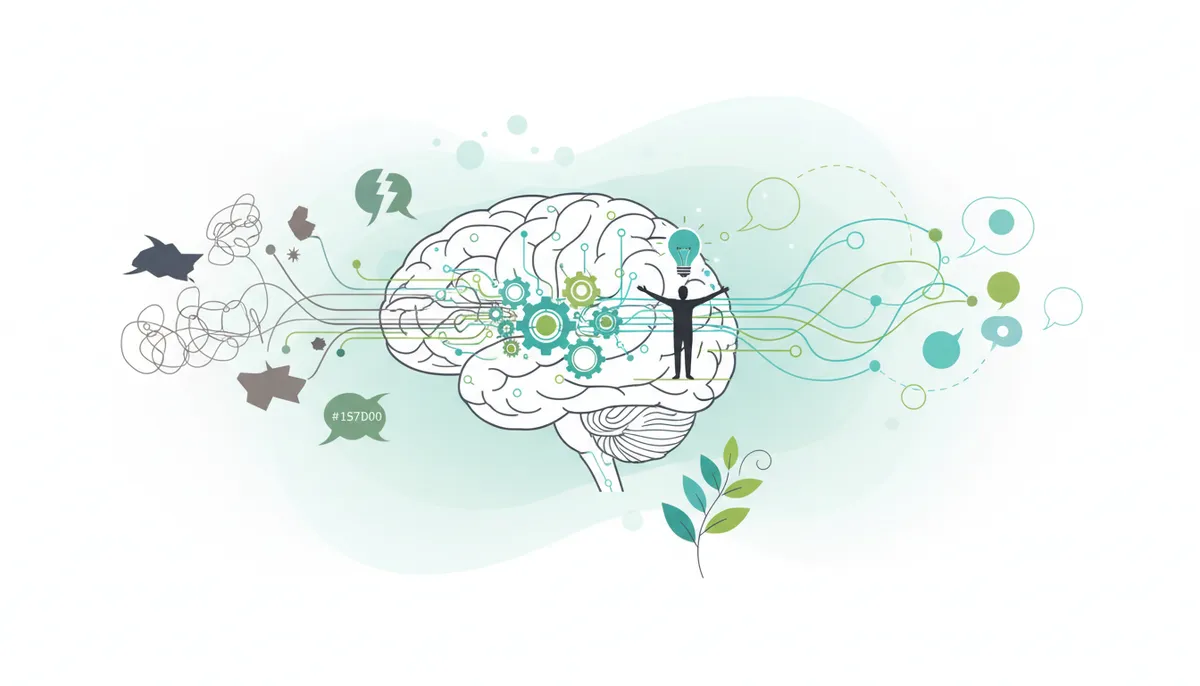
The foundation of CBT rests on a simple but profound idea: psychological problems stem from faulty thinking patterns and learned unhelpful behaviors. The good news? Both can be changed through skill-building and cognitive restructuring. When you think negatively about a situation, those thoughts trigger uncomfortable emotions, which then influence your behavior. This creates a cycle that can feel impossible to break.
Here’s how the cycle typically works:
- You encounter a situation or trigger event
- Your mind automatically interprets the situation (often negatively)
- These thoughts create emotional responses (anxiety, sadness, anger)
- Your emotions influence your behavior (avoidance, withdrawal, aggression)
- Your behavior reinforces the original negative thoughts
CBT interrupts this cycle by teaching you to recognize and challenge automatic negative thoughts. Once you identify these thinking patterns, you can evaluate whether they’re based on facts or distorted perceptions. This process, called cognitive restructuring, helps you develop more balanced and realistic ways of thinking about situations.
Common Cognitive Distortions CBT Addresses
During CBT sessions, you’ll learn to identify common thinking errors that contribute to emotional distress. These cognitive distortions include all-or-nothing thinking (seeing things in black and white), catastrophizing (assuming the worst will happen), and personalization (taking everything personally). By recognizing these patterns, you can begin to question and replace them with more helpful thoughts.
| Cognitive Distortion | Example | Balanced Alternative |
|---|---|---|
| All-or-Nothing Thinking | “I made one mistake, so I’m a complete failure” | “I made a mistake, but I can learn from it” |
| Catastrophizing | “If I fail this test, my entire future is ruined” | “One test doesn’t define my entire future” |
| Mind Reading | “Everyone thinks I’m incompetent” | “I don’t actually know what others think” |
| Should Statements | “I should be perfect at everything” | “It’s okay to be human and make mistakes” |
What Conditions Can CBT Treat Effectively?
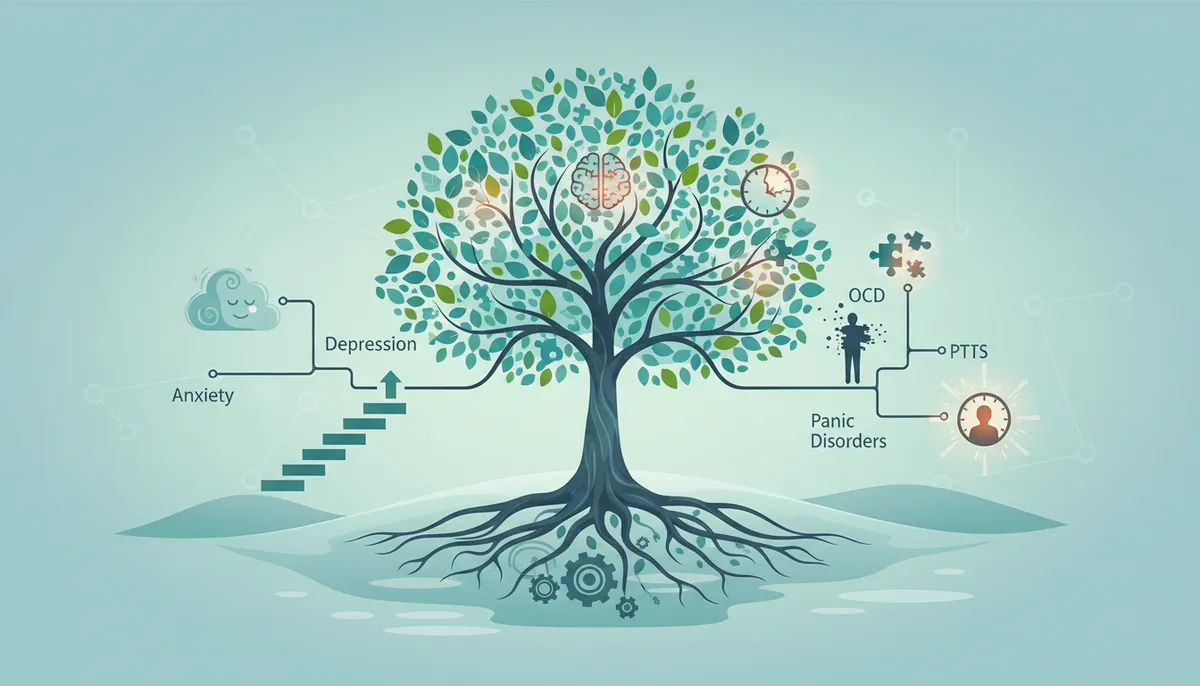
One of CBT’s greatest strengths is its versatility. This therapeutic approach has been extensively researched and proven effective for treating a wide range of mental health conditions. Whether you’re struggling with anxiety, depression, or other challenges, CBT offers evidence-based solutions that work.
CBT is particularly effective for treating anxiety disorders, including generalized anxiety disorder, social anxiety, panic disorder, and specific phobias. The therapy helps you understand the connection between your anxious thoughts and physical symptoms, teaching you techniques to manage both. For depression, CBT addresses the negative thinking patterns that maintain low mood and helps you develop behaviors that improve your emotional state.
Beyond Anxiety and Depression
The applications of CBT extend far beyond common mental health concerns. Research demonstrates its effectiveness for post-traumatic stress disorder (PTSD), eating disorders, substance use problems, insomnia, chronic pain management, and even severe mental illnesses like bipolar disorder and schizophrenia when used as part of a comprehensive treatment plan. According to the CDC’s mental health resources, CBT is recommended as a first-line treatment for many psychological conditions.
Here are conditions where CBT shows strong effectiveness:
- Depression and mood disorders
- Anxiety disorders (GAD, social anxiety, panic disorder)
- Post-traumatic stress disorder (PTSD)
- Obsessive-compulsive disorder (OCD)
- Eating disorders (anorexia, bulimia, binge eating)
- Substance use disorders
- Sleep disorders and insomnia
- Chronic pain management
Key Techniques Used in CBT Sessions
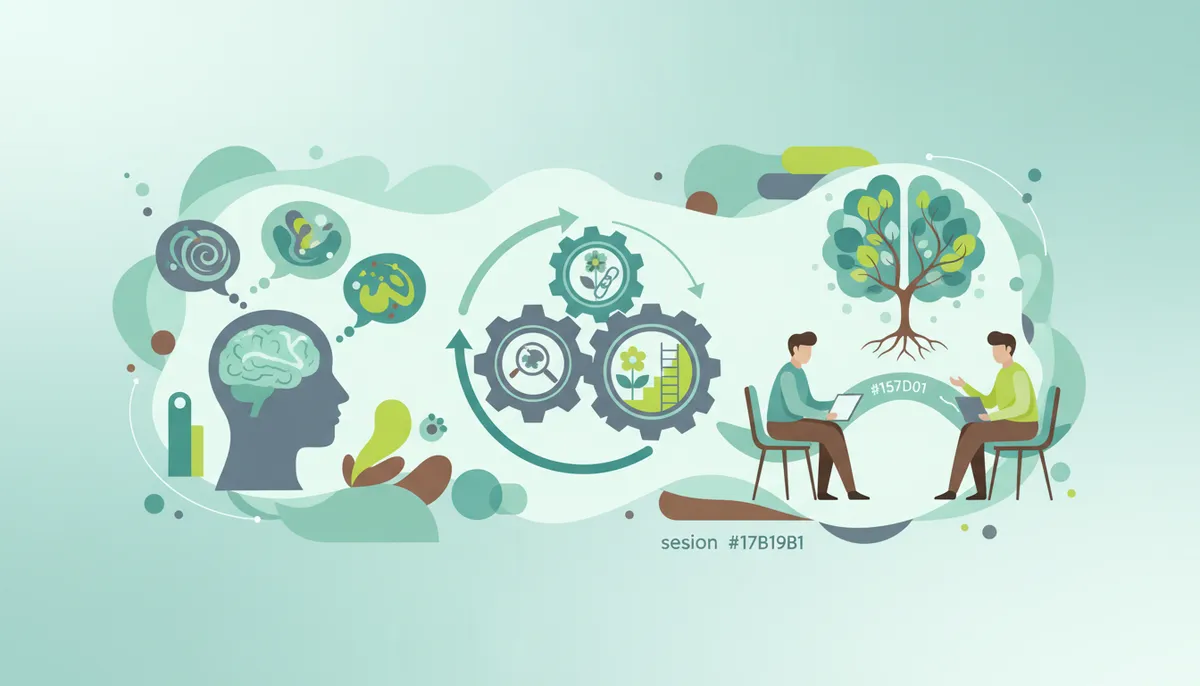
CBT employs a variety of practical techniques that you can learn and apply in your daily life. These aren’t abstract concepts but concrete skills you’ll practice both during sessions and in real-world situations. The beauty of these techniques is that once you learn them, they become tools you can use independently whenever you need them.
Cognitive Restructuring and Thought Records
One of the primary techniques in CBT is cognitive restructuring, which involves identifying and challenging negative thought patterns. You’ll learn to keep thought records, documenting situations that trigger negative emotions, the automatic thoughts that arise, and the feelings that result. This process helps you see patterns in your thinking and evaluate whether your thoughts are based on evidence or distorted perceptions.
For example, if you think “Everyone at work thinks I’m incompetent,” you’ll examine the evidence for and against this thought. Often, you’ll discover that your perception doesn’t match reality. Through this process, you develop more balanced, realistic ways of thinking about situations. Margaret Deuerlein guides clients through this process with compassion and expertise, helping them develop these crucial skills.
Behavioral Activation and Exposure Therapy
CBT isn’t just about changing thoughts; it’s also about changing behaviors. Behavioral activation is particularly useful for depression, encouraging you to engage in activities that bring pleasure or accomplishment, even when you don’t feel like it. This technique breaks the cycle of withdrawal and isolation that often accompanies depression.
For anxiety disorders, exposure therapy is a key component of CBT. This involves gradually facing feared situations in a controlled, supportive way. Rather than avoiding what scares you (which reinforces anxiety), you learn to confront these situations, discovering that your feared outcomes rarely occur. This process builds confidence and reduces anxiety over time.
What to Expect During Your CBT Journey
Starting therapy can feel intimidating, but knowing what to expect can ease your concerns. CBT follows a structured yet flexible format that adapts to your individual needs. Your first session will focus on assessment, where your therapist will ask about your current concerns, symptoms, and goals for treatment. This collaborative discussion helps establish what you want to achieve through therapy.
A typical CBT session structure includes:
- Brief check-in about your week and mood
- Review of homework assignments from the previous session
- Discussion of current problems or challenges
- Learning and practicing new skills or techniques
- Setting homework for the coming week
- Summary of key points and action steps
The Role of Homework in CBT
Homework is a crucial component of CBT’s effectiveness. Between sessions, you’ll practice the skills you’ve learned, complete thought records, and engage in behavioral experiments. This might sound demanding, but these assignments are what make CBT work in the real world. The therapy session is just the beginning; the real change happens when you apply these skills in your daily life.
Your homework assignments will be tailored to your specific goals and challenges. They might include tracking your thoughts and moods, practicing relaxation techniques, gradually facing feared situations, or scheduling pleasant activities. The more you engage with these assignments, the faster you’ll see progress. Think of it like learning any new skill—practice makes progress.
CBT in Different Formats: In-Person and Virtual Options
In 2026, CBT is more accessible than ever before. You can receive treatment through traditional face-to-face sessions in an office setting, or you can opt for virtual therapy from anywhere in Florida. Both formats are equally effective, so the choice depends on your personal preferences, schedule, and circumstances.
Virtual CBT has become increasingly popular and research shows it’s just as effective as in-person therapy for most conditions. Online sessions offer convenience and flexibility, eliminating travel time and making it easier to fit therapy into busy schedules. This is particularly beneficial for young adults, students, or professionals who value the ability to attend sessions from home or during lunch breaks. West Florida Therapy offers both in-person and virtual options, ensuring you can access the care you need in the format that works best for you.
Bilingual CBT Services
Language barriers shouldn’t prevent anyone from accessing quality mental health care. For Spanish-speaking adults and families in Florida, finding a therapist who speaks your language can make a significant difference in treatment outcomes. When you can express yourself in your native language, therapy becomes more effective and comfortable. Bilingual services ensure that cultural nuances are understood and respected throughout your treatment journey.
| Format | Best For | Key Benefits |
|---|---|---|
| In-Person | Those preferring face-to-face interaction | Direct personal connection, office environment |
| Virtual | Busy schedules, remote locations | Convenience, no travel time, accessible statewide |
| Bilingual (English/Spanish) | Spanish-speaking individuals and families | Cultural understanding, comfort, better communication |
CBT for Different Age Groups and Life Stages
CBT adapts beautifully to different developmental stages and life circumstances. For adolescents aged 13-17 dealing with school pressures, social anxiety, or family issues, CBT offers practical tools they can use immediately. Teenagers often respond well to CBT’s structured, goal-oriented approach, especially when techniques are presented in age-appropriate ways.
Young adults and millennials facing life transitions, work stress, or relationship challenges benefit from CBT’s focus on practical problem-solving. This age group typically appreciates the therapy’s efficiency and evidence-based nature. Rather than spending years in analysis, they can develop concrete skills to manage stress, improve relationships, and navigate major life decisions. The Florida Department of Children and Families recognizes CBT as an effective treatment approach across all age groups.
CBT for Couples and Relationship Issues
While individual CBT is powerful, the principles can also transform relationships. Couples therapy using CBT techniques helps partners identify and change negative communication patterns, challenge distorted thoughts about each other, and develop healthier ways of relating. Instead of blaming or criticizing, couples learn to express needs constructively and work together to solve problems.
Common issues addressed in couples-focused CBT include communication breakdowns, conflict resolution, intimacy issues, and trust problems. The therapy helps couples understand how their individual thought patterns affect their relationship dynamics. By changing these patterns together, couples can rebuild connection and create more satisfying partnerships.
Measuring Success and Long-Term Benefits of CBT
One advantage of CBT is that progress is measurable and observable. Unlike some therapies where outcomes are subjective, CBT uses specific goals and tracking methods to monitor improvement. You’ll work with your therapist to establish clear, achievable objectives at the beginning of treatment, then regularly assess your progress toward these goals.
Numerous research studies demonstrate that CBT leads to significant improvement in functioning and quality of life. People who complete CBT report reduced symptoms, better coping skills, improved relationships, and enhanced overall well-being. Perhaps most importantly, the skills you learn in CBT continue to benefit you long after therapy ends. You become your own therapist, equipped with tools to handle future challenges independently.
Building Resilience for the Future
The long-term benefits of CBT extend beyond symptom reduction. By learning to identify and challenge negative thoughts, you develop psychological resilience that protects against future difficulties. This doesn’t mean you’ll never face challenges again, but you’ll have a toolkit of strategies to manage them effectively. Many people find that skills learned in CBT become lifelong habits that improve every aspect of their lives.
Key benefits of completing CBT include:
- Reduced symptoms of depression, anxiety, and other conditions
- Improved problem-solving and coping skills
- Better emotional regulation and stress management
- Enhanced self-awareness and insight
- Increased confidence and self-efficacy
- Healthier relationship patterns
- Greater overall life satisfaction and well-being
Getting Started with CBT: Taking the First Step
If you’re considering CBT, the first step is reaching out to a qualified therapist who specializes in this approach. Look for someone who has specific training and experience in cognitive behavioral techniques. The therapeutic relationship matters significantly in treatment outcomes, so finding someone you feel comfortable with is important.
Before your first session, it can be helpful to reflect on what you want to accomplish through therapy. What specific problems are you facing? What would your life look like if these issues improved? Having some clarity about your goals helps make the therapy process more focused and effective. Remember, you don’t need to have everything figured out before starting—your therapist will help you clarify your objectives and create a treatment plan together.
Many people wonder about the cost and time commitment of CBT. While individual circumstances vary, most people complete CBT in 6-20 sessions. This relatively short duration makes it a cost-effective option compared to long-term therapies. Many insurance plans cover CBT, and some therapists offer sliding scale fees to make treatment accessible. The Florida Department of Health provides resources for finding affordable mental health services throughout the state.
Take Control of Your Mental Health Today
Cognitive Behavioral Therapy offers a proven path to better mental health and improved quality of life. Whether you’re struggling with anxiety, depression, relationship challenges, or life transitions, CBT provides practical tools you can use immediately to create positive change. The therapy’s structured, goal-oriented approach means you’ll see measurable progress, often within just a few sessions.
You don’t have to struggle alone with negative thoughts and difficult emotions. Margaret Deuerlein at West Florida Therapy brings expertise, compassion, and a genuine commitment to helping you achieve your goals. With both in-person and virtual options available throughout Florida, plus bilingual services in English and Spanish, quality mental health care is more accessible than ever. Reach out today to schedule your first appointment and take the first step toward a healthier, more balanced life. Visit our Google Business Profile to learn more about how we can help you on your journey to wellness.
FAQs
Q: How long does cognitive behavioral therapy typically take?
A: Most people complete CBT in 6 to 20 sessions, depending on the condition being treated and individual progress. This makes it one of the most time-efficient forms of therapy available. Your therapist will work with you to establish a realistic timeline based on your specific goals and needs.
Q: Can I do CBT online or does it have to be in person?
A: Yes, virtual CBT is just as effective as in-person therapy for most conditions! In 2026, online therapy offers convenient access from anywhere in Florida. You can choose the format that works best for your schedule and preferences, whether that’s face-to-face sessions in an office or virtual appointments from home.
Q: What makes CBT different from regular talk therapy?
A: CBT focuses on current problems and practical solutions rather than extensively exploring past events. It’s structured, goal-oriented, and time-limited, typically lasting just a few months. You’ll learn specific skills and techniques you can use immediately, and you’ll practice these skills through homework assignments between sessions.
Q: Will I have homework assignments during CBT?
A: Yes, homework is an important part of CBT’s effectiveness! You’ll practice skills between sessions, complete thought records, and engage in exercises that reinforce what you’re learning. These assignments are tailored to your specific goals and help you apply new skills in real-life situations, which is where the real change happens.
Q: Is cognitive behavioral therapy effective for teenagers?
A: Absolutely! CBT is highly effective for adolescents aged 13-17 dealing with school stress, social anxiety, depression, or family issues. Teenagers often respond well to CBT’s practical, goal-oriented approach. The techniques are adapted to be age-appropriate while teaching valuable skills for managing emotions and challenging situations.