
Key Takeaways
-
Anxiety is the most common comorbid condition in bipolar disorder; comorbid anxiety significantly increases suicide risk, reduces quality of life, and makes treatment more complex—requiring integrated care addressing both conditions simultaneously.
-
Cognitive Behavioral Therapy (CBT) produces statistically significant reductions in both anxiety and depressive symptoms for people with bipolar and comorbid anxiety, making it a powerful evidence-based treatment approach.
-
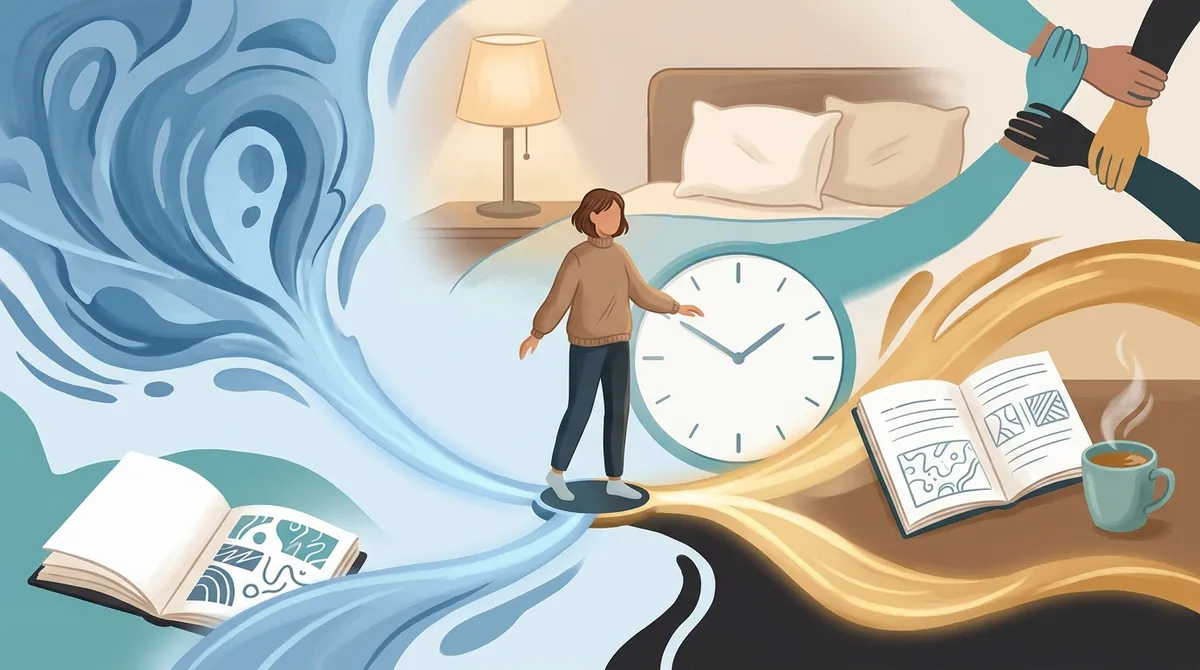
Consistent sleep schedules and daily routines are critical—disrupted sleep can trigger both manic episodes and anxiety spirals; maintaining regular bedtimes, limiting screens before bed, and reducing caffeine directly supports mood stability.
-
Integrated treatment combining medication management (mood stabilizers, second-generation antipsychotics) with evidence-based psychotherapy (CBT, DBT) produces better outcomes than treating conditions separately.
-
Building a strong support network—including family, peer groups, and ongoing therapy—reduces hospitalizations, improves medication adherence, and prevents the common mistake of stopping therapy once symptoms improve.
-
Dialectical Behavior Therapy (DBT) teaches four core skills (mindfulness, distress tolerance, emotion regulation, interpersonal effectiveness) that are transformative for managing the intense emotional experiences of bipolar and anxiety together.
Living with both bipolar disorder and anxiety can feel like trying to navigate a storm while the ground keeps shifting beneath you. One moment you’re riding a wave of high energy, and the next you’re paralyzed by worry and fear. If this sounds familiar, you are absolutely not alone. Anxiety disorders are the most common comorbid condition found alongside bipolar disorder, and managing both at the same time requires a thoughtful, integrated approach.
The good news? With the right support, strategies, and professional care, it is completely possible to live a full and meaningful life even when bipolar and anxiety show up together. This article walks you through six proven, compassionate ways to tackle both conditions — so you can start feeling more like yourself again.

Understanding Bipolar Disorder and Anxiety Together
Before diving into strategies, it helps to understand what we’re dealing with. Bipolar disorder causes extreme swings in mood, energy, and ability to function. These swings are far more dramatic than normal ups and downs and can seriously affect relationships and work performance.
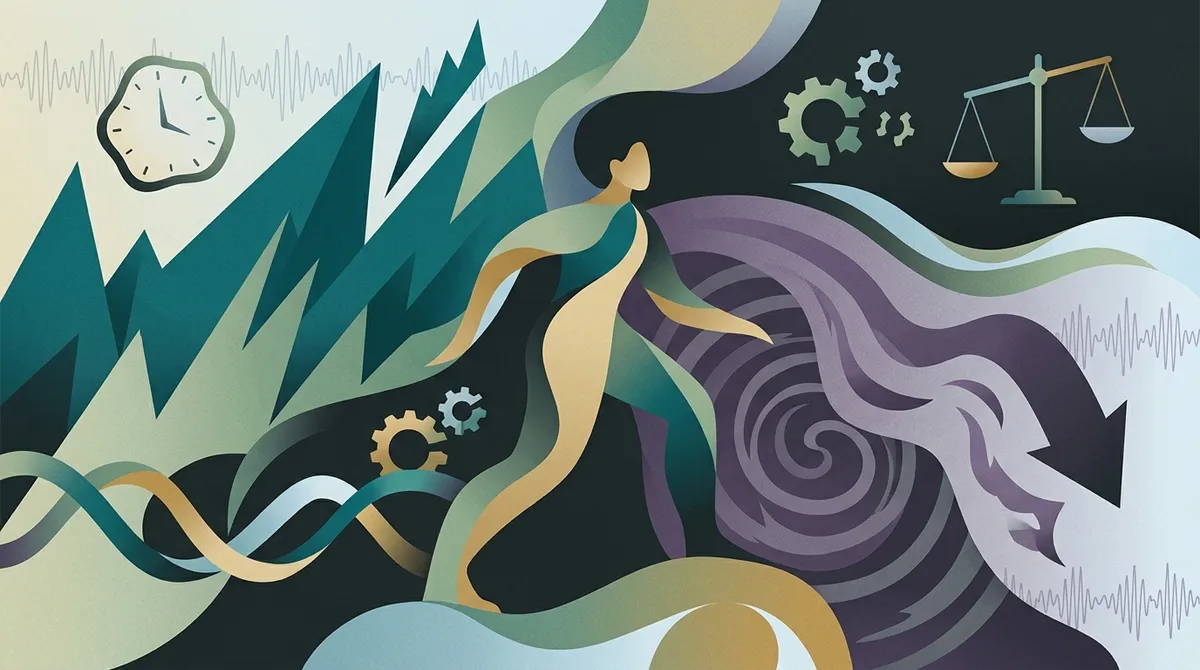
Anxiety, on the other hand, brings persistent worry, fear, and physical tension that can be hard to shake. When both conditions occur together — a situation doctors call “comorbidity” — the result is often more severe symptoms and greater challenges in daily functioning. Research shows that comorbid anxiety in bipolar disorder increases suicide risk, reduces quality of life, and makes treatment more complex. That’s why getting specialized, integrated care matters so much. For a deeper look at anxiety on its own, understanding anxiety signs, types, and treatment options is a great place to start.
Warning Signs That Bipolar and Anxiety Are Occurring Together
Recognizing the signs early can make a real difference in getting help sooner. Here are common warning signs to watch for:
- Intense worry or fear that doesn’t go away even during calm mood phases
- Racing thoughts that feel impossible to slow down
- Trouble sleeping that isn’t tied to a manic episode
- Physical symptoms like a racing heart, sweating, or shortness of breath
- Avoiding social situations or everyday responsibilities out of fear
- Mood swings that seem more extreme or harder to recover from than usual
- Increased use of substances to cope with overwhelming feelings
If several of these feel familiar, speaking with a mental health professional is an important next step. You can also check out how to recognize the signs of bipolar in women for more specific information.
6 Effective Ways to Manage Bipolar and Anxiety Together
1. Pursue Integrated, Specialized Treatment
Managing bipolar and anxiety at the same time requires a treatment plan that addresses both conditions together — not separately. Integrated treatment typically includes both medication management and psychotherapy working hand in hand.
On the medication side, mood stabilizers and second-generation antipsychotics are considered first-line treatments for bipolar disorder. Your prescribing provider will also carefully consider how any anxiety medications interact with your mood-stabilizing treatment. Always work closely with a qualified provider who understands the full picture.
Here is a quick overview of common integrated treatment components:
| Treatment Type | Purpose | Examples |
|---|---|---|
| Medication Management | Stabilize mood and reduce anxiety symptoms | Mood stabilizers, second-generation antipsychotics |
| Psychotherapy | Build coping skills and address thought patterns | CBT, DBT, psychoeducation |
| Lifestyle Support | Regulate sleep, stress, and physical health | Sleep hygiene, exercise, stress management |
| Family/Social Support | Strengthen relationships and build a support network | Family therapy, support groups |
2. Try Cognitive Behavioral Therapy (CBT)
Cognitive Behavioral Therapy — commonly known as CBT — is one of the most well-researched therapy approaches for both bipolar disorder and anxiety. It works by helping you identify and challenge unhelpful thought patterns that fuel mood swings and anxiety spirals.
Research has shown impressive results. CBT interventions for people with bipolar disorder and comorbid anxiety produced statistically significant reductions in both anxiety symptoms and depressive symptoms. That’s not just hopeful — it’s powerful evidence that therapy works. You can learn more in this complete guide to Cognitive Behavioral Therapy.
In CBT sessions, you might work on skills like:
- Identifying negative automatic thoughts that trigger anxiety or mood shifts
- Challenging catastrophic thinking patterns with evidence-based reasoning
- Developing healthier coping responses to stressors and triggers
- Building structured daily routines that support mood stability
3. Use Dialectical Behavior Therapy (DBT) Skills
DBT is another powerful therapy approach that works especially well when emotions feel hard to regulate. Originally developed for people with intense emotional experiences, DBT teaches practical skills for managing overwhelming feelings — making it a great fit for bipolar and anxiety.
DBT is built on four core skill areas:
- Mindfulness — staying present without judgment
- Distress Tolerance — getting through crisis moments without making things worse
- Emotion Regulation — understanding and managing intense emotions
- Interpersonal Effectiveness — communicating needs and maintaining healthy relationships
These skills can be transformative for people managing both bipolar disorder and anxiety. Embracing emotional resilience through DBT is a great resource if you want to learn more about this approach.
4. Prioritize Sleep and Daily Routine
Sleep is not just a lifestyle preference — it is a critical piece of managing bipolar and anxiety. Disrupted sleep can trigger both manic episodes and anxiety spirals, creating a vicious cycle that’s hard to break. Keeping a consistent sleep schedule is one of the most impactful lifestyle changes you can make.
Here are practical daily routine strategies that support mood and anxiety stability:
- Go to bed and wake up at the same time every day — even on weekends
- Limit screen time at least one hour before bed
- Reduce caffeine, especially in the afternoon and evening
- Build a calming wind-down routine (reading, light stretching, or a warm bath)
- Keep a mood and sleep journal to spot patterns and early warning signs
- Schedule regular physical activity — even a daily 20-minute walk helps
The Mental Health Resources from the CDC offer additional guidance on healthy habits that support mental wellness.
5. Build a Strong Support Network
You don’t have to manage bipolar and anxiety alone — and honestly, trying to do it all by yourself makes things harder. Family and social support play a significant role in recovery and long-term wellness.
Studies show that people with strong support networks experience fewer hospitalizations, better medication adherence, and improved overall functioning. Here are ways to build and lean into your support system:
- Share your diagnosis with trusted friends or family members who can help spot warning signs
- Consider family-focused therapy to strengthen communication and understanding
- Connect with peer support groups — either in person or virtually
- Set clear, loving boundaries with people who add stress to your life
- Don’t hesitate to ask for help during difficult episodes
For couples where one or both partners are managing mental health challenges, couples therapy can be a powerful tool for strengthening communication and connection.
The Substance Abuse & Mental Health resources from Florida’s Department of Children and Families also offer community-level support options throughout the state.
6. Seek Consistent, Ongoing Outpatient Therapy
One of the biggest mistakes people make when managing bipolar and anxiety is stopping therapy once they feel better. Consistent, ongoing therapy is not a sign of weakness — it is a sign of wisdom. Regular sessions help you stay ahead of warning signs, continue building skills, and maintain the progress you’ve worked so hard to achieve.
Comorbid anxiety is known to increase the frequency and severity of depressive episodes and reduce treatment adherence in people with bipolar disorder. Staying connected with a therapist provides the consistent structure and accountability needed to keep things on track.
Whether you prefer in-person sessions or the convenience of virtual care, both options can be highly effective. Telehealth therapy in Florida makes it easier than ever to access high-quality mental health support from wherever you are.

How Anxiety and Bipolar Disorder Affect Each Other
It’s worth understanding the two-way street between these conditions. Anxiety doesn’t just tag along passively with bipolar disorder — it actively makes things worse. Here’s a snapshot of how comorbid anxiety impacts bipolar disorder outcomes:
| Impact Area | Effect of Comorbid Anxiety |
|---|---|
| Symptom Severity | Increases the intensity of both manic and depressive episodes |
| Suicide Risk | Significantly raises suicidality compared to bipolar alone |
| Treatment Adherence | Reduces likelihood of sticking with medication and therapy |
| Daily Functioning | Lowers psychosocial functioning and overall quality of life |
| Healthcare Use | Increases the frequency of mental health service visits |
This is why treating both conditions together — rather than one at a time — produces much better outcomes. If you’re also navigating other co-occurring challenges, how to navigate ADHD, depression, and anxiety together may offer additional helpful insight.
Finding the Right Therapist for Bipolar and Anxiety
Choosing the right therapist is one of the most important steps you can take. You want someone who understands the complexity of managing both bipolar disorder and anxiety — and who approaches treatment with warmth, skill, and cultural sensitivity.
Here’s what to look for when searching for a therapist:
- Experience working with both bipolar disorder and anxiety disorders
- Training in evidence-based therapies like CBT and DBT
- A warm, non-judgmental communication style
- Flexibility in session format (in-person or virtual)
- Cultural and language competency, especially for Spanish-speaking clients
At West Florida Therapy, Margaret Deuerlein is a skilled and caring psychotherapist who provides individualized therapy for adults and adolescents navigating conditions like bipolar disorder and anxiety. With bilingual English/Spanish services available and both in-person and telehealth options across Florida, getting the support you need has never been more accessible. You can learn more about Margaret Deuerlein and her compassionate approach to mental health care.
The Mental Health Links provided by Florida Health also offer additional resources for finding qualified mental health services throughout the state.
If you’re unsure where to start, check out our therapy process to see what working with West Florida Therapy looks like from the very first call. You can also visit us on Google to read reviews and learn more about the experience our clients have had.
Additional Tools That Support Bipolar and Anxiety Management
Therapy and medication are the cornerstones of treatment, but there are also helpful tools you can use between sessions to support your mental health journey. Meditation for stress and anxiety relief is one approachable and evidence-supported option. Even short daily mindfulness practices can reduce the intensity of both anxiety symptoms and mood fluctuations over time.
Other tools worth exploring include:
- Mood tracking apps to identify patterns and early warning signs
- Journaling to process emotions and reduce mental clutter
- Breathing exercises to calm the nervous system during anxious moments
- Grounding techniques for moments when anxiety or mood shifts feel overwhelming
For those dealing with panic attacks alongside bipolar disorder, targeted techniques can make a significant difference in managing these intense moments.
Taking the First Step Toward Healing
Managing bipolar and anxiety together is genuinely challenging — but it is also genuinely possible. The key is not trying to do it all at once or going it alone. Small, consistent steps forward add up to meaningful change over time.
Whether you are just beginning to recognize these patterns in yourself or you’ve been managing these conditions for years, there is always more support available. You deserve to feel stable, calm, and connected to your life. If you’re ready to take that first step, reach out to us at West Florida Therapy for a free 15-minute consultation. A warmer, more manageable life is closer than you think.
FAQs
Q: How common is anxiety in people with bipolar disorder?
A: Anxiety disorders are actually the most common condition that occurs alongside bipolar disorder — more common than any other co-occurring diagnosis. This means you’re definitely not alone if you’re experiencing both, and it’s one of the reasons specialized, integrated treatment is so important.
Q: What is the difference between bipolar disorder and anxiety disorder?
A: Bipolar disorder is characterized by dramatic swings in mood, energy, and functioning — including manic highs and depressive lows. Anxiety disorders, on the other hand, involve persistent worry, fear, and physical tension. The tricky part is that both conditions can exist at the same time, and they tend to make each other more intense.
Q: How does Cognitive Behavioral Therapy help with bipolar and anxiety?
A: CBT helps you identify and challenge the unhelpful thought patterns that drive both anxiety spirals and mood instability. Research has shown that CBT produces significant reductions in both anxiety and depressive symptoms for people managing bipolar disorder with comorbid anxiety — making it a powerful tool in your recovery toolkit.
Q: What lifestyle changes help manage bipolar disorder and anxiety symptoms?
A: Consistent sleep schedules, regular physical activity, stress management techniques, and limiting caffeine and alcohol can all make a meaningful difference. Keeping a mood journal and building a supportive daily routine also help you spot early warning signs before they escalate.
Q: When should I seek professional help for bipolar and anxiety?
A: If you notice that worry, fear, or mood swings are interfering with your work, relationships, or daily life, it’s a great time to reach out to a mental health professional. You don’t need to wait until things feel out of control — earlier support almost always leads to better outcomes.