
Key Takeaways
-
Professional therapy, especially Cognitive Behavioral Therapy (CBT), can significantly reduce anxiety symptoms by helping individuals identify and change negative thought patterns.
-
Anxiety disorders affect 359 million people globally and are highly treatable, with women being approximately twice as likely to experience them compared to men.
-
Recognizing physical symptoms like racing heart, muscle tension, and stomach problems is crucial in identifying and managing anxiety disorders.
-
Different types of anxiety disorders exist, including Generalized Anxiety Disorder, Panic Disorder, and Social Anxiety Disorder, each requiring tailored treatment approaches.
-
Regular exercise, consistent sleep routines, and deep breathing techniques can help manage anxiety symptoms and improve overall mental well-being.
-
Seeking professional help early is key, as anxiety disorders typically begin in childhood or adolescence and can significantly impact relationships, education, and career opportunities if left untreated.
Feeling nervous before a big presentation or worried about a loved one’s health is normal. But when worry and fear become overwhelming and interfere with daily life, it might be an anxiety disorder. Anxiety disorders are the most common mental health conditions in the world, affecting 359 million people globally. The good news? Anxiety is highly treatable, and with the right support, you can feel better and regain control of your life.
At West Florida Therapy, Margaret Deuerlein understands how challenging anxiety can feel. As a caring psychotherapist, she works with adults and teens throughout Florida to help them overcome anxiety and live fuller, happier lives. Whether you’re experiencing constant worry, panic attacks, or social fears, professional help is available in English and Spanish, both in-person and virtually.
This article will help you understand what anxiety really is, how to recognize the signs, and what treatment options work best. You’ll learn about different types of anxiety disorders and discover practical ways to start feeling better today.
What Is Anxiety and When Does It Become a Problem?
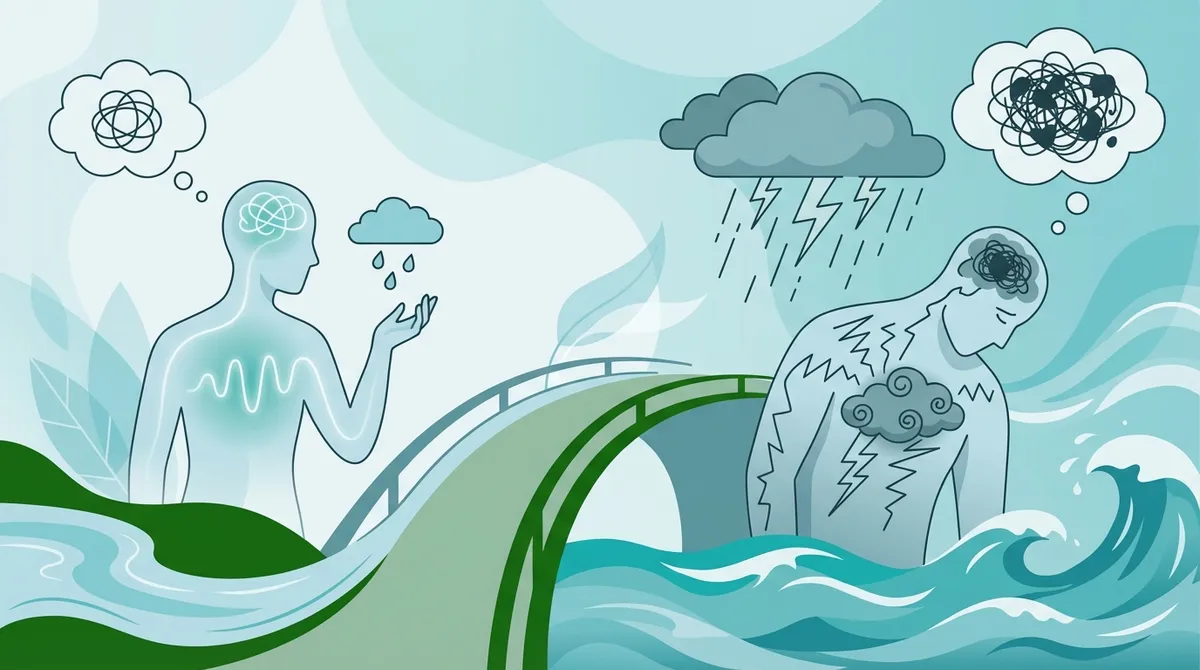
Anxiety is your body’s natural alarm system. It’s that flutter in your stomach or racing heart that warns you of potential danger. Everyone experiences anxiety sometimes, and it can actually help you stay alert and focused when you need to perform well or stay safe.
However, anxiety becomes a disorder when these feelings don’t go away. If you’ve been feeling worried or fearful most days for six months or longer, and it’s making it hard to work, study, or enjoy time with friends and family, you might have an anxiety disorder. According to the CDC, anxiety disorders cause significant distress and make everyday activities feel overwhelming.
The difference between normal anxiety and an anxiety disorder comes down to three things:
-
Intensity: The fear or worry feels much stronger than the actual situation calls for
-
Duration: The anxious feelings last for weeks or months, not just a few days
-
Impact: Your anxiety stops you from doing things you need or want to do
Think of it this way: feeling nervous before a job interview is normal anxiety. But avoiding applying for jobs altogether because the thought makes you panic? That’s when anxiety has crossed into disorder territory and professional support can make a real difference.
Common Signs and Symptoms of Anxiety
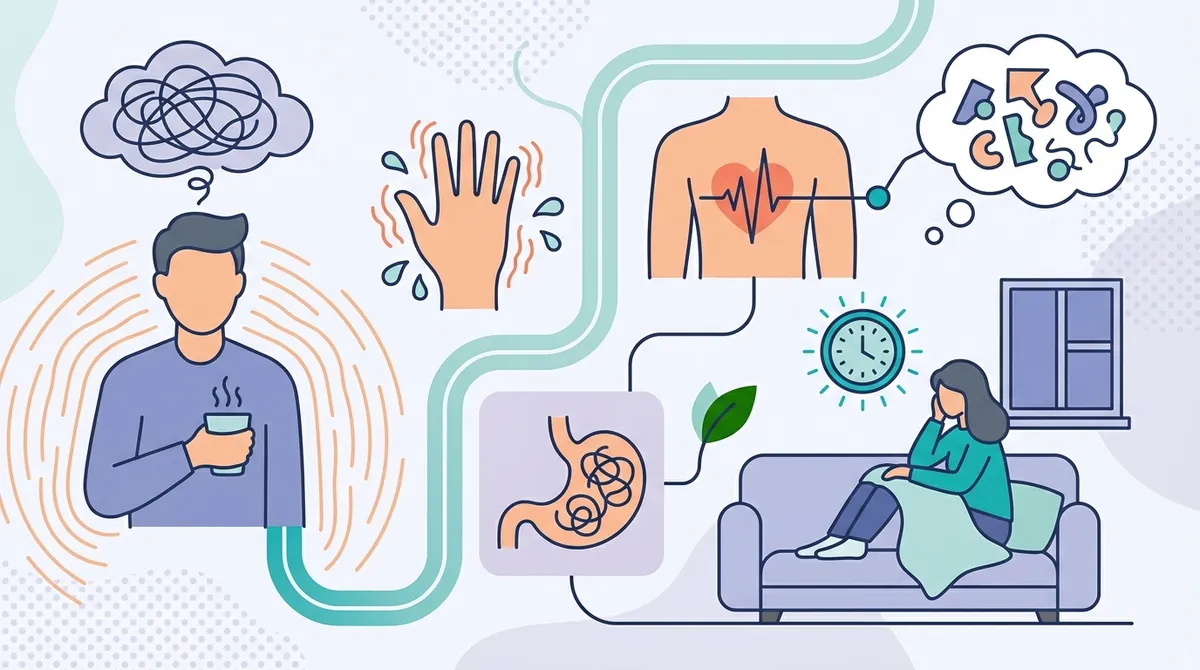
Anxiety affects both your body and mind. Recognizing these symptoms is the first step toward getting help. Many people don’t realize that physical complaints like headaches or stomach problems can actually be caused by anxiety.
Physical Symptoms You Might Notice
Your body responds to anxiety in very real ways. You might experience:
-
Racing or pounding heart (heart palpitations are the most common panic symptom)
-
Sweating, especially in your palms or underarms
-
Tense muscles, particularly in your neck, shoulders, or jaw
-
Headaches or migraines
-
Stomach problems, including nausea or digestive issues
-
Feeling tired all the time or trouble sleeping
-
Restlessness or feeling like you can’t sit still
-
Shortness of breath or feeling like you can’t catch your breath
Emotional and Mental Symptoms
Anxiety also affects how you think and feel. Common emotional symptoms include:
-
Constant worrying that’s hard to control
-
Feeling afraid or having a sense of dread
-
Irritability or feeling on edge
-
Trouble concentrating or your mind going blank
-
Feeling overwhelmed by everyday tasks
-
Difficulty making decisions
Margaret Deuerlein at West Florida Therapy helps clients recognize these patterns and develop practical strategies to manage symptoms. She understands that anxiety looks different for everyone and tailors her approach to your specific needs.
The Seven Main Types of Anxiety Disorders
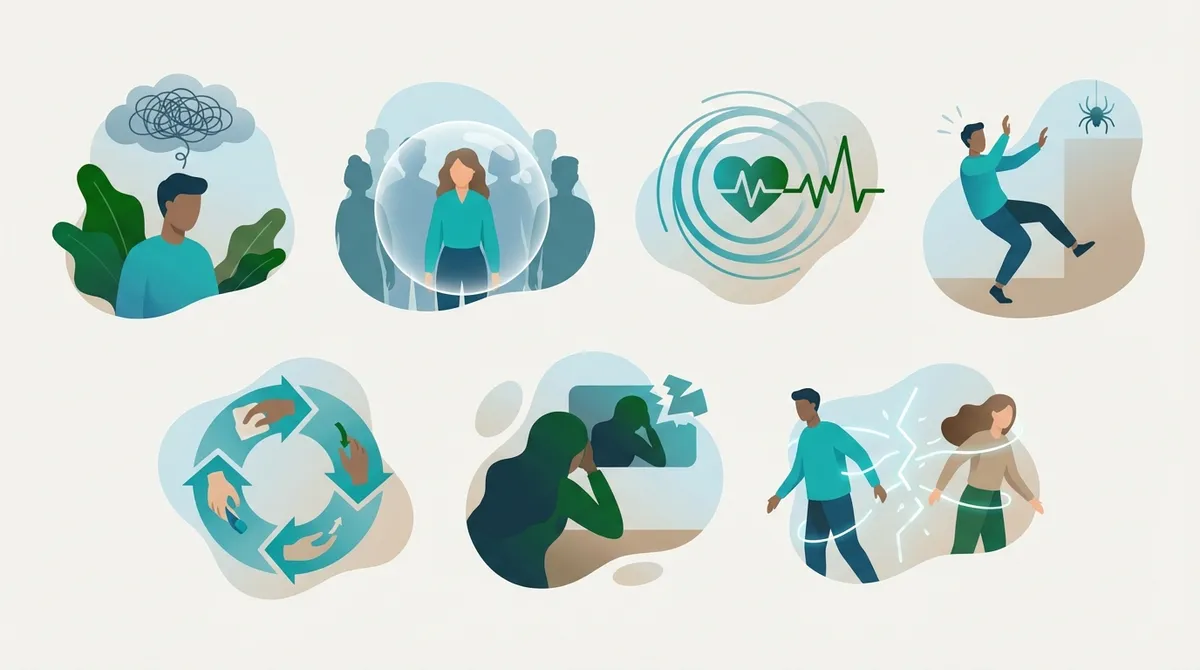
Anxiety isn’t one-size-fits-all. There are seven distinct types of anxiety disorders, each with its own characteristics. Understanding which type you might be experiencing helps guide the most effective treatment approach.
Generalized Anxiety Disorder (GAD)
GAD involves excessive worry about everyday things like health, money, work, or family. The worry feels impossible to control and occurs most days for at least six months. People with GAD often say they feel like they’re waiting for something bad to happen, even when everything seems fine. This type typically starts in late adolescence or early adulthood, though it can develop at any age.
Panic Disorder
Panic disorder means having repeated panic attacks that seem to come out of nowhere. A panic attack is a sudden wave of intense fear that reaches its peak within minutes. Physical symptoms can feel like a heart attack, including chest pain, pounding heart, sweating, and feeling like you can’t breathe. Many people with panic disorder start avoiding places where they’ve had attacks before, which can seriously limit their daily activities.
Social Anxiety Disorder
Also called social phobia, this involves intense fear of social situations where you might be watched or judged by others. Speaking in public, eating in front of people, or even making small talk can trigger extreme anxiety. It’s more than just shyness. Social anxiety disorder can make going to school, work, or social events feel impossible. According to the Florida Department of Health, many people with social anxiety struggle in silence before seeking help.
Specific Phobias
A specific phobia is an intense, irrational fear of a particular object or situation, such as flying, heights, animals, needles, or blood. The fear is out of proportion to the actual danger. People with phobias know their fear is excessive but feel powerless to control it. Phobias can develop in childhood and continue into adulthood if not treated.
Separation Anxiety Disorder
While often associated with children, separation anxiety disorder affects adults too. It involves excessive fear or anxiety about being separated from people you’re attached to. Adults might worry constantly about their partner or children getting hurt, have nightmares about separation, or experience physical symptoms when apart from loved ones.
Agoraphobia
Agoraphobia is the fear of places or situations where escape might be difficult or help wouldn’t be available if you panic. This often includes open spaces, crowds, public transportation, or even leaving your home. People with agoraphobia might avoid these situations entirely or need someone with them to feel safe.
Selective Mutism
Selective mutism, most common in children and adolescents, involves consistently failing to speak in specific social situations despite being able to speak in other settings. For example, a child might talk freely at home but remain silent at school. This isn’t shyness or defiance; it’s a genuine anxiety response that requires professional intervention.
Who Gets Anxiety Disorders?
Anxiety doesn’t discriminate, but certain factors make some people more likely to develop anxiety disorders than others. Understanding these risk factors can help you recognize when to seek support.
Women are approximately twice as likely as men to experience anxiety disorders. Research shows this gender difference appears across cultures and age groups. Hormonal factors, brain chemistry differences, and different stress responses all play a role.
Age also matters. Anxiety disorders typically begin during childhood or adolescence, though they can start at any age. Without treatment, these conditions often continue into adulthood, affecting relationships, education, and career opportunities. The earlier you get help, the better your long-term outcomes.
Other factors that increase anxiety risk include:
-
Family history of anxiety or other mental health conditions
-
Experiencing trauma or significant stress
-
Having other mental health conditions like depression
-
Certain personality traits, such as being more sensitive or withdrawn
-
Chronic physical health problems
-
Substance use or withdrawal
If you recognize yourself in any of these categories, it’s important to know that anxiety is treatable regardless of how long you’ve had it or what caused it. Margaret Deuerlein works with diverse clients throughout Florida, offering bilingual services for Spanish-speaking individuals who may face additional barriers to getting mental health support.
Proven Treatments That Really Work
Anxiety treatment is highly effective. Most people see significant improvement when they work with a qualified therapist. The best treatment plans usually combine therapy approaches tailored to your specific needs and symptoms.
Cognitive Behavioral Therapy (CBT)
CBT is the gold standard for treating anxiety disorders. This approach helps you identify and change thought patterns that fuel anxiety. You’ll learn to recognize when you’re catastrophizing (imagining the worst outcome) or engaging in other unhelpful thinking habits. Then you’ll practice replacing these thoughts with more realistic, balanced ones.
CBT also includes exposure therapy, where you gradually face feared situations in a safe, controlled way. Research shows CBT treatment in children with anxiety disorders led to significant drops in anxiety symptoms and improved brain functioning. The same benefits apply to adults.
Dialectical Behavior Therapy (DBT)
DBT combines cognitive-behavioral techniques with mindfulness practices. It’s particularly helpful if you experience intense emotions alongside anxiety. DBT teaches four key skills: mindfulness (staying present), distress tolerance (handling crisis situations), emotion regulation (managing feelings), and interpersonal effectiveness (communicating needs).
Mindfulness and Relaxation Techniques
Mindfulness practices help you stay grounded in the present moment instead of worrying about the future or ruminating about the past. Techniques include deep breathing exercises, progressive muscle relaxation, meditation, and guided imagery. These tools give you immediate strategies to calm your nervous system when anxiety spikes.
Medication Management
Some people benefit from medication in addition to therapy. Anti-anxiety medications and certain antidepressants can help manage symptoms while you develop coping skills through therapy. Medication isn’t right for everyone, but it can be an important part of a comprehensive treatment plan. Always work with a healthcare provider to determine if medication makes sense for your situation.
The Florida Department of Children and Families offers additional resources for substance abuse and mental health support throughout the state.
How Therapy Can Change Your Life
Starting therapy might feel intimidating, especially if anxiety makes new situations harder. But understanding what to expect can ease those concerns and help you take that crucial first step.
At West Florida Therapy, Margaret Deuerlein creates a warm, judgment-free environment where you can talk openly about your struggles. In your first session, she’ll listen to your story, learn about your symptoms, and help you identify your goals. Together, you’ll develop a treatment plan designed specifically for your needs.
Therapy sessions typically happen weekly and last about 50 minutes. You might meet in person at the office or connect virtually from anywhere in Florida. For Spanish-speaking clients, bilingual services ensure you can communicate in the language you’re most comfortable with. This is especially important when discussing emotions and personal experiences.
Through therapy services, you’ll learn practical skills you can use immediately. These might include breathing exercises for panic attacks, thought-challenging techniques for excessive worry, or gradual exposure plans for phobias. You’ll also gain insight into what triggers your anxiety and develop healthier ways to cope with stress.
Margaret works with both individuals and couples. If anxiety is affecting your relationship, couples therapy can help you and your partner understand each other better and develop stronger communication skills. Many couples find that addressing one partner’s anxiety improves the entire relationship dynamic.
What About Anxiety and Other Mental Health Conditions?
Anxiety rarely exists in isolation. Many people with anxiety disorders also experience other mental health challenges. Understanding these connections helps ensure you get comprehensive treatment that addresses all your needs.
Depression and anxiety often occur together. You might feel anxious and worried while also experiencing sadness, loss of interest in activities, or hopelessness. This combination is so common that therapists routinely assess for both conditions. If you’re dealing with both, depression treatment alongside anxiety treatment provides the most effective path to recovery.
Mood issues like irritability, emotional ups and downs, or difficulty regulating emotions can also accompany anxiety. You might snap at loved ones more easily or feel like your emotions are on a roller coaster. These mood fluctuations often improve as you develop better anxiety management skills.
For some people, anxiety stems from past traumatic experiences. If you’ve experienced trauma, memories or reminders might trigger intense anxiety symptoms. In these cases, trauma therapy addresses both the underlying trauma and the resulting anxiety, providing deeper, more lasting relief.
The key takeaway? Don’t try to tackle everything alone. A skilled therapist can help you untangle these interconnected issues and create a treatment plan that addresses your whole mental health picture, not just one symptom.
Practical Steps You Can Take Today
While professional treatment is essential for anxiety disorders, there are things you can start doing right now to feel better. These strategies won’t cure anxiety, but they can help you manage symptoms and improve your overall well-being.
|
Strategy |
How It Helps |
Getting Started |
|---|---|---|
|
Regular Exercise |
Reduces stress hormones and boosts mood-enhancing chemicals |
Start with 20-30 minutes of walking, swimming, or dancing most days |
|
Sleep Routine |
Improves emotional regulation and reduces anxiety sensitivity |
Go to bed and wake up at the same time daily; avoid screens before bed |
|
Limit Caffeine |
Reduces physical symptoms like racing heart and jitters |
Try limiting coffee to one cup in the morning; switch to decaf or herbal tea |
|
Deep Breathing |
Activates your body’s relaxation response immediately |
Practice 4-7-8 breathing: inhale for 4, hold for 7, exhale for 8 counts |
|
Social Connection |
Provides emotional support and reduces feelings of isolation |
Reach out to one friend or family member each week; join a group activity |
Other helpful habits include eating regular, balanced meals; limiting alcohol; and creating a daily routine that includes time for activities you enjoy. Even small changes can make a noticeable difference in how you feel.
Remember that self-help strategies work best when combined with professional support. Think of them as tools in your anxiety management toolbox, not replacements for therapy.
When Should You Seek Professional Help?
Many people wonder if their anxiety is “bad enough” to need therapy. The truth is, you don’t have to wait until anxiety becomes unbearable. If your worry or fear is affecting your quality of life, it’s time to reach out for support.
Consider seeking professional help if you:
-
Feel anxious most days and can’t shake the feeling
-
Avoid places, activities, or people because of anxiety
-
Experience panic attacks or physical symptoms like chest pain or difficulty breathing
-
Notice your relationships suffering because of your anxiety
-
Have trouble concentrating at work or school
-
Use alcohol or substances to cope with anxious feelings
-
Feel like your anxiety is getting worse over time
Teens and adolescents deserve special attention. If your teenager is struggling with school pressures, social anxiety, or family issues, early intervention can prevent problems from worsening. Margaret Deuerlein works with adolescents aged 13-17, providing accessible therapy that meets young people where they are.
The hardest part is often making that first call. But reaching out is a sign of strength, not weakness. You deserve support, and effective help is available. To learn more about how therapy can help you overcome anxiety, reach out to West Florida Therapy today for a consultation.
Taking the Next Step Toward Feeling Better
Living with anxiety can feel lonely and overwhelming, but you don’t have to struggle alone. Millions of people successfully manage anxiety with the right treatment and support. Whether you’re dealing with constant worry, panic attacks, social fears, or any other form of anxiety, help is available.
Margaret Deuerlein at West Florida Therapy understands the unique challenges anxiety presents. She provides compassionate, evidence-based care for adults and teens throughout Florida. With options for in-person sessions or virtual therapy, plus bilingual services in English and Spanish, getting help has never been more accessible.
Remember, anxiety is one of the most treatable mental health conditions. The sooner you start treatment, the sooner you can reclaim your life and rediscover what it feels like to live without constant fear and worry. You’ve already taken an important step by learning more about anxiety. Now it’s time to take the next step.
Whether you’re a stressed millennial navigating life transitions, an anxious teen facing school pressures, or anyone else struggling with worry and fear, professional support can make all the difference. Don’t wait for anxiety to control your life. Connect with West Florida Therapy today and start your journey toward feeling better. You can also visit West Florida Therapy on Google to learn more about how others have benefited from Margaret’s compassionate care.
Your path to a calmer, more confident life starts with a single conversation. Take that step today.
FAQs
Q: What’s the difference between normal anxiety and an anxiety disorder?
A: Normal anxiety is temporary and proportional to the situation, like feeling nervous before a big event. An anxiety disorder involves excessive worry or fear that lasts for months, feels overwhelming compared to the actual situation, and interferes with your daily life, work, or relationships. If anxiety stops you from doing things you need or want to do, it’s time to talk to a professional.
Q: How long does it take for anxiety therapy to work?
A: Many people start noticing improvements within 4-6 weeks of beginning therapy, though everyone’s timeline is different. Cognitive Behavioral Therapy (CBT) and other evidence-based approaches help you develop coping skills quickly that you can use right away. The length of treatment depends on the severity of your anxiety, how long you’ve had it, and your individual goals. Most people see significant progress within 12-16 weeks of consistent therapy.
Q: Can anxiety disorders be cured completely?
A: While anxiety disorders are highly treatable, most experts talk about management rather than cure. With proper treatment, many people experience dramatic improvement and long periods without symptoms. You’ll learn skills to manage anxiety effectively so it no longer controls your life. Some people need ongoing support, while others complete therapy and maintain their progress independently. The key is that anxiety doesn’t have to limit what you can do or how you live.
Q: Is medication necessary to treat anxiety?
A: Medication isn’t necessary for everyone with anxiety. Many people find relief through therapy alone, particularly with approaches like Cognitive Behavioral Therapy and Dialectical Behavior Therapy. However, some people benefit from combining medication with therapy, especially if symptoms are severe or haven’t responded to therapy alone. A qualified therapist can help you understand your options and refer you to a prescriber if medication might be helpful for your situation.
Q: How do I know if my teenager’s anxiety is serious enough for therapy?
A: If your teen’s anxiety affects their schoolwork, friendships, family relationships, or daily activities, it’s worth seeking professional help. Warning signs include avoiding school or activities they used to enjoy, frequent physical complaints like headaches or stomach aches, sleep problems, irritability, or talking about feeling overwhelmed. Early intervention is key—anxiety that starts in adolescence can continue into adulthood if not addressed. A caring therapist can make a significant difference in helping teens develop healthy coping skills.