
Key Takeaways
-
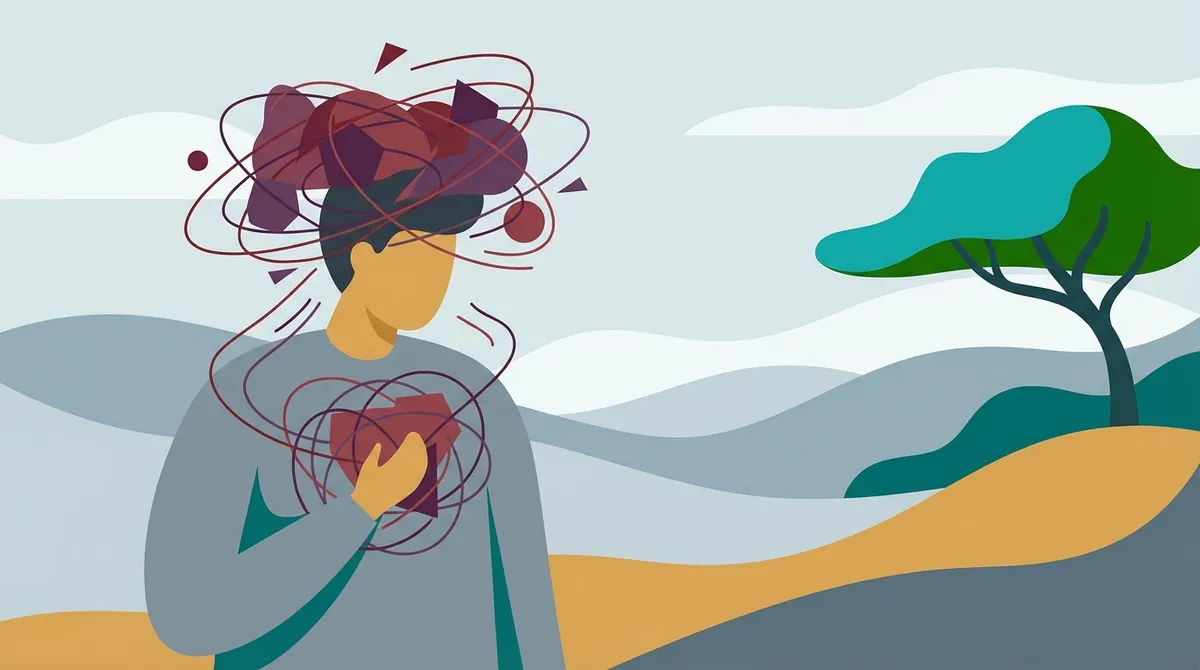
Anger is a survival instinct that prepares our body to respond to perceived threats, triggering hormonal and physiological changes within milliseconds.
-
Recognizing personal anger triggers like feeling disrespected, experiencing injustice, or losing control is crucial for effective anger management.
-
Healthy anger motivates positive change, while unhealthy anger damages relationships, careers, and physical health through chronic stress and aggressive behaviors.
-
Mindfulness and meditation practices help create awareness of anger buildup, allowing conscious responses instead of automatic reactive outbursts.
-
Deep breathing techniques can immediately calm the body’s fight-or-flight response by regulating heart rate and reducing stress hormones.
-
Using ‘I’ statements in communication helps express feelings constructively without blaming, reducing conflict and preventing anger escalation.
-
Chronic uncontrolled anger contributes to serious health problems including high blood pressure, weakened immune system, and increased risk of heart disease.
-
Understanding that anger often masks deeper emotions like hurt or fear can help develop more nuanced emotional intelligence and self-awareness.
Have you ever wondered why anger seems to take over your entire body and mind in seconds? One moment you’re calm, and the next, you’re saying things you don’t mean or making choices you regret. Anger is one of the most powerful human emotions we experience, and it affects everyone differently. Understanding why anger happens and how it controls our actions is the first step toward managing it better. This emotion isn’t just a bad feeling that shows up randomly. It’s actually connected to our survival instincts and how our brain protects us from threats. When we learn about anger and where it comes from, we can start to take control instead of letting it control us. Throughout this article, we’ll explore what triggers anger, how it affects your body and relationships, and proven ways to manage it effectively. Whether you’re dealing with frustration at work, conflict in your relationships, or just want to understand yourself better, this guide will help you make sense of this complex emotion.
What Exactly Is Anger and Why Do We Feel It?
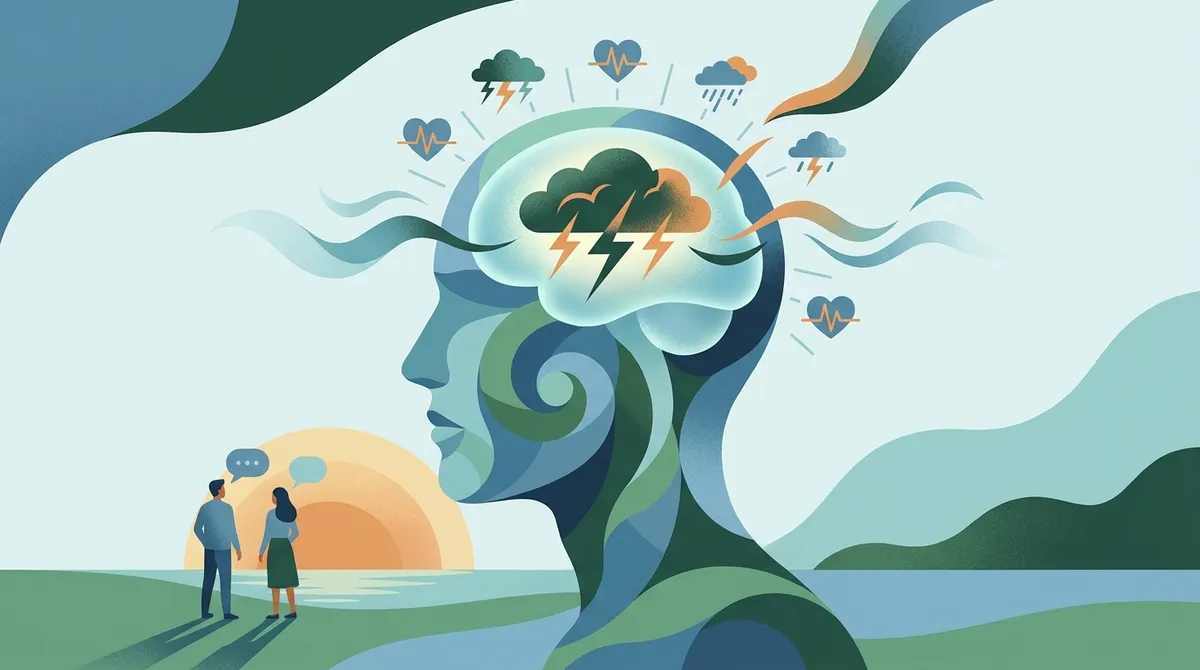
Anger is one of the basic human emotions, just as important as happiness, sadness, or fear. Scientists consider it a fundamental feeling that every person experiences, regardless of culture or background. This emotion developed over thousands of years to help humans survive dangerous situations. When our ancestors faced threats like wild animals or hostile groups, anger prepared their bodies to fight back and protect themselves.
Today, we don’t face the same dangers, but our brains still react the same way. When someone cuts you off in traffic or a coworker takes credit for your work, your brain sees these as threats. The anger you feel is your mind’s way of preparing you to defend yourself. Unlike fear, which makes us want to run away, anger is connected to the “approach” part of our brain. This means anger pushes us to move toward the problem instead of backing down. That’s why you might feel like confronting someone when you’re angry rather than avoiding them.
At West Florida Therapy, we help people understand that anger itself isn’t bad or wrong. It’s a normal response that tells us something needs to change. The problem comes when we don’t know how to express it in healthy ways or when it becomes so intense that it damages our relationships and daily life.
How Anger Takes Control of Your Body
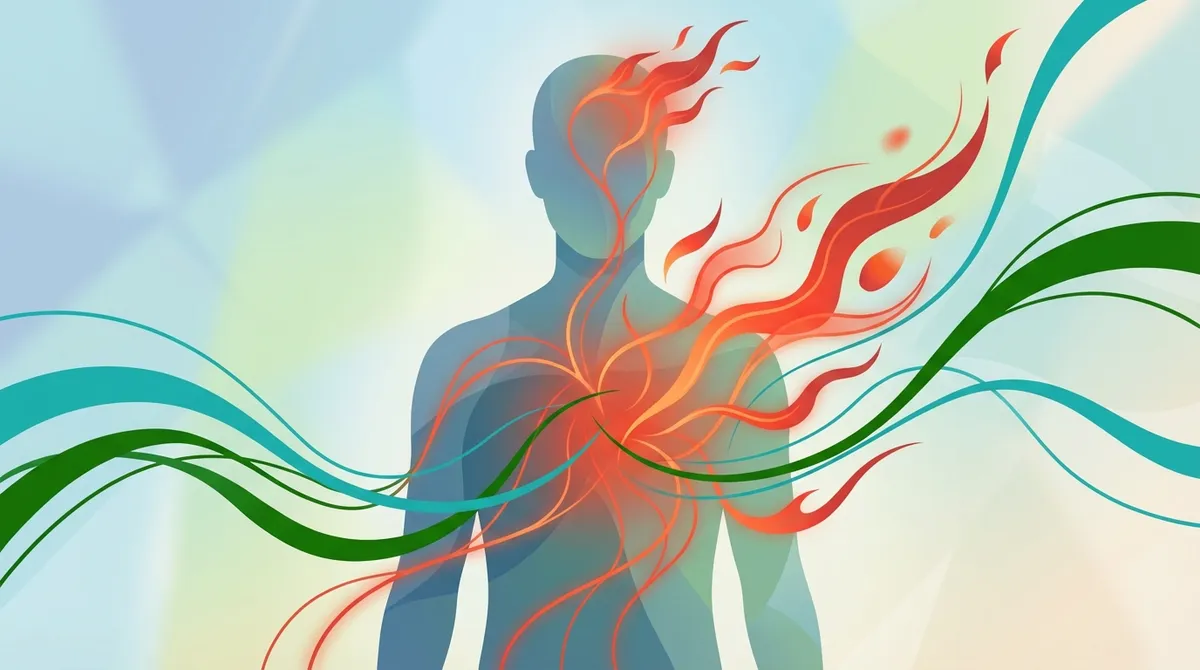
When anger kicks in, your body goes through dramatic changes in seconds. Your heart starts beating faster, pumping blood to your muscles. Your breathing becomes quick and shallow. Your face might get hot and turn red. These physical reactions happen because your brain releases stress hormones like adrenaline and cortisol into your bloodstream.
These hormones prepare your body for action, just like they did for our ancestors facing danger. Your muscles tense up, ready to fight or respond to a threat. Your blood pressure rises, and you might feel a surge of energy. Some people describe it as feeling like they’re about to explode. Others say they feel their hands shaking or their jaw clenching without even realizing it.
The Brain Science Behind Angry Reactions
Your brain’s emotional center, called the amygdala, activates within milliseconds when it senses a threat. This happens so fast that you feel angry before your logical thinking brain (the prefrontal cortex) can even process what’s happening. That’s why you might snap at someone and then think “Why did I say that?” moments later. The thinking part of your brain simply couldn’t catch up to the emotional part.
Research shows that this quick response system helped humans survive for thousands of years. But in modern life, it often causes problems. Your brain can’t tell the difference between a real physical threat and a frustrating email from your boss. It responds with the same intensity either way. Understanding this biology helps explain why controlling anger in the moment feels so difficult.
Common Triggers That Spark Anger
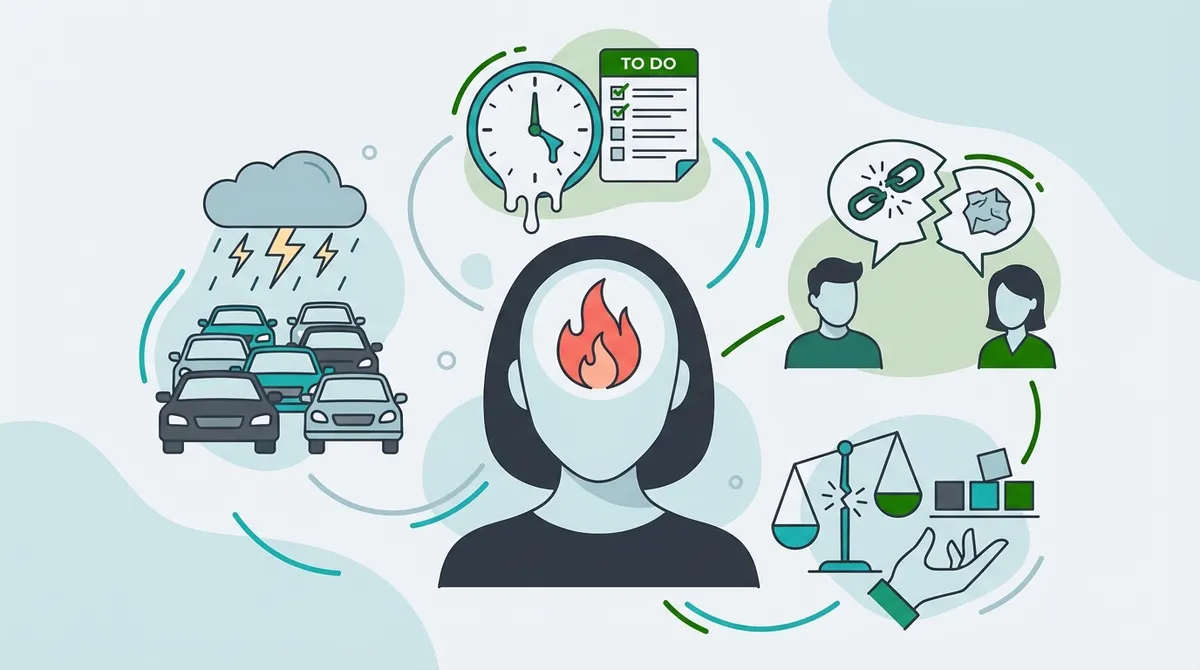
Anger doesn’t appear out of nowhere. It usually has specific triggers, though these vary from person to person. Recognizing what sets off your anger is crucial for managing it better. Here are some of the most common triggers people experience:
- Feeling disrespected or dismissed: When someone interrupts you, ignores your opinions, or treats you like you don’t matter
- Injustice and unfairness: Watching someone get away with bad behavior or seeing others treated poorly
- Frustration from blocked goals: When obstacles keep preventing you from achieving what you want
- Feeling threatened or unsafe: Physical danger or emotional threats to your well-being
- Loss of control: Situations where you feel powerless or can’t influence outcomes
- Physical discomfort: Being tired, hungry, in pain, or physically uncomfortable
- Stress overload: Too many demands with too few resources to handle them
Sometimes anger appears as a cover for other emotions you might not want to feel. Many people get angry when they’re actually feeling hurt, scared, embarrassed, or vulnerable. Anger feels more powerful than these emotions, so your mind might automatically switch to anger instead. For example, if your partner forgets your anniversary, you might feel hurt and unimportant. But instead of expressing that sadness, you get angry and start an argument.
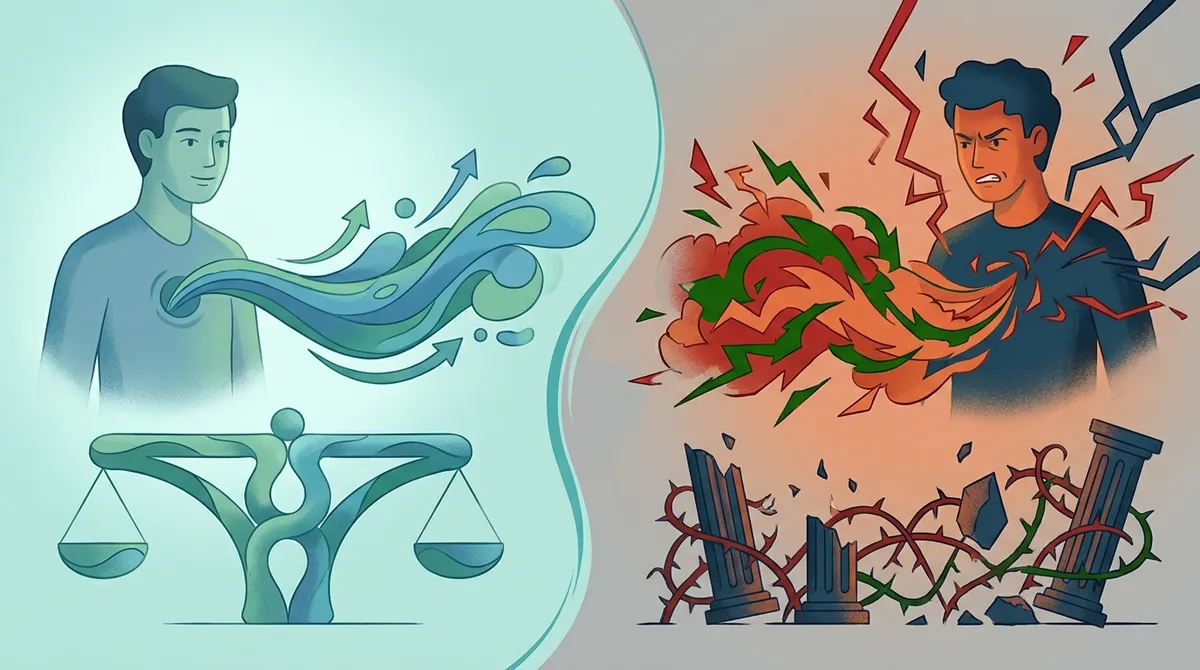
The Difference Between Healthy and Unhealthy Anger
Not all anger is harmful. In fact, anger can be helpful when it motivates you to make positive changes or stand up for yourself. Healthy anger means feeling the emotion, understanding what caused it, and expressing it in constructive ways. It might push you to have an honest conversation with someone who hurt you or to set better boundaries in your relationships.
Unhealthy anger, on the other hand, causes problems for you and the people around you. It shows up in several harmful forms:
| Type of Unhealthy Anger | What It Looks Like | Impact |
|---|---|---|
| Explosive Anger | Sudden outbursts, yelling, throwing things, aggressive behavior | Damages relationships, creates fear in others, leads to regret |
| Passive-Aggressive Anger | Silent treatment, sarcasm, subtle sabotage, indirect hostility | Creates confusion, prevents real problem-solving, builds resentment |
| Chronic Anger | Constant irritability, always feeling on edge, quick to snap | Exhausts you mentally and physically, pushes people away |
| Suppressed Anger | Never expressing anger, pretending everything is fine | Leads to depression, anxiety, physical health problems |
The therapists at West Florida Therapy work with clients to identify which patterns they fall into and develop healthier ways to process and express anger. Margaret Deuerlein specializes in helping people understand the root causes of their anger and learn skills to manage it effectively.
How Uncontrolled Anger Damages Your Life
When anger goes unchecked, it creates serious problems in multiple areas of your life. Your relationships suffer the most. Partners, family members, and friends start walking on eggshells around you, afraid of triggering an outburst. Over time, people distance themselves or leave the relationship entirely. Children who grow up with an angry parent often develop anxiety and struggle with their own emotions as adults.
At work, anger problems can destroy your career. Losing your temper with coworkers or customers can lead to written warnings, damaged professional relationships, or job loss. Even if you never explode at work, chronic irritability makes you difficult to work with and limits opportunities for advancement.
Physical Health Consequences of Chronic Anger
Your body wasn’t designed to stay in an angry, stressed state for long periods. When anger becomes a constant companion, it takes a serious toll on your physical health. Research from the Centers for Disease Control and Prevention shows that chronic anger contributes to several health problems:
- High blood pressure and increased risk of heart disease
- Weakened immune system, making you sick more often
- Digestive problems like stomach pain and irritable bowel syndrome
- Chronic headaches and muscle tension
- Sleep problems and insomnia
- Increased risk of stroke
Beyond physical health, uncontrolled anger often leads to mental health challenges. Many people with anger issues also struggle with depression and anxiety. They might turn to alcohol or other substances to numb the intensity of their feelings, creating additional problems. The good news is that learning to manage anger effectively improves both your mental and physical health significantly.
Proven Strategies That Actually Calm Anger
You’ve probably heard advice like “count to ten” or “punch a pillow” when you’re angry. While these might help in the moment, research shows that certain strategies work much better for long-term anger management. A comprehensive study analyzing over 10,000 people found that techniques that calm your body and mind are far more effective than activities that let you “vent” your anger.
The most powerful anger management approaches focus on decreasing your body’s arousal level rather than expressing or releasing the anger. Here are the techniques that research proves work best:
Mindfulness and Meditation Practices
Mindfulness means paying attention to the present moment without judgment. When you practice mindfulness regularly, you become more aware of your anger as it starts to build, rather than being surprised by sudden explosions. This awareness gives you a chance to choose how you respond instead of reacting automatically.
Simple mindfulness practices include focusing on your breath, noticing physical sensations in your body, or observing your thoughts without getting caught up in them. Even five minutes of daily meditation can make a significant difference in how you handle anger. Studies show that mindfulness reduces both anger and aggressive behavior, regardless of whether you practice alone with an app or with a therapist.
Deep Breathing Techniques
When you’re angry, your breathing becomes fast and shallow. This keeps your body in fight-or-flight mode. Deep breathing activates your body’s natural calming system, signaling your brain that the emergency is over. Try this simple technique:
- Breathe in slowly through your nose for four counts
- Hold your breath for four counts
- Breathe out slowly through your mouth for six counts
- Pause for two counts before breathing in again
- Repeat this cycle four to five times
This pattern of breathing forces your heart rate to slow down and reduces the stress hormones in your body. You can do this anywhere, anytime you feel anger building. The key is practicing when you’re calm so it becomes automatic during angry moments.
Progressive Muscle Relaxation
Anger creates tension throughout your body, especially in your jaw, shoulders, and hands. Progressive muscle relaxation involves tensing and then releasing different muscle groups to reduce physical tension. Start with your feet and work your way up to your head, tensing each muscle group for five seconds and then relaxing for ten seconds.
This technique helps you recognize where you carry anger in your body. Once you know your tension spots, you can check in with those areas throughout the day and release the tightness before anger builds to explosive levels.
Why Exercise Helps (But Not the Way You Think)
Many people believe that intense exercise like running or hitting a punching bag helps “release” anger. However, research reveals a more complex picture. High-intensity exercise like jogging can actually increase anger in some cases, possibly because the repetitive nature keeps your mind focused on what made you angry in the first place.
The exercises that help most with anger management are team sports or activities that require focus and coordination. Playing volleyball, soccer, or basketball forces you to concentrate on the game rather than your anger. These activities also connect you with other people, which naturally reduces anger levels. Gentle exercises like yoga, tai chi, or walking in nature combine physical movement with mindfulness, offering double benefits for anger management.
Regular physical activity of any kind does improve mood and stress levels over time. The key is choosing activities you enjoy and can stick with long-term, rather than only exercising when you’re already angry.
Cognitive Strategies to Change Angry Thinking
Your thoughts fuel your anger more than you realize. When something triggers you, your mind immediately creates a story about what happened and what it means. Often, these automatic thoughts are exaggerated or inaccurate, making your anger worse than it needs to be. Learning to recognize and change these thought patterns is one of the most effective anger management skills.
Common Thinking Traps That Increase Anger
Several specific thinking patterns make anger more intense. Recognizing these traps in your own mind helps you avoid them:
- All-or-nothing thinking: Seeing situations in black and white with no middle ground (“She’s always late” or “He never listens”)
- Mind reading: Assuming you know why someone did something without asking (“He did that just to make me mad”)
- Catastrophizing: Treating minor problems like major disasters (“This ruined everything”)
- Demanding thinking: Using words like “should,” “must,” or “have to” about yourself or others (“She should know better”)
When you catch yourself in one of these thinking traps, pause and ask yourself questions: “Is this absolutely true? What evidence do I have? Are there other ways to look at this situation?” This simple questioning interrupts the automatic angry thoughts and creates space for more balanced thinking.
Communication Skills That Reduce Conflict
Many anger problems stem from poor communication. When you can’t express your needs clearly or don’t feel heard, frustration builds into anger. Learning effective communication skills helps prevent many anger-triggering situations. The therapists at West Florida Therapy teach clients these communication techniques that reduce conflict and anger.
One of the most powerful communication tools is using “I” statements instead of “you” statements. Compare these two approaches:
| Accusatory “You” Statement | Constructive “I” Statement |
|---|---|
| “You never help around the house!” | “I feel overwhelmed when I handle all the housework alone.” |
| “You’re always on your phone ignoring me!” | “I feel disconnected when we don’t talk during dinner.” |
| “You made me so angry!” | “I felt hurt when that happened.” |
“I” statements express your feelings and needs without attacking the other person. This makes them less defensive and more willing to work with you on solutions. It also helps you take responsibility for your emotions rather than blaming others for how you feel.
The Power of Taking a Timeout
When arguments get heated, the smartest move is often to step away temporarily. This isn’t running from the problem or giving someone the silent treatment. It’s a planned break where both people agree to pause the discussion and return when they’re calmer. A proper timeout includes these elements:
- Tell the other person you need a break to calm down
- Set a specific time to continue the conversation (“Let’s talk about this in 30 minutes”)
- Use the break to actually calm yourself, not to rehearse angry comebacks
- Return to the discussion as promised
This approach prevents saying things you’ll regret while ensuring the issue gets resolved. It models healthy emotional management for children and strengthens relationships by showing you care enough to have productive conversations.
When Anger Indicates a Deeper Problem
Sometimes anger is the symptom rather than the main problem. Many mental health conditions include irritability and anger as key features. If your anger feels impossible to control despite your best efforts, it might point to an underlying issue that needs professional help. Conditions often connected to anger problems include:
- Depression: Many people with depression experience irritability and quick anger rather than sadness
- Anxiety disorders: Living in constant worry and fear often shows up as snappiness and frustration
- Trauma and PTSD: Past traumatic experiences can make you hypervigilant and reactive to perceived threats
- Attention-deficit/hyperactivity disorder (ADHD): Difficulty managing emotions and impulse control leads to anger outbursts
- Substance abuse: Alcohol and drug use both contribute to anger and result from attempts to manage it
If you notice your anger is getting worse, causing serious problems in your life, or you have thoughts of harming yourself or others, professional help is essential. Margaret Deuerlein at West Florida Therapy provides compassionate, individualized support for people struggling with anger and related issues. Therapy gives you a safe space to explore what’s driving your anger and learn personalized strategies that work for your specific situation.
Building an Anger Management Plan That Works
Reading about anger management is helpful, but real change comes from creating a personal plan and practicing new skills consistently. Your anger management plan should include strategies for three different stages: preventing anger before it starts, managing it in the moment, and processing it after an angry episode.
Prevention Strategies
The best way to handle anger is to reduce how often it happens in the first place. These daily practices help keep your overall stress and irritability low:
- Get enough sleep (7-9 hours for adults)
- Eat regular, balanced meals
- Exercise 3-4 times per week
- Practice daily stress reduction (meditation, yoga, or relaxation)
- Limit alcohol and caffeine
- Maintain healthy relationships and social connections
- Set realistic expectations for yourself and others
These basics might seem too simple to matter, but research consistently shows that people who take care of their physical and emotional needs experience less frequent and less intense anger.
In-the-Moment Strategies
When you feel anger rising, you need quick tools to prevent it from taking control. Choose two or three techniques that work best for you and practice them regularly. Your in-the-moment toolkit might include deep breathing, progressive muscle relaxation, taking a timeout, or using self-talk phrases like “I can handle this calmly” or “This isn’t worth losing control over.”
The key is intervening early. Don’t wait until you’re at a ten out of ten on the anger scale. When you notice yourself at a three or four, that’s the time to use your calming techniques. Waiting until you’re fully enraged makes these strategies much less effective.
Post-Anger Reflection
After an angry episode, take time to reflect on what happened without judging yourself harshly. Ask yourself questions like: What triggered my anger? What was I thinking right before I got angry? How did my body feel? What did I do? What would I like to do differently next time? This reflection helps you learn from each experience and gradually change your patterns.
Consider keeping an anger journal where you track these episodes. Over time, you’ll notice patterns in your triggers, warning signs, and effective strategies. This information is incredibly valuable for preventing future problems.
Moving Forward with Better Anger Management
Understanding anger and learning to manage it effectively transforms your life in profound ways. Your relationships become deeper and more satisfying. Your health improves. You feel more in control of your emotions and your life. These changes don’t happen overnight, but every small step counts.
Remember that managing anger is a skill, just like riding a bike or learning a new language. You’ll make mistakes along the way, and that’s completely normal. What matters is your commitment to keep practicing and improving. Some days will be harder than others, especially during stressful periods, but with consistent effort, healthy anger management becomes more natural over time.
If you’re struggling with anger and want professional support, resources are available through Florida mental health services and substance abuse and mental health programs. Don’t wait until anger destroys important relationships or damages your health. Reaching out for help is a sign of strength, not weakness.
Margaret Deuerlein and the team at West Florida Therapy understand how overwhelming anger problems can feel. They offer both in-person and virtual therapy sessions throughout Florida, with bilingual services available in English and Spanish. Whether you’re dealing with explosive anger, chronic irritability, or anger that stems from anxiety or depression, therapy provides tools and support to help you regain control. Reach out today to start your journey toward healthier emotional management and more peaceful relationships. You can also visit us on Google to learn more about how we’ve helped others in similar situations.
FAQs
Q: What is the most effective way to calm down when I feel angry?
A: The most effective technique is deep breathing combined with mindfulness. Research shows that slowing your breathing activates your body’s natural calming system much better than venting or intense exercise. Try breathing in for four counts, holding for four, and breathing out for six counts. Repeat this five times whenever anger starts building.
Q: Is it healthy to express anger by yelling or hitting something?
A: No, research shows that venting anger through yelling or physical aggression often makes anger worse, not better. These activities keep your body in a heightened state and can create a habit of explosive reactions. Instead, focus on calming techniques like deep breathing, meditation, or gentle exercise that help reduce your body’s stress response.
Q: How can I tell if my anger is a sign of a bigger mental health problem?
A: If your anger is causing serious problems in your relationships or work, happens frequently with little provocation, includes thoughts of harming yourself or others, or doesn’t improve despite your efforts to manage it, these are signs you should seek professional help. Anger can be a symptom of depression, anxiety, trauma, or other conditions that benefit from therapy.
Q: Can therapy really help with anger management?
A: Absolutely! Therapy is one of the most effective treatments for anger problems. A therapist helps you identify your triggers, understand the root causes of your anger, and learn personalized coping strategies. They can also address any underlying issues like depression or trauma that contribute to anger. Many people see significant improvement within a few months of regular therapy sessions.
Q: What should I do if someone I love has anger problems?
A: First, take care of your own safety. If the anger includes physical violence or threats, prioritize protecting yourself and any children involved. For non-violent but problematic anger, express your concerns during a calm moment using “I” statements about how their anger affects you. Encourage them to seek professional help and offer to support them through the process. Remember, you can’t force someone to change, but you can set healthy boundaries for yourself.