
Key Takeaways
-
Learn specific DBT skills like naming emotions, checking the facts, opposite action, and coping ahead to interrupt intense emotional reactions before they control your behavior.
-
DBT directly targets emotion regulation through practical step-by-step tools, setting it apart from other therapies that address emotions less directly, with research showing it reduces suicide attempts and psychiatric hospitalizations.
-
DBT applies beyond borderline personality disorder to anxiety, depression, trauma, and mood swings, with many people noticing improvements within weeks of consistent practice.
-
The emotional regulation process involves naming what you feel, questioning if your emotion fits the current situation (not past wounds), and building daily wins through small tasks to develop long-term emotional resilience.
Do your emotions ever feel like a wave that knocks you flat before you even see it coming? Maybe you snap at someone you love, then feel awful about it minutes later. Or perhaps sadness or anger hits so hard that it’s tough to think straight. If this sounds familiar, you are not broken, and you are not alone. Many people in Brandon are turning to Brandon DBT for emotional regulation to feel steadier, calmer, and more in control of their reactions.
Dialectical Behavior Therapy, or DBT, was created to help people manage big emotions in healthier ways. It was first designed by psychologist Marsha Linehan to help people with intense emotional pain, including those with borderline personality disorder. Since then, it has grown into a trusted tool for anxiety, depression, trauma, and mood swings of all kinds. Below, we walk through five key DBT skills that can help you feel more balanced, plus how local support through West Florida Therapy can guide you every step of the way.
Why Emotional Regulation Matters So Much
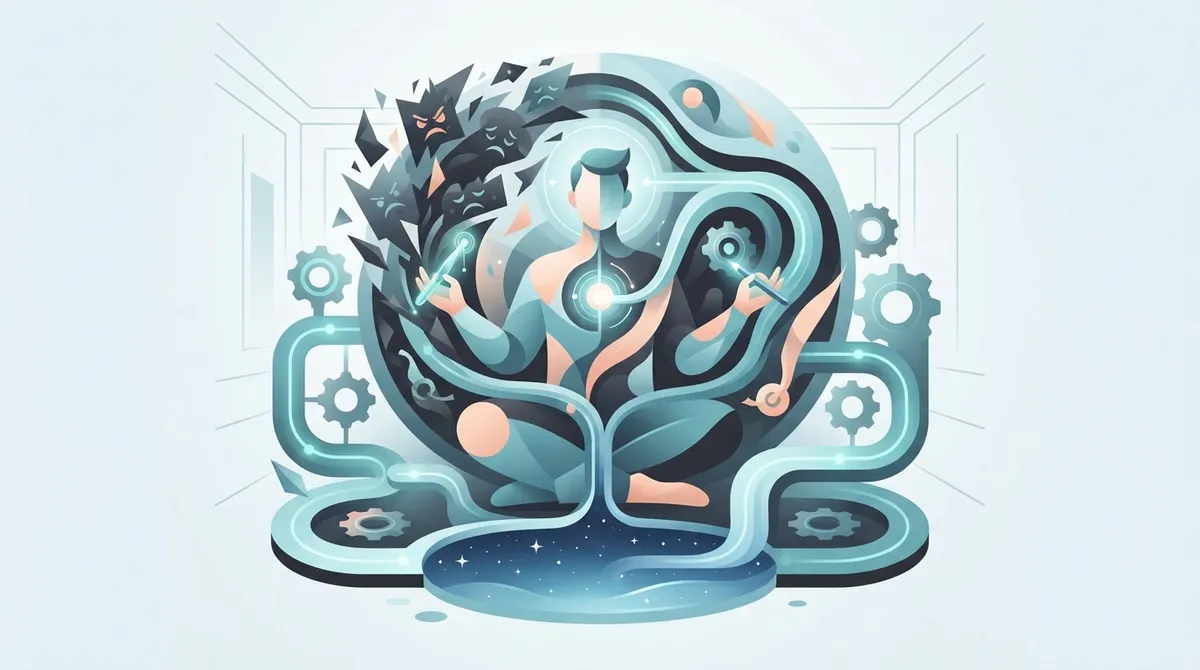
Emotions are not the enemy. They tell us important things about our lives. But when emotions become too intense, too fast, or too frequent, they can take over. This is called emotional dysregulation, and it can affect your relationships, your work, and your peace of mind.
People struggling with emotional regulation often notice these patterns:
- Reacting strongly before thinking things through
- Feeling emotionally “stuck” in sadness, anger, or fear
- Struggling to calm down once upset
- Pushing away people they care about during emotional moments
- Feeling emotionally numb or disconnected at other times
The good news? These patterns can change. DBT gives you real tools, not just ideas, to shift how you respond to tough emotions. A published clinical review notes that DBT directly targets emotion regulation skills, which sets it apart from therapies that touch on emotions in a less direct way.
5 Brandon DBT Skills for Better Emotional Regulation
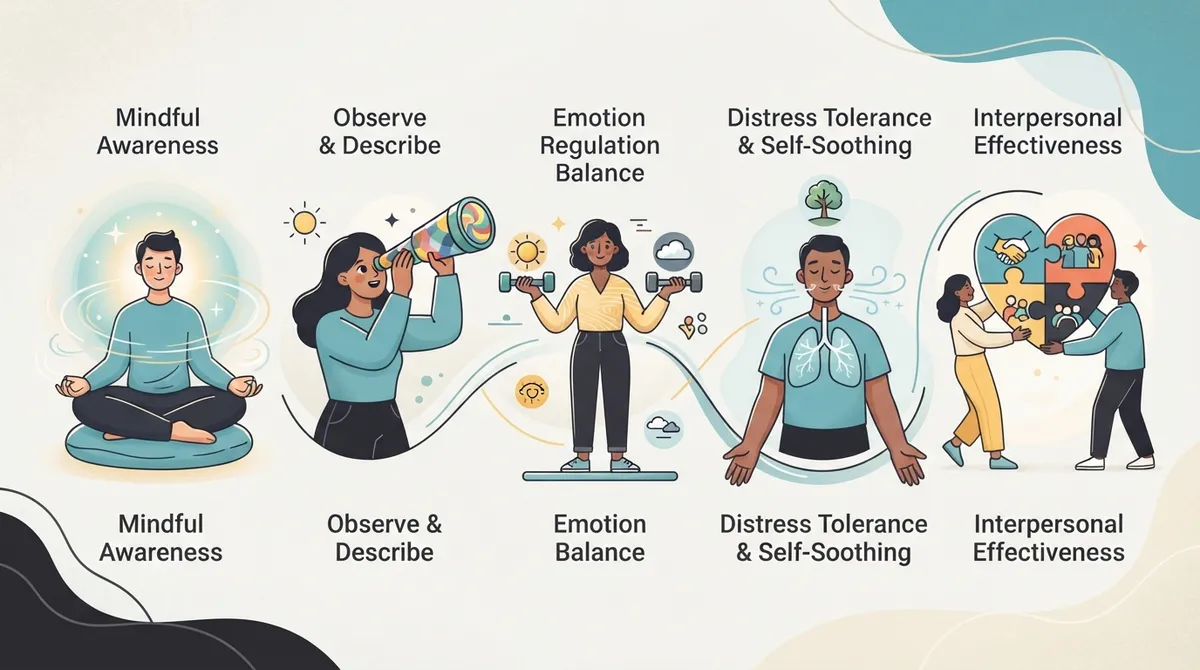
DBT is built around four skill areas: mindfulness, distress tolerance, emotion regulation, and interpersonal effectiveness. Within these areas, a few specific tools stand out as especially helpful for calming emotional storms. Here are five skills therapists in Brandon often teach clients working through mood issues.
1. Naming the Emotion
It sounds simple, but naming what you feel is powerful. Instead of just feeling “bad,” you learn to identify if it’s anger, shame, fear, or grief. This small pause creates space between the feeling and your reaction.
2. Check the Facts
This skill helps you ask, “Does my emotion actually fit the situation?” Sometimes our brain reacts to old wounds, not what’s happening right now. Checking the facts helps you respond to today, not yesterday’s pain.
3. Opposite Action
When an emotion is not helpful, like avoiding something you actually need to do out of fear, opposite action means doing the reverse of what that emotion urges you to do. This can gently retrain your brain over time.
4. Building Mastery
This means doing small things each day that make you feel capable and confident. It could be finishing a task, cooking a meal, or going for a short walk. These small wins build emotional resilience.
5. Coping Ahead
This skill means planning ahead for situations you know will be hard. You picture the tough moment and practice how you’ll use your skills before you’re even in it. It’s like a mental rehearsal for staying calm.
How DBT Compares to Other Therapy Approaches
Many people wonder how DBT is different from other types of therapy. Here’s a simple breakdown to help clear things up.
| Therapy Type | Main Focus | Best For |
|---|---|---|
| DBT | Emotion regulation, distress tolerance, mindfulness, relationships | Intense emotions, self-harm urges, mood swings, BPD |
| CBT | Changing unhelpful thoughts and behaviors | Anxiety, depression, negative thought patterns |
| ACT | Accepting emotions while taking value-driven action | Avoidance, anxiety, life transitions |
| Trauma-Focused Therapy | Processing past traumatic events | PTSD, childhood trauma, flashbacks |
Many clients benefit from a blend of these approaches. For example, someone working through trauma therapy may also use DBT skills to manage flashback-related emotions in the moment.
Who Benefits From DBT-Informed Care?
DBT was first built for people with borderline personality disorder, especially those dealing with self-harm or suicidal thoughts. But its reach has grown far beyond that original purpose. Today, DBT-informed treatment helps with many struggles, including:
- Chronic anxiety and worry
- Depression that feels hard to shake
- Trauma-related emotional swings
- Bipolar mood shifts
- Anger that feels hard to control
- Relationship conflict tied to big emotional reactions
A randomized controlled trial through the VA found that DBT worked better than standard treatment for reducing suicide attempts, emotional dysregulation, and psychiatric hospital stays. This kind of research shows why DBT has earned its strong reputation.
What a Typical DBT Journey Looks Like
Wondering what to expect if you start DBT-informed therapy in Brandon? Here is a general path many clients follow.
- Initial Consultation: You share your struggles and goals with your therapist.
- Skills Introduction: You start learning core DBT tools like mindfulness and distress tolerance.
- Practice in Real Life: You try skills outside of sessions and bring back what worked or didn’t.
- Deeper Emotion Work: You dig into emotion regulation skills like checking the facts and opposite action.
- Building Long-Term Habits: Skills become second nature, and you feel more confident handling life’s ups and downs.
This process is not a race. Everyone moves at their own pace, and that is completely okay.
Meet Margaret Deuerlein: A Caring Guide Through Emotional Struggles
Margaret Deuerlein understands how heavy emotional pain can feel. As a compassionate psychotherapist, she works with adults and teens across Brandon and beyond, helping them build real skills for managing anxiety, depression, trauma, and mood swings. You can learn more about Margaret Deuerlein and her approach to care.
Margaret believes therapy should feel like a safe partnership, not a lecture. Her warm, down-to-earth style helps clients feel comfortable opening up, even about the hardest parts of their emotional world. Whether you’re facing anxiety, depression, or relationship strain, she meets you where you are.
DBT for Different Life Stages
Emotional regulation struggles show up differently depending on your age and life situation. Here’s how DBT-informed care can help various groups.
For Stressed Adults Juggling Work and Life
If you’re constantly overwhelmed by work stress, family demands, or big life changes, DBT skills like coping ahead and building mastery can help you feel steadier day to day.
For Teens Facing School and Social Pressure
Adolescents often feel emotions in extremes. DBT gives teens simple, practical tools to handle school stress, friendship drama, and family conflict without feeling swept away. Parents can also learn how to support their teen through this process.
For Couples Struggling With Communication
When emotions run high, communication often breaks down. DBT skills can support couples therapy by helping partners pause, name their feelings, and respond instead of react.
Common Myths About DBT
There are a few misunderstandings about DBT that are worth clearing up.
- Myth: DBT is only for people with borderline personality disorder.
Truth: DBT skills help with anxiety, depression, trauma, and more. - Myth: DBT means suppressing your emotions.
Truth: DBT teaches you to understand and work with your emotions, not hide them. - Myth: DBT takes years to see results.
Truth: Many people notice small shifts within weeks of practicing new skills.
Getting Started With DBT-Informed Therapy in Brandon
If you’re ready to feel less controlled by your emotions, taking the first step matters more than doing it perfectly. Local therapy options include in-person sessions in the office, as well as telehealth therapy available throughout Florida. Bilingual support in English and Spanish is also available, making care more accessible for Spanish-speaking families in the area.
For extra support finding trusted local resources, you can also check Florida’s mental health program links, review options through Florida’s substance abuse and mental health services, or explore general guidance from the CDC’s mental health resources.
Curious what others say about their experience? You can visit us on Google — West Florida Therapy to read real reviews from clients who found support here.
Final Thoughts on Brandon DBT for Emotional Regulation
You deserve to feel steady, capable, and in control of your emotional world. Big feelings do not have to run your life. With practice, patience, and the right support, DBT skills can help you respond to hard moments with more calm and clarity.
Every person’s emotional journey looks different, and that is okay. Whether you’re managing anxiety, working through mental health struggles, or trying to strengthen a relationship, small steps add up to real change over time.
If you’re ready to build stronger emotional regulation skills with a caring, experienced guide by your side, now is a great time to reach out. Contact our team today to schedule your free 15-minute consultation and take that first brave step toward feeling more like yourself again.
FAQs
Q: What is DBT for emotional regulation?
A: DBT for emotional regulation is a set of practical skills that help you understand your emotions and respond to them in healthier ways. Instead of reacting on autopilot, you learn to pause, name what you feel, and choose a more helpful response. It’s one of the core skill areas taught in Dialectical Behavior Therapy.
Q: How does DBT help with emotional dysregulation?
A: DBT helps by giving you clear, step-by-step tools like checking the facts, opposite action, and coping ahead. These skills help slow down intense reactions so you can respond thoughtfully instead of feeling swept away. Over time, this builds real emotional resilience.
Q: Is DBT effective for anxiety, depression, or trauma?
A: Yes! While DBT was first created for borderline personality disorder, it’s now widely used for anxiety, depression, PTSD, and mood disorders too. Many people find the skills genuinely helpful for calming intense emotional reactions tied to these struggles.
Q: What is the difference between DBT and CBT?
A: CBT mainly focuses on changing unhelpful thought patterns, while DBT goes a step further by directly teaching emotion regulation, distress tolerance, and mindfulness skills. Many therapists blend both approaches depending on what a client needs most.
Q: How long does DBT treatment usually take?
A: It really depends on your goals and needs, but many people start noticing small shifts within a few weeks of consistent practice. Full DBT skills training programs often run several months, though DBT-informed therapy can be adapted to fit your personal pace.