

Key Takeaways
-
About 75% of people with major depression experience diurnal mood variation with symptoms peaking between 6 AM and 10 AM; understanding this pattern is the first step to addressing it.
-
Morning depression stems from circadian rhythm disruption caused by irregular sleep schedules, poor sleep quality, stress, or underlying conditions—identifying your specific triggers with a therapist is crucial.
-
Combine professional treatment (psychotherapy, medication if needed) with daily habits: consistent sleep schedule, sunlight exposure within 30 minutes of waking, gentle movement, and avoiding phone checks to reset your circadian rhythm.
-
Seek professional help if morning symptoms persist most days for two weeks or longer, affect your ability to work or care for responsibilities, or include thoughts of hopelessness or self-harm.
-
Morning depression often signals major depressive disorder or other underlying conditions, so professional assessment by a trained therapist is important to build an effective personalized treatment plan.
-
Small daily changes alone won't replace therapy, but starting with consistent sleep times, breakfast, exercise, and limiting alcohol can support professional treatment and ease morning symptoms.
Waking up feeling hopeless before your feet even hit the floor is exhausting. If mornings feel like the hardest part of your day, you are not alone, and you are not broken. Morning depression is a real pattern that many people experience, and there are gentle, proven ways to feel better. Let’s walk through what it is, why it happens, and what you can actually do about it.
At West Florida Therapy, we talk with clients across Florida every week who describe this exact struggle. Some are Spanish-speaking adults juggling family responsibilities. Others are stressed young professionals or teens dreading school. Whoever you are, your mornings can feel lighter with the right support and a few simple changes.

What Is Morning Depression, Really?
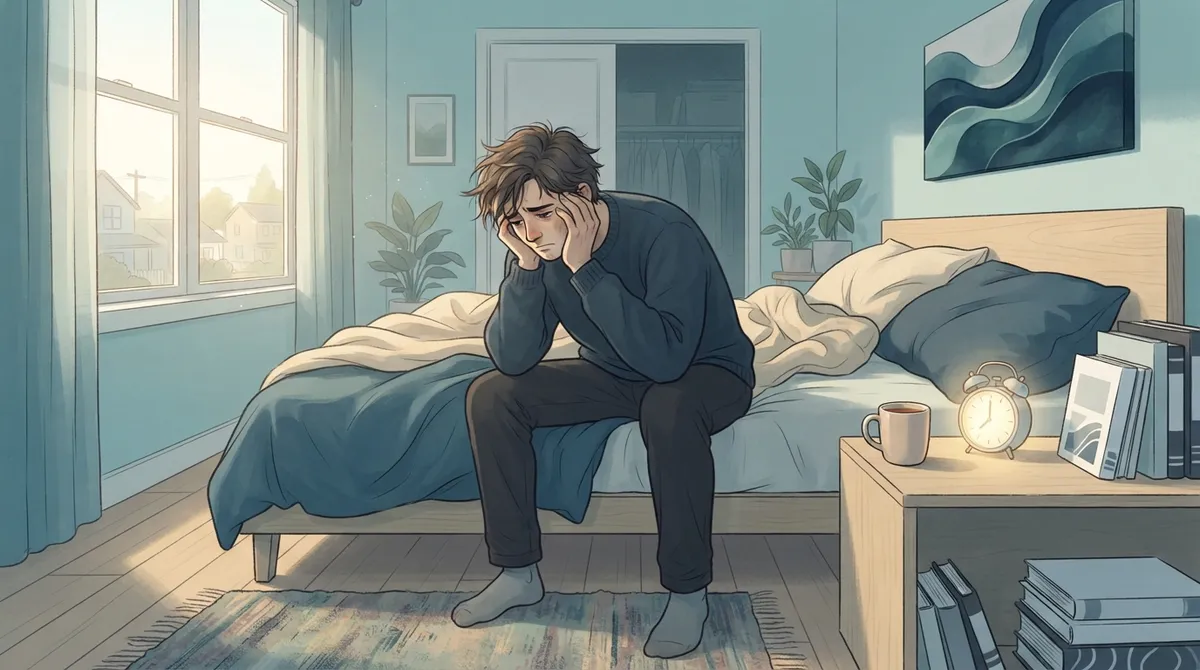
Morning depression is not an official diagnosis you will find in a medical textbook. Instead, experts call it diurnal mood variation. This simply means depression symptoms feel worse right after waking, then slowly improve as the day goes on.
It is a pattern, not a separate illness. But it is a pattern worth paying attention to, especially if it happens often. According to WebMD’s overview on morning depression, this pattern often shows up alongside major depressive disorder, though it can appear with other conditions too.
Common Signs of Morning Depression
People experiencing this pattern often notice a cluster of symptoms in the early hours. These symptoms tend to ease up as morning turns into afternoon.
- Low mood or a heavy, sad feeling right after waking
- Deep fatigue, even after a full night of sleep
- Irritability or a short temper before you have even had coffee
- A sense of hopelessness about the day ahead
- Trouble physically getting out of bed
- Reduced motivation to shower, eat, or start daily tasks
If several of these sound familiar, it might be time to talk with someone who understands. Our depression treatment services are built for exactly this kind of struggle.
Why Do Mornings Feel So Much Harder?
There is real science behind this pattern. Your body runs on an internal clock called the circadian rhythm. This clock controls hormones, sleep cycles, and even brain chemicals tied to mood.
When that rhythm gets disrupted, morning symptoms can spike. Researchers have found that about 75% of people with major depression experience this diurnal mood variation, with symptoms often peaking between 6 AM and 10 AM. That is a huge number of people quietly struggling before the day even starts.
Common Contributing Factors
Morning depression rarely has just one cause. It is usually a mix of biological, emotional, and lifestyle factors working together.
- Circadian rhythm disruption – irregular sleep schedules confuse your body’s internal clock.
- Sleep disturbances – insomnia or poor sleep quality can intensify morning symptoms.
- Underlying depression – major depressive disorder often includes this daily pattern.
- Chronic stress or trauma – ongoing stress keeps your nervous system on high alert.
- Alcohol or substance use – these can interfere with restorative sleep and mood balance.
- Physical illness or medication side effects – some conditions and prescriptions affect morning energy and mood.
Understanding your own triggers is a huge first step. Many clients find it helpful to explore mood issues more deeply with a licensed therapist who can help connect the dots.
Is Morning Depression a Sign of Something Bigger?
Sometimes yes, sometimes no. Morning depression can happen on its own during a particularly stressful season of life. But it can also be a signal of major depressive disorder or another underlying condition.
This is why professional assessment matters so much. A trained therapist can look at the whole picture, not just the morning symptoms in isolation.
What a Mental Health Assessment Typically Covers
When you meet with a therapist about morning depression, expect a thoughtful, caring conversation. Nothing scary, just honest questions designed to understand you better.
- How severe your symptoms feel and how long they have lasted
- Your sleep patterns, including bedtime, wake time, and sleep quality
- How symptoms affect your work, school, or relationships
- Any thoughts of self-harm or suicide, addressed with care and compassion
- Other factors like substance use, trauma history, or medical conditions
This process helps your therapist build a plan that actually fits your life. Margaret Deuerlein, a caring psychotherapist at West Florida Therapy, often reminds clients that asking for help is a sign of strength, not weakness. She has walked alongside many individuals and couples through exactly this kind of morning struggle.
How Is Morning Depression Treated?
Good news: this pattern responds well to treatment. Most plans combine a few different approaches, tailored to your specific needs.
| Treatment Approach | What It Involves | Why It Helps |
|---|---|---|
| Psychotherapy | Talk therapy such as CBT or interpersonal therapy | Addresses thought patterns and emotional triggers |
| Sleep improvement strategies | Consistent sleep schedule, better sleep hygiene | Helps reset the circadian rhythm |
| Medication (when appropriate) | Prescribed and monitored by a medical provider | Can help balance brain chemistry |
| Treating underlying conditions | Managing insomnia, trauma, or medical issues | Removes root causes fueling morning symptoms |
Therapy modalities like EMDR treatment can also help if trauma is part of the picture. And if anxiety tends to show up alongside your depression, our anxiety treatment services can address both together.
Simple Steps You Can Start Today
While professional support makes the biggest difference, small daily habits can ease morning symptoms too. Try adding these into your routine one at a time.
- Go to bed and wake up at the same time every day, even on weekends.
- Get sunlight or bright light within 30 minutes of waking up.
- Avoid checking your phone the moment you open your eyes.
- Move your body gently, even just stretching or a short walk.
- Eat something nourishing instead of skipping breakfast entirely.
- Limit alcohol, especially in the evening hours.
These steps will not replace therapy, but they can support the work you do with a professional. Learn more about how depression affects your daily life for a deeper understanding of the bigger picture.
Who Struggles With Morning Depression Most?
Morning depression does not discriminate. It shows up across ages, backgrounds, and life stages. Here is a quick look at some common groups we see at our practice.
- Busy adults juggling work stress, financial pressure, or major life transitions
- Teenagers dreading school due to social anxiety or academic pressure
- Young adults feeling isolated or overwhelmed after big life changes
- Couples whose relationship strain adds to daily emotional exhaustion
- Women managing hormonal shifts alongside mental health challenges
- Spanish-speaking individuals who need care in their preferred language
Whatever your situation, bilingual support is available. West Florida Therapy offers services in both English and Spanish, so language never has to be a barrier to getting help.
When Should You Seek Professional Help?
Not every rough morning means you need therapy. But certain signs suggest it is time to reach out for support.
- Morning symptoms happen most days for two weeks or longer
- Your ability to work, study, or care for family is affected
- You notice thoughts of hopelessness that will not go away
- Sleep problems keep getting worse despite your efforts
- You have any thoughts of self-harm or suicide
If you are ever in crisis, please reach out immediately. In the United States, you can call or text 988 to reach the 988 Suicide & Crisis Lifeline. This service is free, confidential, and available anytime, day or night.
For general mental health resources, the Mental Health Resources page from the CDC offers helpful guidance. Florida residents can also explore Mental Health Links through the state health department, and Substance Abuse & Mental Health services through the Florida Department of Children and Families.
How West Florida Therapy Can Support You
You deserve mornings that feel a little lighter. Whether you are dealing with morning depression on its own or alongside anxiety, trauma, or relationship stress, support is available close to home.
We offer both telehealth therapy across Florida and in-person sessions at our Brandon office. This flexibility means you can get care that fits your schedule and comfort level, no matter where you live in the state.
If relationship stress is adding to your morning struggles, our couples therapy services can help you and your partner work through conflict together. And if past trauma is part of your story, our trauma therapy program offers a safe space to heal.
Margaret Deuerlein leads our practice with warmth, patience, and genuine care for every client who walks through the door. You can learn more about her approach on our About Margaret Deuerlein page. Curious what other clients have experienced? Feel free to visit us on Google — West Florida Therapy to read real reviews from our community.
What Our Process Looks Like
Getting started is simple and never overwhelming. Here is what you can expect when you reach out.
- A brief phone consultation to talk through your concerns and goals
- A personalized treatment plan built around your specific needs
- Consistent weekly or bi-weekly sessions, in person or virtually
- Ongoing check-ins to track progress and adjust your plan as needed
Learn more about what to expect during our process before your first appointment. We also offer flexible payment options, including out-of-pocket rates and coverage through major insurance providers like Aetna, Cigna, Florida Blue, Optum, Oscar, and United Health Care.
You Do Not Have to Face Mornings Alone
Morning depression can feel isolating, but it is more common than you think, and it is very treatable. With the right support, those heavy mornings can start to feel lighter, one day at a time.
If you are ready to talk to someone who understands, our team is here for you. Reach out to our team today to schedule your free 15-minute consultation and take that first courageous step toward feeling better.
FAQs
Q: What is morning depression?
A: Morning depression describes depressive symptoms that feel worse right after waking, then ease up as the day goes on. It is not a separate diagnosis, but a pattern experts call diurnal mood variation, and it is something we help clients work through every day.
Q: Is morning depression a real diagnosis?
A: Not exactly, but the feelings behind it are very real. It is best understood as a symptom pattern that often shows up with major depressive disorder, sleep problems, or other underlying conditions, and it deserves the same care and attention as any other mental health concern.
Q: Why do I feel more depressed in the morning?
A: It often comes down to your circadian rhythm, the internal clock that manages sleep, hormones, and mood. When this rhythm gets disrupted by stress, poor sleep, or other factors, symptoms tend to peak in the early morning hours, sometimes between 6 AM and 10 AM.
Q: How is morning depression treated?
A: Treatment usually combines psychotherapy, better sleep habits, and sometimes medication, depending on what is driving your symptoms. Our team at West Florida Therapy creates a personalized plan, because what works beautifully for one person may not fit another.
Q: When should I seek help for morning depression?
A: If your mornings feel heavy most days for two weeks or longer, or if daily life feels hard to manage, it is a good time to reach out. And if you ever have thoughts of self-harm, please call or text 988 right away for immediate, caring support.