
Key Takeaways
-
Agitated depression combines persistent sadness with intense restlessness and irritability, affecting over 21 million U.S. adults yearly; it’s often misdiagnosed as anger or anxiety due to its atypical presentation.
-
A combination of antidepressants (SSRIs) with mood stabilizers or atypical antipsychotics like quetiapine is more effective than antidepressants alone for treating agitated depression.
-
Cognitive-behavioral therapy (CBT) and dialectical behavior therapy (DBT) are cornerstone treatments that teach practical skills to challenge negative thought patterns and regulate intense emotions.
-
Regular exercise, consistent sleep routines, mindfulness techniques, and limiting caffeine/alcohol significantly support recovery and reduce both depressive symptoms and restlessness.
-
Early intervention is critical; seeking professional evaluation after two weeks of symptoms leads to better outcomes than waiting until symptoms become severe.
-
Agitated depression can signal early bipolar disorder, making professional assessment essential to distinguish it from anxiety disorders or other mood conditions requiring different treatment approaches.
Have you ever felt deeply sad but also restless, irritable, and unable to sit still? That combination can feel confusing and exhausting. You might wonder why your depression doesn’t look like what you’ve seen described online or in movies. The truth is, depression doesn’t always show up as quiet sadness. For many people, it comes with a fire underneath — a constant, uncomfortable energy that won’t let them rest. This is called agitated depression, and it’s more common than most people realize.
Understanding agitated depression is the first step toward getting the right help. According to the National Institute of Mental Health, depression affects over 21 million U.S. adults every year. A significant portion of those people experience the agitated subtype. Whether you’re a teenager overwhelmed by school pressures, a young adult navigating life changes, or someone who has struggled for years — knowing what’s happening in your mind and body is powerful. Let’s walk through everything you need to know about recognizing, understanding, and treating agitated depression.
What Is Agitated Depression?
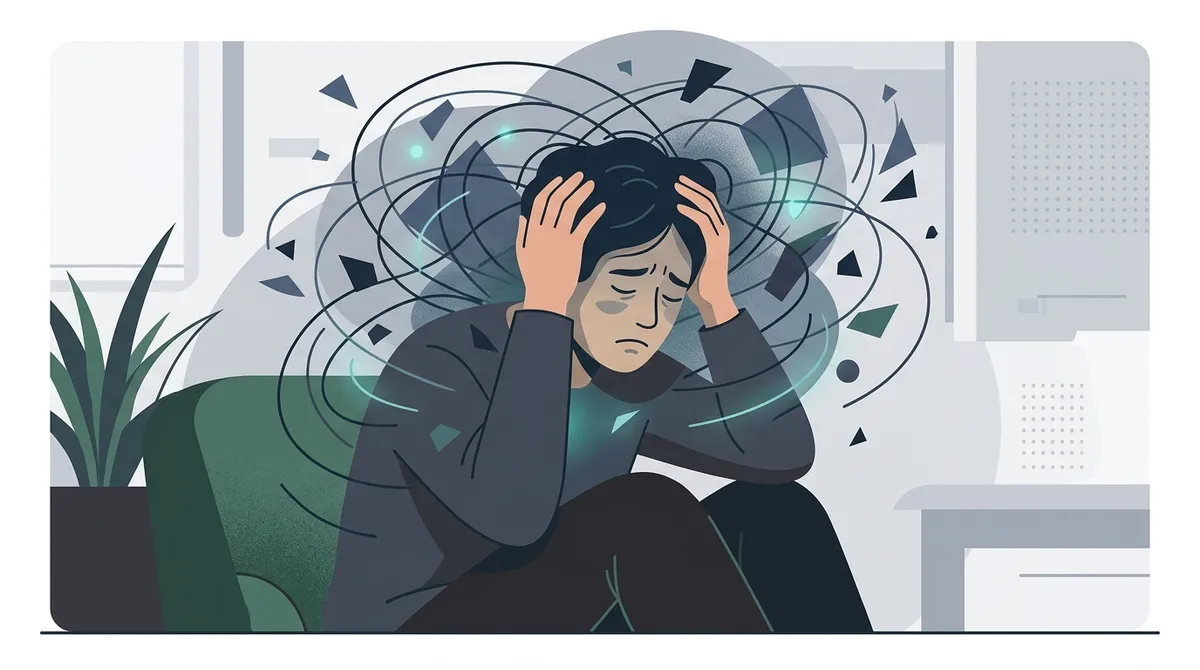
Agitated depression is a form of major depressive disorder (MDD). It includes the usual symptoms of depression — like persistent sadness, low energy, and hopelessness — but adds a layer of intense restlessness and irritability. Instead of feeling slowed down, people with agitated depression feel wound up and on edge. It’s like having a storm inside while feeling completely drained at the same time.
It’s important to know that agitated depression is not a separate diagnosis on its own. It’s a specific presentation of MDD. Sometimes, it can also be a sign of bipolar disorder or another mood condition. That’s why getting a proper professional assessment matters so much. You can learn more about how mood issues affect daily life and what treatment options can help.
How Agitated Depression Differs From Regular Depression
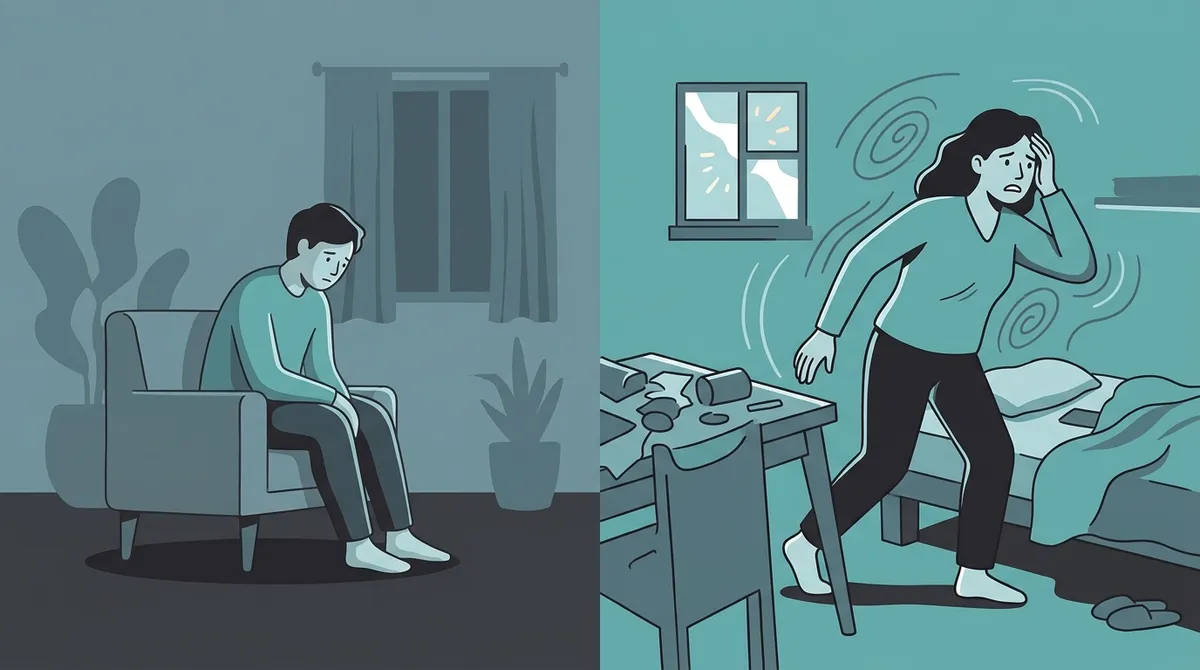
Most people picture depression as someone staying in bed all day, moving slowly, and feeling numb. That picture is real — but it’s not the whole story. Agitated depression flips some of those signs around in ways that can be surprising.
Here’s a simple side-by-side comparison to help you see the differences clearly:
| Feature | Typical Depression | Agitated Depression |
|---|---|---|
| Mood | Sadness, emptiness | Sadness plus irritability |
| Energy | Low, sluggish | Restless, wound up |
| Movement | Slowed down (psychomotor retardation) | Pacing, fidgeting (psychomotor agitation) |
| Emotional tone | Flat, withdrawn | Explosive, on edge |
| Sleep | Oversleeping or insomnia | Often disturbed, can’t wind down |
| Outbursts | Rare | More frequent |
Because agitated depression looks so different from what people expect, it often gets misunderstood. People around you might think you’re just angry or difficult. You might even think the same thing about yourself. But what you’re experiencing is a real mental health condition that deserves real support. If you’re curious about the bigger picture, our article on what depression is and how it affects your daily life goes deeper into these patterns.
Common Symptoms of Agitated Depression
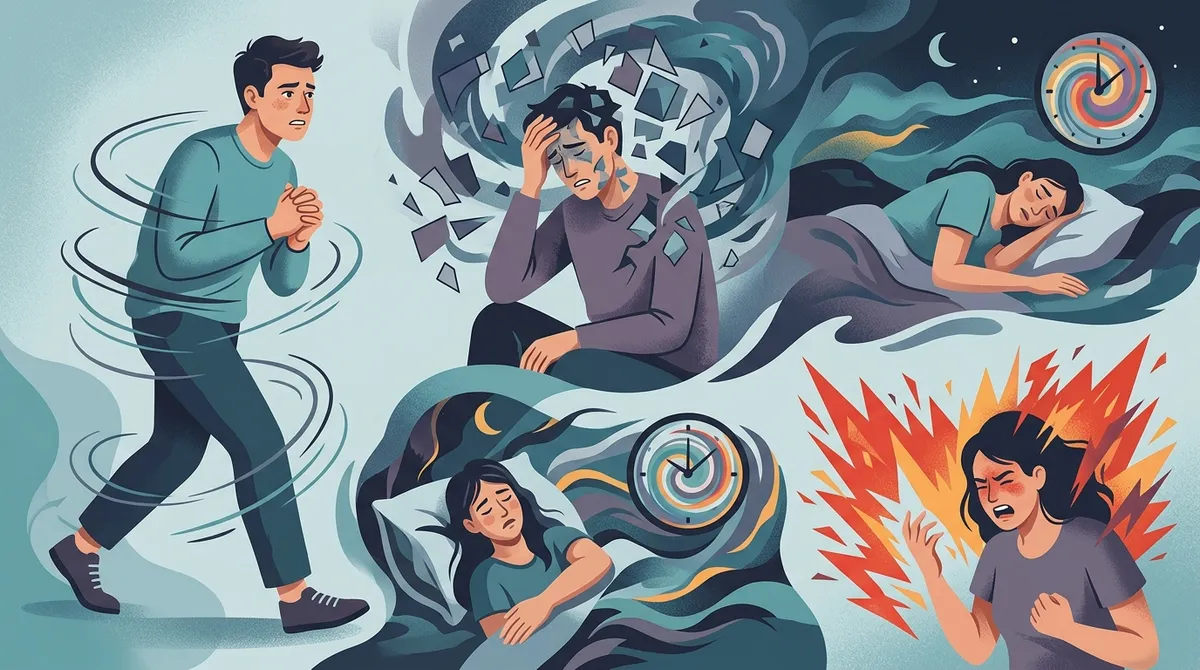
Recognizing the symptoms is the first step toward getting better. Agitated depression brings together two categories of symptoms: depressive symptoms and agitation symptoms. Together, they can make daily life feel incredibly hard to manage.
Depressive Symptoms
- Persistent sadness or low mood most of the day
- Feeling hopeless or worthless
- Loss of interest in things you used to enjoy
- Difficulty concentrating or making decisions
- Changes in appetite and weight
- Sleep problems — either too much or too little
- Thoughts of death or self-harm
Agitation Symptoms
- Constant restlessness and inability to sit still
- Pacing back and forth
- Fidgeting, wringing hands, or pulling at clothing
- Irritability and sudden outbursts of anger
- Racing thoughts that won’t slow down
- Feeling like your skin is crawling
- Talking rapidly or excessively
If several of these symptoms sound familiar, please know you’re not alone — and you’re not broken. This combination can feel overwhelming, but it is absolutely treatable. Checking in with mental health professionals who understand this presentation can make all the difference.
What Causes Agitated Depression?
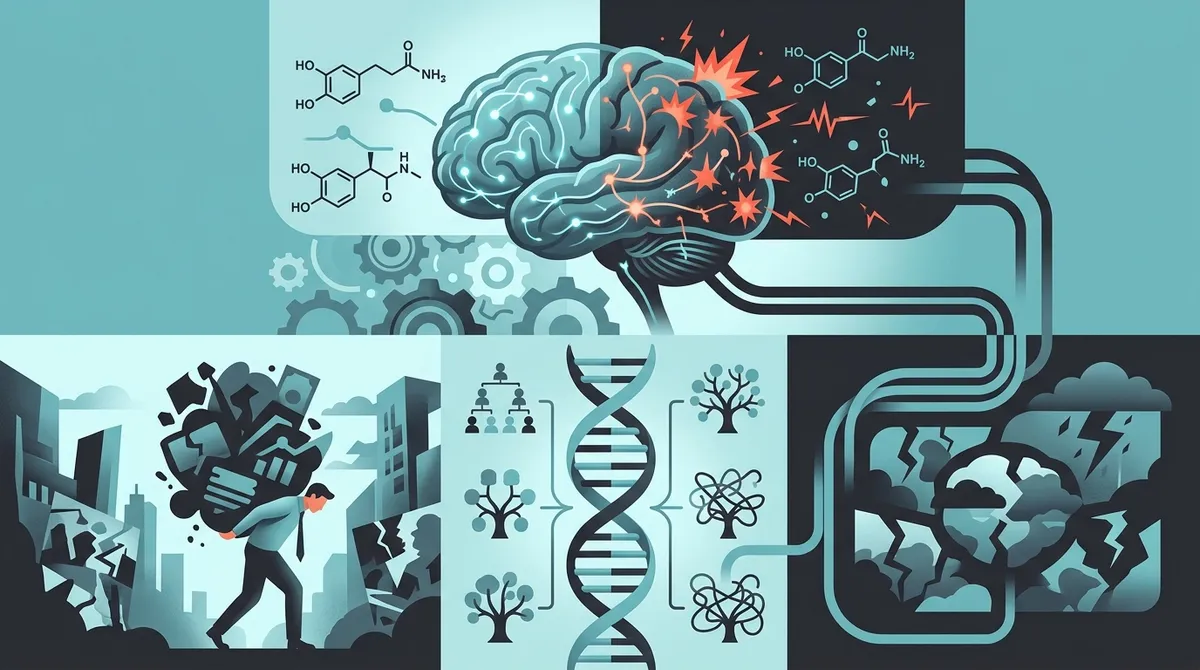
Like most mental health conditions, agitated depression doesn’t have a single cause. It usually comes from a mix of factors working together. Understanding these causes can help reduce the shame and self-blame that so many people feel.
- Biological factors: Brain chemistry and genetics play a big role. Imbalances in serotonin, dopamine, and norepinephrine can contribute to both depression and agitation.
- Life stress and trauma: Major stressors — like loss, relationship problems, work pressure, or past trauma — can trigger or worsen agitated depression. Our trauma therapy services help people process these difficult experiences.
- Hormonal changes: Shifts in hormones, especially during puberty, postpartum periods, or menopause, can increase vulnerability to this type of depression.
- Other mental health conditions: Anxiety disorders, bipolar disorder, and personality disorders can overlap with agitated depression, making accurate diagnosis important.
- Medication or substance effects: Certain medications or substance use can contribute to agitation symptoms alongside depression.
It’s also worth noting that agitated depression may signal an early phase of bipolar disorder. A mental health professional can assess whether mood cycling is involved. If you’d like to learn more, our article on navigating bipolar depression treatment offers helpful information.
How Mental Health Professionals Diagnose Agitated Depression
Getting the right diagnosis is crucial. Because agitated depression can look like anxiety, bipolar disorder, or even personality disorders, a thorough evaluation is needed. A qualified therapist or psychiatrist will look at your full history, symptoms, and how they affect your daily life.
During an assessment, a mental health professional might ask about:
- How long your symptoms have been present
- Whether you have periods of unusually high energy or mood
- Your sleep patterns and appetite changes
- Your family history of mental health conditions
- Any recent stressors or life changes
- Whether you’ve had similar episodes before
This kind of careful, personalized assessment is exactly what you’ll find at West Florida Therapy. Margaret Deuerlein is a caring and experienced psychotherapist who takes time to truly understand each person’s unique experience. You can also learn about the therapy process so you know exactly what to expect from your first session onward.
Step-by-Step Guide to Treating Agitated Depression
The good news is that agitated depression responds well to treatment. Most people see real improvement with the right combination of therapies. Here is a step-by-step look at how treatment typically works.
Step 1: Seek a Professional Evaluation
The most important first step is reaching out to a licensed mental health professional. Don’t try to diagnose yourself based on what you read online. A proper evaluation will determine whether you’re dealing with agitated depression, bipolar disorder, an anxiety disorder, or a combination of conditions. You can start by reaching out to schedule a consultation today.
Step 2: Explore Medication Options
Your doctor or psychiatrist may recommend medication to help manage both depressive and agitation symptoms. Common approaches include:
- Antidepressants: SSRIs like sertraline or fluoxetine are often a starting point for treating the depressive core.
- Mood stabilizers: These help reduce the swings and intensity of agitation alongside depression.
- Atypical antipsychotics: Medications like quetiapine have shown effectiveness. A 2008 study found that combining antidepressants with quetiapine worked better than antidepressants alone for agitated depression.
- Anti-anxiety medications: Short-term use of anti-anxiety medications can help manage acute agitation while other treatments take effect.
Always work closely with your prescribing doctor. Never stop or change medications on your own without guidance.
Step 3: Engage in Psychotherapy
Therapy is a cornerstone of treating agitated depression. Different approaches target different parts of the experience. Here are the most effective options:
- Cognitive-Behavioral Therapy (CBT): CBT helps you identify the thought patterns that fuel both depression and agitation. You learn practical skills to challenge negative thoughts and respond differently to triggers. Our guide on what cognitive behavioral therapy is explains this in detail.
- Dialectical Behavior Therapy (DBT): DBT is especially helpful for managing intense emotions and impulsive reactions. It teaches mindfulness, distress tolerance, and emotional regulation skills. Learn more about using DBT for better mental health.
- Interpersonal Therapy (IPT): IPT focuses on improving relationships and communication patterns that may be worsening your depression. Research shows it’s effective for depression recovery. See 9 ways interpersonal therapy for depression changes lives.
At West Florida Therapy, sessions are available both in-person in Brandon, Florida and via telehealth throughout all of Florida. Bilingual services in English and Spanish are also available — because everyone deserves care in the language they feel most comfortable in. Telehealth therapy in Florida makes it easy to access support from anywhere.
Step 4: Add Lifestyle Supports
Therapy and medication work best when paired with healthy lifestyle changes. These aren’t replacements for professional treatment — but they powerfully support your recovery.
- Regular exercise: Physical activity is one of the most effective mood boosters available. Even a 20-minute daily walk can reduce both depression and restlessness.
- Consistent sleep routine: Going to bed and waking up at the same time every day helps regulate your brain chemistry.
- Mindfulness and relaxation techniques: Deep breathing, progressive muscle relaxation, and meditation can calm the nervous system. Try our resource on how to use meditation for stress and anxiety relief.
- Social connection: Isolation makes depression worse. Staying connected to trusted friends or family members provides emotional support.
- Limiting alcohol and caffeine: Both substances can worsen agitation and disrupt sleep quality.
Step 5: Use Crisis Resources When Needed
If your symptoms become severe or you have thoughts of harming yourself, please reach out for help immediately. SAMHSA’s National Helpline (1-800-662-HELP) is available 24 hours a day, 7 days a week. You can also access helpful Mental Health Resources from the CDC for immediate guidance. Florida residents can also explore Substance Abuse & Mental Health services available through the state. Additional community resources can be found through Mental Health Links provided by the Florida Department of Health.
How to Support Someone With Agitated Depression
If someone you love is experiencing agitated depression, you might feel confused or even hurt by their irritability. Understanding what they’re going through makes it easier to show up for them.
- Stay calm during their outbursts — they’re not really about you
- Avoid telling them to “just relax” or “calm down” — it rarely helps
- Encourage them gently to seek professional support
- Offer to help them find a therapist or attend a first appointment with them
- Take care of your own mental health too — caregiver burnout is real
Remember, supporting someone through depression is a marathon, not a sprint. Your patience and presence matter more than having the perfect words. For couples navigating this together, couples therapy can be a valuable space to rebuild connection and understanding during difficult times.
When to Reach Out for Professional Help
Many people wait too long before seeking help. Early intervention leads to better outcomes. Here are clear signs that it’s time to reach out to a mental health professional:
- Your restlessness and sadness have lasted more than two weeks
- Your work, school, or relationships are being significantly impacted
- You’re having trouble sleeping, eating, or concentrating on basic tasks
- You’re having thoughts of self-harm or suicide
- You feel like you can’t control your emotions or actions
You don’t have to hit rock bottom before asking for support. Reaching out early is a sign of wisdom and strength — not weakness. Margaret Deuerlein at West Florida Therapy is here to help you find your footing with compassion and expert care. You can visit us on Google — West Florida Therapy to read reviews and learn more about what others have experienced in their healing journey.
Conclusion
Agitated depression is real, it is valid, and it is treatable. You are not “too much” or “too difficult” — you are a person who deserves understanding and the right kind of care. Whether you’re feeling that restless inner fire for the first time or you’ve been carrying it for years, there is a path forward. With the right blend of therapy, possible medication, and lifestyle support, meaningful relief is within reach.
At West Florida Therapy, we believe that healing starts with one courageous step. Margaret Deuerlein offers warm, personalized care for adults and adolescents — in English and Spanish — both in-person in Brandon, Florida and via telehealth throughout the state. You can also explore depression treatment options tailored to your needs. Don’t wait another day to get the support you deserve.
Ready to take that first step? Get in touch with our team today — we offer a free 15-minute consultation so you can see if we’re the right fit for you.
FAQs
Q: What are the main symptoms of agitated depression?
A: Agitated depression combines classic depression symptoms — like sadness, hopelessness, and sleep problems — with restlessness, irritability, pacing, fidgeting, and emotional outbursts. It can feel like being sad and wound up at the same time, which is confusing but very real. If this sounds familiar, a mental health professional can help you figure out what’s going on.
Q: How is agitated depression different from regular depression?
A: Regular depression often involves slowed movement, low energy, and emotional numbness. Agitated depression adds a layer of intense restlessness, irritability, and sometimes angry outbursts on top of those depressive feelings. Think of it as depression with an uncomfortable, internal motor running constantly — and that’s what makes it feel so exhausting.
Q: Is cognitive behavioral therapy effective for agitated depression?
A: Yes! Cognitive behavioral therapy (CBT) is one of the most well-researched treatments for agitated depression. It helps you identify the thought patterns that fuel both sadness and restlessness, and teaches you practical skills to respond differently. Many people notice meaningful improvement in their mood and agitation levels within just a few weeks of consistent therapy.
Q: Can agitated depression be managed without medication?
A: Some people manage agitated depression primarily through therapy and lifestyle changes, while others benefit from a combination of therapy and medication. The best approach really depends on the severity of your symptoms and what works for your unique situation. A licensed therapist or psychiatrist can help you explore all your options and build a plan that feels right for you.
Q: When should I seek professional help for agitated depression symptoms?
A: You should reach out for help if your symptoms have lasted more than two weeks, are interfering with your work, school, or relationships, or if you’re having any thoughts of self-harm. But honestly, you don’t need to wait until things feel unbearable — reaching out early is always a smart and courageous choice. Help is available, and you deserve to feel better.