Key Takeaways
-
CBT helps identify and challenge automatic thoughts fueling anger, allowing you to recognize triggers before escalation and replace unhelpful thinking with balanced perspectives.
-
Unmanaged anger causes physical health problems like high blood pressure and sleep issues, plus damages relationships and work performance—therapy teaches you to respond rather than react.
-
DBT’s four core skills (mindfulness, distress tolerance, emotional regulation, interpersonal effectiveness) are especially effective for people whose anger feels overwhelming or comes unexpectedly.
-
EMDR therapy addresses trauma-related anger by helping your brain process past traumatic memories, reducing the emotional charge that surfaces as present-day anger.
-
Most providers recommend minimum 12 sessions for lasting results, with a structured approach: assessment, skill-building, deep processing, and real-life integration.
-
Virtual and in-person therapy options with bilingual English-Spanish services make anger management accessible for busy adults, teens, and those facing language barriers.
Anger is a normal human emotion. But when it starts controlling your life, your relationships, or your job, it becomes a problem worth addressing. If you live in or near Brandon, Florida, and you find yourself exploding over small things, feeling a constant slow burn, or pushing people away because of your temper, Brandon anger management therapy may be exactly what you need.
The good news? You don’t have to white-knuckle your way through this alone. Licensed therapists in the Brandon area — including the caring team at West Florida Therapy’s in-person location in Brandon, Florida — use proven, evidence-based approaches to help you understand your anger, manage it effectively, and rebuild the connections that matter most. Let’s walk through six powerful therapy approaches that really work.
Why Anger Management Therapy Matters
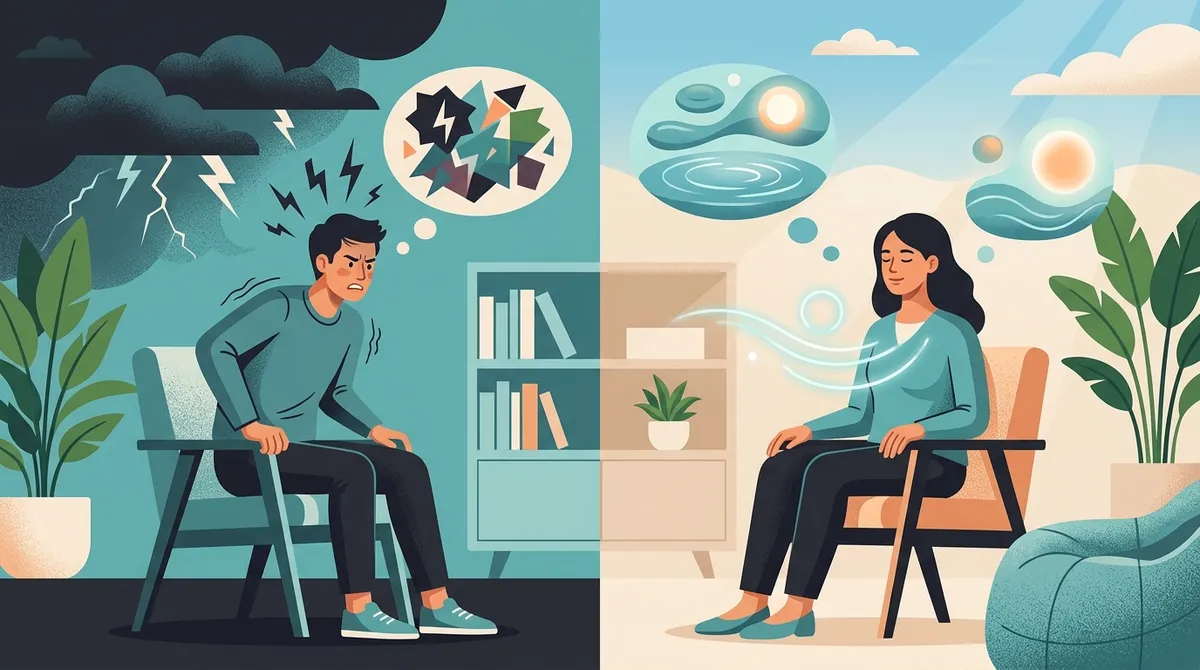
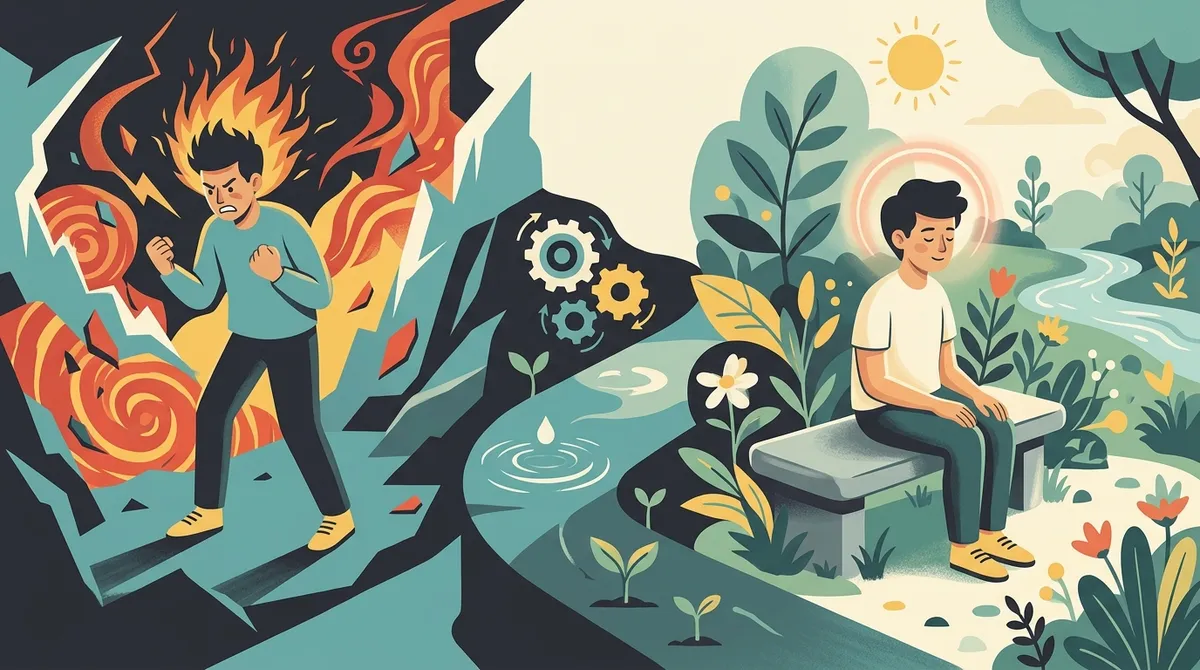
Unmanaged anger doesn’t just hurt your relationships. It affects your physical health, your mental well-being, and your quality of life. Chronic anger has been linked to high blood pressure, sleep problems, and anxiety. It can damage friendships, strain partnerships, and create chaos at work.
Understanding why anger controls your actions more than you think is the first step toward real change. Therapy gives you the tools to respond rather than react — and that difference changes everything.
According to Mental Health Resources from the CDC, mental health treatment — including anger management — significantly improves daily functioning and overall well-being for people of all ages.
Who Can Benefit from Anger Management Therapy in Brandon?
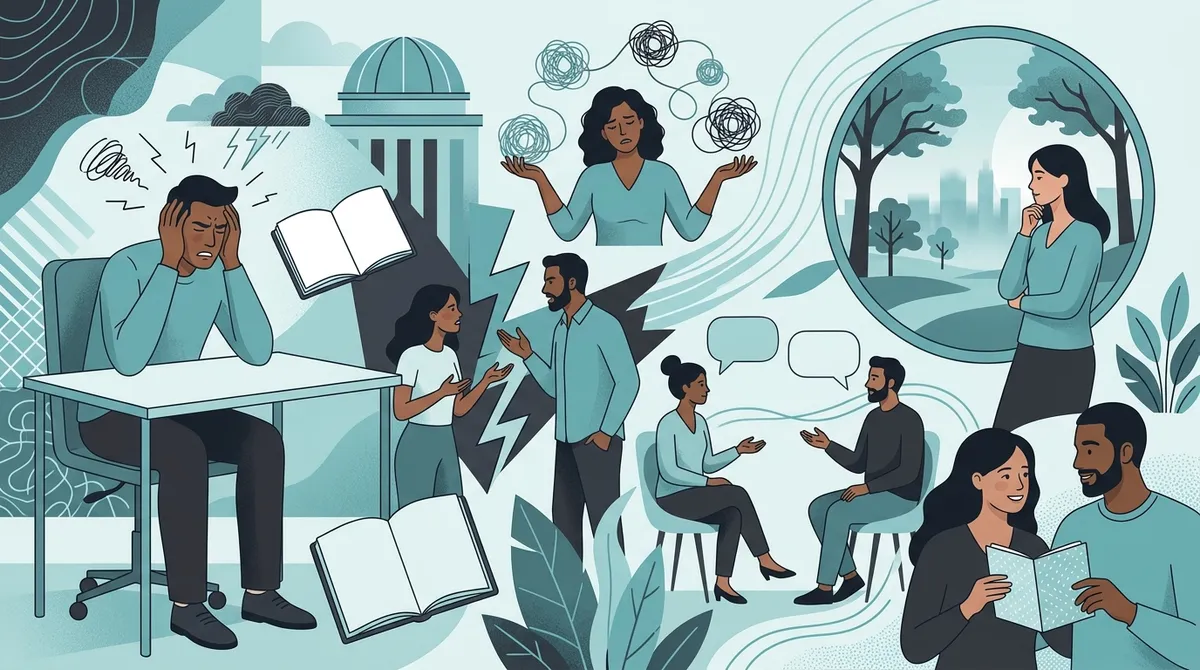
Anger management therapy isn’t just for people with explosive tempers. It’s also helpful for people who:
- Hold anger in and feel resentful or bitter
- Snap at loved ones over small frustrations
- Struggle with road rage or workplace conflict
- Are court-mandated to complete an anger management program
- Have noticed their anger damaging important relationships
- Experience anxiety or depression connected to unresolved anger
- Are teens or young adults struggling with emotional outbursts
Whether you’re a stressed millennial juggling career pressures, a teenager dealing with school stress, or a couple caught in a cycle of conflict, therapy can help. You can also explore mood dysregulation support if your anger feels tied to broader emotional patterns.

6 Effective Approaches Used in Brandon Anger Management Therapy
1. Cognitive Behavioral Therapy (CBT)
CBT is one of the most widely used and well-researched approaches for anger management. It works by helping you identify the thought patterns that fuel your anger. Often, our thinking distorts reality — we catastrophize, assume the worst, or take things personally when we shouldn’t.
In CBT-based anger management therapy, you learn to:
- Recognize your anger triggers before they escalate
- Challenge the automatic thoughts that feed the fire
- Replace unhelpful thinking with more balanced perspectives
- Practice new ways of responding in heated moments
If you’re curious about how this works in more depth, check out this guide on what CBT is and how it helps. It’s a fantastic starting point for understanding this powerful approach.
2. Dialectical Behavior Therapy (DBT)
DBT was originally developed to help people with intense emotional experiences. It’s now widely used in anger management because it directly addresses emotional regulation — the ability to manage strong feelings without acting out.
DBT teaches four core skill sets:
- Mindfulness — staying present and aware in the moment
- Distress tolerance — coping with crisis without making things worse
- Emotional regulation — understanding and managing intense emotions
- Interpersonal effectiveness — communicating assertively and respectfully
Want to explore how DBT can specifically support your emotional health? Read more about using DBT for better mental health and emotional balance. DBT is especially helpful for people who feel like their anger comes out of nowhere or feels completely overwhelming.
3. EMDR for Trauma-Related Anger
Sometimes, anger isn’t really about what’s happening right now. It’s a response to unresolved trauma from the past. If you experienced difficult events in childhood, past relationships, or other painful situations, those wounds can surface as anger — even years later.
EMDR (Eye Movement Desensitization and Reprocessing) is a specialized therapy that helps the brain process traumatic memories. When those memories are no longer stored in a distressing way, the emotional charge — including anger — begins to lessen.
If you think trauma may be at the root of your anger, learning more about EMDR treatment is a great next step. You might also find it helpful to read about how to recognize and heal from psychological trauma.
4. Mindfulness-Based Therapy
Mindfulness is the practice of paying attention to the present moment — without judgment. It sounds simple, but it’s incredibly powerful for anger management. When you’re mindful, you create a small but vital gap between your trigger and your reaction. That gap is where choice lives.
Mindfulness-based approaches in therapy teach you to:
- Notice physical signs of anger (tight chest, clenched jaw) early
- Pause and breathe before responding
- Observe your thoughts and feelings without being swept away by them
Research consistently shows that mindfulness reduces both the frequency and intensity of angry outbursts. Explore 10 mindfulness techniques that transform mental health in 2026 for practical tools you can start using today.
5. Couples Therapy for Anger in Relationships
When anger becomes a pattern in a relationship, it creates a cycle that’s hard to break alone. One partner lashes out. The other withdraws or escalates. Nobody feels heard. The cycle repeats.
Couples therapy provides a safe, structured space to break that pattern. A skilled therapist helps both partners understand each other’s triggers, improve communication, and build healthier ways of handling conflict. If you’ve been wondering whether couples therapy can help, you might also enjoy reading about 12 ways couples therapy can transform your relationship.
Anger in relationships often ties into deeper issues like relationship and communication challenges and even conflict resolution skills that can be developed with the right support.
6. Individual Therapy with a Focus on Emotional Regulation
Individual therapy gives you one-on-one time to explore the deeper roots of your anger in a private, nonjudgmental setting. This is especially helpful for people who feel shame about their anger or who aren’t ready to explore these issues in a group setting.
A therapist like Margaret Deuerlein, a licensed and caring psychotherapist at West Florida Therapy, can help you work through underlying mood issues, past hurts, and current stressors that feed your anger. Individual therapy allows the treatment plan to be completely tailored to your unique story and needs.
You can learn more about the wide range of services available at West Florida Therapy to find the right fit for you.
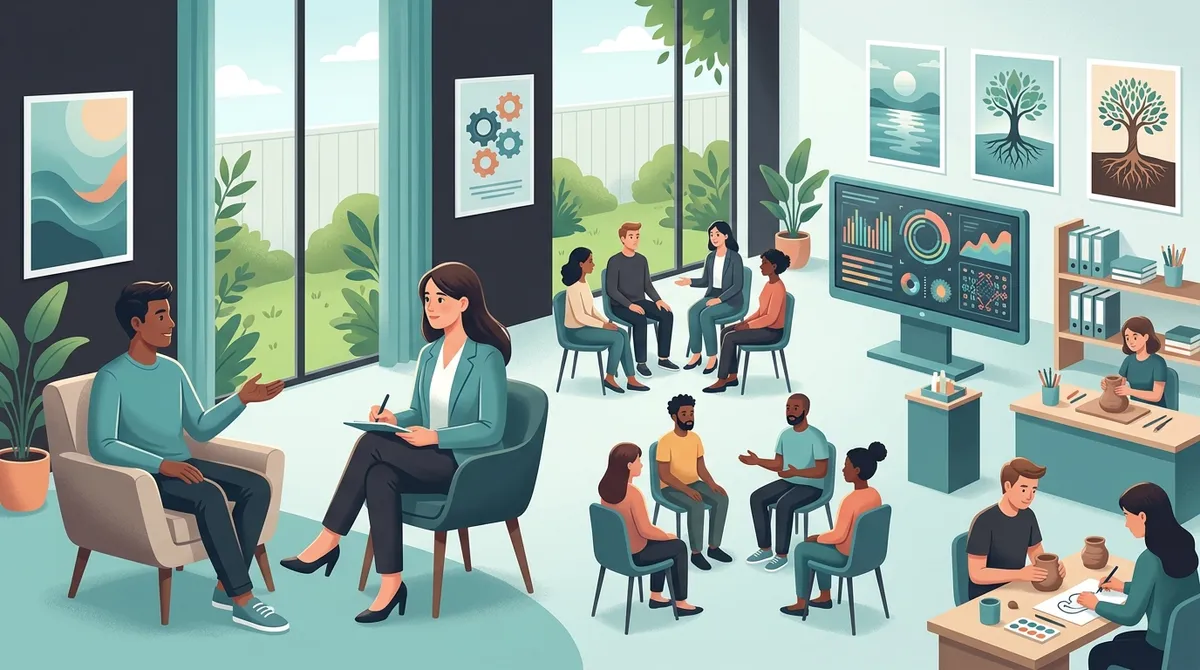
What to Expect in a Brandon Anger Management Therapy Program
Starting therapy can feel daunting. It helps to know what the process looks like. Here’s a general overview of what to expect:
| Phase | What Happens | Typical Timeline |
|---|---|---|
| Initial Assessment | Your therapist learns about your history, triggers, and goals | Session 1-2 |
| Skill Building | Learning coping tools, communication strategies, and regulation techniques | Sessions 3-8 |
| Deep Processing | Exploring root causes, trauma, and deeper emotional patterns | Sessions 6-12+ |
| Integration | Applying skills in real life, tracking progress, and adjusting the plan | Ongoing |
Most providers recommend a minimum of 12 sessions for meaningful and lasting results in anger management therapy. Some clients need more time, and that’s perfectly okay. Healing isn’t a race.
West Florida Therapy follows a structured and supportive process — learn more about their therapy process to see exactly what getting started looks like.
In-Person and Virtual Options in Brandon, FL
One of the great things about seeking Brandon anger management therapy in 2026 is that you have flexible options. You can attend in-person sessions at a local office, or you can connect with a therapist virtually from the comfort of your own home. This is especially helpful for busy adults, teens in school, or anyone in a remote area of Florida.
West Florida Therapy offers both in-person therapy in Brandon and telehealth therapy throughout Florida. Bilingual services in English and Spanish are also available, making care more accessible for Spanish-speaking clients who may have faced language barriers in finding mental health support.
The Florida Department of Children and Families’ Substance Abuse & Mental Health division also provides helpful resources for Floridians looking to access mental health care in their communities.
How Anger Connects to Other Mental Health Challenges
Anger rarely travels alone. It often shows up alongside anxiety, depression, trauma, and mood disorders. If you notice that your anger is wrapped up in other emotional struggles, that’s actually important information — and it means your therapy can address multiple layers at once.
Here are some common connections worth knowing:
- Anger and anxiety — Hypervigilance and irritability often go hand in hand. Explore anxiety treatment options if this resonates.
- Anger and depression — Depression doesn’t always look like sadness. Sometimes it looks like irritability and rage. Learn more at depression treatment.
- Anger and trauma — Past pain can manifest as present-day fury. Trauma therapy can help you process those experiences safely.
- Anger and mood disorders — Conditions like bipolar disorder or mood dysregulation can intensify anger. Mood disorder support is available.
For more resources on mental health care in Florida, the Florida Department of Health’s mental health links offer a helpful directory of services statewide.
Tips for Getting the Most Out of Anger Management Therapy
Therapy works best when you’re an active participant. Here are a few simple things you can do to get the most from your sessions:
- Be honest with your therapist. The more they know, the more they can help.
- Practice skills outside of sessions. Real change happens in everyday life, not just in the therapy room.
- Track your triggers. Keeping a simple journal of when and why anger spikes can reveal useful patterns.
- Be patient with yourself. Progress isn’t always linear, and that’s okay.
- Communicate openly about what’s working. Your therapist can adjust your plan based on your feedback.
If you’re wondering whether therapy might also help with other areas of your life, consider reading about 15 reasons to try individual therapy for adults in Brandon. You might be surprised how much one investment in your mental health can ripple outward into every area of your life.
Take the First Step Toward Calmer, Healthier Living
You deserve to feel in control of your emotions — not the other way around. Brandon anger management therapy offers real, lasting solutions that go far beyond counting to ten. Whether your anger shows up as explosive outbursts, passive resentment, or anything in between, the right therapist can help you understand it, work through it, and move forward.
At West Florida Therapy, Margaret Deuerlein and the team are here to walk that journey with you — with warmth, skill, and zero judgment. Sessions are available in-person in Brandon and virtually throughout all of Florida. Bilingual services in English and Spanish are also offered, so no one has to face this alone due to a language barrier. Visit us on Google — West Florida Therapy to read reviews and learn more about the practice from real clients.
Ready to start? Reach out to schedule your free 15-minute consultation and take the first step toward a calmer, more connected life. You’ve got this — and you don’t have to do it alone.
FAQs
Q: How many sessions does Brandon anger management therapy typically take?
A: Most therapists recommend a minimum of 12 sessions to see meaningful, lasting results from anger management therapy. That said, every person’s journey is different — some people make great progress sooner, while others benefit from more time. Your therapist will work with you to create a plan that fits your unique needs and goals.
Q: Can anger management therapy in Brandon help with court-mandated requirements?
A: Yes! Many therapists in the Brandon area work with court-mandated clients and can provide the documentation you need to fulfill legal requirements. If this applies to you, just let the therapist know upfront so they can make sure the program meets those specific needs.
Q: What is the difference between CBT and DBT for anger management?
A: CBT focuses on changing the thought patterns that trigger anger, helping you think more clearly in heated moments. DBT goes a step further by also teaching emotional regulation and distress tolerance skills — it’s especially helpful when anger feels intense or overwhelming. Both are highly effective, and your therapist can help you decide which approach fits best.
Q: Is virtual anger management therapy in Brandon, FL as effective as in-person sessions?
A: Absolutely — research shows that telehealth therapy can be just as effective as in-person sessions for anger management. Virtual therapy is a wonderful option if you have a busy schedule, transportation challenges, or simply feel more comfortable at home. West Florida Therapy offers both options throughout Florida!
Q: Can teens and adolescents benefit from anger management therapy in Brandon?
A: Yes, and it’s actually a great time to start! Teenagers often experience intense emotions due to developmental changes, school pressures, and social stress. Therapy gives teens practical tools to express their feelings in healthier ways, which benefits their relationships, academic performance, and overall mental health now and in the future.