
Key Takeaways
-
Early intervention is critical: impulsive patterns become harder to change the longer they go unaddressed, so seeking help sooner rather than later significantly improves outcomes.
-
Choose a therapist with specific experience treating impulsivity, ADHD, or emotional dysregulation—ask directly about their relevant background rather than assuming general therapy experience is sufficient.
-
Address underlying conditions alongside impulsivity: anxiety, depression, trauma, and mood disorders often accompany impulsive behavior, and effective therapy must treat the whole person.
-
DBT (Dialectical Behavior Therapy) is highly effective for impulse control and teaches four essential skills: mindfulness, distress tolerance, emotional regulation, and interpersonal effectiveness.
-
Expect realistic timelines: noticeable behavioral shifts typically emerge in months two to four with consistent sessions, and lasting emotional regulation develops over six months or more of committed work.
-
Telehealth therapy is scientifically proven effective and removes barriers like transportation and scheduling constraints, making high-quality impulsiveness therapy more accessible.
Do you ever say things before thinking? Do you make quick decisions you later regret? You are not alone. Impulsive behavior affects millions of people, and it can strain relationships, hurt careers, and make daily life feel out of control. The good news is that Brandon impulsiveness therapy offers real, lasting help. But not all paths to treatment are created equal. Knowing what not to do can save you time, money, and frustration. Whether you are a parent worried about your teen, a young adult struggling with emotional regulation, or someone who has dealt with impulsive patterns for years, this guide is for you. Let’s walk through the most common mistakes people make when seeking therapy for impulsivity — and how to avoid every single one of them.
What Is Impulsive Behavior and Why Does It Matter?
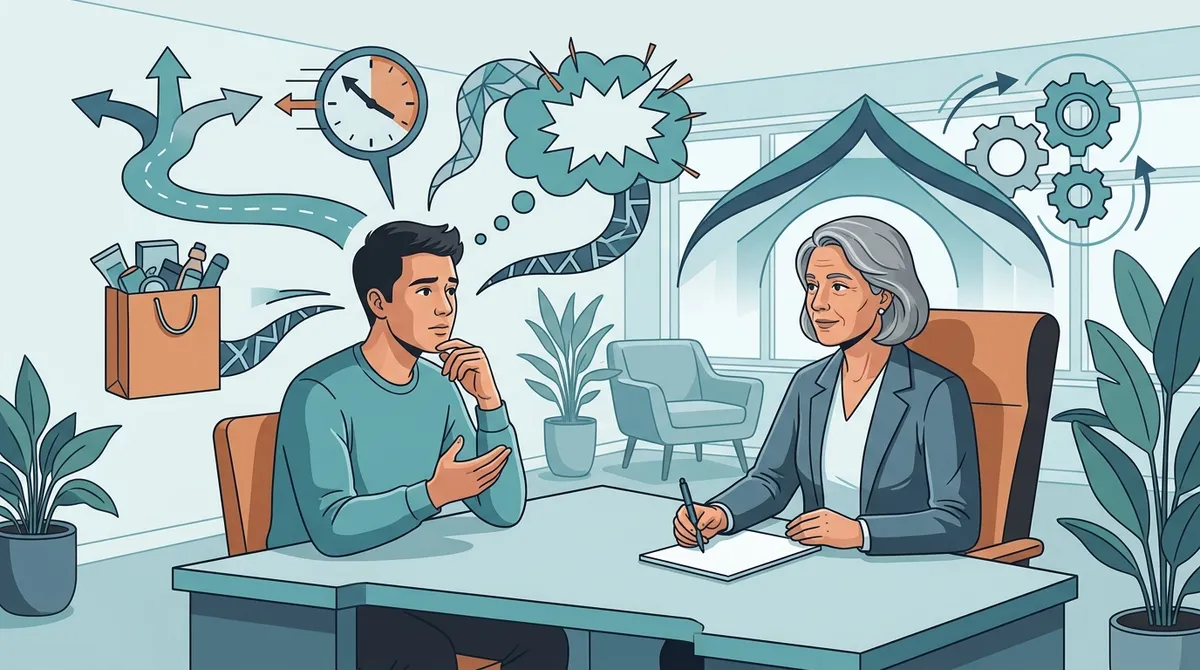
Impulsive behavior means acting without thinking. It can show up as blurting out hurtful words, making risky financial choices, or reacting with anger in the heat of the moment. Impulsivity is a core feature of several conditions, including ADHD, anxiety, and mood dysregulation. According to CDC data, ADHD alone affects approximately 4.4% of adults in the United States, and impulsivity is one of its defining symptoms.
Left untreated, impulsive behavior can harm your relationships, your mental health, and your quality of life. Children with poor emotional regulation often struggle socially. Adults may find it hard to hold jobs or maintain stable connections. Mental health support through evidence-based therapy can change this pattern dramatically.

The 8 Biggest Mistakes in Seeking Impulsiveness Therapy
Mistake 1: Waiting Too Long to Ask for Help
One of the most common mistakes is simply waiting. People often tell themselves, “I’ll handle it on my own,” or “It’s not that bad.” But impulsive patterns tend to get harder to change the longer they go unaddressed. Early intervention leads to better outcomes. If you or someone you love is struggling with impulse control, reaching out sooner rather than later makes a big difference.
If you are unsure whether you need support, you might explore our process to learn what starting therapy actually looks like — it is simpler and more welcoming than most people expect.
Mistake 2: Choosing a Therapist Without Relevant Experience
Not every therapist specializes in impulse control issues. Some therapists focus on grief, couples conflict, or phobias. You want someone with experience treating impulsivity, ADHD, emotional dysregulation, or behavioral challenges. Ask directly: “Have you worked with clients dealing with impulsive behavior?” A good therapist will answer honestly and clearly.
At West Florida Therapy, Margaret Deuerlein is a licensed psychotherapist with a warm, evidence-based approach. She works with adults and adolescents dealing with a range of emotional and behavioral concerns, including impulsivity and its related challenges.
Mistake 3: Ignoring Related Conditions
Impulsive behavior rarely shows up on its own. It often comes alongside anxiety, depression, trauma, or mood disorders. Treating impulsivity without addressing these related issues is like patching one hole in a leaky boat. Effective therapy looks at the whole person.
For example, ADHD and anxiety often appear together, which can make impulsive patterns more intense. A skilled therapist will assess all of these layers and build a plan that fits your full picture.
Mistake 4: Expecting a Quick Fix
Therapy is a process, not a one-session cure. Some people come in hoping to feel completely different after two or three visits. While many clients do notice shifts fairly quickly, lasting change takes consistent work. Cognitive Behavioral Therapy (CBT), one of the most effective approaches for impulse control, shows 60-80% effectiveness rates in clinical settings — but those results come from regular, committed engagement.
Here is a simple breakdown of what realistic timelines often look like:
| Timeframe | What You Might Experience | Focus of Sessions |
|---|---|---|
| Weeks 1-4 | Increased self-awareness | Assessment and goal-setting |
| Weeks 5-10 | Learning new coping skills | CBT or DBT skill-building |
| Months 3-6 | Noticeable behavioral shifts | Practicing and reinforcing strategies |
| Months 6+ | Lasting emotional regulation | Maintenance and relapse prevention |
Mistake 5: Overlooking the Power of DBT
Many people have heard of CBT but have not explored Dialectical Behavior Therapy (DBT). DBT was specifically designed to help people regulate intense emotions and manage impulsive reactions. It is one of the most effective tools in impulsiveness therapy. DBT teaches four core skill sets:
- Mindfulness — Staying present and aware in the moment
- Distress Tolerance — Getting through hard moments without acting impulsively
- Emotional Regulation — Understanding and managing your emotional responses
- Interpersonal Effectiveness — Communicating clearly and maintaining healthy relationships
If you want to dive deeper into this approach, how to use DBT for better mental health and emotional balance is a great place to start learning more.
Mistake 6: Dismissing Telehealth as “Less Effective”
Some people assume that online therapy cannot possibly be as helpful as in-person sessions. Research and real-world experience tell a different story. Telehealth therapy has grown significantly and is now a proven, effective option for many clients. If you live in Florida but cannot travel to Brandon, virtual sessions make high-quality care accessible.
Telehealth therapy in Florida through West Florida Therapy means you can work on impulse control, emotional regulation, and behavioral skills from the comfort of your home. For busy millennials, teens in school, or Gen Z adults managing packed schedules, this flexibility is a genuine game-changer.
According to Mental Health Resources from the CDC, accessible care options — including telehealth — play an important role in improving mental health outcomes across diverse populations.
Mistake 7: Skipping Adolescent-Specific Support
Parents sometimes make the mistake of thinking their teenager will just “grow out of” impulsive behavior. While some impulsivity is developmentally normal in teens, patterns that significantly affect school performance, friendships, or safety deserve attention. Adolescents need a therapist who understands their unique world.
Therapy for teens looks different from adult therapy. Techniques may include:
- Play and creative expression activities
- Role-playing social situations
- Building practical routines for executive functioning
- Family involvement to support changes at home
- Mindfulness exercises adapted for younger clients
If your teen is struggling, virtual therapy for adolescents in Brandon, FL offers accessible, adolescent-focused support. You can also explore why choosing the wrong teen therapy in Brandon can set progress back significantly.
Mistake 8: Avoiding Therapy Because of Language Barriers
For many Spanish-speaking adults in Florida, finding a therapist who truly understands your language and culture can feel impossible. This barrier causes many people to delay or avoid getting help altogether. That is a mistake that no one should have to make. Bilingual therapy in English and Spanish removes this obstacle entirely.
West Florida Therapy offers bilingual services so that every client can express themselves fully and comfortably. When you can speak in your first language, therapy becomes deeper, more personal, and more effective. You deserve care that meets you where you are. You can visit us on Google — West Florida Therapy to see what clients are saying about their experience.

Evidence-Based Approaches Used in Impulsiveness Therapy
Good therapy for impulsivity is grounded in proven methods. Here is a quick comparison of the most commonly used approaches:
| Therapy Type | Best For | Key Focus |
|---|---|---|
| Cognitive Behavioral Therapy (CBT) | Adults and teens | Changing thought patterns that drive behavior |
| Dialectical Behavior Therapy (DBT) | Emotional dysregulation, BPD | Emotion regulation and distress tolerance |
| Solution-Focused Brief Therapy (SFBT) | Short-term, goal-focused needs | Building on strengths and current solutions |
| Mindfulness-Based Interventions | Stress, anxiety, impulsivity | Present-moment awareness and pause before reacting |
Learning about what Cognitive Behavioral Therapy is and how it works can help you feel more confident walking into your first session. You can also explore evidence-based modalities to understand the science behind these approaches.
What Impulsiveness Therapy Actually Looks Like Day to Day
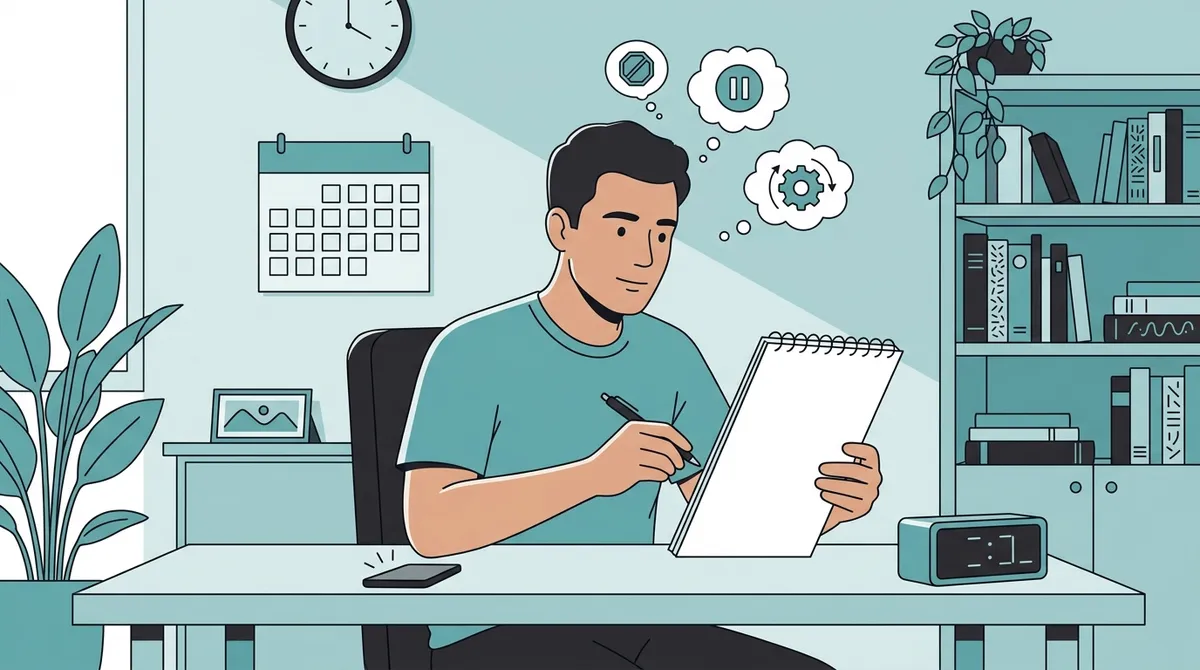
Therapy for impulse control is practical. You are not just talking about your feelings — you are building real skills you use every day. Here is what clients often work on during sessions:
- Identifying triggers: Learning what situations or emotions spark impulsive reactions
- Creating pause habits: Practicing a brief mental pause before responding or acting
- Developing a response plan: Having a go-to strategy ready for high-risk moments
- Tracking progress: Noticing patterns and celebrating small wins along the way
- Strengthening relationships: Learning how impulsivity affects others and how to repair and improve bonds
For those wondering how impulsivity connects to relationship challenges, relationship problems often have roots in emotional dysregulation and impulsive communication patterns. Therapy addresses both at the same time.
How to Know If You Are Ready to Start
You do not have to hit rock bottom before reaching out. Here are some signs that Brandon impulsiveness therapy might be a helpful next step for you:
- You often regret things you said or did in the heat of the moment
- Impulsive decisions have caused real consequences in your life
- You feel like your emotions control you rather than the other way around
- People close to you have expressed concern about your behavior
- You want to feel more in control and at peace with yourself
The Florida Department of Children and Families Substance Abuse & Mental Health services also highlight that early mental health intervention leads to significantly better outcomes for individuals of all ages. You can also explore Mental Health Links from the Florida Department of Health for additional community resources.
Ready to take that first step? You can also review how to navigate ADHD, depression, and anxiety together if you feel like more than one challenge is at play in your life.
Take the Next Step Toward Lasting Change
Impulsive behavior does not have to define your story. With the right support, the right therapist, and a commitment to showing up for yourself, real change is absolutely possible. Brandon impulsiveness therapy at West Florida Therapy is designed to meet you where you are — whether that is in our Brandon office or through a virtual session anywhere in Florida. Margaret Deuerlein brings warmth, expertise, and genuine care to every session. Bilingual services are available, flexible scheduling makes therapy accessible, and a free 15-minute consultation means getting started costs you nothing but a few minutes of your time.
You do not have to keep living at the mercy of impulsive reactions. Help is here, and it is closer than you think. Reach out to us today and take your first step toward a calmer, more intentional life.
FAQs
Q: What is impulsive behavior and how is it different from ADHD?
A: Impulsive behavior means acting without pausing to think, and it can show up in many ways — blurting out words, making risky decisions, or reacting with sudden anger. ADHD is a specific condition where impulsivity is one of the core symptoms, but impulsive behavior can also appear alongside anxiety, mood disorders, or trauma. A therapist can help identify what is driving your specific pattern and create a plan that fits your needs.
Q: How does Cognitive Behavioral Therapy help with impulse control?
A: CBT helps you notice the thoughts and beliefs that trigger impulsive reactions, then teaches you to pause and choose a more intentional response instead. It is one of the most well-researched approaches for impulse control, with clinical effectiveness rates of 60-80%. Sessions are practical and skill-focused, so you leave each one with tools you can actually use in your day-to-day life.
Q: Can Brandon impulsiveness therapy be done online?
A: Absolutely! Telehealth therapy is a highly effective option and is available throughout all of Florida through West Florida Therapy. Online sessions offer the same quality of care as in-person visits, and the convenience makes it easier to stay consistent — which is a key ingredient in lasting change.
Q: How long does it take for impulsiveness therapy to show results?
A: Many clients notice increased self-awareness within the first few weeks, and real behavioral shifts often begin around months two to four with consistent sessions. Long-term emotional regulation typically develops over six months or more of committed work. Every person’s timeline is different, and your therapist will regularly check in and adjust your plan to keep you moving forward.
Q: Is impulsiveness therapy available in Spanish at West Florida Therapy?
A: Yes! West Florida Therapy offers bilingual therapy in both English and Spanish, so Spanish-speaking clients can fully express themselves and engage in therapy without a language barrier. Being able to work in your first language makes therapy more personal, more comfortable, and more effective.