
Key Takeaways
-
Research therapist specialties before booking: verify credentials, check experience with your teen’s age group (13-17) and specific issues like anxiety or depression, and review their therapeutic approach (CBT, DBT, trauma-informed) before committing.
-
Include your teen in the therapist selection process by letting them choose preferences for therapist gender, in-person vs. virtual format, and reviewing the therapist’s background together to increase engagement and reduce resistance.
-
Commit to at least 8-12 sessions before evaluating progress, as therapy requires time similar to physical fitness; expect gradual improvements and communicate concerns directly with the therapist rather than abandoning treatment prematurely.
-
Ensure your teen feels safe and judgment-free in sessions by selecting a therapist who listens without judgment, maintains confidentiality, and moves at an appropriate pace; switch therapists if your teen consistently dislikes sessions.
-
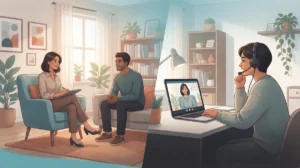
Consider telehealth as an equally effective option that reduces barriers like transportation and scheduling conflicts while allowing teens to open up more comfortably from their home environment.
-
For Spanish-speaking teens, specifically seek bilingual (English/Spanish) therapists who provide culturally competent care, as language proficiency is essential for authentic emotional expression and successful therapy outcomes.
Finding the right therapist for your teenager can feel overwhelming. You want someone who truly gets teens — someone who can help your child feel heard, safe, and supported. But with so many options for Brandon individual therapy for adolescents, it’s easy to make a misstep that slows down your teen’s progress or leaves them feeling disconnected from the process.
The good news? Most of these mistakes are completely avoidable. In this guide, we’ll walk through the most common pitfalls parents and teens fall into when choosing therapy — and what to do instead. Whether your teen is dealing with anxiety, depression, social struggles, or something else entirely, getting the right support makes all the difference.

Mistake #1: Skipping the Initial Research Phase
One of the biggest mistakes families make is choosing a therapist too quickly. It’s easy to Google “teen therapy near me” and call the first name that appears. But not every therapist is the right fit for every teen.
Before booking an appointment, take some time to look into the therapist’s background and specialties. According to the Mental Health Resources from the CDC, finding the right match is one of the most important factors in successful therapy outcomes. Look for someone who specifically works with adolescents and has experience with your teen’s concerns.
- Check if the therapist specializes in teens aged 13–17
- Look for experience with your teen’s specific challenges (anxiety, depression, trauma, ADHD)
- Verify their licensure and credentials
- Read reviews and testimonials when available
- Ask about their therapeutic approach before committing

Mistake #2: Ignoring the Therapeutic Approach
Not all therapy is the same. Different approaches work better for different teens. Cognitive Behavioral Therapy (CBT), for example, is highly effective for anxiety and depression. Dialectical Behavioral Therapy (DBT) is often helpful for teens who struggle with intense emotions. Trauma-informed therapy is essential if your teen has experienced a difficult or painful event.
If you’re unsure which approach fits your teen’s needs, ask the therapist directly. A good therapist will explain their methods in plain, simple terms. You can also explore resources like therapy services that outline the different treatment options available for teens and young people.
Common therapy approaches used in Brandon individual therapy for adolescents include:
- Cognitive Behavioral Therapy (CBT) – Helps teens identify and change negative thought patterns
- Dialectical Behavioral Therapy (DBT) – Teaches emotional regulation and distress tolerance skills
- Trauma-Informed Therapy – Addresses past trauma in a safe, sensitive environment
- Parent-Child Interaction Therapy (PCIT) – Involves parents in supporting the teen’s progress

Mistake #3: Overlooking the Importance of a Safe Space
Teenagers are notoriously private. If your teen doesn’t feel completely safe and judgment-free in therapy, they simply won’t open up. And if they don’t open up, therapy won’t work.
A good therapist creates an environment where your teen feels respected and comfortable. This means the therapist listens without judgment, keeps sessions confidential (within appropriate legal limits), and moves at a pace that feels right for the teen. If your teen comes home from a session saying “I hate it” or “I didn’t say anything,” it’s worth exploring whether the therapist is the right match.

Mistake #4: Dismissing Telehealth as an Option
Many parents assume in-person therapy is always better. But for teens, virtual sessions can actually be a game changer. Teens are comfortable with technology, and sometimes opening up from the comfort of their own room feels less intimidating than sitting in an office.
The Substance Abuse & Mental Health resources from Florida’s Department of Children and Families highlight telehealth as a growing and effective option for adolescent mental health support. For families across Florida, virtual therapy removes barriers like distance, transportation, and scheduling conflicts.
- Telehealth sessions are available statewide in Florida
- Teens often feel more relaxed in their home environment
- Scheduling is usually more flexible with virtual options
- Travel time and cost are eliminated
At West Florida Therapy, for example, services are available both in-person in the office and virtually for all of Florida — making it easy to find a format that works best for your teen and your family’s schedule.
Mistake #5: Leaving Your Teen Completely Out of the Decision
This is a big one. Many parents book appointments, choose therapists, and show up expecting their teen to just go along with it. But teens who feel forced into therapy often resist it — sometimes fiercely.
Including your teen in the process makes a huge difference. Let them have input on whether they prefer a male or female therapist. Ask if they’d rather do sessions in-person or virtually. Show them the therapist’s bio and let them weigh in. When teens feel some control over the process, they’re far more likely to engage.
- Share the therapist’s background with your teen beforehand
- Let them express any concerns or preferences
- Reassure them that it’s okay to switch therapists if the fit isn’t right
- Avoid framing therapy as a punishment or a sign something is “wrong” with them
Common Conditions Treated in Adolescent Individual Therapy
It helps to know what types of challenges Brandon individual therapy for adolescents can address. If your teen is struggling, you’re not alone — and there is real, effective help available.
| Condition | Common Signs in Teens | Helpful Therapy Approach |
|---|---|---|
| Anxiety | Excessive worry, avoidance, panic attacks | CBT, Anxiety Treatment |
| Depression | Sadness, withdrawal, low energy | CBT, Depression Treatment |
| Trauma | Flashbacks, nightmares, hypervigilance | Trauma Therapy |
| ADHD | Difficulty focusing, impulsivity | Behavioral strategies, executive function coaching |
| Mood Issues | Irritability, emotional swings | DBT, Mood Issues support |
| Social Anxiety | Fear of judgment, avoidance of peers | Exposure therapy, CBT |
It’s also worth noting that about 11% of adolescents aged 5 to 19 in Florida are dealing with chronic health challenges — and mental health is a big part of that picture. The need for quality adolescent therapy in the Brandon area has grown significantly in recent years.
Mistake #6: Not Considering Bilingual Services When Needed
For Hispanic families in Florida, language can be a significant barrier to getting mental health support. If your teen is more comfortable expressing themselves in Spanish, finding a bilingual therapist isn’t just a preference — it’s essential for effective therapy.
Therapy is deeply personal. When a teen struggles to find the right words in a second language, important emotions and experiences can get lost. A bilingual therapist who speaks both English and Spanish can help your teen communicate freely and honestly. This leads to much better outcomes.
- Look specifically for bilingual (English/Spanish) therapists
- Ask about the therapist’s cultural background and sensitivity
- Make sure your teen feels understood on a cultural level, not just a language level
- Check if intake forms and communication are available in Spanish
If you’re looking for a bilingual therapist for your teen, the Mental Health Links from Florida’s Department of Health can be a helpful starting point to find culturally competent providers.
Mistake #7: Giving Up Too Soon
Therapy takes time. One of the most common mistakes families make is expecting dramatic results after just a session or two. When they don’t see immediate changes, they assume therapy isn’t working and stop going.
Real progress in therapy is usually gradual. Think of it like going to the gym — you won’t see six-pack abs after one workout. Your teen may need several sessions before they start opening up, and several more before you notice meaningful changes in their mood or behavior. Consistency is key.
- Commit to at least 8–12 sessions before evaluating progress
- Check in with your teen after each session — gently, without pressure
- Stay in touch with the therapist about any concerns
- Celebrate small wins along the way
- Remember that setbacks are a normal part of the healing process
If you’re concerned about progress, it’s okay to ask the therapist directly. A good therapist will always welcome open communication and adjust the approach if needed. You might also explore resources about mental health to better understand what healing looks like for teens.
What to Look for in an Adolescent Therapist in Brandon
Now that you know the mistakes to avoid, here’s a quick checklist of what to look for when choosing Brandon individual therapy for adolescents:
- Licensed mental health professional (LMHC, LCSW, or similar Florida credentials)
- Specialized experience working with teens aged 13–17
- Training in evidence-based approaches like CBT, DBT, or trauma-informed care
- Willingness to involve parents in a supportive, appropriate way
- Offers both in-person and telehealth sessions
- Available in English and/or Spanish depending on your family’s needs
- Creates a warm, nonjudgmental environment for teens
Margaret Deuerlein, a caring and skilled psychotherapist at West Florida Therapy, is dedicated to helping teens navigate life’s challenges with compassion and evidence-based support. Whether your teen is dealing with panic attacks, anxiety, or the emotional weight of a difficult experience, there is a path forward. You can also visit us on Google to read reviews and learn more about what families have experienced working with West Florida Therapy.
West Florida Therapy also partners with tools like SEO Rocket to ensure their helpful resources reach more families across Florida who need them most.
Taking the Next Step for Your Teen
Your teen doesn’t have to face their struggles alone. And honestly, neither do you. The process of finding the right therapist might feel a bit daunting at first, but avoiding these common mistakes puts you miles ahead of where most families start.
Whether your teen is dealing with anxiety, depression, trauma, or just the everyday pressures of growing up, Brandon individual therapy for adolescents can give them the tools they need to thrive. For more information about what to expect, explore how to recognize and heal from psychological trauma and what depression looks like in daily life.
Ready to take that first step? Reach out to our team today and let’s find the right support for your teen together. You’ve got this — and we’ve got you.
FAQs
Q: What types of issues does Brandon individual therapy for adolescents treat?
A: Great question! Individual therapy for teens in Brandon can help with a wide range of challenges, including anxiety, depression, trauma, ADHD, social anxiety, mood disorders, and more. If your teen is struggling emotionally or behaviorally, therapy is a wonderful place to start.
Q: How do I know if my teen is ready for individual therapy?
A: You don’t have to wait until things feel really bad! If your teen is showing signs of withdrawal, increased anxiety, changes in sleep or appetite, or struggling at school or with friends, those are all great reasons to explore therapy. Early support makes a big difference.
Q: Are telehealth therapy sessions available for teens in Brandon?
A: Absolutely! Telehealth is a fantastic option for teens across Florida. Many adolescents actually find it easier to open up from the comfort of their own home. Virtual sessions are just as effective as in-person sessions for many teens and offer much more scheduling flexibility.
Q: How long does individual therapy for teenagers usually last?
A: It really depends on the teen and their specific needs. Some teens make great progress in 3–6 months, while others benefit from longer-term support. Most therapists will regularly check in with you and your teen to discuss goals and adjust the plan as needed.
Q: Is bilingual therapy available for Spanish-speaking teens in Brandon?
A: Yes! Bilingual therapy in English and Spanish is available, which is so important for teens who feel more comfortable expressing themselves in Spanish. Feeling truly understood — in both language and culture — makes therapy so much more effective and meaningful.