
Key Takeaways
-
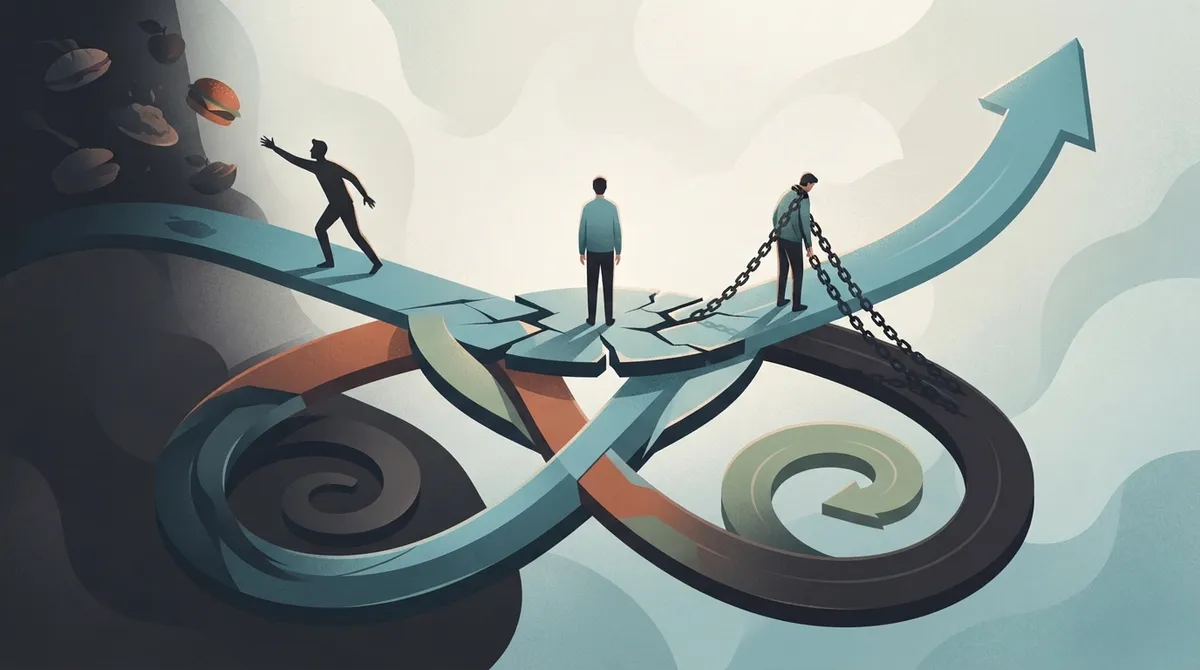
Depression and weight gain form a bidirectional cycle where each worsens the other: depression triggers emotional eating and low motivation for exercise, while weight gain deepens shame and depressive feelings, making it harder to break free without proper support.
-
Certain antidepressants like mirtazapine and tricyclic antidepressants significantly increase weight gain risk by affecting metabolism and appetite, so discussing medication side effects with your prescriber and adjusting your treatment plan is crucial.
-
Emotional eating is a major driver of depression-related weight gain; breaking this cycle requires learning new coping tools through therapy rather than relying on willpower, addressing the root feelings behind eating patterns.
-
Women face higher depression-related weight gain due to hormonal shifts, caregiving stress, and societal pressure; early intervention through tailored therapy that addresses these unique factors makes a real difference in recovery.
If you’ve noticed the scale creeping up while your mood keeps sinking, you’re not imagining things. The link between depression and weight gain is real, and it’s more common than you might think. Nearly 43% of adults living with depression are also dealing with obesity, and the connection runs both ways. It can feel like a frustrating loop with no clear starting point.
Here’s the good news. You don’t have to untangle this puzzle alone. At West Florida Therapy, we work with adults and teens across Florida who are caught in this exact cycle. Whether you’re in Brandon or connecting with us through telehealth, understanding how depression and weight gain feed each other is the first step toward breaking free. Let’s walk through it together, in plain language, with real answers you can use.

Depression Weight Gain: Understanding the Two-Way Street
Many people assume depression simply causes weight gain, or that gaining weight causes depression. The truth is messier. It’s a cycle, not a straight line. Each side feeds the other, making it hard to tell which came first.
Depression can make you crave comfort foods, skip workouts, and lose motivation to cook healthy meals. At the same time, gaining weight can trigger shame, frustration, and low self-esteem, which deepens depressive feelings. This is what mental health professionals call a bidirectional relationship, and it’s backed by mental health resources from leading health organizations.
Why This Cycle Is So Hard to Break
Depression affects your brain chemistry, energy levels, and decision-making all at once. That combination makes healthy choices harder, even when you know what you should be doing. It’s not a lack of willpower. It’s biology working against you.
- Low energy makes exercise feel impossible
- Emotional eating becomes a coping mechanism
- Sleep problems disrupt hunger hormones
- Social withdrawal reduces activity and connection
- Negative self-talk lowers motivation for self-care
If this sounds familiar, our depression treatment services are designed to address these patterns directly, not just the symptoms on the surface.

Depression Weight Gain vs. Depression Weight Loss: What’s the Difference?
Not everyone with depression gains weight. Some people lose their appetite entirely. Understanding which pattern fits you can help guide the right treatment approach.
| Symptom Pattern | Common Signs | Who It Affects Most |
|---|---|---|
| Weight Gain Depression | Increased appetite, comfort eating, fatigue, cravings for sugar and carbs | Women, teens, and those with atypical depression |
| Weight Loss Depression | Reduced appetite, forgetting to eat, nausea, rapid weight drop | Adults with melancholic depression |
| Fluctuating Pattern | Alternating between overeating and undereating | People with mood swings or bipolar features |
Both patterns are valid signs of depression. Neither one is “worse” or “better.” What matters is getting support that fits your specific experience. Learn more about how depression affects your daily life in our detailed guide.
The Role of Medication in Depression Weight Gain
Sometimes it’s not just depression causing the weight gain. Certain antidepressants and psychiatric medications are known to affect metabolism and appetite too.
Medications Most Linked to Weight Gain
- Mirtazapine, often prescribed for sleep and appetite issues
- Tricyclic antidepressants, an older class of medication
- Certain antipsychotics used for mood stabilization
- Some SSRIs, though effects vary by person
Research shows adults taking antidepressants are more likely to be obese than those who are not on medication. This doesn’t mean you should stop your medication. It means you need a care team that watches for these side effects and adjusts your plan as needed.
This is exactly why an integrated approach matters so much. Combining mood support with lifestyle coaching, and staying in close contact with your prescriber, gives you the best chance at managing both your mental health and your weight.
Why Women Face Higher Risks with Depression Weight Gain
Studies consistently show women with depression are more likely to become obese than men or women without depression. Hormonal shifts, societal pressure, and caregiving stress all play a role.
- Hormonal changes during menstrual cycles, pregnancy, and menopause affect mood and metabolism
- Women report higher rates of emotional eating during stress
- Body image pressures can intensify depressive symptoms after weight gain
- Caregiving roles often leave little time for self-care or exercise
If you’re a woman in Florida struggling with this cycle, know that you are not alone and this is not your fault. Our therapists understand these unique pressures and offer anxiety treatment and depression support tailored to what you’re actually facing.
How Emotional Eating Fuels the Depression Weight Gain Cycle
Emotional eating is one of the biggest drivers of depression-related weight gain. When you’re sad, stressed, or overwhelmed, food can feel like instant comfort. But that comfort often comes with guilt afterward, which feeds right back into depression.
Common Emotional Eating Triggers
- Loneliness or isolation, especially in the evening hours
- Work stress or financial worries
- Relationship conflict or family tension
- Boredom during long stretches alone
- Fatigue from poor sleep, which increases cravings
Breaking this cycle doesn’t mean forcing willpower. It means learning new coping tools through therapy that actually address the root feelings driving the eating pattern. If isolation is part of your struggle, our article on isolation and depression offers helpful insight.
Depression Weight Gain in Teens: What Parents Should Know
Teens face unique pressures that can trigger both depression and weight changes. School stress, social media comparisons, and hormonal shifts all combine during these years.
Parents often notice changes before teens speak up. Watch for these signs:
- Sudden weight changes, up or down
- Withdrawal from friends and activities they used to enjoy
- Increased snacking or skipping meals entirely
- Irritability or sadness that doesn’t seem to lift
- Sleeping much more or much less than usual
If you’re noticing these patterns in your teen, early support makes a real difference. Our virtual therapy for adolescents gives teens a comfortable, private space to work through what they’re feeling, whether that’s at our Brandon office or from home.
GLP-1 Medications and Mental Health: An Emerging Option
You may have heard about GLP-1 medications like semaglutide, originally designed for diabetes and weight loss. New research suggests these drugs may also support mood in people dealing with both depression and obesity.
This is still an emerging area, and these medications require careful monitoring alongside therapy, not instead of it. If you’re curious whether this could be part of your care plan, that conversation should happen with your doctor alongside your therapist, so your mental and physical health goals stay aligned.
Steps to Break the Depression Weight Gain Cycle
Recovery from this cycle rarely happens overnight, but small consistent steps add up. Here’s a simple path many of our clients follow:
- Talk to a therapist who understands the depression-weight connection
- Review medications with your prescriber if you suspect side effects
- Build small, manageable movement goals, like a 10-minute daily walk
- Practice identifying emotional eating triggers before they happen
- Set realistic, kind goals instead of harsh diet rules
- Track mood and eating patterns together, not separately
- Celebrate small wins instead of focusing only on the scale
Margaret Deuerlein and our team at West Florida Therapy have helped many clients throughout Florida work through exactly this kind of cycle. Margaret brings a warm, patient approach that helps clients feel truly heard, not judged, no matter where they are in their journey.
When to Seek Professional Support
It’s normal to wonder if your struggle is “serious enough” for therapy. Here’s a simple way to think about it: if depression or weight changes are affecting your daily life, relationships, or self-worth, it’s worth reaching out.
- You’ve noticed significant weight change in the past few months
- Food has become your main way of coping with stress
- You feel stuck in a cycle of guilt and low mood
- Your medication seems to be affecting your weight or energy
- You’re avoiding social situations because of body image concerns
Our simple, supportive process makes starting therapy easy, with a free 15-minute consultation to see if we’re the right fit for you. We also offer bilingual services in English and Spanish, so language never has to be a barrier to getting help.
How West Florida Therapy Supports Your Whole Health
We believe treating depression means looking at the whole picture, not just one symptom. That’s why our approach includes support for mood, body image, relationships, and daily habits together.
Whether you prefer in-person sessions in Brandon or telehealth from anywhere in Florida, we meet you where you are. You can check out telehealth therapy options if travel or scheduling is a concern. For more background on state resources, the Florida Department of Health’s mental health links and the Florida Department of Children and Families both offer helpful statewide information.
Curious what others have experienced working with us? You can visit us on Google to read West Florida Therapy reviews from real clients across the Brandon area and beyond.
Ready to Break Free From the Cycle?
You deserve to feel good in your body and your mind, not stuck fighting both at once. Depression and weight gain don’t have to define your story. With the right support, real change is possible, and it can start with one simple phone call.
Margaret Deuerlein and our caring team are here to help you find a path forward that feels manageable, not overwhelming. If you’re ready to talk, reach out to our team today to schedule your free consultation and take that first courageous step.
FAQs
Q: Can depression cause weight gain or weight loss?
A: It can actually cause both, and that’s what makes it so tricky. Some people lose their appetite completely, while others turn to food for comfort. Either pattern is a normal response to depression, and both deserve caring support.
Q: Which antidepressants are most likely to cause weight gain?
A: Mirtazapine and older tricyclic antidepressants tend to carry the highest risk, though certain antipsychotics can too. Everyone responds differently, so it’s worth having an honest chat with your prescriber if you notice changes.
Q: Is the link between depression and weight gain really a two-way street?
A: Yes, it truly is. Depression can lead to weight gain through low energy and emotional eating, while weight gain can deepen depression through shame and frustration. Understanding this cycle is the first step toward gentle, lasting change.
Q: What are some effective ways to manage weight gain while treating depression?
A: Small, kind steps work best, like short daily walks, tracking mood alongside eating habits, and talking openly with your therapist about medication side effects. You don’t need a perfect plan, just a consistent, compassionate one.
Q: Can GLP-1 drugs like semaglutide help with both mood and weight?
A: Early research looks promising, showing some benefits for mood alongside weight management. That said, these medications work best alongside therapy, not as a replacement for it, so it’s a conversation worth having with your care team.