Key Takeaways
-
Virtual therapy allows teens to attend sessions from home, eliminating stigma and privacy concerns that often prevent adolescents from seeking help in traditional office settings.
-
Research shows 31.9% of adolescents actively prefer virtual therapy over in-person support, and virtual sessions are clinically proven equally effective using evidence-based methods like CBT, DBT, and EMDR.
-
Virtual therapy addresses common teen challenges including anxiety, depression, trauma, family conflict, and self-esteem issues while fitting flexibly around school schedules without missed class time.
-
Sessions typically cost $40-$70 with sliding-scale options, and major insurance plans including Aetna, Cigna, and Florida Blue now cover telehealth therapy for adolescents.
-
Licensed therapist Margaret Deuerlein offers bilingual virtual sessions in English and Spanish throughout Florida, with a free 15-minute consultation available to assess if therapy is the right fit.
-
The virtual therapy process includes an initial consultation, personalized treatment plan, weekly or bi-weekly secure video sessions, and regular progress check-ins with adjustments as needed.
Raising a teenager is one of the most rewarding — and sometimes the most challenging — experiences a parent can have. If your teen is struggling with anxiety, depression, school stress, or social challenges, you are not alone. Many families in Brandon and across Florida are discovering that Brandon virtual therapy for adolescents offers a flexible, effective, and compassionate path to healing. And the best part? Your teen can get the support they need from the comfort of home.
In 2026, telehealth has transformed how families access mental health care. Virtual therapy removes the barriers of distance, busy schedules, and stigma — making it easier than ever for teens to connect with a licensed therapist who truly understands them. Whether your adolescent is dealing with overwhelming emotions, family changes, or social pressures, professional support can make a real difference.

What Is Virtual Therapy for Adolescents?
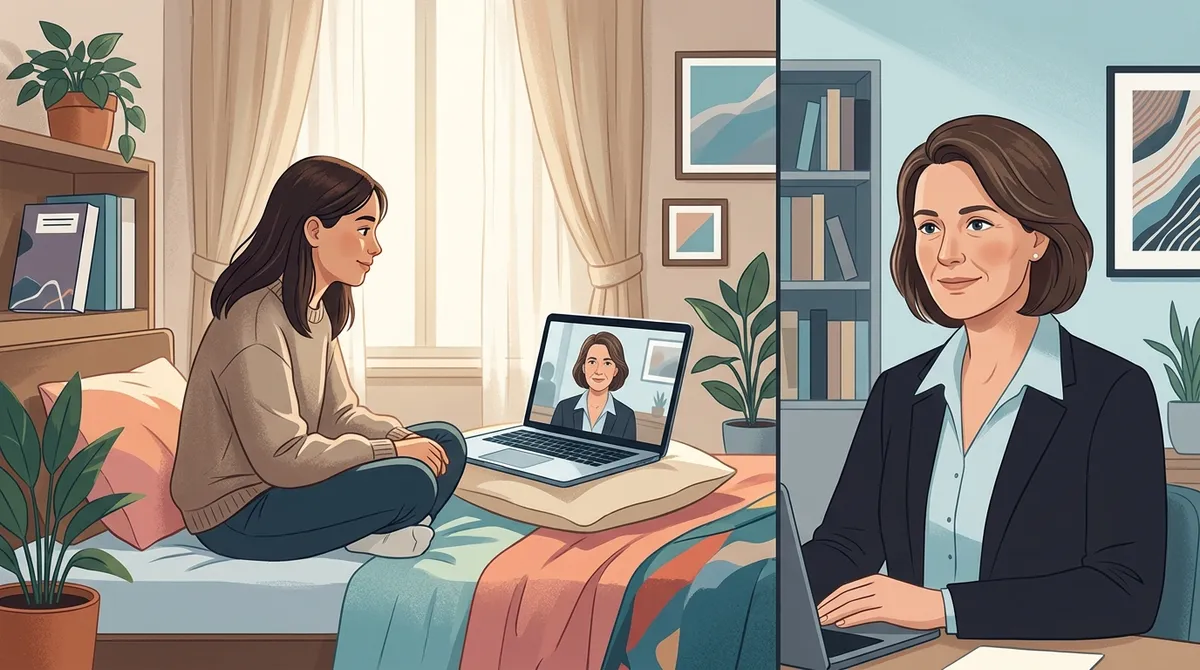
Virtual therapy — also called telehealth therapy or online therapy — is simply traditional talk therapy delivered through a secure video platform. Instead of driving across town to an office, your teen logs into a private session from home, school, or wherever they feel comfortable. A licensed therapist guides the session just as they would in person.
This format is especially well-suited for teenagers. Many teens already feel at ease communicating through screens. Virtual sessions can feel less intimidating than sitting face-to-face in an office, which often helps them open up more quickly. If you want to learn more about how telehealth therapy works in Florida, it’s a great starting point.

Why Teens in Brandon Are Choosing Virtual Therapy
According to a 2019 study published in Internet Interventions, 72% of adolescents said they would consider using online therapy if they were facing a mental health challenge. Even more telling, 31.9% said they would actually prefer virtual therapy over traditional in-person support. These numbers show that teens are genuinely open to this kind of help.
Here are some of the top reasons families in Brandon are turning to virtual adolescent therapy:
- No long drives or missed school time — sessions fit around your family’s schedule
- Greater comfort and privacy — teens can open up more easily in their own space
- Reduced stigma — no one at school needs to know your teen is in therapy
- Access to specialized therapists — your teen isn’t limited to whoever is nearby
- Consistent, ongoing support — sessions happen weekly or bi-weekly without disruption
- Bilingual options available — Spanish-speaking families can access therapy in their preferred language
You can also read about mental health resources that support teens and their families through every step of the journey.

Common Issues Virtual Therapy Can Address for Teens
Adolescence comes with a lot of big feelings and big changes. Virtual therapy is effective for a wide range of challenges that teenagers face today. Here are some of the most common issues a licensed therapist can help your teen work through:
- Anxiety and worry — including school performance anxiety, social anxiety, and panic attacks
- Depression and low mood — persistent sadness, hopelessness, or loss of interest in activities
- Trauma and difficult past experiences — including family stress, bullying, or loss
- Family conflict and communication challenges — learning how to express feelings in healthy ways
- Self-esteem and identity struggles — navigating who they are during a critical developmental period
If your teen is showing signs of anxiety, the article on understanding anxiety signs, types, and treatment options can help you recognize what’s going on. You can also explore more about anxiety treatment and how therapy can help your teen find relief.
For teens dealing with sadness or emotional numbness, learning what depression is and how it affects daily life is a helpful first step. Professional depression treatment can provide the tools your teen needs to start feeling like themselves again.

Evidence-Based Approaches Used in Virtual Teen Therapy
One of the most important things parents want to know is: does virtual therapy actually work? The answer is yes. Licensed therapists use the same proven, research-backed methods online as they do in person. These approaches are tailored to fit your teen’s unique needs and goals.
Here are some of the most common therapeutic methods used with adolescents:
- Cognitive Behavioral Therapy (CBT) — helps teens identify and change negative thought patterns
- Dialectical Behavior Therapy (DBT) — builds emotional regulation and distress tolerance skills
- Eye Movement Desensitization and Reprocessing (EMDR) — highly effective for processing trauma
- Acceptance and Commitment Therapy (ACT) — helps teens build psychological flexibility
- Mindfulness-Based Stress Reduction (MBSR) — teaches calming techniques for everyday stress
If your teen has experienced trauma, trauma therapy using EMDR or other methods can be incredibly healing. You can also read about how to recognize and heal from psychological trauma to better understand what your teen may be experiencing.
The Mental Health Resources from the CDC also highlight the importance of early intervention and evidence-based care for young people.
What to Expect: The Virtual Therapy Process
Getting started with virtual therapy for your teen doesn’t have to feel overwhelming. A well-structured process makes the experience supportive and clear from day one. Here’s what the journey typically looks like:
- Free consultation call — A brief phone call to discuss your teen’s needs, your goals, and whether it’s a good fit
- Personalized treatment plan — The therapist creates a customized plan based on your teen’s unique challenges and strengths
- Weekly or bi-weekly sessions — Consistent, secure video sessions that build skills and progress over time
- Progress check-ins — Regular reviews of your teen’s growth with adjustments made as needed
You can explore our full process to understand exactly how sessions are structured and what your family can expect every step of the way.
Comparing Virtual vs. In-Person Therapy for Adolescents
Some parents wonder whether virtual therapy is truly as effective as in-person sessions. Here’s a simple breakdown to help you decide what’s best for your teen:
| Feature | Virtual Therapy | In-Person Therapy |
|---|---|---|
| Accessibility | Available anywhere in Florida | Requires travel to office |
| Scheduling Flexibility | High — fits around school and activities | Limited by office hours and commute |
| Privacy for Teens | Very high — sessions from home | Moderate — visible clinic visits |
| Effectiveness | Clinically proven, equal to in-person | Clinically proven, traditional format |
| Comfort Level for Teens | Often higher — familiar environment | Can feel more formal or intimidating |
| Cost | Often lower — no travel expenses | May include travel and time costs |
For families in Brandon who prefer face-to-face sessions, in-person therapy in Brandon, Florida is also available. Many families find that a combination of both formats works best.
How Virtual Therapy Reduces Stigma for Teens
Let’s be honest — teenagers worry about what their peers think. The idea of being seen walking into a therapist’s office can feel embarrassing to some teens, even when they genuinely want help. Virtual therapy takes that worry off the table entirely.
When sessions happen at home, no one at school needs to know. Your teen can attend a session during a lunch break, after school, or on a weekend — without any public visibility. This privacy often makes teens far more likely to engage with therapy and stick with it over time.
The Mental Health Links from Florida Health also emphasize the importance of removing barriers to care for young people across the state.
Insurance and Payment Options for Virtual Adolescent Therapy
Cost is a real concern for many families, and that’s completely understandable. The good news is that virtual therapy is often more affordable than people expect. Sessions can range from $40 to $70 with sliding-scale options, and many insurance plans now cover telehealth services.
Here’s a quick look at payment options available at West Florida Therapy:
- Insurance accepted — Aetna, Cigna, Florida Blue, Optum, Oscar, and United Health Care
- Out-of-pocket payments — accepted via all major credit cards, HSA, and FSA accounts
- Flexible scheduling — weekly or bi-weekly sessions to fit your family’s budget and routine
The Substance Abuse & Mental Health resources from the Florida Department of Children and Families also provide guidance on finding affordable care for adolescents across the state.
Meet Margaret Deuerlein: A Caring Therapist for Teens and Families
At West Florida Therapy, adolescents and their families are supported by Margaret Deuerlein, a licensed and certified psychotherapist who brings warmth, expertise, and genuine care to every session. Margaret understands the unique pressures teens face in today’s world — from academic stress to social challenges to family transitions.
Margaret provides both in-person sessions in Brandon, Florida and virtual therapy throughout all of Florida. She also offers bilingual services in English and Spanish, making her an excellent fit for Hispanic families who want therapy in their preferred language. If you’d like to learn more, you can read about West Florida Therapy and the values that guide every session.
You can also visit West Florida Therapy on Google to read reviews from real families who have experienced the care and support firsthand.
Additional Support Available for Teens and Families
Beyond individual therapy, West Florida Therapy offers support for a wide range of challenges that affect adolescents and their loved ones. Here are some additional areas where teens and families can find help:
- Mood issues — addressing emotional instability, irritability, and sudden mood swings
- Panic attacks — helping teens understand and manage overwhelming fear responses
- Life goals — supporting teens in building confidence and direction for their future
If your teen’s struggles are also affecting family relationships, know that help is available for the whole family. A healthy, connected family is one of the best protective factors for teen mental health.
Taking the First Step Toward Your Teen’s Well-Being
Every parent wants their teen to thrive. If your child is struggling, the most powerful thing you can do is take that first step toward getting them support. Brandon virtual therapy for adolescents makes it easier, more accessible, and more comfortable than ever to begin that journey.
You don’t have to figure this out alone. West Florida Therapy offers a free 15-minute consultation so you can ask questions, share your concerns, and find out if it’s the right fit for your teen — with zero pressure. Real change is possible, and it starts with one courageous step.
Ready to get started? Reach out to our team today and take the first step toward a happier, healthier future for your teen and your whole family.
FAQs
Q: Is virtual therapy as effective as in-person therapy for teenagers?
A: Absolutely! Research consistently shows that virtual therapy delivers the same quality of care as in-person sessions. Many teens actually open up more easily in their own comfortable environment, which can make online sessions even more productive than traditional office visits.
Q: What ages does Brandon virtual therapy for adolescents serve?
A: Virtual therapy for adolescents typically serves teens ages 12 to 17, though some programs extend services to young adults up to age 25. If you’re not sure whether your child falls within the right age range, a quick consultation with a licensed therapist can help clarify the best fit.
Q: How does virtual therapy protect my teen’s privacy?
A: All virtual therapy sessions are conducted through HIPAA-compliant, secure video platforms — so your teen’s personal information and sessions are completely confidential. One of the biggest perks is that teens can attend sessions privately from home without anyone else knowing, which really helps reduce the stigma around seeking help.
Q: Does insurance cover virtual therapy for adolescents in Florida?
A: Many insurance plans now cover telehealth therapy, including sessions for adolescents. At West Florida Therapy, we are in-network with Aetna, Cigna, Florida Blue, Optum, Oscar, and United Health Care. We always recommend contacting your insurance provider directly to confirm your specific mental health benefits.
Q: How do I know if my teenager needs virtual therapy?
A: If your teen is showing signs of persistent sadness, withdrawal from activities they used to enjoy, increased anxiety, changes in sleep or appetite, or trouble managing emotions at school or home, it may be time to seek professional support. A free 15-minute consultation with a licensed therapist is a wonderful, no-pressure way to explore whether therapy is the right next step.