
Key Takeaways
-
Neurotic depression (dysthymia) is a chronic condition lasting 2+ years with mild but persistent symptoms, distinct from major depressive disorder‘s intense episodes, and requires combined psychotherapy and medication for effective treatment.
-
Cognitive Behavioral Therapy (CBT) is particularly effective for neurotic depression because it directly targets ruminative thinking loops and negative self-beliefs that perpetuate the condition.
-
Neurotic depression frequently co-occurs with anxiety disorders, personality disorders, and substance use issues, and is associated with increased suicidality compared to non-neurotic depression, making early professional treatment critical.
-
Daily lifestyle habits like 20-minute walks, consistent sleep schedules, and 5-minute mindfulness practices significantly support recovery by affecting brain chemistry and interrupting negative thought patterns.
-
Medication alone rarely addresses neurotic depression’s root causes; therapy is almost always necessary alongside pharmacological treatment to tackle underlying thought and behavioral patterns.
-
Seeking professional help early—after 2+ weeks of persistent sadness or when negative thoughts affect relationships, work, or daily functioning—accelerates recovery compared to waiting until symptoms feel unbearable.
Have you ever felt like a gray cloud follows you everywhere — not a thunderstorm, but a steady drizzle that never quite goes away? That persistent, low-grade sadness might be more than just “being in a mood.” It could be neurotic depression, a condition that affects millions of people yet often flies under the radar. Unlike dramatic depressive episodes, neurotic depression creeps in slowly and quietly — and that makes it easy to dismiss or ignore.
Understanding neurotic depression is the first step toward getting real relief. Whether you’re navigating this yourself, supporting a loved one, or simply trying to understand your mental health better, this guide breaks it all down in plain, simple terms. Let’s explore six key facts that can help you recognize, understand, and treat neurotic depression effectively.
What Is Neurotic Depression, Exactly?
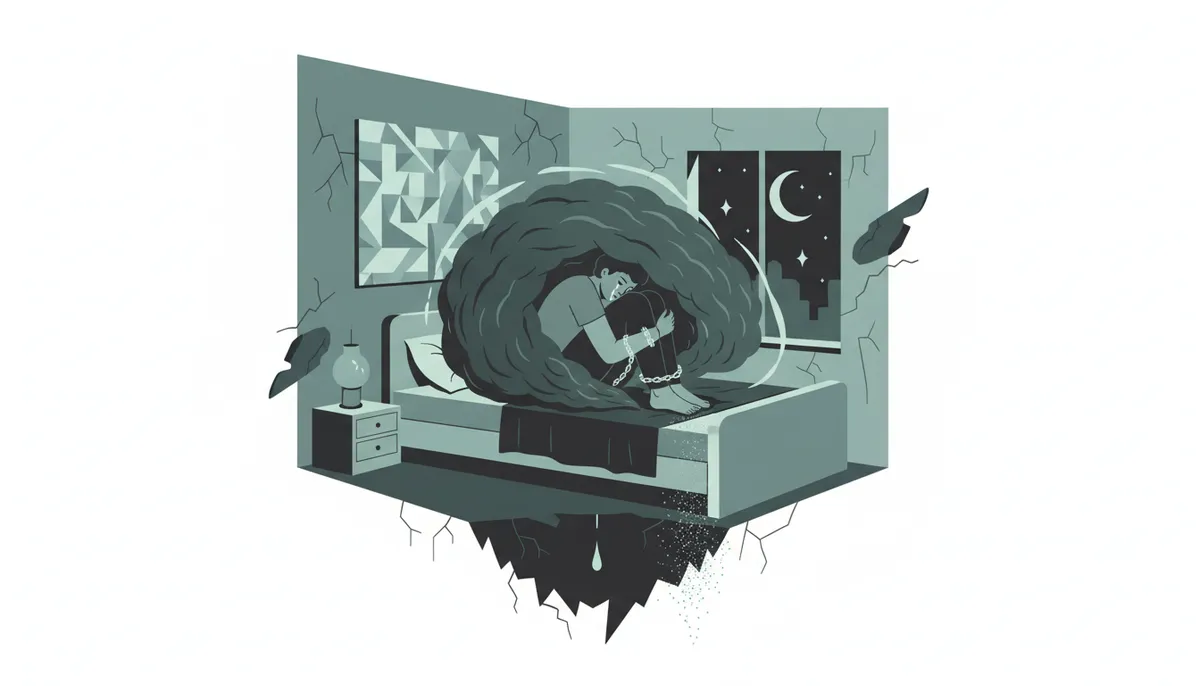
Neurotic depression — also known as dysthymia or persistent depressive disorder (PDD) — is a chronic, long-lasting form of depression. It blends persistent sadness with emotional instability and ruminative negative thinking. People with this condition often feel “stuck” in a loop of anxious, self-critical thoughts that color how they see themselves and the world around them.
What makes neurotic depression unique is its slow, creeping nature. It doesn’t announce itself with dramatic episodes. Instead, it settles in quietly and stays — sometimes for years. According to research cited by Choosing Therapy, neuroticism has been identified as “a psychological trait of profound public health significance” and is a strong predictor of multiple mental and physical health disorders.
If you’ve been feeling persistently low, emotionally sensitive, or trapped in negative thought patterns, it’s worth learning more about this condition. You can also explore our overview of what depression is and how it affects daily life for broader context.
6 Key Facts About Neurotic Depression
1. It’s Chronic, Not Just a Bad Mood
One of the most important things to understand about neurotic depression is that it lasts. While a rough week or two of feeling down is normal, neurotic depression persists for months or even years. Unlike major depressive disorder, which often hits in intense episodes, neurotic depression develops gradually and stays that way.
This chronic nature can make it tricky to recognize. Many people living with it have felt this way for so long that they believe it’s just “how they are.” That’s not true — and it’s not something you have to accept. Therapy can genuinely help you recover from depression, even when it feels deeply ingrained.
Key characteristics of the chronic pattern include:
- Persistent low mood lasting two or more years in adults
- Symptoms that are less severe but more enduring than major depression
- A feeling of sadness that becomes a person’s emotional “baseline”
- Difficulty remembering what it felt like to feel genuinely happy
2. It Comes with a Unique Mix of Symptoms
Neurotic depression isn’t just sadness. It shows up as a blend of emotional and behavioral symptoms that touch nearly every area of a person’s life. Recognizing these symptoms is essential for getting the right support.
Common symptoms of neurotic depression include:
- Persistent sadness or a feeling of emptiness
- Low self-esteem and chronic self-doubt
- Chronic fatigue and low energy, even after rest
- Difficulty concentrating or making decisions
- Emotional sensitivity and heightened reactivity
- Avoidance behaviors and social withdrawal
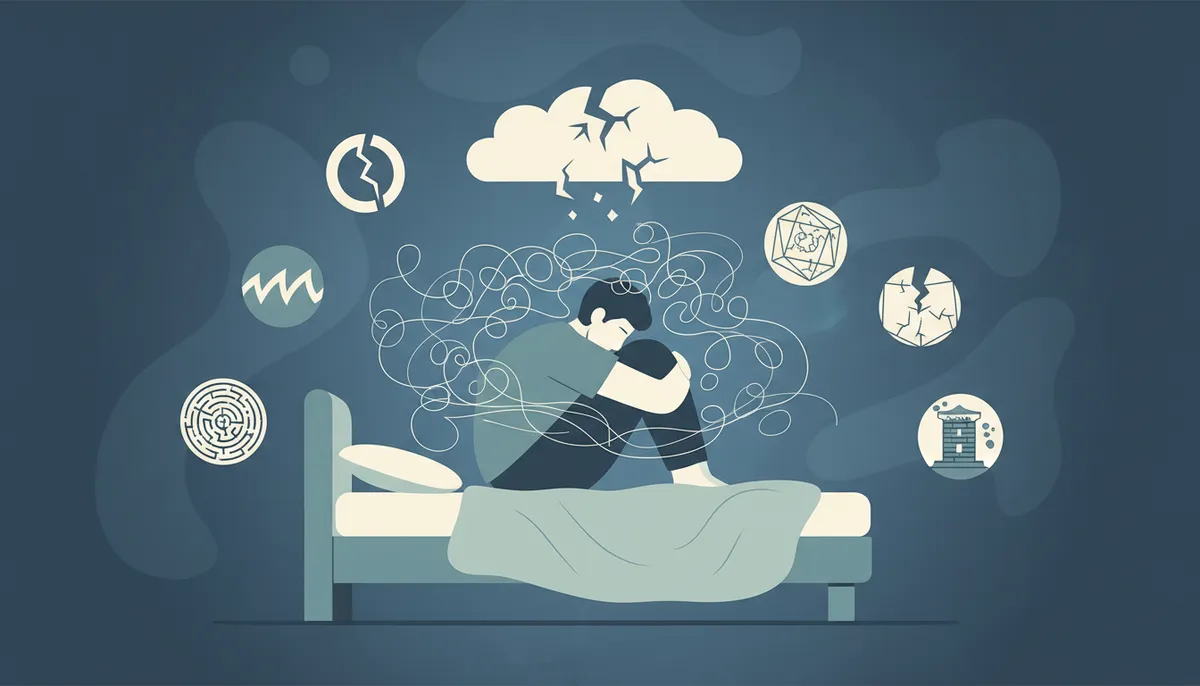
- Fixation on negative experiences and rumination
- Patterns of self-blame and excessive guilt
These symptoms often connect closely with anxiety. In fact, many people with neurotic depression also struggle with anxious thoughts that fuel their depressive cycles. Exploring anxiety treatment options alongside depression care is often a smart approach.
3. It’s Different from Major Depressive Disorder
People often confuse neurotic depression with major depressive disorder (MDD), and it’s easy to see why — they share many symptoms. But they are distinctly different conditions, and understanding the difference matters for getting the right treatment.
Here’s a quick comparison to help clarify:
| Feature | Neurotic Depression (Dysthymia) | Major Depressive Disorder |
|---|---|---|
| Duration | Chronic (2+ years) | Episodes lasting weeks to months |
| Severity | Milder but persistent | More intense and acute |
| Onset | Gradual and slow | Often more sudden |
| Emotional pattern | Ruminative, anxious, emotionally unstable | Deep sadness, hopelessness, withdrawal |
| Response to life events | Strongly tied to circumstances | Can occur independently of events |
It’s also worth noting that some people experience what clinicians call “double depression.” This is when someone has both neurotic depression (dysthymia) and episodes of major depressive disorder at the same time. If you think this might apply to you, a professional evaluation is a great next step. You can explore mood issues and treatment options to understand what support is available.
4. It Often Comes with Other Diagnoses
Neurotic depression rarely shows up alone. Research shows that individuals with this condition frequently experience co-occurring diagnoses. This can complicate both the experience and the treatment if not addressed comprehensively.
Common co-occurring conditions include:
- Anxiety disorders (generalized anxiety, social anxiety, panic disorders)
- Personality disorders
- Substance use disorders
- Additional mood disorders
Importantly, clinical research has shown that neurotic depression is associated with increased suicidality compared to non-neurotic forms of depression. This makes early identification and treatment especially critical. If you or someone you know is struggling, please reach out for support. The CDC’s Mental Health Resources offer helpful guidance on finding care.
Because neurotic depression is so intertwined with how a person processes life circumstances — including relationship problems, financial stress, and questions about life purpose — it benefits enormously from therapy that addresses these root patterns.
5. Effective Treatment Uses a Combined Approach
Good news: neurotic depression is very treatable. The most effective approaches combine psychotherapy, medication when appropriate, and lifestyle changes. No single method works for everyone, which is why personalized care matters so much.
Here are the primary treatment options, listed in order of typical treatment progression:
- Psychotherapy: Talk therapy is a cornerstone of treatment. It helps you understand your thought patterns, process difficult emotions, and build healthier coping skills.
- Cognitive Behavioral Therapy (CBT): CBT is particularly effective for neurotic depression. It targets the ruminative thinking loops and negative self-beliefs that keep depression going. Learn more about what CBT involves and how it works.
- Medication: SSRIs, SNRIs, and other medications (including benzodiazepines and trazodone, with research dating back to the 1970s supporting their use) can be helpful alongside therapy.
- Lifestyle adjustments: Regular exercise, consistent sleep, healthy nutrition, and social connection all play a meaningful supporting role in recovery.
- Schema therapy or DBT: For those with deeper emotional patterns or personality-related concerns, therapies like schema therapy may be especially useful.
The key is that therapy is almost always necessary — medication alone rarely addresses the root thought and behavioral patterns driving neurotic depression. Combining approaches gives you the best shot at lasting relief.
6. The Right Therapist Makes All the Difference
Living with neurotic depression can feel incredibly lonely. You might feel like no one truly understands what it’s like to be stuck in that persistent gray fog. Finding a compassionate, skilled therapist can genuinely change your life.
At West Florida Therapy, Margaret Deuerlein is a caring, experienced psychotherapist who specializes in helping adults and adolescents work through depression, anxiety, and related challenges. She offers both in-person sessions in Brandon, Florida, and telehealth therapy throughout Florida — so getting help is more accessible than ever. Bilingual services in English and Spanish are also available, removing language barriers that so often stand in the way of care for Spanish-speaking communities.
When looking for the right fit in a therapist, consider these qualities:
- Experience treating chronic depression and mood disorders
- Familiarity with evidence-based approaches like CBT and schema therapy
- A warm, non-judgmental communication style
- Flexibility with session format (in-person or virtual)
- Availability in your language, if English isn’t your first
If you’re ready to find support, you can learn how to find the right depression therapist near you to make a confident choice.

Lifestyle Habits That Support Recovery
Therapy and medication are powerful tools, but your daily habits matter too. Small, consistent changes can support your healing in meaningful ways. Think of these as building blocks that make your treatment more effective, not replacements for professional care.
Try incorporating these habits alongside your professional treatment:
- Move your body daily: Even a short 20-minute walk can boost your mood and reduce ruminative thinking. Exercise affects brain chemistry in genuinely helpful ways.
- Prioritize sleep: Chronic depression and poor sleep fuel each other. A consistent sleep schedule helps break this cycle. You might also find it helpful to read about ways to fight nighttime depression and rest better.
- Practice mindfulness: Simple mindfulness techniques can interrupt ruminative thought loops. Even five minutes of focused breathing can shift your mental state. Explore mindfulness techniques that can transform mental health in 2026.
Florida’s Substance Abuse and Mental Health services also offer valuable community resources if you need additional layers of support alongside individual therapy.
It’s also worth paying attention to your environment. Sometimes, even making positive changes to your surroundings — like getting outside more, reducing clutter, or spending time in nature — can support your mood. Local services like Wayne & Sons Landscaping & Junk Removal can help create a more peaceful, calming home environment, which can subtly support your overall wellbeing during recovery.
When to Seek Help for Neurotic Depression
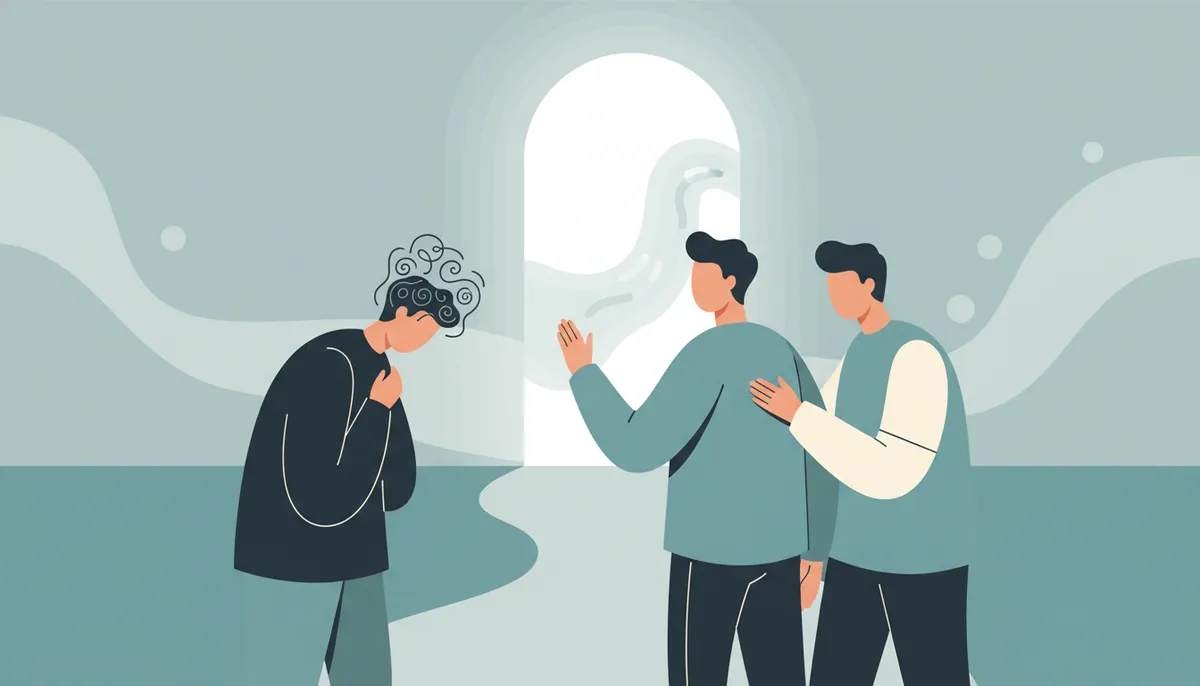
You don’t have to wait until things feel unbearable to reach out. If you’ve been feeling persistently low, emotionally drained, or stuck in negative thinking patterns for weeks or months, that’s already a good reason to talk to someone.
Here are clear signs it’s time to seek professional support:
- You’ve felt persistently sad or empty for more than two weeks
- Negative thoughts feel impossible to stop or redirect
- Your mood is affecting your relationships, work, or daily functioning
- You’re withdrawing from people and activities you used to enjoy
- You’re experiencing thoughts of hopelessness or self-harm
Reaching out early means getting better faster. Florida residents can connect with the Florida Department of Health Mental Health Links for state-level resources, or connect directly with a local therapist. You can also explore insurance coverage options through partners like Helpinghands-insurance LLC to understand what mental health benefits you may have access to.
For adolescents struggling with persistent depression, getting support early is especially important. Learn about virtual therapy options for adolescents in Brandon, FL that make access easier for teens and their families.
You Deserve to Feel Better
Neurotic depression is real, it’s treatable, and you are not alone. The persistent gray fog that so many people live with for years doesn’t have to be permanent. With the right support — a skilled therapist, a personalized treatment plan, and consistent habits — genuine relief is absolutely within reach.
Margaret Deuerlein and the team at West Florida Therapy are here to walk alongside you on that journey. Whether you’re dealing with chronic low mood, ruminative thinking, anxiety, or a combination of challenges, compassionate and effective care is available to you. Visit us on Google — West Florida Therapy to read reviews and learn more about the support we offer.
Ready to take that first step? Reach out to our team today to schedule your free 15-minute consultation. You deserve to feel hopeful, grounded, and like yourself again — and it starts with one conversation.
FAQs
Q: What is the difference between neurotic depression and major depressive disorder?
A: Great question! Neurotic depression (also called dysthymia) is chronic and long-lasting — often persisting for two or more years — but with milder, more steady symptoms. Major depressive disorder tends to hit harder in shorter, more intense episodes. Think of neurotic depression as a persistent drizzle versus MDD’s thunderstorm.
Q: Can neurotic depression be treated with medication alone?
A: Medication can definitely help, but it works best alongside therapy. Neurotic depression is deeply tied to thought patterns and life circumstances, which means talk therapy — especially CBT — is usually essential for lasting recovery. A combined approach gives you the strongest foundation for healing.
Q: What is ‘double depression’ and should I be concerned about it?
A: Double depression is when someone experiences both persistent dysthymia (neurotic depression) and episodes of major depressive disorder at the same time. It sounds overwhelming, but the good news is that it’s recognized and treatable. If you suspect this applies to you, talking with a mental health professional is a wonderful first step.
Q: How does CBT help with neurotic depression specifically?
A: Cognitive Behavioral Therapy (CBT) is especially helpful for neurotic depression because it directly targets the ruminative, negative thinking loops that keep this type of depression going. It helps you recognize unhelpful thought patterns, challenge them, and replace them with more balanced perspectives — gradually shifting how you feel and behave over time.
Q: How long does it take to recover from neurotic depression with treatment?
A: Recovery timelines vary from person to person, and that’s completely okay! Because neurotic depression is chronic, treatment often takes consistent effort over months rather than weeks. Many people start noticing meaningful improvements within a few months of regular therapy. The important thing is to stick with it — progress is real and possible.