Key Takeaways
-
Low self-esteem is a deep-seated negative view of yourself that can impact mental health, relationships, and personal growth.
-
Recognize negative self-talk patterns like constant self-criticism and dismissing compliments as early warning signs.
-
Practice self-compassion by treating yourself with the same kindness you’d show a good friend during challenging moments.
-
Break down goals into small, achievable steps to build confidence gradually and prove your capabilities to yourself.
-
Keep a daily success journal to counter your brain’s negativity bias and document your positive achievements.
-
Surround yourself with supportive people who recognize your value and lift you up during your self-esteem journey.
Do you often find yourself thinking you’re not good enough? Do you doubt your abilities even when others praise you? If so, you might be dealing with low self-esteem. You’re not alone in this struggle. Many people face these feelings every day, and the good news is that you can overcome them.
Low self-esteem affects how you see yourself and your place in the world. It can hold you back from reaching your goals and enjoying life. But here’s the thing: you have the power to change how you feel about yourself. This guide will show you simple, practical ways to build your confidence and feel better about who you are.
Let’s explore what low self-esteem really means, where it comes from, and most importantly, how you can start feeling better about yourself today.
Understanding What Low Self-Esteem Really Means
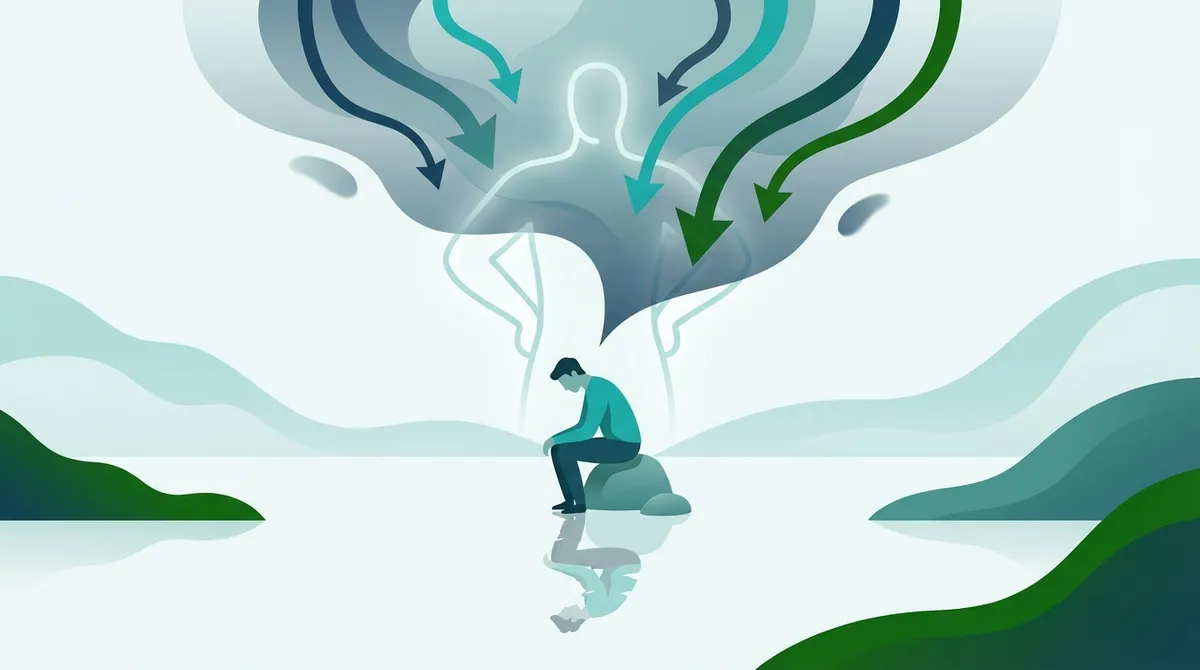
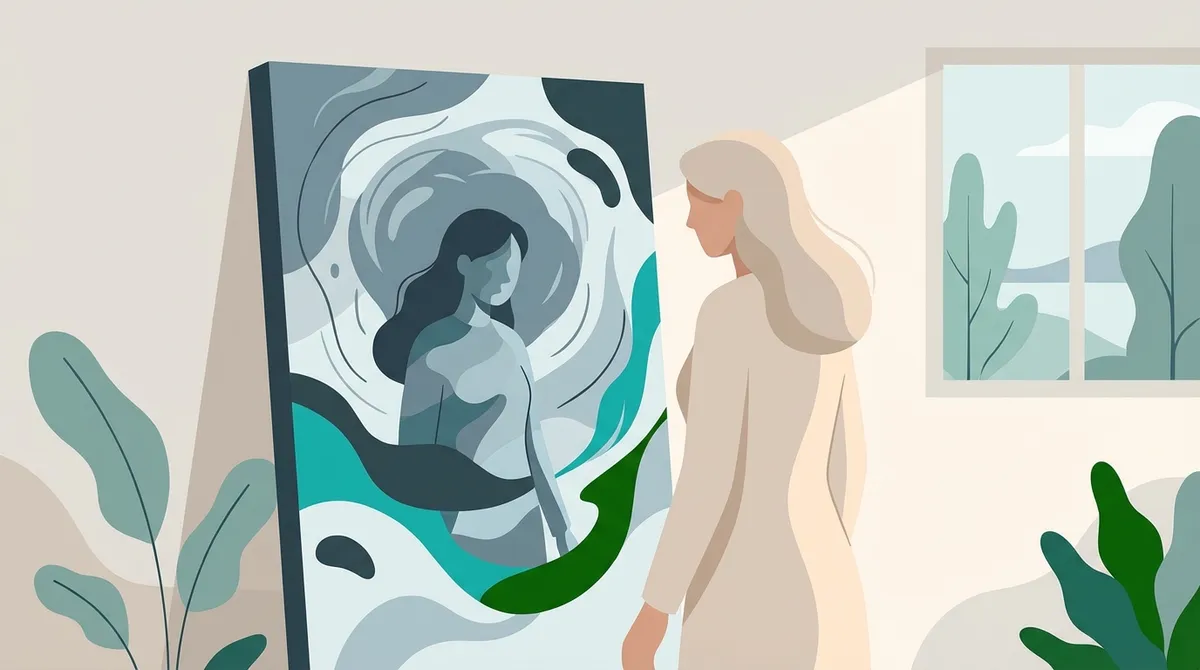
Low self-esteem is a lasting, negative view of yourself. It’s not just having a bad day or feeling down sometimes. It’s a deep-seated belief that you’re not as worthy or capable as others. This belief becomes the lens through which you see everything in your life.
When you have low self-esteem, you judge yourself harshly. You might focus on your mistakes while ignoring your successes. You might think everyone else has it together while you’re struggling. This pattern of negative thinking can affect your mental health, relationships, and overall quality of life.
The foundation of self-confidence starts with how you value yourself. According to UMass Memorial Health, low self-esteem can lead to troubled relationships, addiction, eating disorders, depression, and anxiety. That’s why understanding and addressing it matters so much.
Recognizing the Signs You’re Struggling
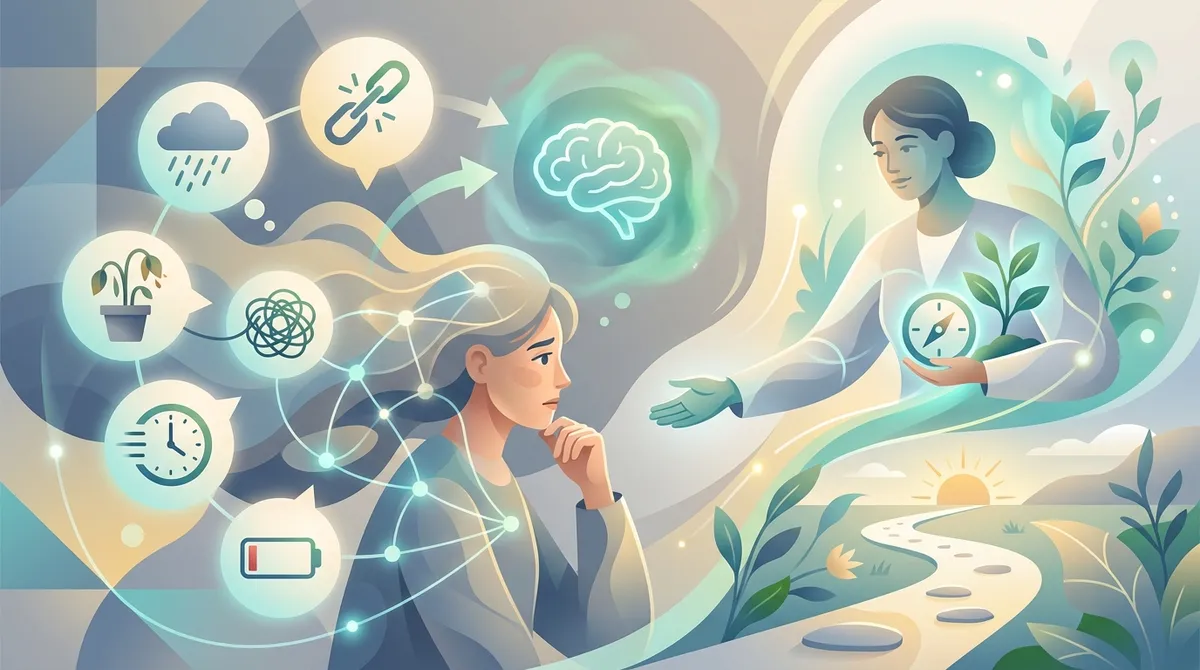
How do you know if you have low self-esteem? Here are some common signs to watch for:
Negative Self-Talk Patterns
You constantly criticize yourself in your head. You might call yourself names or put yourself down. This inner voice tells you that you’re not smart enough, attractive enough, or capable enough. You believe these harsh thoughts even when evidence says otherwise.
People with low self-esteem often ignore their positive qualities. When someone compliments you, do you immediately dismiss it? Do you think they’re just being nice? This is a red flag. You might also blame yourself for things that aren’t your fault while giving others credit for your successes.
Behavioral Warning Signs
Low self-esteem shows up in how you act, not just how you think. Here are some behaviors that might indicate a problem:
- Avoiding new challenges because you fear failure
- Putting things off because you don’t believe you can do them well
- Saying sorry constantly, even when you’ve done nothing wrong
- Trying to please everyone to gain approval
- Asking others for reassurance all the time
- Sabotaging yourself when good things happen
Physical and Emotional Symptoms
Your body and emotions can also show signs of low self-esteem. You might feel anxious in social situations. You might have trouble making decisions. Some people experience physical symptoms like headaches or stomach problems. Depression and anxiety often go hand-in-hand with low self-esteem.
At West Florida Therapy, Margaret Deuerlein helps people recognize these patterns and develop healthier ways of thinking. Sometimes having a caring professional guide you makes all the difference.
Where Does Low Self-Esteem Come From?
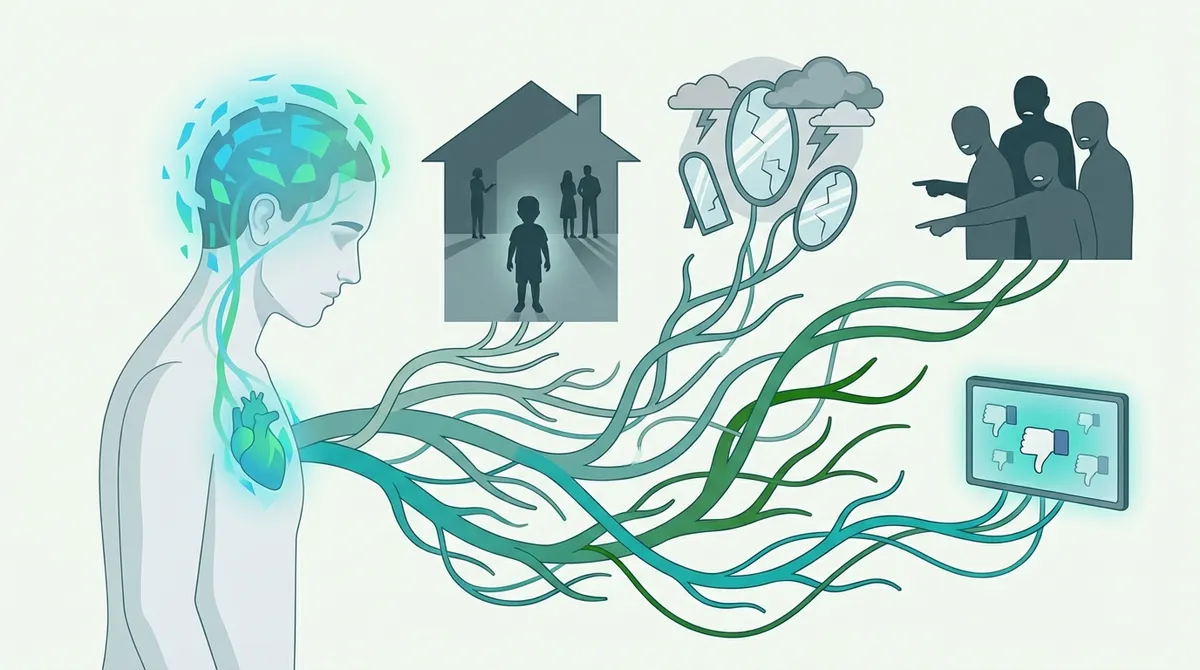
Understanding the root causes can help you address the problem. Low self-esteem doesn’t just appear out of nowhere. It develops over time through various experiences.
Childhood Experiences
Many people develop low self-esteem in childhood. If you grew up hearing negative messages from parents, teachers, or siblings, those words might still echo in your mind today. According to CDC Mental Health Resources, early experiences shape how we see ourselves.
Maybe your parents were overly critical. Perhaps you were bullied at school. Maybe you felt you could never meet expectations. These experiences become part of your inner voice. Children who face abuse, neglect, or poor treatment often carry these wounds into adulthood.
Life Events and Circumstances
Sometimes low self-esteem develops later in life due to difficult circumstances:
- Long-term health problems that limit what you can do
- Economic hardship that makes you feel inadequate
- Relationship problems or breakups that shake your confidence
- Job loss or career setbacks
- Major life changes like divorce or bereavement
Modern Challenges
In 2026, social media plays a huge role in how we see ourselves. When you constantly compare yourself to carefully curated online images, it’s easy to feel like you don’t measure up. Overuse of social media is now recognized as a significant factor in low self-esteem, especially among younger people.
How Low Self-Esteem Affects Your Life
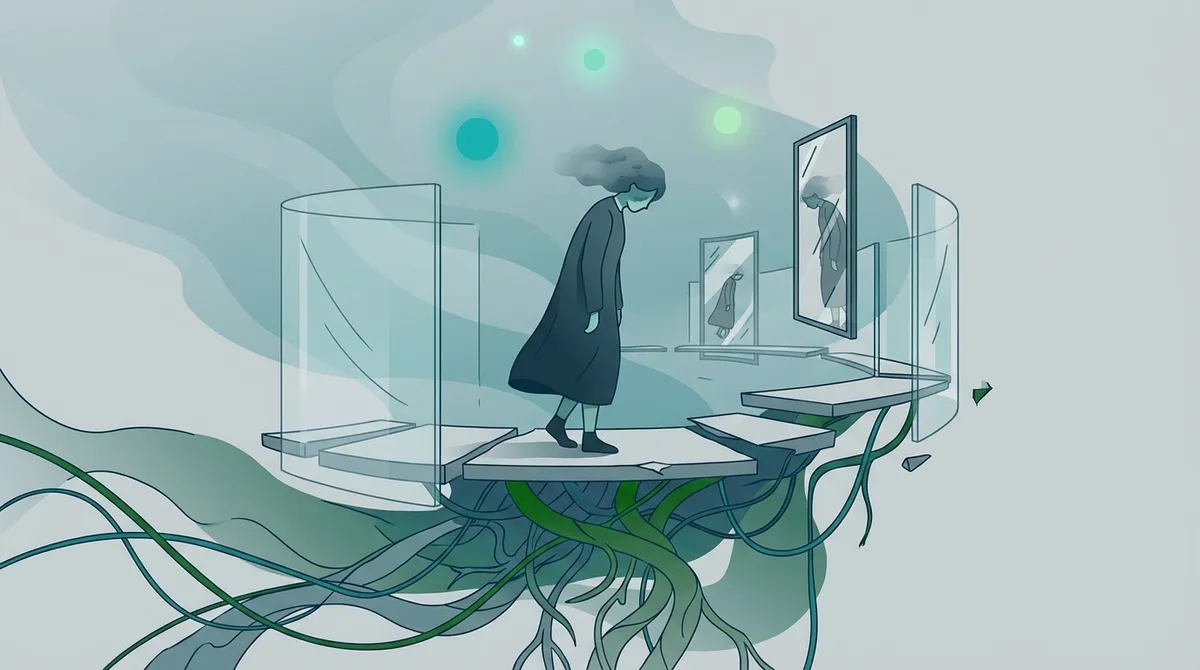
The impact of low self-esteem reaches into every corner of your life. Let’s look at how it can hold you back.
Impact on Mental Health
Low self-esteem and mental health problems often feed each other. When you don’t feel good about yourself, you’re more likely to experience depression and anxiety. Research shows that low self-esteem can lead to unhealthy habits like smoking, alcohol abuse, and drug use.
You might withdraw from social activities. You might feel hopeless about the future. These feelings can spiral into more serious mental health issues if left unaddressed. That’s why getting help early matters so much.
Relationship Difficulties
How you feel about yourself affects how you relate to others. If you don’t think you’re worthy of love, you might push people away. You might stay in unhealthy relationships because you don’t believe you deserve better. You might have trouble trusting others or being vulnerable.
Some people with low self-esteem become people-pleasers. They say yes to everything, even when it hurts them. They struggle to set boundaries because they fear rejection. This pattern can damage both friendships and romantic relationships. If you’re facing relationship challenges, therapy services can help you develop healthier patterns.
Career and Personal Growth
Low self-esteem can limit your career success. You might not apply for promotions because you don’t think you’re qualified. You might have great ideas but never share them. You might undervalue your work and accept less than you deserve.
The same pattern affects personal growth. You might avoid learning new skills or trying new hobbies. You play it safe rather than taking healthy risks. Over time, this keeps you stuck in a life that feels small and unfulfilling.
Breaking Free From Negative Thought Patterns
The first step to building better self-esteem is recognizing and changing how you think. Your thoughts create your reality more than you might realize.
Identifying Cognitive Distortions
Cognitive distortions are thinking errors that make you see things more negatively than they really are. Common ones include:
| Distortion Type | What It Looks Like | Example |
|---|---|---|
| All-or-Nothing Thinking | Seeing things as perfect or terrible with no middle ground | “I made one mistake, so I’m a complete failure” |
| Mental Filtering | Only noticing negative details | Ignoring five compliments to focus on one criticism |
| Catastrophizing | Expecting the worst possible outcome | “If I speak up, everyone will think I’m stupid” |
| Emotional Reasoning | Believing your feelings are facts | “I feel worthless, so I must be worthless” |
Challenging Negative Thoughts
Once you spot these thinking errors, you can start challenging them. When a negative thought pops up, ask yourself:
- Is this thought based on facts or feelings?
- What evidence supports this thought?
- What evidence contradicts it?
- Would I say this to a friend?
- Is there another way to look at this situation?
This process takes practice. Your brain has spent years thinking negatively, so it won’t change overnight. Be patient with yourself. Each time you challenge a negative thought, you’re building new mental pathways.
Practical Steps to Build Your Self-Esteem
Now let’s get into specific actions you can take to feel better about yourself. These strategies work, but they require consistent effort.
Step 1: Practice Self-Compassion
Self-compassion means treating yourself with the same kindness you’d show a good friend. When you make a mistake, don’t beat yourself up. Instead, acknowledge that everyone makes mistakes. It’s part of being human.
Try this: Next time you’re feeling bad about yourself, put your hand on your heart. Take a deep breath. Say to yourself, “This is hard right now, but I’m doing my best.” This simple act can shift your emotional state.
Step 2: Set Small, Achievable Goals
Big goals can feel overwhelming when you have low self-esteem. Instead, break things down into tiny steps. Each small success builds your confidence.
For example, if you want to exercise more, don’t commit to an hour at the gym every day. Start with a five-minute walk. When that feels easy, add more time. Each completed goal proves to yourself that you can do what you set out to do.
Step 3: Build a Support Network
Surround yourself with people who lift you up. Spend less time with those who criticize or put you down. Join groups where you share common interests. Connect with people who see your value even when you struggle to see it yourself.
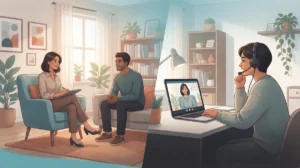
If you’re in Florida and need professional support, Margaret Deuerlein at West Florida Therapy offers both in-person and virtual sessions. She provides a warm, caring environment where you can work through these issues. Bilingual services are available in English and Spanish, making therapy accessible to more people.
Step 4: Keep a Success Journal
Your brain has a negativity bias. It remembers bad things more easily than good things. Counter this by keeping a daily success journal. Each evening, write down three things you did well that day. They don’t have to be big things.
Examples might include:
- I got out of bed even though I felt tired
- I was kind to a stranger
- I finished a task at work
- I made a healthy food choice
Over time, this journal becomes proof that you’re more capable than you think.
Step 5: Learn to Accept Compliments
When someone says something nice about you, your first instinct might be to dismiss it. Fight that urge. Instead, simply say “Thank you.” Let it sink in. The person giving the compliment sees something good in you. Try to see it too.
Step 6: Take Care of Your Body
Physical health and mental health are connected. When you take care of your body, you send yourself the message that you’re worth taking care of. This doesn’t mean you need to be perfect. Small steps count:
- Get enough sleep most nights
- Eat regular, nourishing meals
- Move your body in ways that feel good
- Limit alcohol and avoid drugs
- Spend time outside when possible
When to Seek Professional Help
Sometimes self-help isn’t enough. That’s okay. Knowing when to reach out for professional support is a sign of strength, not weakness.
Signs You Need Extra Support
Consider talking to a therapist if:
- Your low self-esteem is getting worse instead of better
- You’re experiencing symptoms of depression or anxiety
- Your self-esteem is affecting your relationships or work
- You’re having thoughts of self-harm
- You’ve tried self-help strategies but aren’t seeing improvement
- Past trauma is affecting your current self-image
How Therapy Can Help
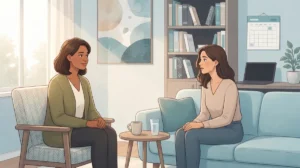
A skilled therapist can help you identify the root causes of your low self-esteem. They provide a safe space to explore painful experiences. They teach you coping strategies tailored to your specific situation. Most importantly, they offer perspective when you can’t see past your negative thoughts.
At West Florida Therapy, Margaret Deuerlein specializes in helping adults and adolescents work through these challenges. She understands that each person’s journey is unique. Whether you’re dealing with depression, trauma, or mood issues connected to low self-esteem, professional guidance can make a real difference.
Types of Therapy That Help
Several therapy approaches are effective for low self-esteem:
| Therapy Type | How It Helps | Best For |
|---|---|---|
| Cognitive Behavioral Therapy (CBT) | Identifies and changes negative thought patterns | People who engage in negative self-talk |
| Acceptance and Commitment Therapy (ACT) | Helps you accept difficult emotions while moving toward your values | Those who struggle with self-criticism |
| Psychodynamic Therapy | Explores how past experiences shape current feelings | People with childhood trauma affecting self-esteem |
Creating Lasting Change
Building self-esteem is a journey, not a destination. Some days will be easier than others. That’s normal. The key is consistency, not perfection.
Be Patient With Yourself
You didn’t develop low self-esteem overnight, and you won’t fix it overnight either. Change takes time. There will be setbacks. You might have days when all your old negative thoughts come rushing back. That doesn’t mean you’ve failed. It just means you’re human.
Think of building self-esteem like building muscle. You don’t go to the gym once and expect to be strong. You go regularly, do the work, and gradually get stronger. Your mental health works the same way.
Celebrate Small Wins
Notice and celebrate your progress, no matter how small. Did you catch yourself having a negative thought and challenge it? That’s a win. Did you try something new even though you felt nervous? That’s a win. Did you accept a compliment without deflecting? That’s a win too.
These small victories add up over time. They’re proof that you’re changing, growing, and becoming more confident.
Create a Sustainable Practice
The strategies in this article work best when they become part of your daily routine. You don’t need to do everything at once. Pick one or two practices that resonate with you. Do them consistently for a few weeks. Once they feel natural, add another practice.
Some people find it helpful to set reminders on their phone. Others attach new habits to existing ones. For example, you might write in your success journal right after brushing your teeth at night. Find what works for your lifestyle.
Moving Forward With Confidence
You’ve taken an important step by reading this article and learning about low self-esteem. Now it’s time to put what you’ve learned into action. Remember, you don’t have to do this alone.
Building self-esteem is possible for everyone, including you. It takes work, but it’s worth it. As you start feeling better about yourself, you’ll notice positive changes in all areas of your life. Your relationships will improve. You’ll take more chances. You’ll feel more satisfied with who you are.
If you’re ready to start this journey with professional support, Margaret Deuerlein at West Florida Therapy is here to help. She provides compassionate, individualized care for adults and adolescents throughout Florida. Whether you prefer in-person sessions or the convenience of virtual therapy, she’ll work with you to build the confidence you deserve. Reach out today to take the first step toward a more confident, fulfilling life.
You are worthy of feeling good about yourself. You have value just as you are. It’s time to start believing that. Your journey to better self-esteem starts now, and every step forward counts. You’ve got this, and there’s support available whenever you need it. Check out reviews from others who have found help and see how therapy can make a difference in your life.
FAQs
Q: What are the main signs of low self-esteem?
A: The main signs include constant negative self-talk, ignoring your positive qualities, and attributing successes to luck rather than ability. You might avoid challenges, apologize too much, or seek constant reassurance from others. Physical symptoms can include anxiety and stress-related issues.
Q: Can low self-esteem develop later in life?
A: Yes, absolutely. While many people develop low self-esteem in childhood, it can also appear later due to difficult life events. Job loss, relationship problems, health issues, or major life changes can all trigger or worsen self-esteem problems in adulthood.
Q: How long does it take to improve low self-esteem?
A: There’s no set timeline because everyone’s journey is different. Some people notice improvements in a few weeks, while others need several months. The key is consistency with helpful practices and being patient with yourself. Working with a therapist can often speed up the process.
Q: Is low self-esteem the same as lack of confidence?
A: Not exactly. Low self-esteem is about your overall sense of self-worth, while confidence relates to belief in your abilities in specific situations. You can have good self-esteem but low confidence in certain areas, or vice versa. However, they often influence each other.
Q: Can therapy really help with low self-esteem?
A: Yes, therapy is very effective for low self-esteem. A skilled therapist helps you identify negative thought patterns, understand root causes, and develop healthier ways of thinking about yourself. They provide tools and support tailored to your specific situation, making lasting change more achievable.