

Key Takeaways
-
Elevated cortisol can directly cause anxiety, not just result from it—research confirms a causal relationship, meaning addressing cortisol levels is essential for anxiety treatment.
-
Chronic high cortisol creates a ripple effect: it disrupts sleep, impairs memory and concentration, increases depression risk (50% of newly diagnosed depression patients have excessive cortisol), and weakens immunity.
-
Therapy actively changes brain chemistry by regulating the HPA axis (hormonal system controlling cortisol production)—CBT, EMDR, and trauma-informed therapy reduce emotional triggers so your brain stops sending false alarm signals.
-
Combine small daily habits with professional support: 30-minute walks, consistent sleep schedules, whole-food diet, and 10 minutes of deep breathing or meditation can noticeably lower cortisol over time.
-
Medication (SSRIs) and therapy work best together—medication stabilizes brain chemistry while therapy addresses underlying emotional patterns driving cortisol dysregulation for stronger, lasting recovery.
-
Recognize warning signs of elevated cortisol: waking exhausted despite full sleep, feeling ‘wired but tired,’ brain fog, digestive issues, and uncontrollable anxiety—multiple symptoms warrant consultation with a mental health professional.
Do you ever feel like your body is stuck in “panic mode” even when nothing is actually wrong? That tight chest, racing heart, and constant sense of dread? You might be dealing with the effects of cortisol and anxiety working together against you. Cortisol is your body’s main stress hormone. It is incredibly useful in short bursts — like when you need to dodge traffic or meet a tight deadline. But when cortisol stays elevated for weeks or months, it can fuel anxiety, disrupt sleep, and make everyday life feel overwhelming.
The good news? You do not have to just live with it. Understanding the connection between cortisol and anxiety is the first step toward real relief. Whether you are a stressed millennial juggling work and life transitions, a teen struggling with school pressure, or an adult trying to manage daily overwhelm, this guide is for you. Let’s walk through exactly how cortisol affects your mental health — and what you can actually do about it.
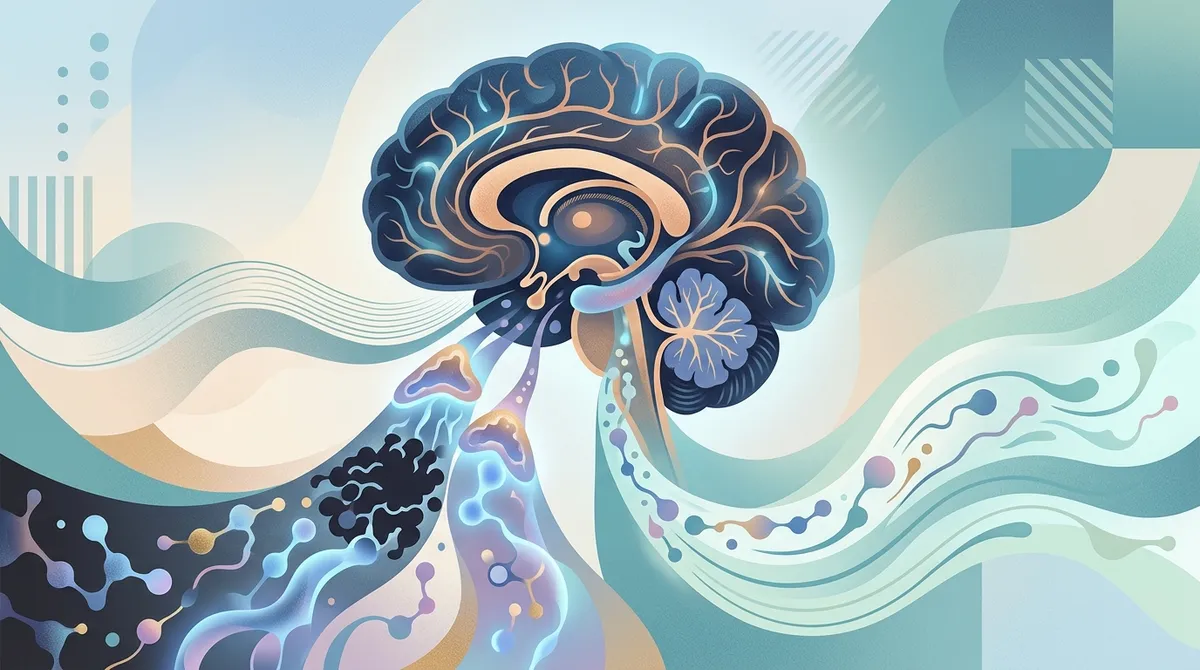
What Is Cortisol and Why Does It Matter for Anxiety?
Cortisol is produced by your adrenal glands. Your brain signals your body to release it whenever it detects a threat. This is called the “fight-or-flight” response. In small doses, cortisol helps you focus, boosts energy, and keeps you sharp. The problem starts when your brain keeps sending that alarm signal — even when you are perfectly safe.
Chronic stress keeps cortisol levels elevated far beyond what is healthy. Normal morning cortisol levels sit between 6 and 23 micrograms per deciliter. In people with depression or anxiety disorders, those numbers can triple. This hormonal imbalance does not just affect your mood — it affects your brain, your immune system, and even your memory.
Research confirms a strong link between high cortisol and anxiety. Studies using Mendelian Randomization — a scientific method that looks at genetic data — have confirmed a causal relationship between elevated cortisol and anxiety disorders. That means cortisol is not just a side effect of feeling anxious. It can actually cause anxiety. For more information on how anxiety shows up in your daily life, check out this helpful guide on understanding anxiety signs, types, and treatment options.
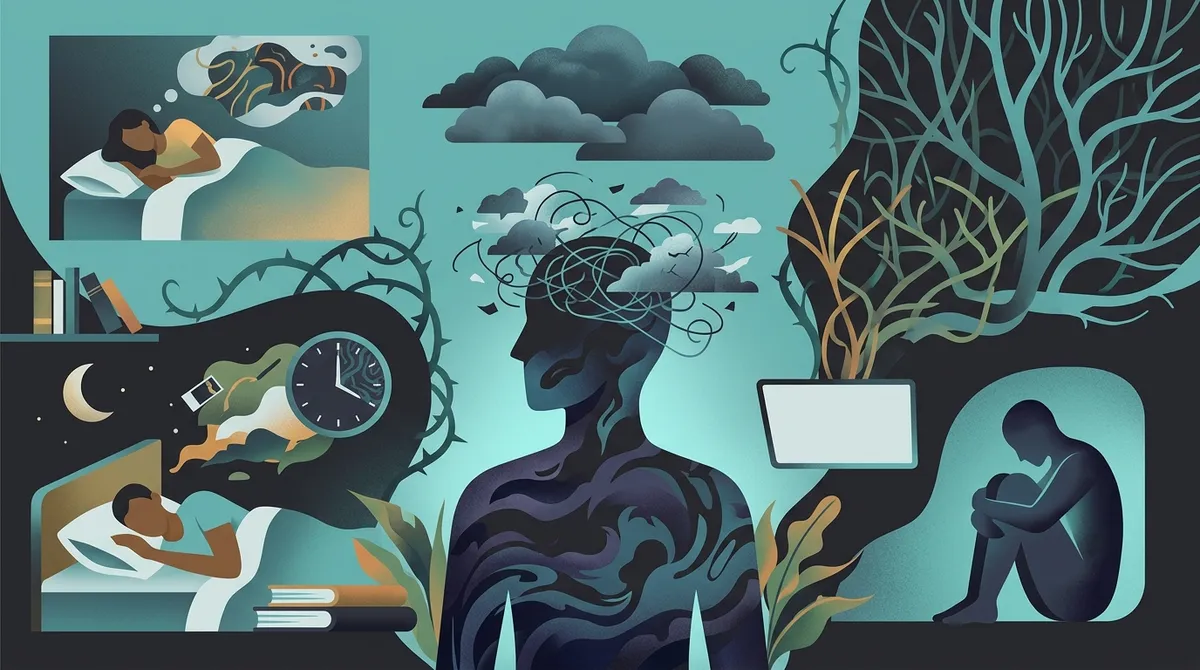
How High Cortisol Affects Your Mental Health
Elevated cortisol does not just make you feel stressed. It creates a ripple effect across your entire mental and physical health. Here is what chronic high cortisol can do to your body and mind:
- Disrupts sleep: High cortisol interferes with your natural sleep cycle, making it harder to fall asleep and stay asleep.
- Impairs concentration: Prolonged stress shrinks the hippocampus — the part of your brain responsible for memory and learning.
- Worsens anxiety: Cortisol keeps your nervous system on high alert, making anxiety symptoms more intense and more frequent.
- Increases depression risk: Studies show that 50% of patients with newly diagnosed depression have excessive cortisol secretion.
- Weakens immunity: Chronic cortisol elevation suppresses immune function, making you more vulnerable to illness.
- Affects the heart: Long-term high cortisol raises blood pressure and increases cardiovascular risk.
If you have been struggling with mood swings, fatigue, or persistent worry, mood issues connected to cortisol dysregulation may be playing a bigger role than you realize. You can also learn more about how anxiety connects to panic attacks — another common result of elevated stress hormones.
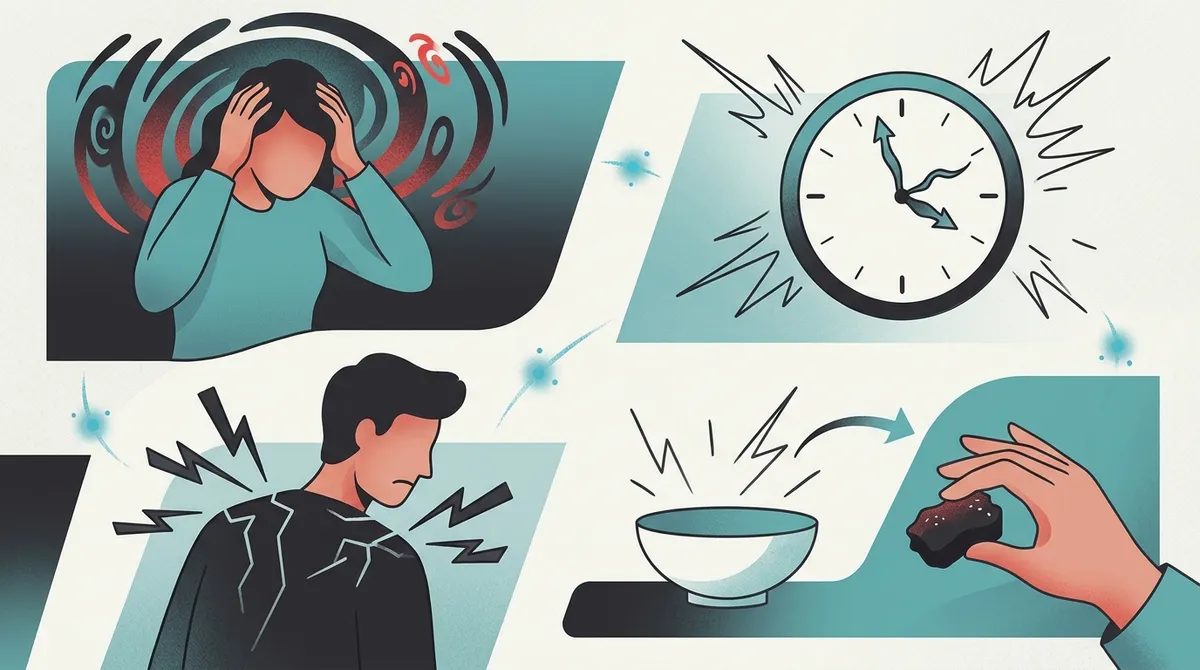
Signs That Your Cortisol May Be Too High
It can be hard to know whether cortisol is fueling your anxiety. But there are some common warning signs worth paying attention to. Many people experience several of these at once without connecting them to stress hormones.
- Waking up feeling exhausted even after a full night of sleep
- Feeling “wired but tired” — exhausted but unable to relax
- Frequent headaches or muscle tension
- Difficulty concentrating or frequent brain fog
- Irritability or emotional reactivity that feels out of proportion
- Digestive issues like bloating or stomach upset
- Weight gain, especially around the abdomen
- Increased anxiety or worry that feels hard to control
If several of these resonate with you, it may be time to speak with a mental health professional. Connecting with a psychotherapist can help you understand the root causes of what you are experiencing and create a clear plan forward.

How Therapy Helps Regulate Cortisol and Anxiety
Here is something powerful to know: therapy does not just help you “feel better” emotionally. It actually changes your brain chemistry. Working with a skilled therapist helps regulate your HPA axis — the hormonal system that controls cortisol production. When you learn to manage emotional triggers, your brain stops sending false alarm signals, and cortisol naturally begins to drop.
At West Florida Therapy, Margaret Deuerlein is a licensed and caring psychotherapist who helps clients address the emotional roots of stress and anxiety. Whether you are dealing with generalized anxiety, trauma, or life transitions, Margaret meets you where you are and builds a personalized plan that supports real, lasting healing.
Types of Therapy That Lower Cortisol
Not all therapy looks the same. Different approaches work better for different people. Here are some evidence-based options that have been shown to reduce cortisol and ease anxiety:
- Cognitive Behavioral Therapy (CBT): Helps you identify and reframe anxious thought patterns that trigger cortisol spikes.
- Trauma-Informed Therapy: Addresses unresolved trauma that keeps your nervous system in a state of chronic stress. Learn more about trauma therapy and how it can help.
- EMDR (Eye Movement Desensitization and Reprocessing): A powerful approach for processing traumatic memories and reducing the body’s stress response. Explore EMDR treatment options available at West Florida Therapy.
- Mindfulness-Based Therapy: Teaches you to observe thoughts and feelings without reactivity, calming the nervous system over time.
- Individual Counseling: Provides a consistent, safe space to process emotions, build coping skills, and reduce overall stress load.
If you are curious about how therapy works from start to finish, take a look at our process to understand what to expect when you begin your healing journey.
Lifestyle Changes That Reduce Cortisol Naturally
Therapy is a powerful tool, but what you do between sessions matters too. Small, consistent lifestyle changes can make a big difference in how your body manages cortisol. Think of these as daily habits that support your mental health from the inside out.
Exercise and Movement
Regular physical activity is one of the most effective natural ways to lower cortisol. Even a 30-minute walk can reduce stress hormones and boost feel-good chemicals like serotonin and endorphins. Aim for movement that feels enjoyable rather than punishing — consistency matters more than intensity.
Sleep Hygiene
Your body resets cortisol during deep sleep. Poor sleep keeps cortisol elevated the next day, creating a difficult cycle. Try going to bed and waking up at the same time each day, limiting screens before bed, and creating a calming bedtime routine.
Nutrition and Diet
What you eat affects how your body handles stress. A diet high in processed foods and sugar can spike cortisol. Focus on whole foods, lean proteins, healthy fats, and plenty of vegetables. Limiting caffeine and alcohol also helps stabilize stress hormones.
Stress Management Practices
Daily relaxation practices help train your nervous system to feel safe. Even just 10 minutes a day can make a noticeable difference over time.
- Deep breathing exercises (like diaphragmatic breathing or box breathing)
- Meditation or guided relaxation apps
- Journaling to process emotions and release mental tension
- Spending time in nature, which has been shown to lower cortisol
- Social connection and meaningful relationships
For broader support and community resources on mental health, the Mental Health Resources from the CDC offer practical tools for managing stress and anxiety. You can also explore Mental Health Links from the Florida Department of Health for local resources.
Cortisol, Anxiety, and Medication: What You Should Know
In some cases, medication can play an important role in managing cortisol and anxiety — especially when symptoms are severe. Selective Serotonin Reuptake Inhibitors (SSRIs) have been shown to lower cortisol levels in anxiety patients, which also predicts improvements in memory and cognitive function. If you are considering medication, a conversation with your doctor or psychiatrist is always the right first step.
Medication and therapy often work best together. While medication can help stabilize your brain chemistry, therapy addresses the underlying emotional patterns that drive cortisol dysregulation in the first place. Together, they create a much stronger foundation for recovery. If you are navigating depression treatment alongside anxiety, addressing cortisol is often a key part of that process too.
A Quick Comparison: Cortisol Management Strategies
| Strategy | How It Helps Cortisol | Best For |
|---|---|---|
| Individual Therapy (CBT, EMDR) | Reduces emotional triggers; regulates HPA axis | Moderate to severe anxiety or trauma |
| Regular Exercise | Burns off stress hormones; boosts mood | Mild to moderate daily stress |
| Sleep Hygiene | Allows cortisol to reset overnight | Anyone with disrupted sleep patterns |
| Mindfulness and Breathing | Activates the parasympathetic nervous system | Daily stress management |
| SSRIs (with doctor guidance) | Lowers cortisol chemically; improves cognition | Severe anxiety or depression cases |
| Nutrition Changes | Stabilizes blood sugar and hormone levels | Anyone looking for foundational support |
Getting Support: You Do Not Have to Do This Alone
Anxiety affects more than 40 million adults in the United States — nearly 20% of the population. And yet, so many people struggle in silence, unsure where to turn. Whether you are dealing with workplace burnout, relationship stress, family pressures, or a history of trauma, you deserve compassionate support that actually works.
If you are in Florida, West Florida Therapy offers both in-person sessions in Brandon and convenient telehealth therapy across Florida. Bilingual services in English and Spanish are also available, making care more accessible for the Spanish-speaking community. You can even start with a free 15-minute consultation to see if it is the right fit. For additional Florida-based mental health support options, Substance Abuse & Mental Health resources through the state of Florida are also available.
Healing from anxiety and cortisol dysregulation is absolutely possible. It takes time, the right tools, and the right support — but people do it every day. You can too. Visit us on Google to read reviews from real clients who have taken that first step toward feeling better.
Steps to Start Managing Cortisol and Anxiety Today
You do not need to overhaul your entire life overnight. Start small and build momentum. Here is a simple roadmap to get you moving in the right direction:
- Acknowledge what you are feeling. Name your anxiety without judgment. Awareness is always the first step toward change.
- Add one stress-reducing habit this week. A short walk, five minutes of deep breathing, or a slightly earlier bedtime — pick one and stick with it.
- Reach out for professional support. A therapist can help you understand the deeper patterns behind your anxiety and build lasting coping skills.
- Be patient with yourself. Cortisol regulation takes time. Progress is rarely linear, but every small step counts.
- Stay consistent. The most effective changes are the ones you actually do regularly — even imperfectly.
If you are ready to take that first courageous step, we warmly invite you to reach out to our team at West Florida Therapy and begin your journey toward feeling calmer, clearer, and more like yourself again. You deserve to feel well — and real help is closer than you think.
FAQs
Q: What is the link between high cortisol and anxiety disorders?
A: Cortisol and anxiety are deeply connected through your body’s stress response system. When cortisol stays elevated for long periods, it keeps your nervous system in a constant state of alert — which is basically the recipe for anxiety disorders like generalized anxiety and panic disorder. The good news is that with the right support, this cycle can absolutely be broken!
Q: Can therapy actually lower cortisol levels?
A: Yes, it really can! Therapy — especially approaches like CBT, trauma-informed care, and EMDR — helps regulate the hormonal system that controls cortisol production. When you work through emotional triggers and build healthy coping skills, your brain stops sending those constant false alarms, and cortisol naturally begins to come down.
Q: What are the best lifestyle changes to reduce cortisol and anxiety?
A: Some of the most effective changes include regular exercise, consistent sleep schedules, a balanced whole-foods diet, and daily stress management practices like deep breathing or mindfulness. None of these need to be perfect — even small, consistent efforts add up to big changes over time. You’ve got this!
Q: Is elevated cortisol a cause or a symptom of anxiety?
A: It is actually both! High cortisol can trigger anxiety, and feeling anxious causes more cortisol to be released — creating a tricky cycle. Recent scientific studies using genetic data have confirmed that elevated cortisol can directly cause anxiety, which is why addressing the hormonal side of things is such an important part of mental health treatment.
Q: When should I see a therapist for cortisol-related anxiety?
A: If you are regularly experiencing symptoms like sleep problems, constant worry, brain fog, irritability, or emotional overwhelm that affects your daily life, it is a great time to reach out for support. A therapist can help you identify what is driving your stress response and create a personalized plan to help you feel better — and there is absolutely no shame in asking for help!