Key Takeaways
-
Cognitive Behavioral Therapy (CBT) is the gold standard for panic disorder, with research showing it’s equally effective as medication but with longer-lasting results through cognitive restructuring and gradual exposure exercises.
-
Panic attacks are false alarms triggered by your brain’s fight-or-flight response when there’s no real threat; understanding this mechanism is the crucial first step toward healing.
-
Exposure therapy—both interoceptive (creating mild physical sensations) and situational (re-entering avoided places)—reduces panic disorder by breaking the avoidance cycle that worsens symptoms over time.
-
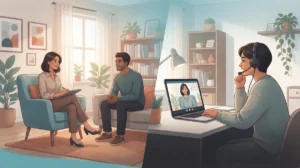
Telehealth therapy in Florida eliminates travel barriers and allows you to receive evidence-based panic disorder treatment from home, making care accessible when leaving the house feels overwhelming.
-
Most people experience meaningful improvement within 8-20 therapy sessions, with treatment combining multiple approaches (CBT, mindfulness, EMDR) personalized to your specific triggers and trauma history.
-
EMDR therapy is highly effective when panic attacks are rooted in past trauma, helping your brain process stuck traumatic memories so they’re filed as past rather than present danger.
Imagine your heart racing out of nowhere. You can’t catch your breath. Your chest tightens, and a wave of terror washes over you — but there’s no obvious reason why. If this sounds familiar, you might be dealing with panic disorder. The good news? You are not alone, and real help is available right here in Brandon, Florida.
Panic disorder is more common than most people realize. Those sudden, overwhelming episodes of fear — often called panic attacks — can make everyday life feel unpredictable and exhausting. They can affect your work, your relationships, and your sense of safety in the world. But with the right support and evidence-based therapy, you can absolutely get your life back.
Whether you prefer in-person sessions or the convenience of telehealth, in-person therapy in Brandon, Florida and virtual options are more accessible than ever. This article walks you through four powerful therapy approaches that genuinely work — and what to expect when you take that first brave step toward healing.
Understanding Panic Disorder: What Is Really Happening
Before diving into treatment, it helps to understand what panic disorder actually is. A panic attack is a sudden surge of intense fear or discomfort. It peaks within minutes and often includes physical symptoms like a racing heart, shortness of breath, dizziness, or a feeling that something terrible is about to happen.
Panic disorder is diagnosed when these attacks happen repeatedly and unexpectedly — and when you start worrying about having more of them. You might begin avoiding places or situations where you fear an attack could strike. Over time, this avoidance can shrink your world significantly.
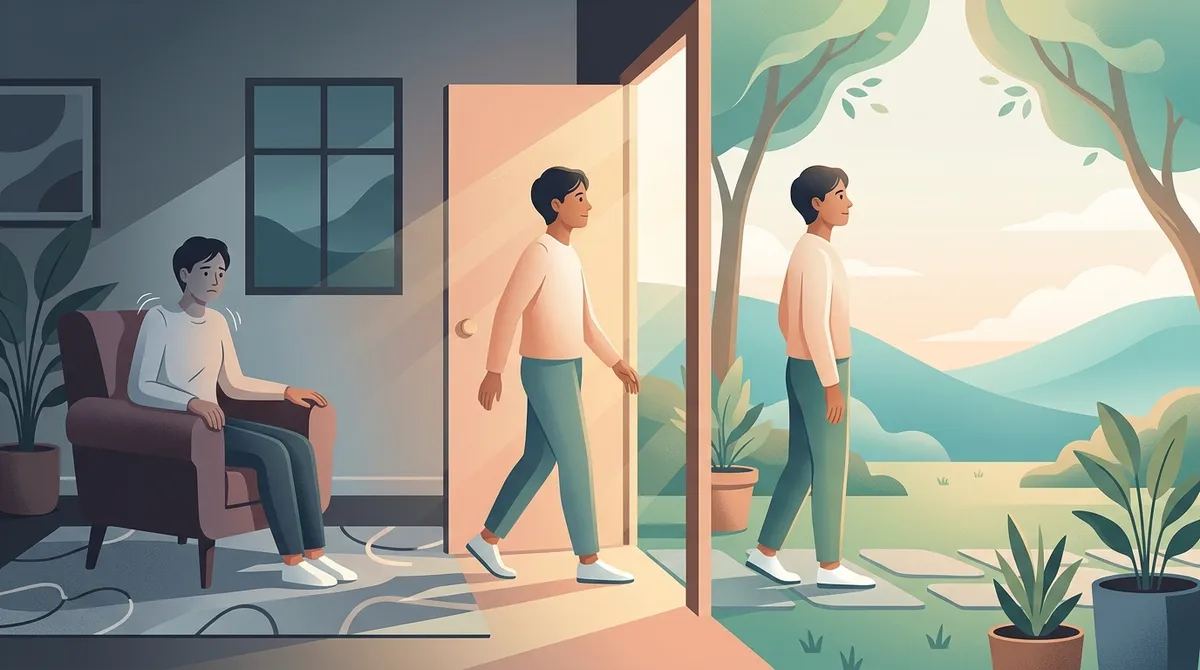
The panic attacks themselves are not dangerous, even though they feel that way. Your brain is essentially triggering a false alarm — the “fight or flight” response fires when there’s no real threat. Understanding this is actually the first step toward healing.
For helpful statewide resources on mental health support in Florida, check out the Mental Health Links provided by the Florida Department of Health.
4 Proven Therapy Approaches for Panic Disorder in Brandon
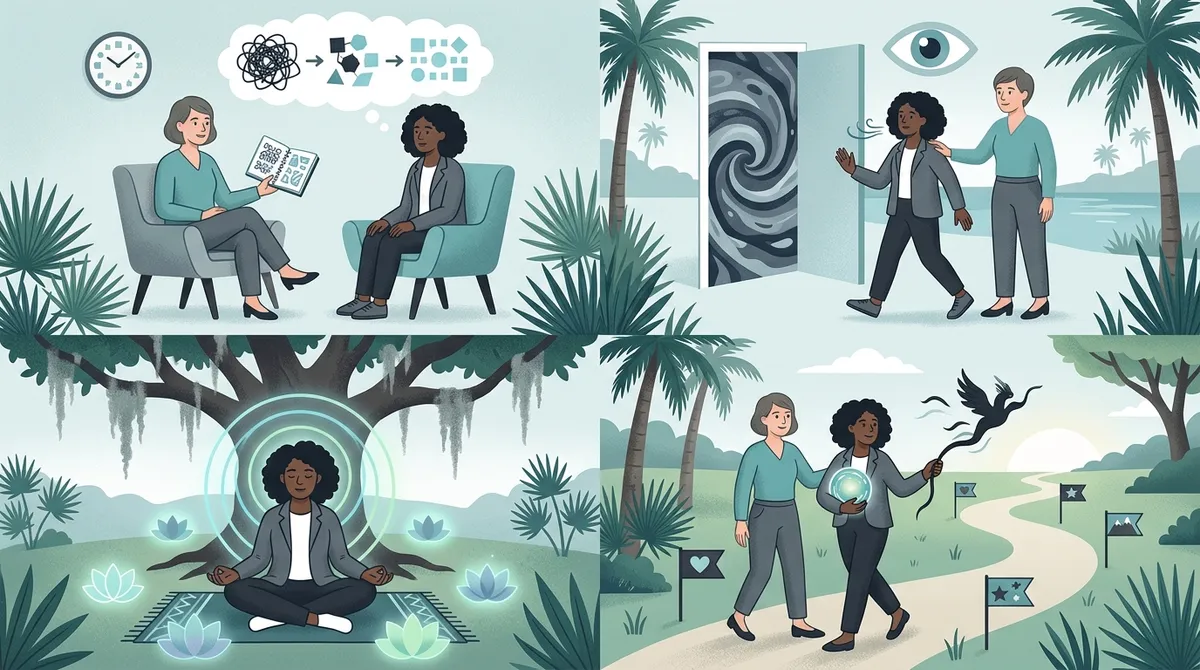
Not every therapy works the same way for every person. That’s why skilled therapists use a personalized mix of techniques to match your unique needs, history, and goals. Here are the four most effective approaches used in Brandon panic disorder therapy today.
1. Cognitive Behavioral Therapy (CBT)
CBT is the gold standard for treating panic disorder. Research consistently shows it is just as effective as medication — and the results tend to last longer. CBT helps you identify the thoughts and beliefs that fuel your panic. Then, you learn to challenge and reframe those thoughts so they lose their power.
In CBT sessions, you and your therapist work together to notice patterns. For example, you might believe that a racing heart means you’re having a heart attack. CBT helps you test that belief against reality. Over time, your brain learns to interpret physical sensations more accurately — without automatically going into panic mode.
Here’s what a typical CBT journey for panic disorder includes:
- Education about panic disorder — understanding what panic attacks are and why they happen
- Identifying triggers and thought patterns — pinpointing the thoughts that escalate fear
- Cognitive restructuring — learning to challenge and replace unhelpful thoughts
- Gradual exposure exercises — gently facing feared situations in a safe, controlled way
- Relapse prevention planning — building skills to handle future challenges confidently
Learning about understanding anxiety signs, types, and treatment options can help you feel more prepared before your first session.
2. Exposure Therapy
Exposure therapy is often used alongside CBT. The idea is straightforward: avoidance makes panic disorder worse, while gentle, repeated exposure to feared situations makes it better. Your therapist guides you through this process at a pace that feels manageable — never reckless.
There are two main types of exposure used in Brandon panic disorder therapy:
- Interoceptive exposure — intentionally creating mild physical sensations (like slightly racing your heart through exercise) so your brain learns they are safe
- Situational exposure — gradually re-entering places or situations you’ve been avoiding, like driving, grocery stores, or crowded spaces
Exposure therapy can sound a little scary at first — and that’s completely understandable! But it’s always done collaboratively, with your comfort and consent leading the way. Many people find it incredibly freeing to realize they can handle more than they thought.
For a broader look at how anxiety treatment works across different conditions, West Florida Therapy offers warm, personalized care that meets you exactly where you are.
3. Mindfulness-Based Therapy
Mindfulness-based approaches have become a powerful complement to traditional therapy for panic disorder. The core idea is learning to observe your thoughts and body sensations without automatically reacting to them. Instead of fighting a panic attack, you learn to “ride the wave” with calm awareness.
Mindfulness techniques that help with panic disorder include:
- Focused breathing exercises to activate the body’s calming response
- Body scan meditations to build awareness of physical sensations
- Grounding techniques to bring you back to the present moment during an attack
- Non-judgmental observation of anxious thoughts without getting swept away by them
Some therapists integrate mindfulness with Dialectical Behavioral Therapy (DBT) techniques, which are especially useful for managing intense emotions and building distress tolerance. This approach pairs beautifully with CBT for a well-rounded treatment plan.
If you’re curious whether mood issues are connected to your panic attacks, a skilled therapist can help you explore these links in a safe and supportive environment.
4. EMDR Therapy for Panic Disorder Rooted in Trauma
Sometimes panic disorder is connected to past traumatic experiences. You might not even realize that a frightening event from years ago is still quietly driving your nervous system’s responses today. In these cases, EMDR treatment (Eye Movement Desensitization and Reprocessing) can be a game-changer.
EMDR helps your brain process traumatic memories that are “stuck” in a way that keeps triggering fear responses. Through a gentle, structured protocol involving bilateral stimulation (like guided eye movements), your brain can finally file those memories away as past — not present danger.
Research shows EMDR is highly effective for trauma-related anxiety. If your panic attacks seem to spike in situations that remind you of something painful from your past, it’s worth talking to your therapist about whether EMDR might be a helpful addition to your treatment plan. You can also learn more about how to recognize and heal from psychological trauma.
Comparing Panic Disorder Therapy Approaches at a Glance
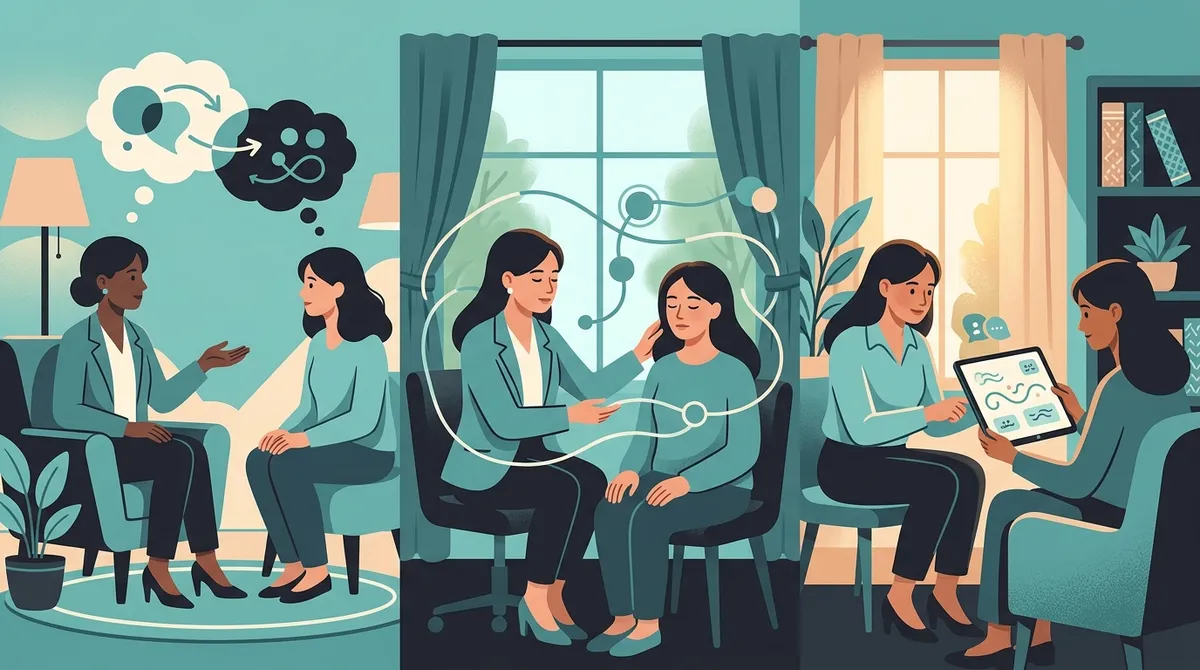
Choosing the right therapy approach can feel overwhelming. Here’s a simple comparison to help you understand the key differences:
| Therapy Approach | Best For | Key Technique | Typical Duration |
|---|---|---|---|
| Cognitive Behavioral Therapy (CBT) | Thought patterns driving panic | Cognitive restructuring | 12–20 sessions |
| Exposure Therapy | Avoidance behaviors | Gradual exposure exercises | 8–16 sessions |
| Mindfulness-Based Therapy | Emotional regulation & stress | Breathing & body awareness | 8–12 sessions |
| EMDR Therapy | Trauma-related panic | Bilateral stimulation | 6–12 sessions |
Keep in mind that many therapists combine these approaches. A personalized plan that draws from multiple techniques is often the most effective path forward.
What to Expect When You Start Therapy for Panic Disorder
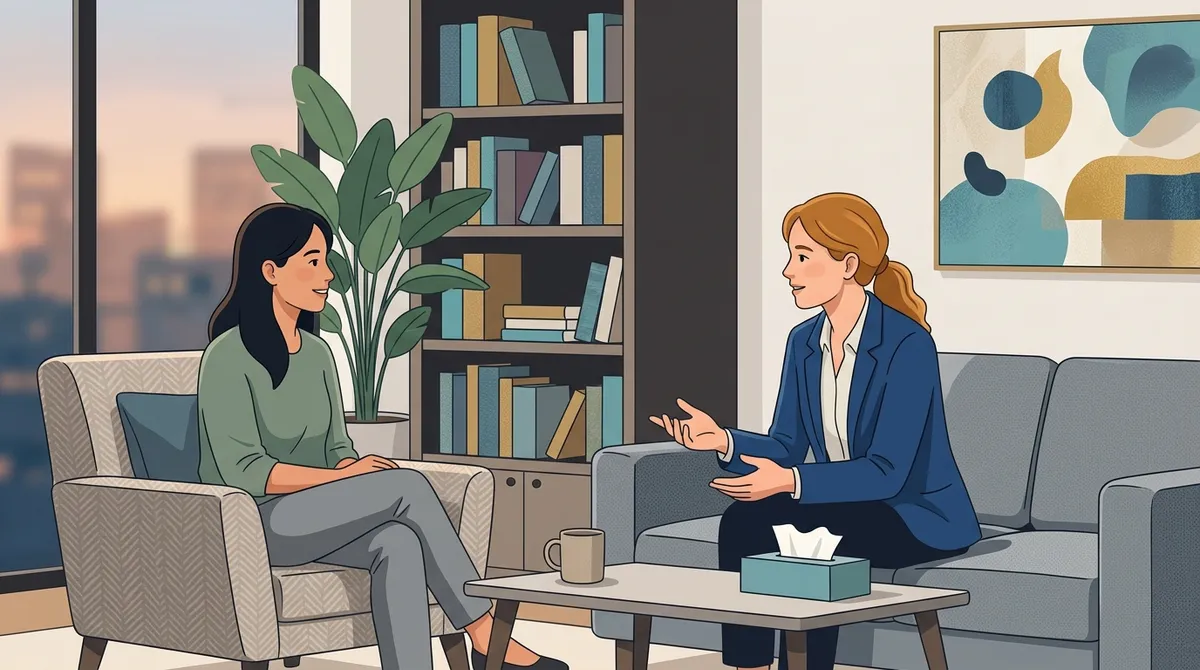
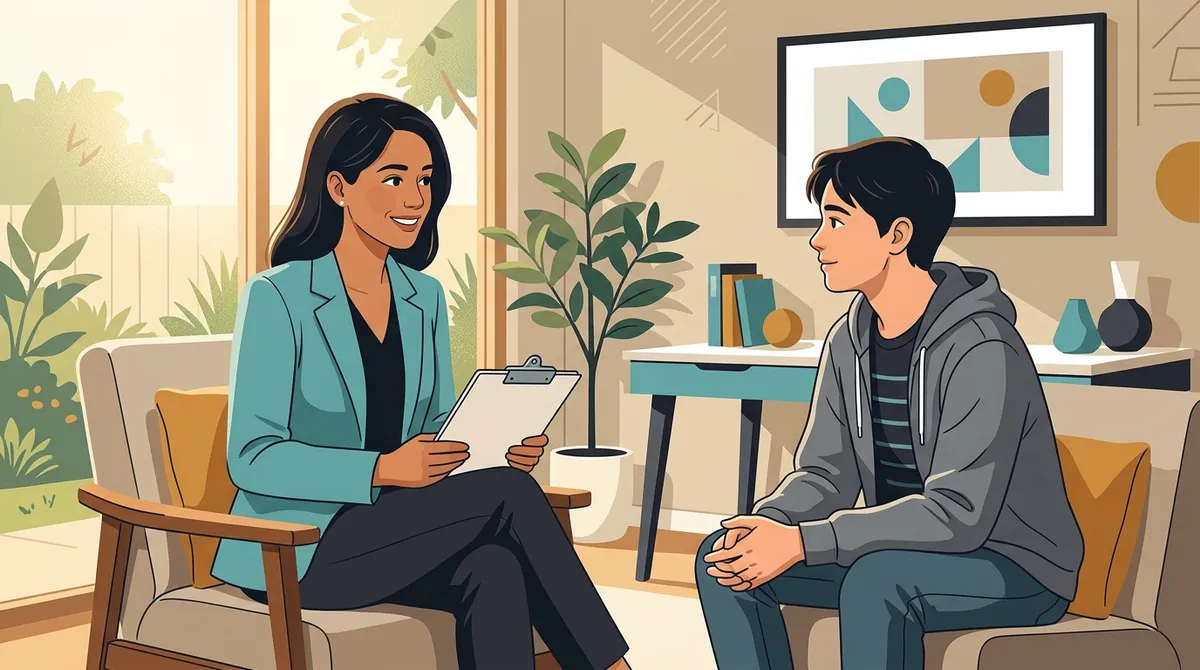
Starting therapy can feel like a big step. You might wonder what it will be like, whether it will help, or whether you’ll feel judged. These are completely normal feelings — and a good therapist will make sure you feel safe and respected from the very first session.
Here’s a general outline of what the process looks like:
- A free initial consultation — a brief phone call to discuss your concerns and see if the therapist is a good fit for you
- A thorough assessment — your therapist gathers information about your history, symptoms, and goals
- A personalized treatment plan — together, you decide on the best approach for your specific situation
- Weekly or bi-weekly sessions — consistent support that builds on itself over time
- Progress check-ins — regular reviews to celebrate your growth and adjust the plan as needed
You can explore our process at West Florida Therapy to see exactly how Margaret Deuerlein and her team support clients through every step of their healing journey.
Meet Margaret Deuerlein: A Caring Therapist for Brandon Residents
When it comes to finding the right support for panic disorder, the relationship with your therapist matters enormously. Margaret Deuerlein is a licensed and certified psychotherapist who brings warmth, expertise, and genuine care to every session. She works with adults and adolescents facing anxiety, panic, trauma, depression, and more.
Margaret offers in-person sessions in Brandon, Florida, and telehealth therapy throughout the state — making it easy to access quality care no matter where you are in Florida. She also provides bilingual services in both English and Spanish, which is a wonderful resource for Spanish-speaking clients who want to do their healing in their heart language.
At West Florida Therapy, you are never just a case number. You are a whole person, and your care is treated that way. Visit us on Google to read reviews from clients who have found real relief and healing through their work with West Florida Therapy.
You can also learn more about the team and their values on the About page.
Telehealth Options: Therapy from the Comfort of Home
One of the biggest barriers to getting help is simply showing up. For people with panic disorder, leaving the house can sometimes feel like the hardest part. That’s where telehealth therapy in Florida becomes a lifeline.
Telehealth therapy allows you to connect with your therapist via secure video from anywhere in Florida. It’s private, convenient, and just as effective as in-person sessions for most people. In 2026, telehealth has become a normalized and trusted option for mental health care — and it can be especially valuable when you’re just starting out.
Benefits of telehealth therapy for panic disorder include:
- No travel required — ideal when anxiety makes leaving home difficult
- Flexible scheduling that fits around work, school, or family life
- Same quality of evidence-based therapy as in-person care
- Access to specialized therapists regardless of your location in Florida
- A familiar environment that can feel safer for some clients
For more information on mental health services and resources across Florida, the Substance Abuse & Mental Health services page from the Florida Department of Children and Families is a helpful starting point.
Insurance and Payment Options
Cost is one of the most common concerns people have about starting therapy. At West Florida Therapy, flexible payment options are available to make care as accessible as possible.
- Insurance accepted: Aetna, Cigna, Florida Blue, Optum, Oscar, and United Health Care
- Out-of-pocket payments: Competitive rates with maximum privacy and flexibility
- HSA and FSA accounts: Accepted for your convenience
- Major credit cards: All major cards welcome
It’s always a good idea to contact your insurance carrier directly to verify your mental health benefits, copayments, and deductible requirements before your first session.
The Mental Health Resources from the CDC also offer guidance on how to find affordable mental health care in your area.
Taking the First Step Toward Panic-Free Living
Living with panic disorder can feel isolating. But the truth is, millions of people navigate this challenge every day — and millions more find their way to lasting relief through therapy. You don’t have to keep white-knuckling your way through panic attacks or shrinking your life to avoid them.
Whether you’re a busy millennial juggling work and family, a teenager struggling with school stress and social anxiety, or a Spanish-speaking adult looking for bilingual care — Brandon panic disorder therapy can be tailored to meet your unique needs. Healing is not one-size-fits-all, and neither is the support you deserve.
Explore more about mental health resources and how therapy can support your overall well-being. And if you’re ready to take that first courageous step, we would love to hear from you.
At West Florida Therapy, real change is possible — and it starts with one conversation. Reach out today to schedule your free 15-minute consultation and discover what life can feel like on the other side of panic.
FAQs
Q: What is the best therapy for panic disorder in Brandon, FL?
A: Cognitive Behavioral Therapy (CBT) is widely considered the gold standard for treating panic disorder — and research shows it works just as well as medication! Many therapists in Brandon also combine CBT with exposure therapy, mindfulness techniques, or EMDR for a personalized approach that addresses your unique needs.
Q: Are there telehealth therapy options for panic disorder in Brandon?
A: Absolutely! Telehealth therapy is a fantastic option for people in Brandon and across Florida. West Florida Therapy offers virtual sessions that are secure, convenient, and just as effective as in-person care — perfect if leaving the house feels overwhelming right now.
Q: How long does therapy for panic disorder usually take?
A: It varies from person to person, but many people start noticing meaningful improvements within 8 to 20 sessions. Your therapist will regularly check in on your progress and adjust your plan so you keep moving forward at a pace that feels right for you.
Q: Can panic disorder be treated without medication?
A: Yes! Talk therapy — especially CBT — is equally as effective as medication for treating panic disorder, and many people choose therapy as their primary treatment. Your therapist will help you decide the best approach based on your symptoms, history, and personal preferences.
Q: Is bilingual therapy available for panic disorder in Brandon, FL?
A: Yes! West Florida Therapy offers bilingual services in both English and Spanish, so you can do your healing in the language that feels most natural and comfortable for you. Reaching out for support should never be limited by a language barrier.