
Key Takeaways
-
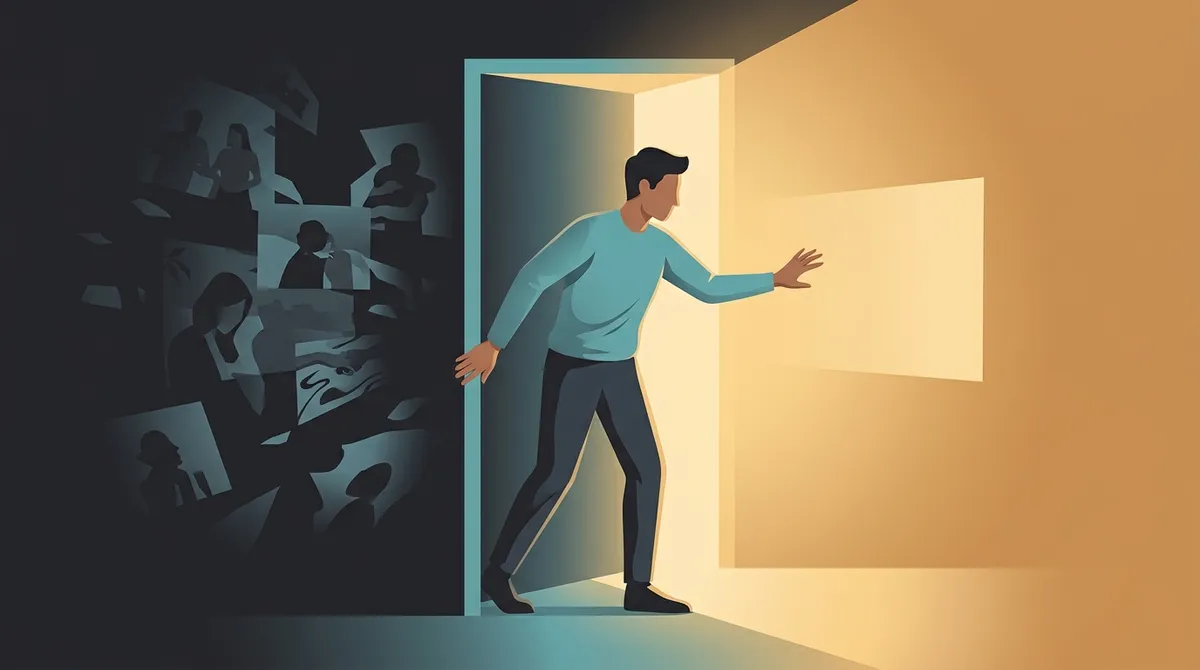
Fear of relationships is a treatable pattern of persistent worry and avoidance rooted in past experiences like childhood instability, trauma, or abandonment—understanding these origins is the first step toward healing.
-
Common signs include constantly seeking reassurance, overanalyzing others’ behavior, avoiding commitment, and staying emotionally detached; recognizing these patterns in yourself signals the need for professional support.
-
Therapy approaches like CBT, DBT, Schema Therapy, and EMDR are proven effective for relationship anxiety, with a skilled therapist helping you identify which approach best matches your specific situation.
-
Start with immediate actionable steps: name your fear, challenge one negative belief when it appears, practice small acts of vulnerability, and be patient with yourself—these build momentum before deeper therapy work.
-
Unaddressed relationship anxiety spreads beyond romantic connections to affect friendships, family dynamics, and professional relationships, potentially deepening isolation and triggering depression or chronic anxiety.
-
Both individual therapy and couples therapy can address relationship fears effectively; couples therapy is particularly powerful for exploring fears within the relationship itself and rebuilding trust together with your partner.
Have you ever pulled away from someone who cared about you, even when you wanted to stay? Or maybe you’ve found yourself overthinking every text, every look, every moment of connection — wondering when it will all fall apart? If this sounds familiar, you’re not alone. Fear of relationships, also called relationship anxiety or fear of intimacy, is more common than most people realize. It quietly shapes how we connect with others, often in ways we don’t fully understand.
The good news? This fear doesn’t have to define you. With the right support, it’s absolutely possible to build the meaningful, loving connections you deserve. This article will walk you through what fear of relationships really means, where it comes from, and how therapy can help you move forward with confidence and openness.
What Is Fear of Relationships?
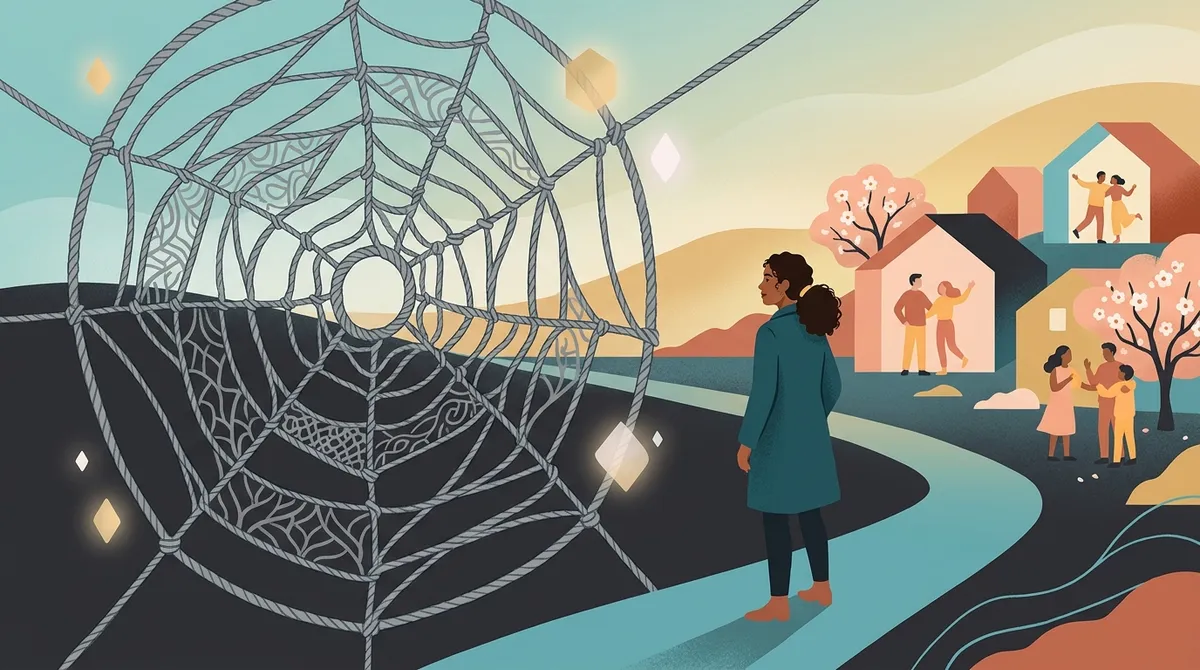
Fear of relationships is a pattern of persistent worry, avoidance, or emotional distance around romantic or close connections. It’s not just feeling nervous on a first date. It goes deeper — affecting how you trust, how you communicate, and how willing you are to be vulnerable with another person.
Some people with relationship fear push others away before things get too serious. Others stay in relationships but keep emotional walls firmly in place. Either way, the result is the same: real intimacy feels unsafe or overwhelming. According to Mental Health Resources from the CDC, unaddressed emotional concerns like these can have a rippling effect on overall well-being and daily functioning.
If you’ve been struggling with relationship problems, it may be worth exploring whether fear of intimacy is at the root of the challenge.

Common Signs You May Have Relationship Anxiety
Relationship anxiety shows up differently for everyone. But there are some patterns that tend to appear again and again. Here are some of the most common signs:
- Constantly worrying that your partner will leave you
- Seeking reassurance over and over, even when things are going well
- Overanalyzing what people say or how they behave toward you
- Struggling to trust others, even when they’ve given you no reason not to
- Feeling emotionally numb or detached in close relationships
- Avoiding commitment or sabotaging relationships when they get serious
- Feeling anxious, irritable, or on edge around people you care about
If several of these feel familiar, that’s a signal worth paying attention to. You might also want to read more about understanding anxiety signs, types, and treatment options to get a clearer picture of what you’re experiencing.
What Causes Fear of Relationships?
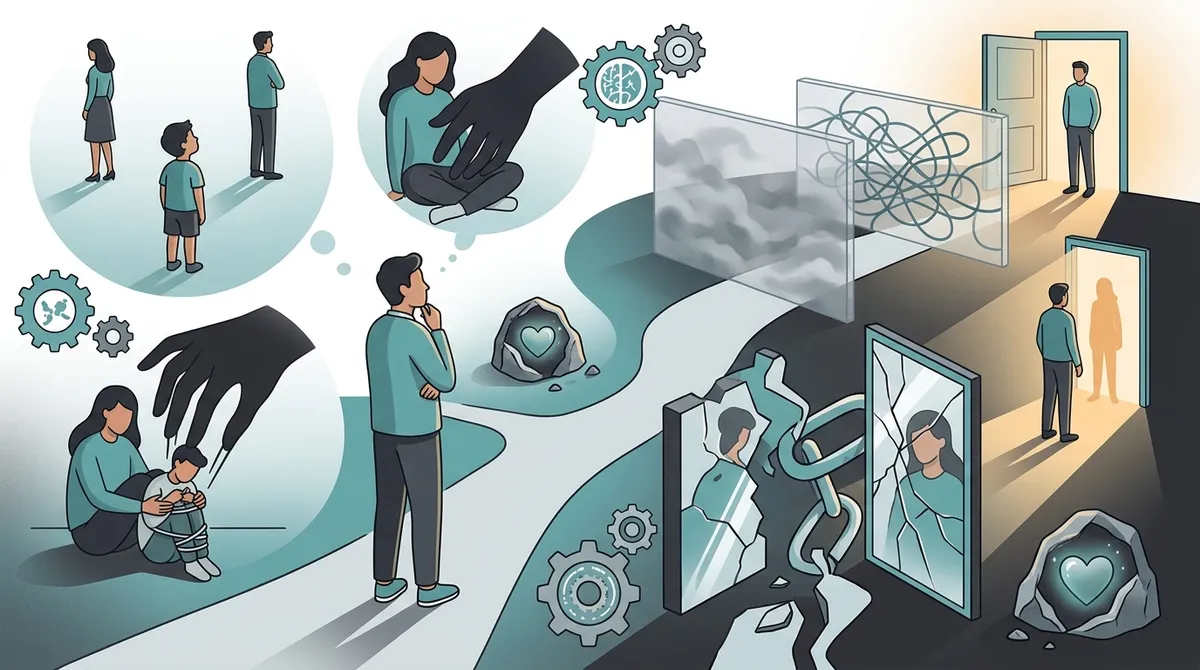
Fear of relationships rarely comes out of nowhere. It’s usually rooted in past experiences that taught you — consciously or not — that closeness isn’t safe. Understanding these roots is one of the first steps toward healing.
Childhood Experiences
The way we learned to relate to caregivers as children shapes how we relate to partners as adults. If your early home environment involved instability, emotional unavailability, or inconsistency, you may have developed an anxious or avoidant attachment style. These early lessons stick with us in powerful ways.
Past Relationship Trauma
Experiencing betrayal, emotional abuse, or sudden loss in a past relationship can make the idea of opening up again feel terrifying. Your brain and nervous system learn to associate closeness with danger, triggering a protective response. For more on this, explore how to recognize and heal from psychological trauma.
Fear of Abandonment
Some people carry a deep, unspoken belief that they will eventually be left. This fear of abandonment can make it feel safer to stay emotionally distant — because if you don’t let someone in, they can’t truly hurt you.
Low Self-Worth
Believing that you’re unworthy of love or that you’ll inevitably disappoint others can fuel relationship avoidance. These limiting beliefs often form early in life and can persist well into adulthood without intentional work to challenge them.
How Fear of Relationships Affects Your Life
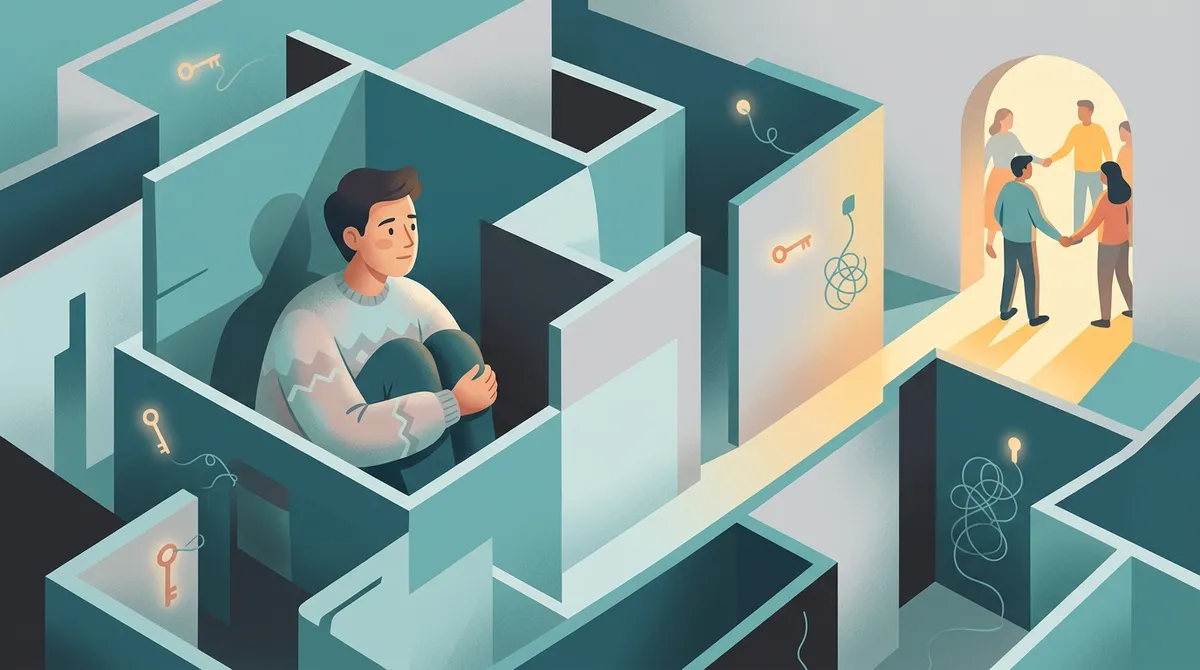
When fear of relationships goes unaddressed, the effects can spread beyond your romantic life. It can impact friendships, family dynamics, and even your professional relationships. Over time, isolation can deepen, and depression or chronic anxiety can take hold.
Research shows that 19% of Americans report being unhappy in their relationships, which highlights just how widespread relational distress really is. And when relationship anxiety is part of the picture, those challenges become even harder to navigate alone. According to Substance Abuse & Mental Health resources in Florida, early intervention in mental health concerns leads to significantly better outcomes.
You can also explore more about mood issues that often accompany relationship anxiety, such as emotional dysregulation or irritability within close connections.
Therapy Approaches That Help With Fear of Relationships
The great news is that fear of relationships is very treatable. There are several well-established therapy approaches that can help you understand your patterns, challenge unhelpful beliefs, and build real connection with others.
| Therapy Type | What It Focuses On | Best For |
|---|---|---|
| Cognitive Behavioral Therapy (CBT) | Identifying and reframing negative thought patterns | Anxious thoughts about relationships, fear of rejection |
| Dialectical Behavior Therapy (DBT) | Emotional regulation and distress tolerance | Intense emotional reactions in relationships |
| Schema Therapy | Deep-seated beliefs formed in early life | Long-standing patterns from childhood |
| EMDR Therapy | Processing traumatic memories | Relationship fears rooted in past trauma |
| Couples Therapy | Communication, trust, and intimacy within the relationship | Partners working through fears together |
Each of these approaches offers a unique path forward. A skilled therapist will help you figure out which one — or which combination — makes the most sense for your situation. You can explore EMDR treatment as one powerful option, especially if past trauma plays a role in your relationship fears.
Steps You Can Take Right Now
While therapy is the most effective path forward, there are some things you can start doing today to begin shifting your relationship with intimacy and connection.
- Name the fear. Simply acknowledging that you have a fear of relationships is a powerful first step. Awareness opens the door to change.
- Challenge one negative belief. When a thought like “no one will stay” comes up, pause and ask: is this really true? What evidence do I have for and against it?
- Practice small acts of vulnerability. You don’t have to open up all at once. Start with small moments of honesty or emotional sharing, and notice what happens.
- Reach out for professional support. A licensed therapist can guide you through the deeper work that truly transforms these patterns.
- Be patient with yourself. Healing isn’t linear. Give yourself grace as you learn and grow at your own pace.
These steps won’t erase fear overnight, but they can help you start moving in a healthier direction. If you’re ready to go deeper, working with a psychotherapist is one of the most meaningful investments you can make in your emotional well-being.
How Margaret Deuerlein Can Help
At West Florida Therapy, Margaret Deuerlein is a caring and highly experienced psychotherapist who specializes in helping individuals and couples work through exactly these kinds of challenges. Margaret brings warmth, clinical expertise, and genuine compassion to every session. Whether you’re just beginning to recognize your fear of relationships or you’ve been struggling with it for years, she can help you find a path forward that feels right for you.
Margaret works with adults and adolescents, both in person in Brandon, Florida, and virtually throughout all of Florida. Bilingual services in English and Spanish are also available — making therapy more accessible for the many Spanish-speaking adults in Florida who may have faced language barriers when seeking mental health care. You can learn more about her approach on the About Margaret Deuerlein page.
Individual and Couples Support for Relationship Fears
Fear of relationships can be worked through in individual therapy, where you focus on your own patterns, history, and growth. But sometimes, working through these fears within the relationship itself — with your partner present — can be even more powerful.
Couples therapy provides a safe, structured space for both partners to explore their fears, improve communication, and rebuild trust and closeness. It’s not about assigning blame — it’s about understanding each other better and building something stronger together.
Here are some specific ways couples therapy can help with relationship anxiety:
- Learning to express needs without fear of judgment
- Developing communication skills that reduce misunderstandings
- Building emotional safety as a team
- Identifying and breaking unhelpful cycles in the relationship
- Strengthening trust and emotional intimacy over time
What to Expect From the Therapy Process
Starting therapy can feel daunting, especially if you already struggle with vulnerability. But at West Florida Therapy, the process is designed to feel supportive and manageable from day one. Here’s a simple breakdown of what to expect:
- Free 15-minute consultation. You’ll have a brief phone call to share your concerns and see if the fit feels right — no pressure, no commitment.
- Personalized treatment plan. Together, you and your therapist will build a plan tailored to your specific experiences and goals.
- Regular sessions. You’ll meet weekly or bi-weekly, in person or via telehealth, with each session building on the last.
- Ongoing check-ins. Progress is regularly reviewed and the plan is adjusted as needed, so your therapy always stays relevant to where you are.
If in-person care feels more comfortable, you can find out more about in-person therapy in Brandon, Florida. Prefer the flexibility of virtual sessions? Telehealth therapy in Florida is a fantastic option that allows you to access care from wherever you are.
You can also check out the full our process page to get a detailed overview of what to expect at every stage of your therapy journey.
Florida Mental Health Resources and Support
If you’re in Florida and looking for additional support alongside therapy, there are great statewide resources available. The Mental Health Links from Florida Health offer a range of services and information to help you navigate your mental wellness journey. It’s always helpful to know that a broader network of support exists as you take these important steps forward.
And if you’ve been wondering whether what you experience is connected to broader mental health concerns like anxiety, depression, or trauma, you’re likely in the right place. These conditions often show up together, and addressing them in an integrated way leads to the best outcomes.
Taking the First Step Toward Connection
Fear of relationships can feel isolating. It can make you feel like something is broken inside you, or like real connection is just not meant for you. But none of that is true. You are worthy of love, closeness, and belonging — and help is available.
Whether you’re navigating relationship anxiety on your own or within a partnership, reaching out for support is a sign of incredible courage. You don’t have to keep carrying this alone. We’d love to walk alongside you as you work toward the connections and the life you truly deserve.
Check out our reviews and learn more about what we offer when you visit us on Google — we’d love to hear from you!
Ready to take that first step? Reach out to our team today to schedule your free 15-minute consultation with West Florida Therapy. You deserve support that truly works — and it starts with one brave conversation.
FAQs
Q: What is relationship anxiety, and is it different from just being nervous?
A: Relationship anxiety goes beyond regular first-date nerves — it’s a persistent pattern of worry, doubt, and emotional avoidance that can affect all of your close connections. It often shows up as fear of abandonment, excessive reassurance-seeking, or pulling away when things start to feel serious. The good news is that with the right support, it’s very manageable!
Q: What causes a fear of getting into relationships?
A: Fear of relationships usually stems from past experiences — like a difficult childhood, past heartbreak, betrayal, or trauma — that taught your mind and body that closeness isn’t safe. These experiences shape deep beliefs about yourself and others that can linger into adulthood. A therapist can help you understand and gently work through those roots.
Q: Can therapy really help with fear of relationships?
A: Absolutely! Therapies like CBT, DBT, Schema Therapy, and EMDR are all proven approaches for addressing relationship anxiety and fear of intimacy. Many people find that therapy helps them understand their patterns, challenge limiting beliefs, and finally feel comfortable opening up to others in a healthy way.
Q: When should I seek professional help for relationship anxiety?
A: If fear of relationships is keeping you from forming meaningful connections, causing significant distress, or contributing to anxiety or depression, it’s a great time to reach out for support. You don’t have to wait until things feel crisis-level — the earlier you address it, the easier it is to make positive changes.
Q: Is therapy available in Spanish for relationship anxiety?
A: Yes! At West Florida Therapy, bilingual services in English and Spanish are available, making it easier for Spanish-speaking adults in Florida to access the mental health support they need. You deserve to work through these challenges in the language where you feel most comfortable and understood.