
Key Takeaways
-
Depression is a real medical condition affecting thoughts, energy, sleep, and daily functioning; licensed therapists provide personalized support using evidence-based methods like CBT and mindfulness to create lasting change.
-
Recognize key depression signs including persistent sadness, loss of interest in activities, sleep changes, low energy, difficulty concentrating, and social withdrawal—reaching out to a professional when experiencing several of these is a smart choice.
-
Choose therapists based on credentials (LMHC, LCSW, PhD/PsyD), depression specialization, evidence-based approaches, insurance acceptance, and bilingual services; verify licenses through Florida’s licensing board or trusted directories.
-
Both in-person and online therapy are highly effective for depression; select based on your preference for face-to-face connection versus convenience and accessibility from home or remote locations.
-
Access therapists through your primary care doctor, insurance directories, online platforms like Psychology Today and GoodTherapy.org, or Florida state mental health resources; call 988 if in crisis.
-
Effective depression treatments include Cognitive Behavioral Therapy (CBT) for thought patterns, mindfulness-based therapy for stress, solution-focused therapy for goals, and EMDR for trauma-related depression—your therapist will tailor the approach to your needs.
Feeling down, exhausted, or just not like yourself anymore? You are not alone. Depression affects millions of people every year, and reaching out for help is one of the bravest things you can do. Whether you are dealing with persistent sadness, low energy, or that heavy feeling that just will not go away, a qualified depression therapist can make a real difference in your life. The good news? Finding the right support is more accessible than ever in 2026 — especially here in Florida. This guide will walk you through exactly how to find a depression therapist near you, what to look for, and how to take that first powerful step toward feeling better.

Why Seeking a Depression Therapist Matters
Depression is more than just feeling sad. It is a real medical condition that affects your thoughts, energy, sleep, and daily functioning. According to the Mental Health Resources from the CDC, depression is one of the most common mental health conditions in the United States. Yet many people wait months or even years before reaching out for professional help.
Working with a licensed therapist means you get personalized support. A therapist can help you identify patterns, build coping skills, and work through the root causes of how you are feeling. It is not just about talking — it is about real, lasting change. If you want to understand more about what depression looks like and how it affects daily life, check out this helpful resource on What Is Depression And How Does It Affect Your Daily Life.
Step 1: Recognize the Signs That You Need Support
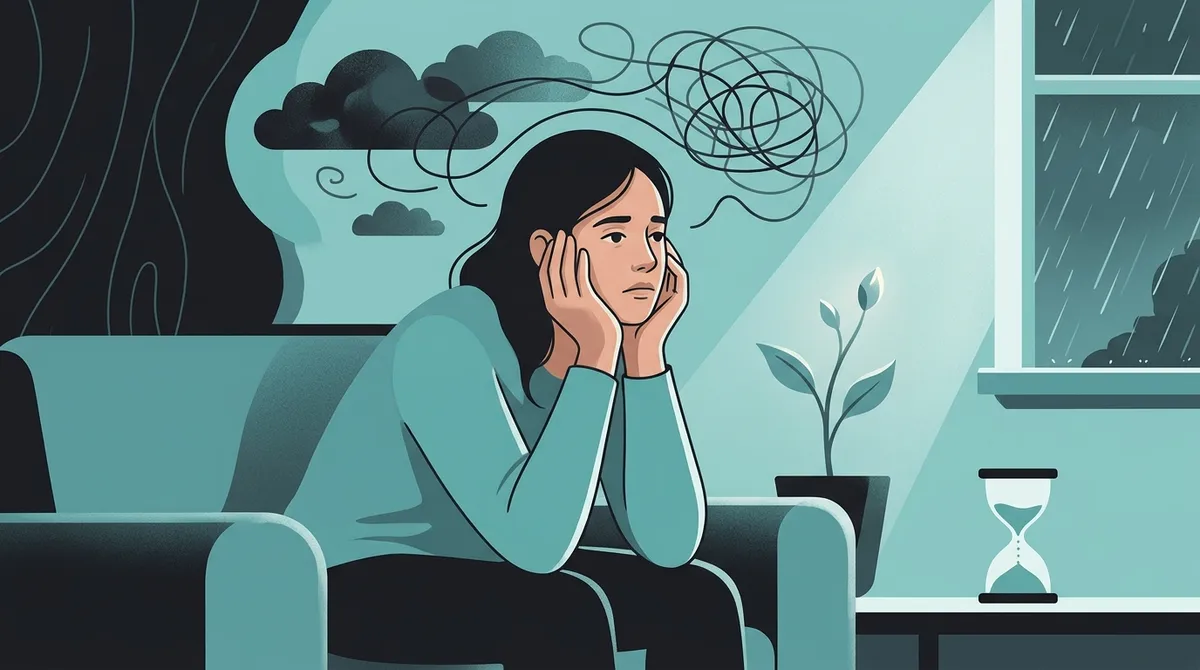
Before you start searching for a depression therapist near you, it helps to recognize what you are experiencing. Depression can look different from person to person. Here are some common signs to watch for:
- Persistent feelings of sadness, emptiness, or hopelessness
- Loss of interest in activities you used to enjoy
- Changes in sleep — sleeping too much or too little
- Low energy and constant fatigue
- Difficulty concentrating or making decisions
- Withdrawing from friends, family, or social activities
- Feelings of worthlessness or excessive guilt
- Physical symptoms like headaches or digestive issues with no clear cause
If several of these resonate with you, it is a clear signal that reaching out to a professional is a smart and caring choice. You deserve support. For more on Depression Treatment, knowing your symptoms is a great first step.
Step 2: Know What Type of Therapist to Look For
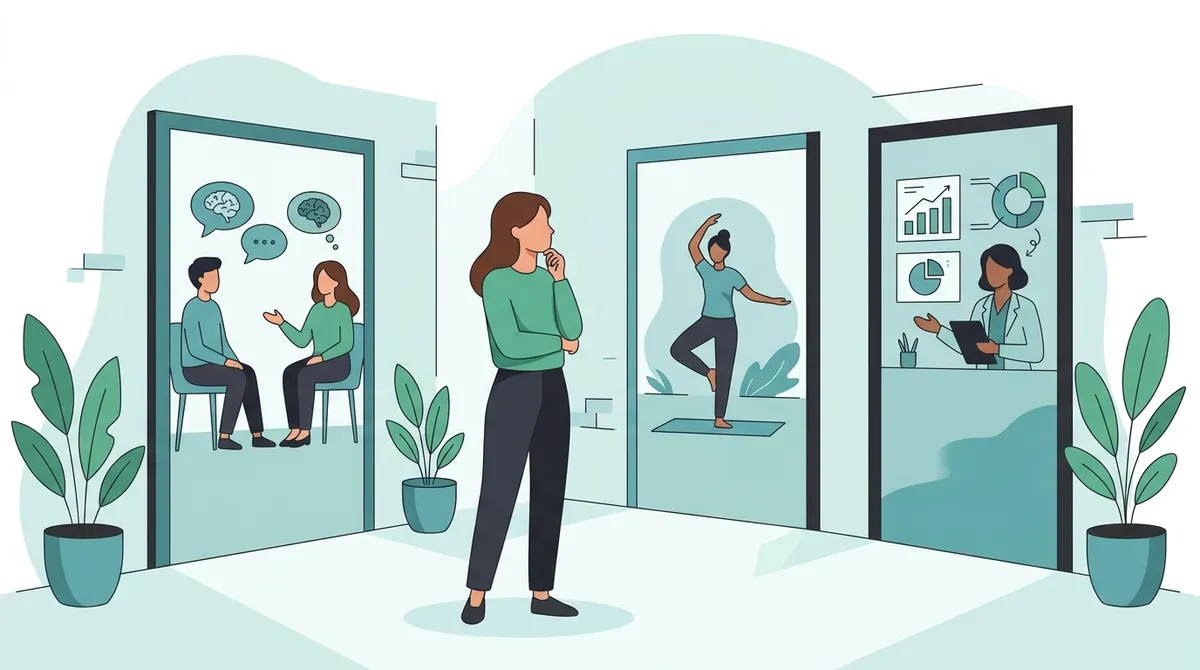
Not all mental health professionals are the same. Understanding the different types can help you make a more informed choice. Here is a quick breakdown:
| Type of Professional | Credentials | What They Do |
|---|---|---|
| Licensed Counselor (LMHC) | Master’s degree + state license | Talk therapy, coping skills, life challenges |
| Licensed Clinical Social Worker (LCSW) | Master’s in Social Work + license | Therapy + community resources |
| Psychologist (PhD/PsyD) | Doctoral degree + license | Therapy + psychological testing |
| Psychotherapist | Varies by license type | In-depth talk therapy for emotional challenges |
For most people dealing with depression, a licensed therapist or psychotherapist is a wonderful fit. They are trained to use evidence-based methods like Cognitive Behavioral Therapy (CBT), mindfulness, and solution-focused techniques to help you feel better.
Step 3: Decide Between In-Person and Online Therapy
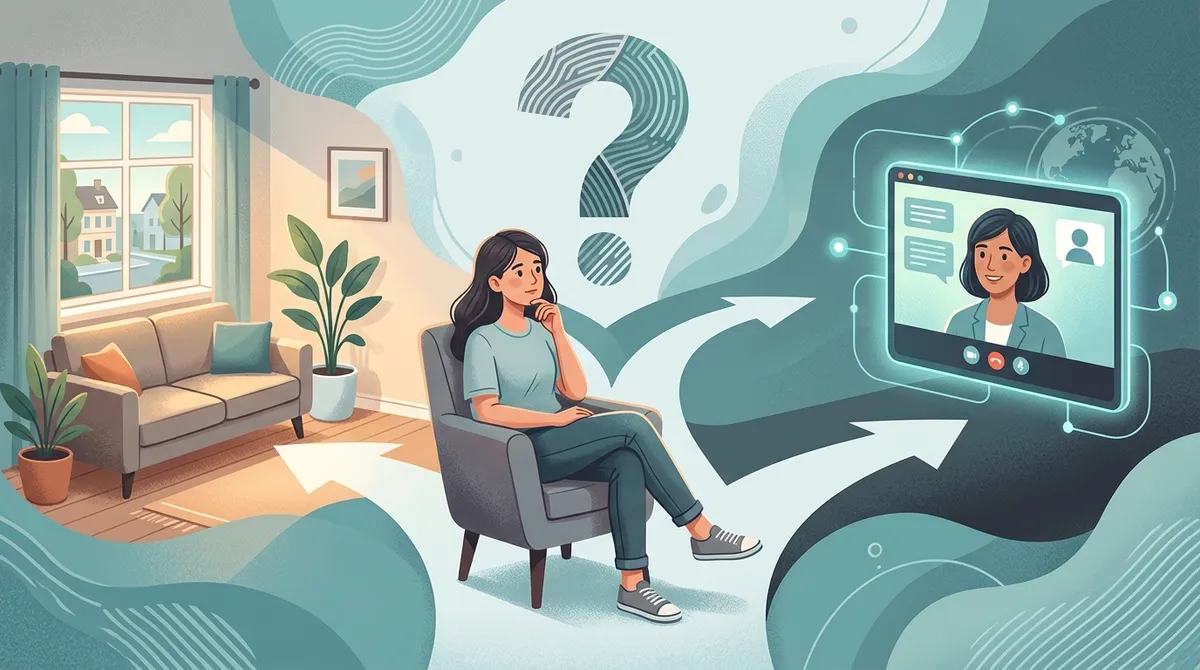
One of the most common questions people ask is: should I see someone in person or try telehealth? The honest answer is — it depends on what works best for you. Both options are highly effective for treating depression.
Here are the benefits of each to help you decide:
In-Person Therapy Benefits:
- Face-to-face connection that many people find comforting
- A dedicated, distraction-free environment
- Easier for those who prefer non-verbal communication
- Great for building a strong therapeutic relationship
Online/Telehealth Therapy Benefits:
- Convenient — attend sessions from your home, office, or anywhere in Florida
- No commute required, saving time and stress
- Perfect for busy schedules or rural areas
- Just as effective as in-person for most conditions including depression
At Telehealth Therapy Florida, you can access quality care no matter where you are in the state. West Florida Therapy offers both in-person sessions in Brandon, Florida, and virtual sessions available statewide — making it easy to fit therapy into your life.
Step 4: Look for These Key Qualities in a Therapist
Finding a depression therapist near you is not just about location. It is about finding someone you feel safe and comfortable with. Here are qualities worth prioritizing:
- Licensed and credentialed — Always verify their license through Florida’s licensing board or a trusted directory.
- Specializes in depression — Look for therapists who list depression as a primary focus area.
- Uses evidence-based approaches — CBT, EMDR, mindfulness-based therapy, and solution-focused therapy all have strong research backing. Learn more about EMDR Treatment and how it can support healing.
- Accepts your insurance or offers fair rates — Ask about accepted insurance plans upfront.
- Offers bilingual services if needed — If English is not your first language, a bilingual therapist removes one more barrier to care.
- Has availability — Make sure they are accepting new clients and can see you in a reasonable timeframe.
Margaret Deuerlein at West Florida Therapy brings all of these qualities together. As a caring and experienced psychotherapist, she offers bilingual services in both English and Spanish, making therapy accessible to a broader community across Florida. You can learn more about her approach on the About Margaret Deuerlein page.
Step 5: Use the Right Resources to Find a Therapist
Searching for a depression therapist near you does not have to feel overwhelming. Here are the best ways to find qualified help:
- Ask your primary care doctor — They can provide referrals to trusted local therapists.
- Check with your insurance company — They have directories of in-network providers in your area.
- Use online therapist directories — Platforms like Psychology Today and GoodTherapy.org let you filter by location, specialty, insurance, and more. In 2026, Grow Therapy alone lists over 2,300 verified therapists in Jacksonville, FL and across Florida.
- Visit Florida state resources — The Mental Health Links from the Florida Department of Health is a great place to start.
- Explore state mental health services — The Substance Abuse & Mental Health page from Florida Families provides community-based options.
If you are in crisis or cannot find immediate help, call or text 988 — the Suicide and Crisis Lifeline — available 24/7.
Step 6: Understand Your Treatment Options
Depression therapy is not one-size-fits-all. A good therapist will tailor their approach to your specific needs. Here are some of the most effective, evidence-based treatments used for depression:
| Therapy Type | Best For | How It Helps |
|---|---|---|
| Cognitive Behavioral Therapy (CBT) | Most types of depression | Changes negative thought patterns and behaviors |
| Mindfulness-Based Therapy | Stress, rumination, burnout | Builds present-moment awareness and calm |
| Solution-Focused Therapy | Life transitions, goal-setting | Focuses on strengths and practical solutions |
| EMDR Therapy | Depression linked to trauma | Processes distressing memories and reduces symptoms |
If your depression is connected to past trauma, Trauma Therapy may be especially helpful. Often depression and anxiety go hand in hand, so exploring Anxiety Treatment together with depression care makes a lot of sense. You might also find value in reading about Mood Issues to better understand the full picture.
Step 7: Take the First Step and Reach Out
This is often the hardest part — but it is also the most important. Once you have identified a therapist, here is how to take the next step:
- Schedule a free consultation — Many therapists, including West Florida Therapy, offer a free 15-minute phone consultation so you can ask questions and see if the fit feels right.
- Prepare a few talking points — Think about what you have been experiencing and what you hope to get from therapy. You do not have to have it all figured out!
- Ask about logistics — Confirm session frequency, costs, insurance, and availability for in-person or telehealth appointments.
- Commit to the process — Therapy works best with consistency. You can learn more about what to expect by visiting the Our Process page.
Depression can make even the smallest tasks feel difficult, but reaching out is worth it. You can also visit us on Google to read reviews and learn more about the experience others have had with West Florida Therapy.
What to Expect in Your First Session
Many people feel nervous before their first therapy appointment. That is completely normal! Here is what typically happens:
- Your therapist will ask about your current challenges and what brought you in
- You will discuss your personal history, goals, and what you hope to achieve
- Together, you will begin building a personalized treatment plan
- You will leave with a clearer sense of direction and the reassurance that help is on the way
You do not have to share everything at once. Therapy is a safe space, and a good therapist will meet you right where you are. If depression is affecting your relationships too, it may be worth exploring Couples Therapy as an additional layer of support.
Your Next Step Toward Feeling Better Starts Today
Finding a depression therapist near you is not just about a Google search — it is about finding someone who truly understands what you are going through and is ready to walk alongside you. From recognizing the signs to choosing the right type of therapy, every step you take brings you closer to feeling like yourself again.
Depression does not have to define your story. With the right support, healing is absolutely possible. If you are in Florida and ready to begin, reach out and schedule your free 15-minute consultation with West Florida Therapy today. You deserve to feel better — and you do not have to do it alone.
FAQs
Q: How do I find a depression therapist near me in Florida?
A: You can start by asking your primary care doctor for a referral, checking with your insurance company for in-network providers, or using online directories like Psychology Today. West Florida Therapy offers both in-person sessions in Brandon, FL, and telehealth therapy throughout Florida — and a free 15-minute consultation to help you get started.
Q: What is the best type of therapy for depression?
A: Cognitive Behavioral Therapy (CBT) is one of the most well-researched and effective approaches for depression, helping you identify and change negative thought patterns. Other helpful options include mindfulness-based therapy, solution-focused therapy, and EMDR for depression connected to past trauma. Your therapist will help you find the best fit for your unique situation.
Q: Can I get online therapy for depression if I live in Florida?
A: Absolutely! Telehealth therapy is a fantastic option for Floridians who want flexible, accessible mental health support. West Florida Therapy offers virtual sessions available statewide, so you can connect with a licensed therapist from the comfort of your own home — no commute needed.
Q: How much does depression therapy cost without insurance?
A: Out-of-pocket therapy costs vary depending on the provider, but many therapists offer competitive rates for self-pay clients. West Florida Therapy accepts major credit cards, HSA, and FSA accounts, and is in-network with several insurance providers including Aetna, Cigna, Florida Blue, and United Health Care. It is always worth calling to ask about rates and options!
Q: What are the signs I should see a therapist for depression?
A: If you have been experiencing persistent sadness, loss of interest in things you love, low energy, sleep changes, or feelings of hopelessness for two weeks or more, it is a good idea to reach out to a therapist. You do not have to be in crisis to seek help — early support can make a big difference in your recovery journey.