
Key Takeaways
-
Identify your specific anxiety type (GAD, social anxiety, panic disorder, etc.) and choose a therapist specializing in that condition to ensure targeted, effective treatment in Brandon.
-
Bilingual Spanish-English therapy is available in Brandon and significantly improves comfort and effectiveness by allowing you to express emotions fully in your native language.
-
Virtual anxiety therapy is equally effective as in-person sessions and offers convenient scheduling options, making it ideal for busy professionals and those in remote areas across Florida.
-
Most people notice noticeable improvement within 8-12 therapy sessions; progress includes better sleep, manageable triggers, clearer communication, and feeling more in control of thoughts and reactions.
-
Prepare for your first session by writing down your main concerns, setting a simple intention, being honest about your struggles, and asking questions about therapy methods and timeline.
-
Teenagers showing signs of anxiety (avoidance of school/social situations, sleep problems, constant worry) benefit from age-appropriate coping tools and creative techniques in specialized adolescent therapy.
Anxiety can feel like a heavy backpack you carry everywhere — at work, at home, and even in your sleep. If you live in the Brandon area and you’re ready to set that backpack down, you’re in the right place. Finding the right anxiety treatment does not have to be overwhelming or confusing. This guide walks you through everything you need to know about anxiety therapy in Brandon, from recognizing the signs to booking your first session. Whether you’re a stressed-out millennial juggling work and life, a teenager struggling with school pressure, or a Spanish-speaking adult looking for bilingual support, there is a path forward for you. Let’s break it all down in simple, clear steps so you feel confident and ready to take that first move toward feeling better. You deserve support, and the good news is that help is closer than you think.

What Is Anxiety and How Do You Know You Need Help?
Anxiety is more than just feeling nervous before a big test or presentation. It is a persistent feeling of worry, fear, or dread that gets in the way of everyday life. You might notice racing thoughts, a tight chest, trouble sleeping, or a constant sense that something bad is about to happen. These feelings are real, and they are signals that your mind and body need support.
For teenagers, anxiety might show up as avoiding school or social situations. For young adults, it could feel like constant pressure that never lets up. For adults and couples, anxiety can strain relationships and make communication feel impossible. If any of this sounds familiar, understanding your mental health is the first step toward healing. You can also learn more about anxiety signs, types, and treatment options to get a clearer picture of what you might be experiencing.

Common Types of Anxiety Treated in Therapy
Anxiety comes in many forms, and a good therapist will tailor treatment to your specific experience. Here are the most common types addressed in anxiety therapy:
- Generalized Anxiety Disorder (GAD): Constant, excessive worry about everyday things like money, health, or work.
- Social Anxiety: Intense fear of social situations or being judged by others.
- Panic Disorder: Sudden, overwhelming panic attacks that feel frightening and unpredictable.
- Separation Anxiety: Extreme fear of being apart from loved ones, common in adolescents.
- Performance Anxiety: Fear of failing or being evaluated, often affecting students and professionals.
- Health Anxiety: Constant worry about having a serious illness despite reassurance from doctors.
Knowing which type of anxiety you experience helps your therapist choose the most effective approach. If you are unsure, that is completely okay — your therapist will help you figure it out together.

How to Choose the Right Therapist in Brandon
Choosing a therapist is a personal decision. The right fit makes all the difference in how comfortable you feel and how quickly you progress. Here is a step-by-step approach to finding the right match:
- Identify your needs. Think about what you want to work on. Is it work stress, relationship tension, past trauma, or everyday worry? Knowing your goals helps narrow your search.
- Look for relevant experience. Find a therapist who specializes in anxiety. Check their credentials, experience, and approach before booking.
- Consider language needs. If English is not your first language, look for a bilingual therapist. Spanish-speaking adults in Florida can benefit greatly from therapy in their native language.
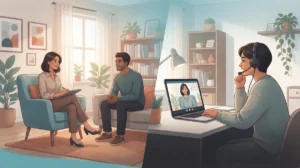
- Decide between in-person and virtual. In-person sessions offer face-to-face connection. Virtual therapy is convenient and accessible from anywhere in Florida.
- Schedule a consultation. Many therapists offer an initial call or session. Use this time to ask questions and see if you feel comfortable.
Margaret Deuerlein at West Florida Therapy is a caring and experienced psychotherapist who offers individualized support for anxiety. She works with adults, adolescents, and couples, and provides bilingual services in English and Spanish. Whether you prefer in-person sessions in the office or the flexibility of virtual therapy available to anyone across Florida, Margaret is ready to meet you where you are.

What to Expect in Anxiety Therapy Sessions
First-time therapy can feel a little nerve-wracking — which is a bit ironic when you’re coming in for anxiety, right? But most people feel relieved after their very first session. Here is what a typical journey through anxiety therapy looks like:
- Intake session: Your therapist gets to know you — your history, your concerns, and what you hope to achieve. Think of it as a friendly conversation, not an interrogation.
- Goal setting: Together, you and your therapist set clear, realistic goals for your treatment.
- Weekly or bi-weekly sessions: Regular sessions help you build skills and track your progress over time.
- Skill building: You will learn practical tools to manage anxiety in real life — breathing techniques, thought reframing, and more.
- Progress review: Your therapist regularly checks in to see how you are doing and adjusts the plan if needed.
Common therapy approaches for anxiety include Cognitive Behavioral Therapy (CBT), mindfulness-based techniques, and exposure therapy. These are evidence-based methods that have helped millions of people reduce anxiety and live fuller lives. For those who have also experienced difficult past events, exploring trauma therapy alongside anxiety treatment may be helpful.
In-Person vs. Virtual Anxiety Therapy: Which Is Right for You?
One of the most common questions people ask is whether to go to therapy in person or online. Both options are effective — it really comes down to your lifestyle and preferences. Here is a simple comparison to help you decide:
| Factor | In-Person Therapy | Virtual Therapy |
|---|---|---|
| Location | Brandon office | Anywhere in Florida |
| Flexibility | Fixed appointment time | More scheduling options |
| Connection | Face-to-face interaction | Video or phone session |
| Best for | Those who prefer personal settings | Busy schedules or remote areas |
| Accessibility | Requires travel | No commute needed |
Gen Z young adults and remote workers often find virtual therapy especially convenient. Teenagers who feel more comfortable at home may also open up more easily in a virtual setting. No matter which format you choose, the quality of care remains the same. You can explore your therapy service options to find what works best for your situation.
Signs Anxiety Therapy Is Working
Progress in therapy does not always happen overnight. Sometimes the changes are subtle at first. Here are some positive signs that your anxiety therapy is making a difference:
- You sleep better and wake up feeling more rested.
- Situations that used to trigger panic now feel more manageable.
- You communicate more clearly in your relationships.
- You feel more in control of your thoughts and reactions.
- You are more present and less distracted by worry.
- You feel hopeful about the future in a way you did not before.
Remember, therapy is a process, not a quick fix. Being patient with yourself is part of the journey. If you are also dealing with feelings of sadness alongside anxiety, it is worth exploring whether depression treatment might also be beneficial. Many people experience both, and addressing them together leads to stronger, longer-lasting results.
Anxiety Therapy for Specific Groups in Brandon
Anxiety does not look the same for everyone. Different life stages and backgrounds bring unique challenges. Here is how therapy can be tailored to specific groups:
For Teenagers and Adolescents
School pressure, social media, and peer relationships can make anxiety feel unmanageable for teens. A therapist who specializes in working with young people can provide a safe, nonjudgmental space to talk. Sessions may include creative techniques and age-appropriate coping tools that teens actually enjoy using.
For Spanish-Speaking Adults
Language barriers can make it hard to fully express emotions in therapy. Bilingual therapy in Spanish removes that obstacle. Being able to speak in your native language means you can say exactly what you mean and feel truly understood. This can make therapy significantly more effective and comfortable. Check out Substance Abuse & Mental Health resources available in Florida for additional community support options.
For Couples
Anxiety can put serious strain on relationships. One or both partners may withdraw, argue more, or struggle to connect. Couples therapy can help both partners understand how anxiety affects the relationship and develop healthier communication patterns. Addressing relationship problems together can strengthen your bond and reduce anxiety for both of you.
For Millennials and Gen Z
Life transitions — new jobs, moving cities, financial stress, or relationship changes — can trigger or worsen anxiety. Millennials and Gen Z adults often carry a lot while trying to look like everything is fine. Therapy offers a space to be honest without judgment and to build real-life skills for managing modern-day stress. If you are curious about how stress compares to anxiety, this article on acute vs. chronic stress is worth a read.
How to Prepare for Your First Anxiety Therapy Session
Walking into your first session feeling prepared can ease a lot of the initial nerves. Here are some helpful things to do before you go:
- Write down your thoughts. Jot down what has been bothering you most. This helps you stay on track during the session.
- Be honest. Your therapist is there to help, not judge. The more open you are, the faster you will make progress.
- Set a simple intention. Decide what you want from therapy — even if it is just “I want to feel less stressed.” That is enough to start.
- Ask questions. Do not be shy about asking how therapy works, what methods will be used, or how long treatment might take.
Florida residents can also explore Mental Health Links provided by the Florida Department of Health for additional community resources. And for broader guidance on self-care and mental well-being, the Mental Health Resources from the CDC are a great starting point.
Taking the Next Step Toward Feeling Better
You have already done something brave just by reading this far. That curiosity and willingness to explore anxiety therapy in Brandon is the spark that starts real change. Whether you are dealing with mood issues, persistent worry, or feeling stuck in life, professional support can make a meaningful difference. Setting life goals becomes so much easier when anxiety is no longer running the show.
Margaret Deuerlein at West Florida Therapy is here to walk alongside you with compassion, skill, and genuine care. You can visit us on Google to read reviews from real clients who have taken this step and found relief. When you are ready, we would love to hear from you.
Take the first step today and reach out to schedule your first session — because you deserve to feel calm, confident, and in control of your life again.
FAQs
Q: How long does anxiety therapy in Brandon typically take?
A: The length of therapy varies for each person, but many people start feeling noticeable improvement within 8 to 12 sessions. Your therapist will check in with you regularly and adjust the plan based on your progress and goals — there is no one-size-fits-all timeline!
Q: Is virtual anxiety therapy just as effective as in-person sessions?
A: Yes! Research shows that virtual therapy is just as effective as in-person therapy for anxiety. It is a wonderful option if you have a busy schedule, live far from an office, or simply feel more comfortable opening up from the comfort of your own home.
Q: Can I get anxiety therapy in Spanish in Brandon, FL?
A: Absolutely! Bilingual therapy in English and Spanish is available through West Florida Therapy. Being able to express yourself in your native language makes therapy much more comfortable and effective — you deserve to be truly heard.
Q: What is the difference between anxiety therapy and medication for anxiety?
A: Therapy helps you understand and change the thoughts and behaviors that fuel anxiety, giving you lasting tools you can use for life. Medication can help manage symptoms, and some people benefit from both. Your therapist can help you explore what approach is right for you.
Q: How do I know if my teenager needs anxiety therapy?
A: If your teen is avoiding school, withdrawing from friends, struggling to sleep, or expressing constant worry, it may be time to seek support. A therapist who specializes in working with adolescents can create a safe, supportive space where your teen feels comfortable opening up.