
Key Takeaways
-
Watch for sudden behavioral changes like social withdrawal, mood swings, or loss of interest in activities—these persistent signs lasting weeks warrant professional trauma therapy evaluation.
-
Sleep disturbances including nightmares, insomnia, and daytime exhaustion are hallmark trauma symptoms in adolescents that therapy can address by helping the nervous system feel safe again.
-
Academic decline with inability to concentrate and intrusive thoughts often indicate trauma interfering with learning; specialized therapy helps teens develop coping skills to refocus on education.
-
Self-destructive behaviors like substance use, self-harm, or reckless driving are trauma responses seeking to numb pain; immediate professional help provides healthier coping strategies.
-
Finding a trauma-specialized therapist with adolescent expertise is crucial—ask about specific training, treatment approaches, and ensure your teen feels comfortable with their therapist.
-
Parental support through respecting confidentiality, maintaining routines, and validating feelings significantly impacts recovery; therapy timelines vary by individual and trauma type.
When your teenager starts acting differently, it can be hard to know if it’s normal adolescent behavior or something more serious. Many parents in Brandon wonder if their teen might be dealing with trauma. The good news is that help is available right here in our community. Trauma therapy for adolescents in Brandon offers specialized support designed specifically for young people who have experienced difficult events.
Trauma can look different for every teen. Some withdraw from friends and family. Others might act out or struggle in school. Whatever signs you’re seeing, understanding trauma therapy can help you make the best decision for your child’s wellbeing. Margaret Deuerlein provides compassionate, effective therapy services that help teens process difficult experiences and build resilience for the future.
This guide walks you through nine key signs that your adolescent might benefit from trauma therapy, what to expect from treatment, and how to find the right support in Brandon.

1. Your Teen Shows Sudden Changes in Mood or Behavior
One of the most noticeable signs that something is wrong is when your teenager’s personality seems to shift overnight. They might go from happy and social to withdrawn and irritable. These mood swings often point to underlying emotional struggles that need professional attention.
Trauma affects the developing adolescent brain in unique ways. The emotional centers become hyperactive while the rational thinking areas struggle to keep up. This imbalance can create intense feelings that your teen doesn’t know how to manage. You might notice explosive anger, unexplained crying, or emotional numbness where there used to be joy.
Watch for these behavioral changes:
- Dropping out of activities they once loved
- Avoiding friends and social situations
- Sleeping too much or too little
- Changes in eating habits or appetite
- Increased risk-taking or reckless behavior
- Loss of interest in hobbies or school
These changes aren’t just typical teenage moodiness. When they persist for weeks or get worse over time, trauma therapy can help your teen understand and process what they’re experiencing.

2. Academic Performance Has Dramatically Declined
Teachers often spot the signs of trauma before parents do. If your teen’s grades have dropped significantly or they’re suddenly having trouble concentrating in class, trauma might be interfering with their ability to learn.
Traumatic experiences create intrusive thoughts that make it nearly impossible to focus on schoolwork. Your teen might sit in class physically but mentally be somewhere else entirely. They’re not being lazy or defiant. Their brain is working overtime to process difficult memories and emotions.
Common academic warning signs include:
- Sudden drop in grades across multiple subjects
- Missing assignments or incomplete homework
- Difficulty concentrating or remembering information
- Complaints from teachers about daydreaming or distraction
- Avoiding school or frequent absences
The caring team at West Florida Therapy understands how trauma impacts learning. Through specialized therapy, teens can develop coping skills that help them refocus on their education and future goals.

3. Sleep Problems Have Become a Regular Issue
Sleep disturbances are one of the hallmark signs of trauma in adolescents. Your teen might have trouble falling asleep, staying asleep, or experiencing nightmares that leave them exhausted and scared.
Trauma keeps the nervous system on high alert even during rest. The brain stays vigilant, scanning for danger that isn’t really there. This makes deep, restful sleep nearly impossible. Over time, sleep deprivation creates a vicious cycle that makes all trauma symptoms worse.
You might notice your teenager:
- Staying up late to avoid going to bed
- Waking up frequently during the night
- Having vivid nightmares or night terrors
- Complaining of exhaustion despite sleeping
- Falling asleep in class or at inappropriate times
Trauma therapy for adolescents in Brandon addresses sleep issues by helping teens feel safe again. When the nervous system learns to relax, healthy sleep patterns can return. Anxiety treatment techniques often complement trauma work to restore restful nights.

4. Physical Complaints Without Medical Cause
Trauma doesn’t just affect the mind. It shows up in the body too. Many adolescents experience real physical symptoms that doctors can’t explain through medical tests alone.
The mind-body connection is powerful, especially in teenagers whose bodies are already going through significant changes. Unprocessed trauma can manifest as headaches, stomachaches, muscle tension, or unexplained pain. These symptoms are genuine, not imagined, even when medical tests come back normal.
Common physical symptoms of trauma include:
- Frequent headaches or migraines
- Stomachaches or digestive problems
- Chest tightness or difficulty breathing
- Chronic muscle tension or pain
- Fatigue that doesn’t improve with rest
- Dizziness or feeling faint
According to the CDC’s mental health resources, addressing psychological trauma often reduces physical symptoms. A qualified therapist can help your teen make these important connections between their body and emotions.
5. Social Withdrawal and Isolation
Teenagers naturally pull away from parents as they develop independence. But trauma-related withdrawal looks different. It’s more extreme and includes avoiding peers, not just family.
When teens experience trauma, they often feel different from everyone around them. They might worry that friends won’t understand what they’re going through. Some feel ashamed or fear being judged. Others simply lack the energy for social interaction because they’re using all their resources just to get through each day.
Signs of unhealthy social withdrawal:
- Refusing invitations from close friends repeatedly
- Spending most time alone in their room
- Dropping out of sports teams or clubs suddenly
- Avoiding family gatherings or events
- Stopping communication with once-close friends
- Seeming lonely or expressing feelings of not belonging
Therapy provides a safe space where teens can open up without judgment. Margaret Deuerlein helps adolescents rebuild connections and develop healthy relationships. Working through trauma in a supportive environment makes it easier to engage with others again.
6. Increased Anxiety or Panic Attacks
Trauma and anxiety go hand in hand. Many adolescents develop intense worry or full-blown panic attacks after experiencing traumatic events. These reactions happen because the nervous system learned that the world isn’t always safe.
Your teen might avoid specific places, people, or situations that remind them of their trauma. They may seem constantly on edge, easily startled, or hypervigilant. Some experience panic attacks that feel like heart attacks, making them fear for their life even when there’s no real danger.
Anxiety symptoms to watch for:
- Excessive worry about everyday situations
- Panic attacks with racing heart and shortness of breath
- Avoiding specific places or situations
- Being easily startled or jumpy
- Constant feeling of dread or impending doom
- Physical symptoms like sweating or trembling
The good news is that trauma therapy specifically addresses these anxiety symptoms. Through techniques tailored for adolescents, teens learn to calm their nervous system and feel safe again. Panic attack treatment combined with trauma work creates lasting relief.
7. Risky or Self-Destructive Behaviors Emerge
Some teenagers respond to trauma by engaging in dangerous activities. This might seem counterintuitive, but risky behavior often serves as a way to numb painful emotions or regain a sense of control.
When internal pain becomes unbearable, adolescents sometimes seek external ways to cope. They might experiment with substances, engage in self-harm, or take unnecessary physical risks. These behaviors provide temporary relief but create bigger problems over time.
Warning signs of self-destructive coping:
- Substance use including alcohol or drugs
- Self-harm behaviors like cutting or burning
- Reckless driving or dangerous activities
- Promiscuous behavior or unsafe relationships
- Eating disorders or extreme dieting
- Talking about not wanting to be alive
If you notice any of these behaviors, seeking professional help immediately is crucial. Trauma therapy for adolescents in Brandon provides healthier coping strategies and addresses the root causes of these destructive patterns. Contact a qualified therapist who specializes in adolescent trauma for guidance and support.
8. Difficulty Trusting Others or Forming Relationships
Trauma, especially when caused by people, damages a teen’s ability to trust. Your adolescent might push away the very people trying to help them. They may become suspicious of others’ motives or have trouble forming close friendships.
Trust issues develop as a protective mechanism. If someone has hurt your teen, their brain learns to expect more hurt. This makes every relationship feel risky. They might test your love, act out to push you away, or simply keep everyone at arm’s length emotionally.
Signs of trust and relationship difficulties:
- Pushing away family members who try to help
- Difficulty making or keeping friends
- Suspicious or paranoid thinking
- Testing relationships through challenging behavior
- Inability to be vulnerable or share feelings
- Fear of abandonment or rejection
Working with a therapist helps teens understand that not all relationships are dangerous. Through professional therapy services, adolescents can learn to discern safe people from unsafe ones and gradually rebuild their capacity for trust and connection.
9. Regression to Earlier Developmental Stages
Sometimes trauma causes teenagers to act younger than their age. This regression is the mind’s way of seeking safety in a time before the traumatic event occurred. You might notice behaviors that your teen outgrew years ago suddenly reappearing.
Regression isn’t voluntary or manipulative. It’s an unconscious coping mechanism. Your teen might become clingy, need more reassurance, or struggle with tasks they previously handled independently. This temporary step backward is actually part of the healing process.
Common regression behaviors include:
- Increased neediness or clingy behavior with parents
- Baby talk or childish speech patterns
- Fear of being alone or separation anxiety
- Wanting to sleep in parents’ room
- Thumb sucking or other childhood comfort behaviors
- Difficulty with basic self-care or independence
Professional trauma therapy helps adolescents move forward developmentally while processing difficult experiences. The Florida Department of Health provides mental health resources that can connect you with additional support services in Brandon.
What Makes Trauma Therapy Different from Regular Counseling
You might wonder if trauma therapy is really necessary or if regular counseling would work just as well. While all therapy offers benefits, trauma-focused treatment uses specific techniques designed to help the brain process difficult memories.
Traditional talk therapy focuses on current problems and developing coping skills. Trauma therapy goes deeper, addressing how past experiences continue to affect your teen’s present life. It uses evidence-based approaches that target the way trauma is stored in the brain and body.
Trauma therapy includes specialized approaches like:
- Helping teens identify trauma triggers and responses
- Teaching body-based techniques to calm the nervous system
- Processing traumatic memories in a safe, controlled way
- Building emotional regulation skills specific to trauma
- Addressing negative beliefs that developed after trauma
- Creating a sense of safety and empowerment
Margaret Deuerlein brings specialized training in trauma treatment for adolescents. Her approach combines compassion with effective, research-backed methods that help teens heal and move forward. She understands that every teenager’s experience is unique and tailors treatment to meet individual needs.
Finding the Right Trauma Therapist in Brandon
Not all therapists have training in adolescent trauma. Finding someone with the right expertise makes a significant difference in your teen’s recovery. You want a professional who understands teenage development and has experience working with trauma specifically.
When searching for a therapist, consider both credentials and personal fit. Your teenager needs to feel comfortable and safe with their therapist. The therapeutic relationship itself is a powerful healing force, so finding the right match matters tremendously.
Questions to ask when choosing a therapist:
- What specific training do you have in adolescent trauma?
- What treatment approaches do you use with teens?
- How long does trauma therapy typically take?
- How do you involve parents in the treatment process?
- What should we expect in the first few sessions?
- Do you have experience with the type of trauma my teen experienced?
West Florida Therapy offers specialized trauma treatment for adolescents throughout Brandon and surrounding areas. With both in-person and virtual options available, accessing quality care has never been easier. The practice also provides bilingual services for Spanish-speaking families who prefer therapy in their native language.
How Parents Can Support Their Teen Through Therapy
Your role as a parent doesn’t end when therapy begins. In fact, your support becomes even more important during treatment. Teens heal best when they have a stable, supportive home environment backing up their therapeutic work.
Supporting your teen doesn’t mean you need to know everything discussed in therapy sessions. Confidentiality helps teens open up freely. Instead, focus on creating an atmosphere of acceptance and understanding at home. Let your teenager know that healing takes time and that you’re proud of them for doing this difficult work.
Ways to support your teen in trauma therapy:
- Respect their privacy and confidentiality in sessions
- Maintain consistent routines and structure at home
- Validate their feelings without trying to fix everything
- Be patient with the ups and downs of recovery
- Attend family sessions when recommended by the therapist
- Take care of your own mental health and wellbeing
- Celebrate small victories and progress along the way
The Florida Department of Children and Families offers additional resources for families navigating mental health challenges. Remember that seeking help for your teenager shows strength, not weakness. Taking this step demonstrates your commitment to their wellbeing and future success.
Understanding the Timeline for Trauma Recovery
Many parents ask how long trauma therapy will take. The honest answer is that every teen’s journey looks different. Some adolescents make significant progress in a few months, while others need longer-term support. Several factors influence the timeline.
The type of trauma, how long ago it occurred, and your teen’s existing support system all play roles in recovery speed. Complex trauma that happened over extended periods typically requires more time to process than a single traumatic event. The good news is that healing is possible regardless of the timeline.
Factors affecting recovery time:
- Type and severity of traumatic experience
- Whether trauma was single incident or ongoing
- Age when trauma occurred
- Availability of family and social support
- Presence of other mental health concerns
- Teen’s engagement and commitment to therapy
- Use of healthy versus unhealthy coping mechanisms
Rather than focusing on a specific end date, think of therapy as a journey. Some weeks will show clear progress. Others might feel harder as your teen processes difficult memories. Trust the process and maintain open communication with your therapist about goals and expectations.
Virtual Therapy Options for Brandon Teens
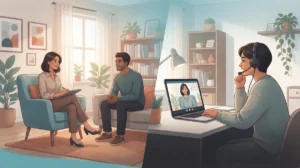
Not every teenager feels comfortable going to a therapist’s office. Some have transportation challenges or busy schedules that make regular appointments difficult. Virtual therapy offers a convenient, effective alternative for adolescents throughout Brandon and all of Florida.
Online therapy isn’t just a backup option. Research shows it works just as well as in-person treatment for many issues, including trauma. Teens often feel more comfortable opening up from the safety of their own space. The flexibility of virtual sessions also means fewer missed appointments due to schedule conflicts.
Benefits of virtual trauma therapy:
- Access care from the comfort and safety of home
- More flexible scheduling around school and activities
- Reduced transportation barriers and time constraints
- Increased comfort level for shy or anxious teens
- Ability to continue therapy if family moves or travels
- Same quality care as in-person sessions
West Florida Therapy provides both in-person sessions in Brandon and virtual therapy throughout Florida. This flexibility ensures your teenager can access quality trauma treatment regardless of location or schedule challenges. Virtual sessions use secure, HIPAA-compliant technology to protect your teen’s privacy and confidentiality.
Moving Forward with Hope and Healing
Watching your teenager struggle with trauma is incredibly difficult. You might feel helpless, guilty, or overwhelmed by the situation. But recognizing the signs and seeking professional help shows tremendous love and strength. Your teen is lucky to have a parent who cares enough to take action.
Trauma doesn’t have to define your teenager’s future. With proper support and treatment, adolescents can heal, grow, and thrive. They can develop resilience that serves them throughout life. The pain they’ve experienced can become a source of strength and empathy for others.
Remember these encouraging facts about adolescent trauma recovery:
- Teen brains are incredibly resilient and adaptable
- Early intervention leads to better long-term outcomes
- Most teens show significant improvement with proper treatment
- Trauma therapy provides lifelong coping skills
- Your support makes a measurable difference in recovery
- Healing is possible even from severe trauma
Taking the first step toward healing starts with a conversation. Margaret Deuerlein provides compassionate, expert care for adolescents dealing with trauma in Brandon and throughout Florida. Whether you choose in-person or virtual sessions, reach out today to schedule a consultation and begin your teenager’s journey toward healing and hope.
Your teen deserves support from someone who truly understands adolescent trauma. Don’t wait for symptoms to get worse. The earlier you seek help, the faster your teenager can start feeling better and enjoying life again. Visit us on Google to read reviews from families who have found healing through specialized trauma therapy. Take that important first step today. Your teenager’s brighter future is waiting.
FAQs
Q: How do I know if my teenager’s behavior is normal or a sign they need trauma therapy?
A: While all teens experience mood swings and challenges, trauma-related symptoms persist for weeks, intensify over time, and significantly impact daily functioning. If changes in mood, sleep, academic performance, or social relationships last more than a few weeks or interfere with your teen’s ability to enjoy life, it’s worth consulting a mental health professional. Trust your parental instincts – you know your child best.
Q: What happens during the first trauma therapy session for adolescents?
A: The first session focuses on building trust and understanding your teen’s experience. The therapist will ask questions about what brought you in, your teen’s history, current symptoms, and goals for therapy. This initial meeting helps create a treatment plan tailored to your teen’s specific needs. Most teens feel relieved to finally talk with someone who understands trauma and can offer hope for feeling better.
Q: Will my teenager have to talk about the traumatic event in detail right away?
A: No, trauma therapy moves at your teen’s pace. Therapists first focus on building safety, trust, and coping skills before processing traumatic memories. Your teenager will never be forced to discuss details they’re not ready to share. The therapeutic relationship and feeling safe are more important than rushing into difficult conversations. Healing happens gradually and gently.
Q: Can trauma therapy help even if the traumatic event happened years ago?
A: Absolutely. Trauma doesn’t have an expiration date, and it’s never too late to seek help. Many people carry unprocessed trauma for years before getting treatment. The brain’s ability to heal and form new neural pathways continues throughout life. Whether the trauma occurred recently or in childhood, specialized therapy can help your teenager process the experience and move toward healing.
Q: How can I find trauma therapy for my teen in Brandon if transportation is difficult?
A: Virtual therapy provides an excellent solution for transportation challenges. West Florida Therapy offers secure online sessions throughout Florida, allowing your teenager to receive expert trauma treatment from home. Virtual therapy is just as effective as in-person sessions and offers added convenience and flexibility. This ensures your teen can access consistent, quality care regardless of location or schedule constraints.