
Key Takeaways
-
Avoidance strengthens phobias rather than resolving them; sleep deprivation from avoidance increases anxiety and reinforces the fear cycle, making early professional intervention critical.
-
Somniphobia often has underlying root causes like PTSD, panic disorder, recurring nightmares, or trauma that must be identified and addressed for effective treatment.
-
Medication alone cannot treat somniphobia; cognitive behavioral therapy (CBT), exposure therapy, and trauma-focused treatments like EMDR are proven most effective approaches.
-
Sleep anxiety in teens often gets mistaken for typical moodiness but requires attention; signs include bedtime resistance, stress-related headaches, and falling asleep in class.
-
One partner's sleep anxiety affects couple dynamics and household tension; addressing it together through couples therapy prevents silent conflict and strengthens relationships.
-
Virtual therapy is equally effective as in-person sessions for treating sleep phobia, making it accessible for busy professionals and remote workers without compromising care quality.
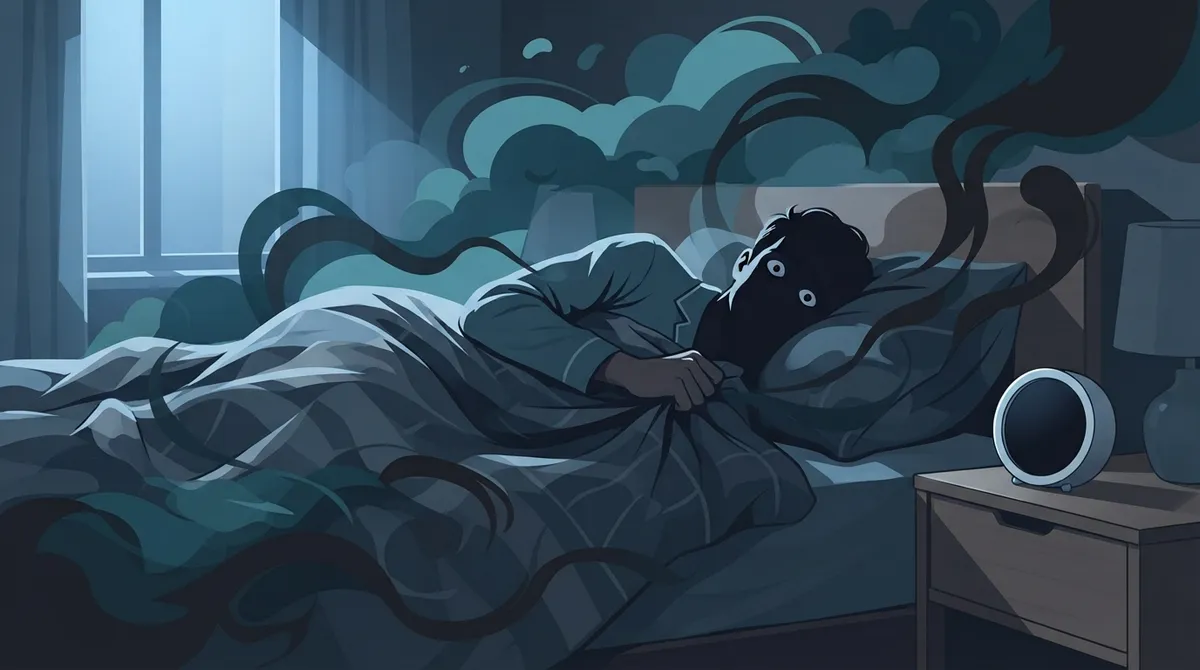
Lying awake at 2 a.m., heart racing, dreading the moment your eyes finally close? You are not alone, and you are not broken. A phobia of sleeping, often called somniphobia or sleep anxiety, affects people from every walk of life across Florida, from busy Tampa Bay professionals to teens juggling school stress. The good news is that this fear is treatable, and understanding the common mistakes people make when facing it can help you find real relief faster.
At West Florida Therapy, we work with individuals and couples throughout Florida, in person and virtually, to help them face fears like this one. Below, we break down the most common missteps people make when dealing with a fear of sleep, so you can avoid them and start sleeping soundly again.
What Is Somniphobia, Exactly?
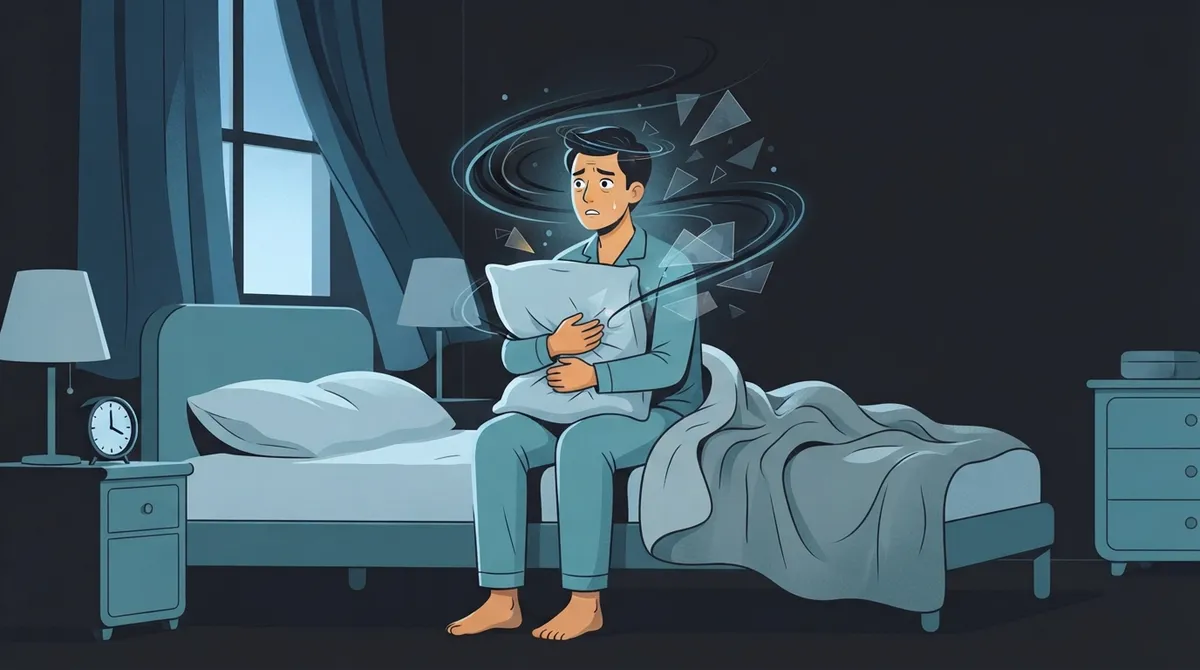
Somniphobia is an intense, irrational fear of falling asleep or of sleep itself. It is sometimes called hypnophobia. Clinicians often classify it as a specific phobia, a type of anxiety disorder, but it can also show up alongside other conditions like PTSD, panic disorder, or chronic insomnia.
People with this phobia may worry obsessively about bedtime hours before it arrives. Others feel panic the moment their head hits the pillow. Either way, the fear is real, and it deserves real support, not judgment.
Mistake 1: Ignoring the Fear and Hoping It Fades on Its Own
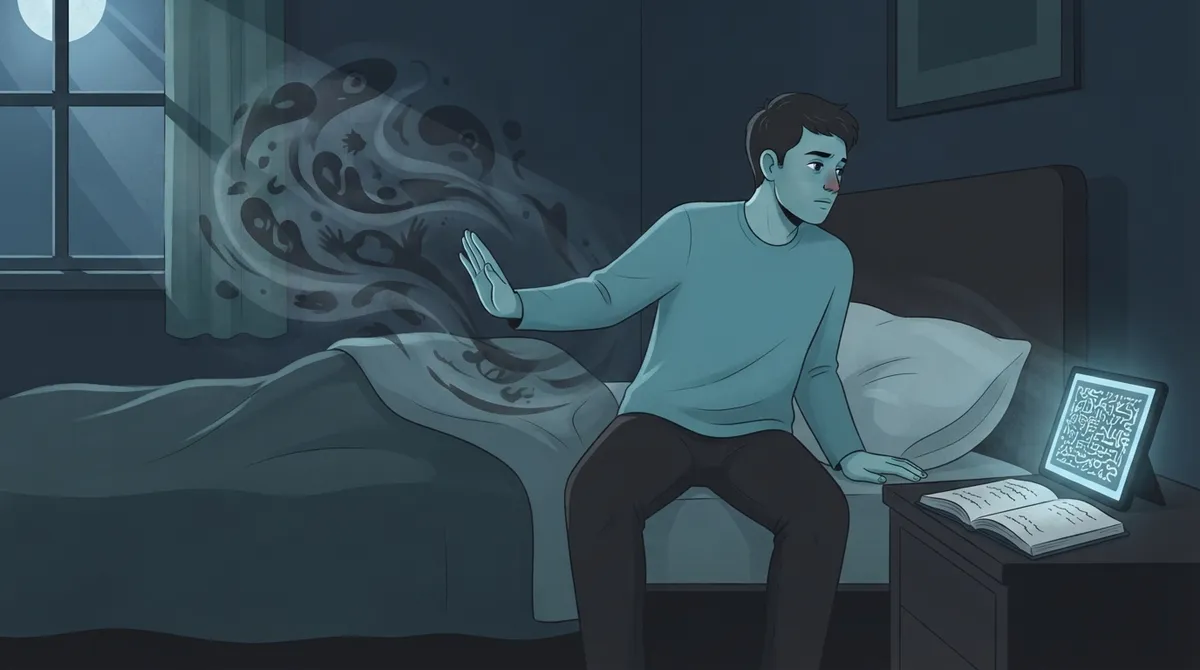
Many people wait months, even years, before addressing their fear of sleep. They assume it will pass with time. Unfortunately, avoidance tends to make phobias stronger, not weaker.
The CDC has found that people who sleep six hours or less a night are about 2.5 times more likely to report frequent mental distress than those who sleep more. Waiting too long to get help can create a cycle where poor sleep fuels anxiety, and anxiety fuels poor sleep.
Mistake 2: Not Identifying the Root Cause
Fear of sleep rarely appears out of nowhere. It is often connected to something deeper. A thorough anxiety treatment evaluation looks closely at what might be driving the fear.
Common Underlying Triggers
- Recurring nightmares or night terrors
- Post-traumatic stress disorder (PTSD) from past trauma
- Panic attacks that happen at night
- Generalized anxiety or racing thoughts
- Sleep paralysis experiences
- Underlying insomnia that has become its own source of dread
A 2023 study of first responders found that fear of sleep was tied to PTSD symptoms, depression, anxiety, stress, alcohol use issues, and trauma-related nightmares. The fear was worst in people dealing with both PTSD and insomnia at the same time. This shows why pinpointing the cause matters so much for effective care.
Mistake 3: Skipping Professional Evaluation
Some people try to power through sleep anxiety alone, using willpower or lifestyle tweaks. While healthy habits help, a real phobia often needs professional guidance. If the fear is causing significant sleep loss or daily distress, it is time to talk to a mental health provider.
Margaret Deuerlein and the team at West Florida Therapy understand how disruptive this fear can be. Margaret Deuerlein brings years of compassionate, experienced care to clients facing anxiety, trauma, and sleep-related fears, helping them feel heard from the very first conversation.
Mistake 4: Assuming Medication Alone Will Fix It
There is no medication specifically approved to treat somniphobia itself. Some medications may help with related insomnia or anxiety, but they do not address the phobia at its root. Relying only on pills without therapy often leads to disappointment.
What Actually Works Best
- Cognitive behavioral therapy (CBT) to challenge fearful thoughts about sleep
- Exposure-based techniques to gradually reduce fear responses
- Treatment for co-occurring conditions like PTSD or panic disorder
- Relaxation and grounding skills for bedtime routines
- Ongoing support to track progress and adjust the plan
The Cleveland Clinic notes that exposure therapy is often the most effective treatment for phobias, including sleep-related fears. Our EMDR treatment options can also help when trauma is part of the picture.
Mistake 5: Avoiding Sleep Altogether
It might feel like staying awake protects you from the fear. In reality, avoidance backfires. Sleep deprivation increases anxiety, irritability, and even the intensity of nightmares once you do fall asleep.
Avoidance also teaches your brain that sleep is something to fear and escape, reinforcing the phobia over time. Facing the fear gradually, with proper support, is far more effective long term.
Mistake 6: Not Addressing Trauma Connected to Nighttime
For some, fear of sleep traces back to trauma. Nightmares can feel like reliving painful memories. If this sounds familiar, working through the trauma directly can ease the fear tied to sleep.
Our trauma therapy services help clients process difficult experiences safely. You can also learn more in our article on how to recognize and heal from psychological trauma.
Mistake 7: Letting Teens Suffer in Silence
Adolescents dealing with school pressure, social anxiety, or family stress sometimes develop fear around bedtime too. Parents may mistake this for typical teen moodiness, but it deserves attention.
Signs a Teen Might Be Struggling
- Refusing to go to bed at a reasonable hour
- Complaining of stomachaches or headaches near bedtime
- Excessive worry about nightmares
- Falling asleep in class due to nighttime avoidance
- Increased irritability or withdrawal
Virtual and in-person options make care accessible for busy families. Learn more about our virtual therapy for adolescents in Brandon, FL.
Mistake 8: Overlooking the Impact on Couples
When one partner struggles with sleep anxiety, it affects the whole household. Sleepless nights can lead to tension, miscommunication, and emotional distance between partners.
Addressing this together, rather than letting it become a silent source of conflict, strengthens the relationship. Our couples therapy services help partners support each other through these challenges with understanding instead of frustration.
Mistake 9: Not Considering Bilingual Support Needs
Language barriers can prevent Spanish-speaking adults in Florida from getting the mental health care they need. Fear should never be a reason to delay treatment, and neither should communication challenges.
West Florida Therapy offers bilingual services in English and Spanish, ensuring more families across Florida have access to compassionate, culturally aware care for anxiety, depression, and sleep-related fears.
Mistake 10: Thinking Virtual Therapy Is Less Effective
Many young adults and busy professionals assume in-person sessions are the only real option. That is simply not true anymore. Telehealth has proven just as effective for many anxiety and phobia treatments.
Our telehealth therapy Florida services let clients across the state get support from home, which is especially helpful for Gen Z and remote workers managing packed schedules.
Mistake 11: Waiting for a Crisis Before Seeking Help
Too often, people wait until sleep loss becomes severe before reaching out. You do not need to hit rock bottom to deserve support. Early intervention almost always leads to faster, easier progress.
Signs It Is Time to Reach Out
- Bedtime dread is affecting your daily mood or performance
- You have started avoiding sleep for multiple nights in a row
- Nightmares or panic are becoming more frequent
- Relationships are being strained by exhaustion or irritability
- You feel stuck despite trying to manage it alone
| Common Cause | How It Shows Up | Helpful Approach |
|---|---|---|
| Trauma or PTSD | Nightmares, flashbacks, hypervigilance at night | Trauma-focused therapy, EMDR |
| Generalized Anxiety | Racing thoughts, worry before bed | CBT, relaxation training |
| Panic Disorder | Sudden panic attacks during sleep | Exposure therapy, panic-specific coping tools |
| Chronic Insomnia | Fear builds from repeated bad sleep experiences | CBT for insomnia, sleep hygiene coaching |
How Our Process Supports Your Healing
Getting started does not have to feel overwhelming. We begin with a short phone consultation to understand your concerns and goals. From there, we build a personalized plan tailored to your experience with sleep anxiety or related fears.
- Weekly or biweekly sessions, in person or via telehealth
- Ongoing progress checks to adjust your plan as needed
- A free 15-minute consultation to see if we are the right fit
- Flexible payment options including insurance and out-of-pocket rates
You can read more about our therapy process and what to expect at every step. For those managing anxiety more broadly, our guide on understanding anxiety signs types and treatment options is a helpful next read.
When to Seek Professional Support
A mental health evaluation is recommended when fear of sleep starts causing real distress or gets in the way of daily life. This includes trouble functioning at work or school, relationship strain, or worsening physical health from lack of rest.
According to the CDC’s mental health resources, chronic sleep loss is closely tied to overall mental distress, making early support even more important. State resources like the Florida Department of Health’s mental health links and the Florida Department of Children and Families substance abuse and mental health services can also point you toward additional community support.
Final Thoughts on Facing Fear of Sleep
A phobia of sleeping can feel isolating, but it is more common than most people realize, and it responds well to the right kind of care. Avoiding the problem, skipping evaluation, or relying on quick fixes tends to keep the cycle going. Facing it with support, patience, and a personalized plan is what creates lasting change.
Margaret Deuerlein and the caring team at West Florida Therapy are here for individuals, couples, and families across Florida who are ready to rest easier again. Whether you prefer in-person sessions in Brandon or virtual appointments from anywhere in the state, help is within reach. See what our West Florida Therapy clients have shared by visiting our West Florida Therapy location on Google.
You do not have to face another sleepless, fearful night alone. Reach out to our team today to schedule your free 15-minute consultation and take the first step toward calmer nights.
FAQs
Q: What is somniphobia?
A: Somniphobia is an intense fear of falling asleep or of sleep itself. It is also called hypnophobia, and it often overlaps with anxiety, trauma, or nightmares. The good news is that it is very treatable with the right support.
Q: Is fear of sleeping a mental disorder?
A: Yes, it is usually classified as a specific phobia, which falls under anxiety disorders. It can also show up alongside conditions like PTSD or panic disorder, so a proper evaluation helps clarify what is really going on.
Q: What causes fear of falling asleep?
A: Common causes include recurring nightmares, past trauma, panic attacks, generalized anxiety, or ongoing insomnia. Everyone’s story is a little different, which is why personalized care makes such a big difference.
Q: What therapy helps with sleep anxiety?
A: Cognitive behavioral therapy (CBT) and exposure-based approaches are considered some of the most effective options. These methods help you gently face and reframe the fear instead of avoiding it, leading to lasting relief.
Q: When should someone seek professional help for fear of sleep?
A: If the fear is causing significant sleep loss, daily distress, or trouble functioning, it is a good time to reach out. You do not need to wait until things feel unbearable to ask for support, and earlier help often means faster progress.