
Key Takeaways
-
CBT is the gold standard for phobia treatment and helps you identify and replace fear-fueling thought patterns with healthier thinking, providing practical daily tools.
-
Exposure therapy gradually guides you to face fears in controlled settings, allowing your brain to learn that feared situations aren’t actually dangerous.
-
Many people experience meaningful improvement within 8-12 sessions, with some noticing changes within weeks of consistent therapy.
-
Telehealth therapy in Florida offers the same effectiveness as in-person sessions, making treatment accessible from anywhere for busy schedules or remote locations.
-
West Florida Therapy accepts multiple insurance plans (Aetna, Cigna, Florida Blue, Optum, Oscar, United Health Care) and offers bilingual services in English and Spanish.
-
Phobias are often connected to anxiety and past trauma, so therapists create personalized treatment plans combining approaches like CBT, exposure therapy, and EMDR as needed.
Phobias can make everyday life feel exhausting. Maybe you avoid driving on highways, freeze around dogs, or panic at the thought of social gatherings. Whatever your fear looks like, you are not alone — and you do not have to keep living around it. Brandon phobia treatment options have grown significantly, giving residents access to compassionate, evidence-based care close to home. Whether you prefer to meet in person or connect from the comfort of your couch, professional help is within reach. This guide walks you through what phobias are, how they are treated, and what you can expect when you take that first brave step toward getting better.

What Is a Phobia and How Does It Affect Daily Life?
A phobia is more than just being scared of something. It is an intense, persistent fear that feels out of proportion to the actual danger. When a phobia takes hold, it can completely change how you live your life.
You might go out of your way to avoid certain places, people, or situations. Over time, this avoidance can shrink your world and add layers of stress, shame, and frustration. Many people with phobias also struggle with anxiety treatment needs, since phobias and anxiety often go hand in hand.
Common types of phobias include:
- Specific phobias — fear of animals, heights, flying, needles, or other specific triggers
- Social phobia — intense fear of social situations or being judged by others
- Agoraphobia — fear of open or crowded spaces, often linked to panic attacks
- Situational phobias — fear of driving, enclosed spaces, or certain environments
Understanding your specific fear is the first step. A trained therapist can help you identify the root of your phobia and build a personalized plan to address it.

Why Seeking Phobia Treatment in Brandon Makes Sense
Brandon, Florida has become a hub for quality mental health care. Residents have access to a range of services, from talk therapy to specialized therapeutic approaches. Whether you live in Brandon or a nearby area, getting help locally — or through telehealth — means you do not have to travel far to start feeling better.
If you are looking for in-person support, in-person therapy in Brandon, Florida is available at West Florida Therapy, where licensed therapists provide warm, individualized care. You can also connect virtually if that feels more comfortable.
For anyone navigating mental health resources in Florida, the Mental Health Links from the Florida Department of Health offer a helpful starting point for finding support.

Common Phobia Treatment Approaches Used in Brandon
The good news? Phobias are among the most treatable mental health conditions. With the right approach, most people experience meaningful improvement. Here are the most widely used treatments available in the Brandon area:
1. Cognitive Behavioral Therapy (CBT)
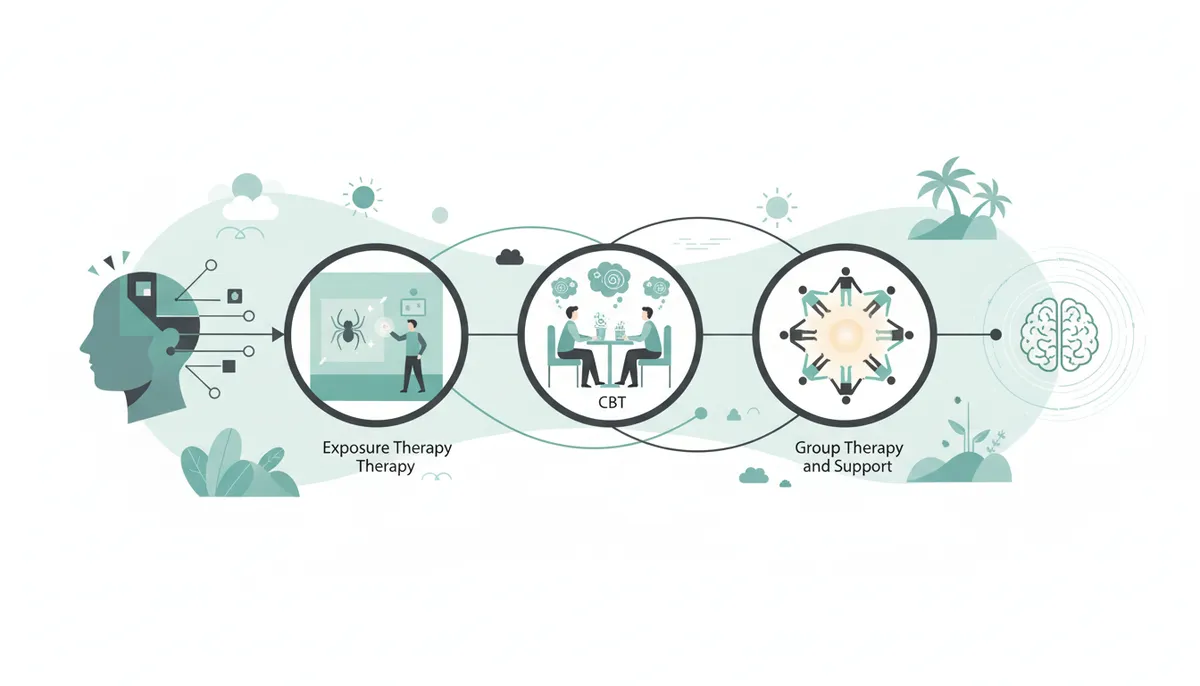
CBT is considered the gold standard for phobia treatment. It helps you identify thought patterns that fuel your fear and replace them with healthier, more realistic thinking. CBT gives you practical tools you can use every day. You can learn more about how this connects to understanding anxiety signs, types, and treatment options to better understand your experience.
2. Exposure Therapy
Exposure therapy involves gradually facing your fear in a safe, controlled setting. Your therapist guides you through a series of steps, starting small and working up to bigger challenges. Over time, your brain learns that the feared situation is not actually dangerous.
3. EMDR Therapy
Eye Movement Desensitization and Reprocessing, or EMDR treatment, is especially helpful when a phobia is connected to a past traumatic experience. It helps your brain process distressing memories in a new way, reducing the emotional charge they carry.
4. Talk Therapy
Sometimes, just having a safe space to explore your fears with a caring professional makes a world of difference. Talk therapy helps you build self-awareness, process emotions, and develop coping strategies that work for your life.
5. Medication Support
While therapy is often the primary approach, some people benefit from medication to manage acute anxiety symptoms during treatment. This is typically coordinated with a prescribing provider to complement the therapeutic work.
Phobia Treatment Comparison: What Works Best?
Not every treatment is the right fit for everyone. Here is a quick overview to help you understand the differences:
| Treatment Type | Best For | Session Format |
|---|---|---|
| Cognitive Behavioral Therapy (CBT) | Most phobia types, anxiety, negative thought patterns | In-person or virtual |
| Exposure Therapy | Specific phobias, agoraphobia, social anxiety | In-person preferred |
| EMDR Therapy | Trauma-linked phobias | In-person or virtual |
| Talk Therapy | General fear management, emotional support | In-person or virtual |
| Medication | Acute anxiety symptoms during treatment | Managed by prescriber |
Your therapist will work with you to figure out which combination of approaches fits your needs. There is no one-size-fits-all answer — and that is exactly why personalized care matters so much.
What to Expect From Your First Therapy Session
Starting therapy can feel nerve-wracking, especially if it is your first time. Knowing what to expect can help ease some of that anxiety before you even walk through the door.
Here is a simple breakdown of the process at West Florida Therapy:
- Free 15-minute consultation — A brief phone call to discuss your concerns, ask questions, and make sure the fit feels right.
- Initial assessment — Your therapist takes time to understand your history, symptoms, and goals so treatment is tailored to you.
- Personalized treatment plan — Together, you build a plan that reflects your unique experiences and what you want to achieve.
- Weekly or bi-weekly sessions — Each session builds on the last, helping you develop real skills and make meaningful progress.
- Ongoing check-ins — Progress is tracked regularly, and your plan is adjusted as needed so you keep moving forward.
You can learn more about our process to feel prepared before your first appointment.
Who Can Benefit From Phobia Treatment in Brandon?
Phobia treatment is not just for adults. It is available and effective for a wide range of people, including:
- Teenagers and adolescents dealing with social anxiety or school-related fears
- Young adults navigating new environments, academic pressure, or isolation
- Adults whose phobias are interfering with work, relationships, or daily routines
- Spanish-speaking individuals who need bilingual therapy in English or Spanish
- Anyone across Florida who prefers the convenience of virtual sessions
At West Florida Therapy, Margaret Deuerlein is a caring, licensed psychotherapist who brings warmth and expertise to every session. She understands that reaching out for help takes courage, and she meets each client where they are — without judgment. You can learn more about her background on the About Margaret Deuerlein page.
Telehealth Options: Get Help From Anywhere in Florida
Living with a phobia is hard enough. Getting to an appointment should not be another obstacle. That is why telehealth therapy in Florida is such a game-changer.
Virtual sessions offer all the same benefits as in-person therapy — just from wherever you are most comfortable. For teens, young adults, or anyone with a busy schedule, this flexibility can make the difference between starting treatment and putting it off indefinitely.
The Substance Abuse & Mental Health resources from the Florida Department of Children and Families also highlight telehealth as a growing and effective method for mental health support across the state.
How Phobias Are Linked to Anxiety and Trauma
Phobias rarely exist in isolation. They are often connected to deeper patterns of anxiety or past experiences that left an emotional mark. Understanding these connections is a big part of getting better.
For example, someone who developed a fear of driving after a car accident may benefit from trauma therapy alongside exposure work. Someone whose phobia is wrapped up in mood issues like depression may need a blended approach that addresses both.
You can also explore how to recognize and heal from psychological trauma to understand whether past experiences may be playing a role in your current fears.
The Mental Health Resources from the CDC remind us that mental health is just as important as physical health — and treating it with the same seriousness leads to better outcomes for everyone.
Practical Steps You Can Take Right Now
Ready to take action but not sure where to start? Here are some simple steps you can take today:
- Name your fear — Write down exactly what triggers your phobia and how it affects your day-to-day life.
- Research your options — Look into therapy approaches like CBT and EMDR to get familiar with what might help.
- Schedule a consultation — Even a 15-minute call can help you understand your options and feel less alone.
You do not have to have all the answers before you reach out. A good therapist will help you figure things out together.
Things to Look for in a Phobia Therapist
Finding the right therapist is just as important as finding the right treatment. Here is what to look for:
- Licensed and credentialed professional
- Experience with anxiety disorders and phobias
- Warm, non-judgmental communication style
- Flexible session options (in-person and virtual)
- Bilingual services if needed (English and Spanish)
- Clear and transparent process from the start
If you want to get a feel for who you would be working with, take a moment to read the About page at West Florida Therapy. You can also visit us on Google to read reviews from real clients who have been through the process.
Insurance and Payment Options
Cost is one of the biggest reasons people delay getting help. The good news is that West Florida Therapy works with multiple insurance providers and offers flexible payment options to make care more accessible.
Accepted insurance plans include:
- Aetna
- Cigna
- Florida Blue
- Optum
- Oscar
- United Health Care
Out-of-pocket payments are also welcome, and the practice accepts major credit cards, HSA, and FSA accounts. Many clients find that paying out of pocket gives them more privacy and flexibility in their care. Contact your insurance carrier to verify your mental health benefits before your first session.
You Deserve to Feel Free From Fear
Living with a phobia is hard. But staying stuck in fear does not have to be your story. With the right support, real change is possible — and it often starts faster than people expect.
Whether you are in Brandon or anywhere across Florida, help is available. In-person sessions and telehealth appointments make it easy to get started on your own terms. You can also explore related topics like life goals and relationship problems that may be connected to the anxiety driving your phobia.
Taking that first step is the hardest part. But you do not have to do it alone. Reach out to our team today to schedule your free 15-minute consultation and start your journey toward a life that feels lighter, freer, and more like you.
FAQs
Q: What types of phobias can be treated in Brandon, FL?
A: Great news — most phobia types can be treated effectively! This includes specific phobias (like fear of animals or heights), social phobia, agoraphobia, and situational phobias. A therapist will assess your specific fear and create a personalized plan just for you.
Q: How long does phobia treatment usually take?
A: It really depends on the person and the type of phobia, but many people start noticing improvement within a few weeks of consistent therapy. Some specific phobias can show significant progress in as few as 8 to 12 sessions — which is pretty encouraging!
Q: Can I get phobia treatment virtually if I live outside of Brandon?
A: Absolutely! West Florida Therapy offers telehealth therapy for anyone across Florida, so you can get quality phobia treatment from wherever you are most comfortable. Virtual sessions are just as effective as in-person ones for most people.
Q: Is phobia treatment available in Spanish at West Florida Therapy?
A: Yes! West Florida Therapy offers bilingual therapy in both English and Spanish. If you or a loved one feels more comfortable discussing personal fears in Spanish, that option is fully available — no language barrier should stand in the way of getting help.
Q: Does insurance cover phobia treatment in Brandon, FL?
A: Many insurance plans do cover mental health services, including phobia treatment. West Florida Therapy is in-network with Aetna, Cigna, Florida Blue, Optum, Oscar, and United Health Care. It is always a good idea to contact your insurance provider directly to confirm your specific benefits.