

Key Takeaways
-
Schizophrenia and depression are distinct conditions requiring different treatments: schizophrenia involves hallucinations and delusions affecting reality perception, while depression is a mood disorder with persistent sadness and low energy.
-
Early professional evaluation is critical—seek a licensed therapist or psychiatrist to get an accurate diagnosis and personalized treatment plan combining therapy, medication, and community support.
-
Over 50% of people with schizophrenia receive no treatment or suboptimal care due to stigma, language barriers, and access issues; knowing that evidence-based help exists (CBT, psychoeducation, EMDR) is the first step to recovery.
-
Both conditions can co-occur as schizoaffective disorder, requiring specialized dual-diagnosis treatment; watch for combined signs like hallucinations with persistent sadness and social withdrawal.
-
Recovery is possible and realistic—most people with schizophrenia achieve meaningful improvement with ongoing support, while depression responds significantly to treatment, enabling fulfilling lives.
-
Family involvement is one of the strongest predictors of positive mental health outcomes; supporting loved ones through listening without judgment and helping them access professional care matters deeply.
Living with schizophrenia and depression — or supporting someone who does — can feel incredibly isolating. These are two of the most misunderstood mental health conditions, and when they appear together, navigating daily life becomes even more challenging. But here is the good news: recovery is possible, and you do not have to figure this out alone.
Whether you are just starting to notice symptoms, looking for treatment options, or trying to better understand what a loved one is going through, this guide is for you. We will walk through the key differences between these conditions, how they can overlap, and the real steps you can take to find the right support. Warm, caring help is closer than you think.
What Is Schizophrenia? A Simple Overview
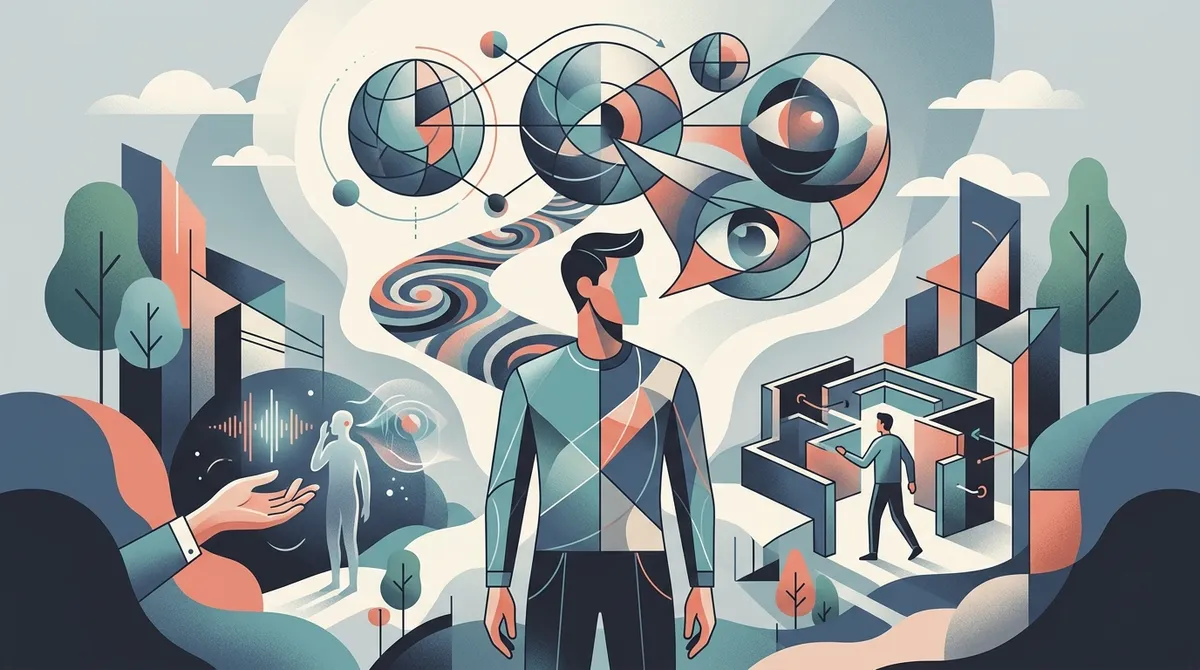
Schizophrenia is a serious mental health condition that affects how a person thinks, feels, and behaves. People with schizophrenia may experience hallucinations, delusions, and disorganized thinking. These symptoms can make it hard to tell what is real and what is not.
It is important to know that schizophrenia is not about having a “split personality.” That is a common myth. Schizophrenia is a brain disorder that responds well to treatment, especially when caught early. Most people with schizophrenia are able to make meaningful recoveries with the right support in place.
What Is Depression? Understanding the Basics
Depression is more than just feeling sad. It is a persistent mood disorder that affects how you feel, think, and handle everyday activities. Symptoms can include deep sadness, loss of interest in things you once enjoyed, fatigue, and difficulty concentrating.
Depression is incredibly common. Yet many people still suffer in silence. If you have been feeling low for more than two weeks, it is worth talking to a mental health professional. You can learn more about how this condition affects daily life by visiting What Is Depression And How Does It Affect Your Daily Life.
How Schizophrenia and Depression Are Different
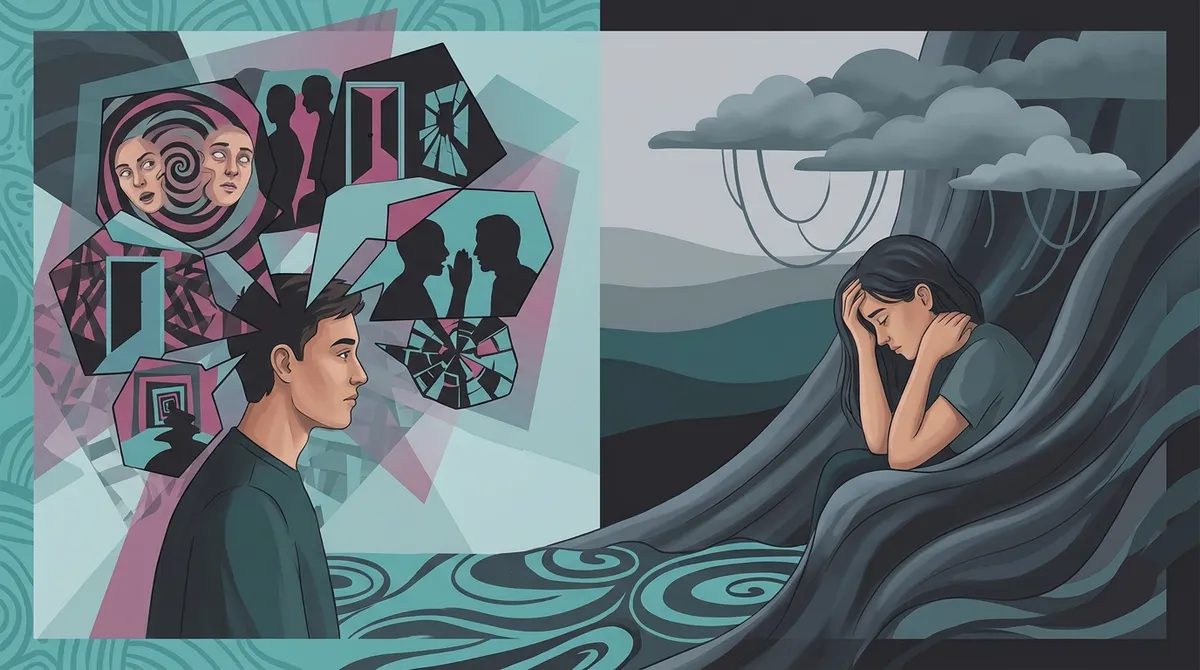
While both conditions can cause serious distress, they are distinct in important ways. Understanding these differences helps you and your care team find the right treatment path.
| Feature | Schizophrenia | Depression |
|---|---|---|
| Core Symptoms | Hallucinations, delusions, disorganized speech | Persistent sadness, hopelessness, low energy |
| Perception of Reality | Often distorted | Generally intact |
| Onset Age | Late teens to early 30s | Any age |
| Primary Treatment | Antipsychotic medication + therapy | Antidepressants + therapy |
| Recovery Outlook | Possible with ongoing support | Very strong with treatment |
When Schizophrenia and Depression Overlap
Here is where things get a bit more nuanced. Schizophrenia and depression can co-occur in several ways. Sometimes people with schizophrenia also develop depressive symptoms. Other times, depression itself can present with psychotic features like hallucinations or paranoid thoughts.
There is also a condition called schizoaffective disorder, which combines features of both schizophrenia and a mood disorder such as depression. This requires a specialized, dual-diagnosis approach to treatment. For people experiencing mood issues alongside psychosis, a careful assessment by a trained professional is essential.
Signs That Both Conditions May Be Present
- Experiencing hallucinations along with persistent sadness
- Withdrawing from family and friends due to fear or hopelessness
- Difficulty caring for yourself or completing basic tasks
- Feeling disconnected from reality and emotionally numb
- Thoughts of hopelessness combined with paranoid beliefs
If you or someone you love is showing these signs, please do not wait. Reaching out to a psychotherapist can be a life-changing first step.
How to Seek Help: A Step-by-Step Guide
Getting the right help may feel overwhelming, but breaking it down into steps makes it manageable. Here is how to move forward:
- Recognize the signs: Notice when symptoms are getting in the way of daily life — at work, in relationships, or at home. Awareness is the first step toward healing.
- Talk to someone you trust: Share what you are experiencing with a family member, friend, or doctor. You do not have to carry this alone.
- Schedule a professional evaluation: A licensed therapist or psychiatrist can provide an accurate diagnosis and start building a care plan that fits your life.
- Explore treatment options: Treatment often includes therapy, medication, psychoeducation, and community support. Every plan is personalized.
- Stay consistent with care: Recovery is not a straight line. Regular sessions and ongoing support help you build real momentum over time.
For those in Florida, telehealth therapy makes it easy to connect with a therapist from the comfort of home — no matter where you are in the state.
Effective Treatments for Schizophrenia and Depression
The good news is that both schizophrenia and depression respond well to treatment. Here are some of the most effective, evidence-based approaches used by mental health professionals today:
Therapy Options
- Cognitive-Behavioral Therapy (CBT): Helps you identify and change harmful thought patterns that fuel depression or psychotic symptoms.
- Psychoeducation: Teaches individuals and families about the condition so everyone involved can be part of the healing process.
- Family Intervention: Supports family members in understanding mental illness and creating a safe, nurturing home environment.
- EMDR Therapy: Especially helpful for those with trauma overlapping their symptoms. Learn more about EMDR treatment and how it works.
Additional Support Options
- Medication management (antipsychotics, antidepressants)
- Peer support programs from individuals with lived experience
- Psychosocial rehabilitation and supported employment
- Community mental health teams and crisis services
- Supported housing and outreach programs
According to the World Health Organization, more than two out of three people with psychosis globally do not receive specialist mental health care. That gap in care is a serious issue — but knowing that help is available is the first step to closing it.
Why So Many People Are Not Getting Help
Research shows that more than 50% of individuals with schizophrenia receive either no treatment or suboptimal care. At least 40% of people with actively symptomatic schizophrenia-spectrum disorders in the U.S. have no consistent contact with mental health services. These numbers are heartbreaking — but they also highlight just how needed compassionate, accessible care truly is.
Barriers to care often include:
- Stigma: Many people fear being judged or labeled, so they avoid seeking help.
- Language barriers: For Spanish-speaking individuals and families, finding bilingual therapists can be difficult. At West Florida Therapy, services are available in both English and Spanish.
- Access and cost concerns: Not everyone knows how to navigate insurance or find affordable options. Florida residents can explore resources through Substance Abuse & Mental Health services in the state.
It is also worth knowing that the Florida Department of Health provides mental health links and resources to help residents find the care they need.
What to Expect From the Therapy Process
Starting therapy can feel like a big unknown, but it does not have to be scary. At West Florida Therapy, Margaret Deuerlein is a caring and experienced psychotherapist who specializes in helping adults and adolescents navigate complex mental health challenges — including mood disorders, psychosis-related concerns, and depression.
Here is how the process typically works:
- Free 15-minute consultation: You start with a brief conversation to discuss your concerns and see if the fit feels right.
- Personalized treatment plan: Together, you and your therapist create a plan that fits your unique needs and goals.
- Consistent weekly or bi-weekly sessions: Sessions build on each other over time, creating real and lasting progress.
You can learn more about how therapy works by visiting Our Process or by checking out About Margaret Deuerlein to learn about her background and approach.
Supporting a Loved One With Schizophrenia or Depression
If someone you love is living with schizophrenia or depression, your support matters more than you know. Here are some simple ways to help:
- Listen without judgment and let them know you care
- Help them research and schedule professional support
- Learn about their condition through psychoeducation
- Be patient — recovery takes time and looks different for everyone
- Take care of your own mental health too
Family involvement is one of the strongest predictors of positive outcomes in mental health recovery. And if you find yourself struggling with the emotional weight of caregiving, reaching out for your own support is not just okay — it is essential. Consider exploring mental health resources that can support the whole family.
The Road to Recovery Is Real
Recovery from schizophrenia and depression is not about being “cured” overnight. It is about building a life that feels meaningful and manageable — even on the harder days. Most people with schizophrenia do recover and go on to lead fulfilling lives. Depression, with treatment, often improves significantly. Hope is not just a nice idea — it is backed by research and lived experience.
You deserve support that sees you as a whole person, not just a diagnosis. Whether you are dealing with depression, complex mood symptoms, or concerns about psychosis, professional therapy can help you find your footing again. You can also check out Mental Health Resources from the CDC for additional guidance on caring for your mental well-being.
If you are ready to take that first step, we would love to hear from you. Visit us on Google to read reviews from real clients who have found hope and healing with our team.
You do not have to face schizophrenia and depression alone. Reach out today and take the first courageous step toward a life that feels like yours again. Schedule your free consultation with West Florida Therapy and start your journey toward healing — in English or Spanish, in-person in Brandon, Florida, or virtually from anywhere in the state.
FAQs
Q: What is the difference between schizophrenia and depression?
A: Schizophrenia is a brain disorder that affects how a person perceives reality, often causing hallucinations and delusions, while depression is a mood disorder marked by persistent sadness and low energy. Both are serious conditions, but they have different symptoms and require different treatment approaches. The good news is that both respond well to professional care!
Q: Can someone have both schizophrenia and depression at the same time?
A: Yes, it is possible for someone to experience symptoms of both schizophrenia and depression simultaneously. In some cases, this may be diagnosed as schizoaffective disorder, which requires a specialized dual-diagnosis treatment approach. Working with a trained therapist or psychiatrist can help clarify the diagnosis and create an effective care plan.
Q: What types of therapy help with schizophrenia and depression?
A: Cognitive-Behavioral Therapy (CBT), psychoeducation, family intervention, and EMDR therapy are among the most effective approaches for these conditions. Medication management alongside therapy often produces the best outcomes. A personalized plan created with a caring therapist makes all the difference in your recovery journey.
Q: How can I find mental health support in Florida for schizophrenia or depression?
A: Florida residents can access mental health support through licensed therapists, community mental health centers, and telehealth services available statewide. West Florida Therapy offers both in-person sessions in Brandon, Florida and virtual therapy throughout the state, with bilingual English and Spanish services available. A free 15-minute consultation is a great way to get started!
Q: Is recovery from schizophrenia and depression really possible?
A: Absolutely — and this is one of the most important things to hold onto. Most people with schizophrenia do recover and lead meaningful lives, especially with consistent treatment and support. Depression also improves significantly with the right therapy and care, and many people go on to thrive.