Key Takeaways
-
Couples therapy teaches practical conflict resolution skills like active listening, using 'I' statements, and taking breaks during heated conversations—tools that stay with you long after sessions end.
-
A neutral therapist creates a judgment-free space where conversations don't escalate, helping couples break negative communication cycles and replace them with healthier interaction patterns.
-
Therapy helps couples align on long-term goals, finances, and values before they become sources of conflict, while also rebuilding trust after breaches through structured, step-by-step support.
-
Virtual couples therapy is equally effective as in-person sessions, offering flexible scheduling and accessibility for busy couples who struggle to attend office-based appointments.
-
Starting couples therapy early—before small issues become major ones—is more effective than waiting until a relationship feels broken or in crisis.
-
Couples therapy improves both mental and physical well-being by reducing stress, improving sleep quality, and decreasing anxiety when relationships feel stable and secure.
Relationships are beautiful — and also really hard. Whether you have been together for two years or twenty, every couple hits rough patches. Maybe communication has broken down. Maybe small arguments have become big ones. Maybe you feel more like roommates than partners. If any of this sounds familiar, you are not alone — and help is available.
Couples therapy is one of the most effective tools available for partners who want to strengthen their bond. It is not just for relationships on the edge of falling apart. Many couples use it as a proactive way to grow closer, communicate better, and build a stronger foundation. Here are 12 powerful ways that couples therapy can truly transform your relationship.

1. It Gives You a Safe Space to Talk
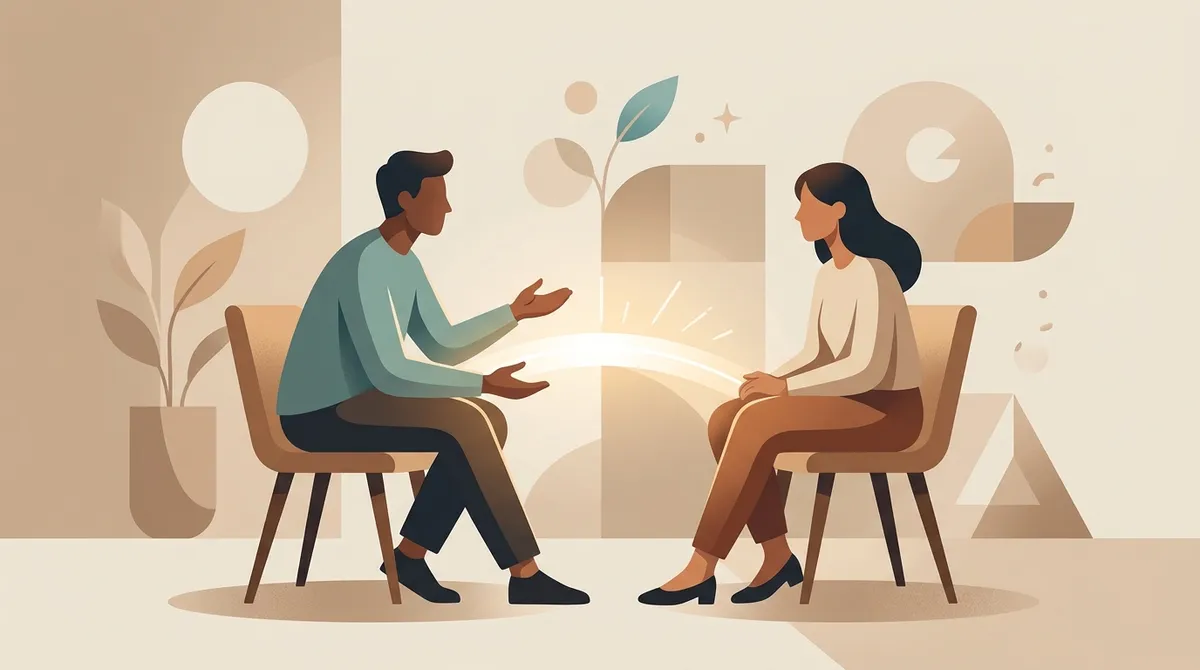
One of the biggest benefits of couples therapy is having a neutral, judgment-free space. At home, conversations can quickly escalate. A licensed therapist creates a calm environment where both partners feel heard. This alone can change the tone of even the toughest conversations.
2. It Helps You Break Negative Communication Cycles
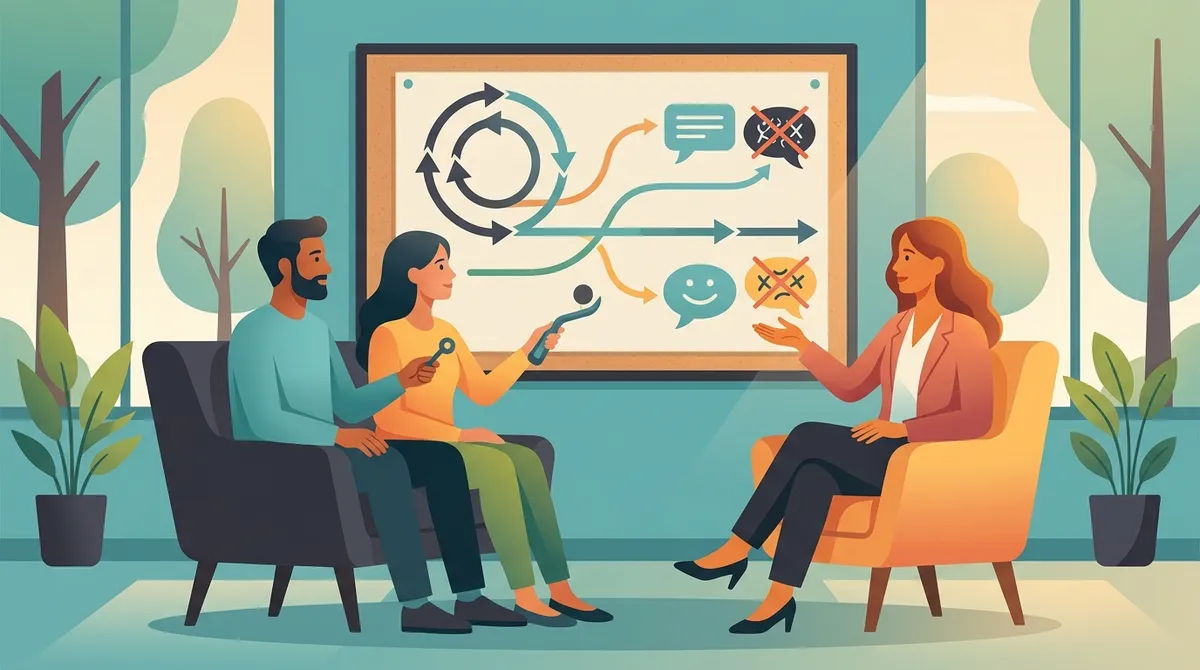
Many couples get stuck in unhelpful patterns — like one partner shutting down while the other pushes for answers. Therapy helps you spot these cycles and replace them with healthier ways to talk. Over time, you learn to respond instead of react. This shift can feel like a complete game-changer.
3. It Improves Emotional Intimacy
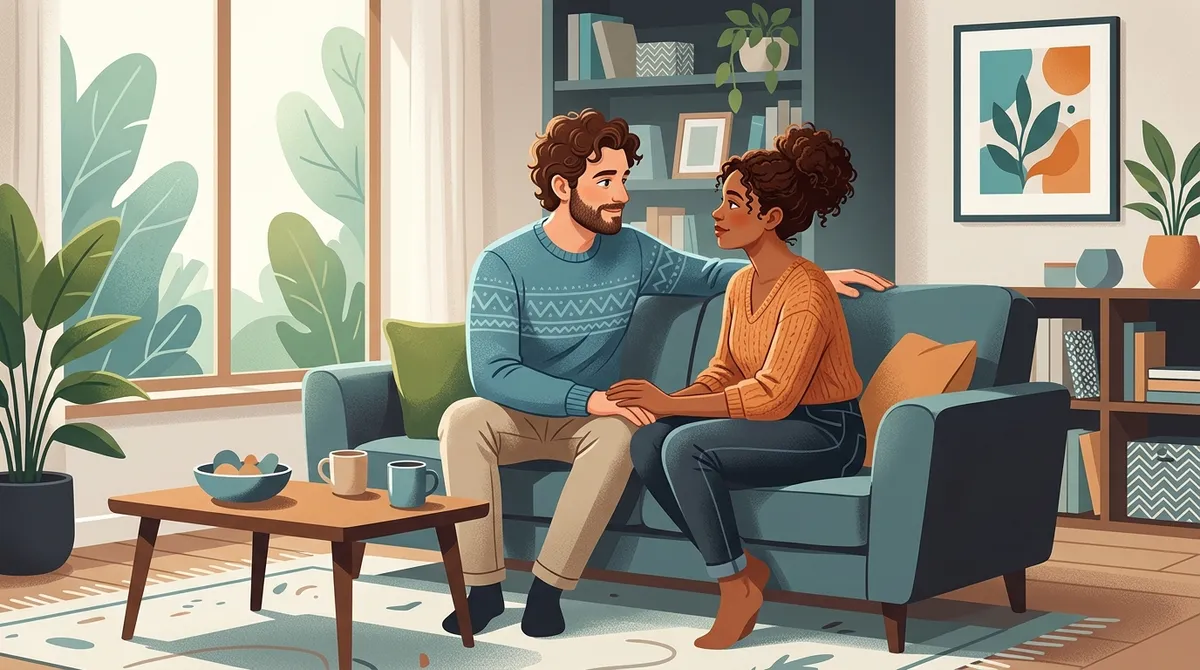
Emotional closeness is the glue that holds relationships together. When life gets busy, that connection can fade. Therapy helps couples rediscover each other on a deeper level. You learn how to be vulnerable again, and that vulnerability builds trust.
4. It Addresses Mental Health Issues Together
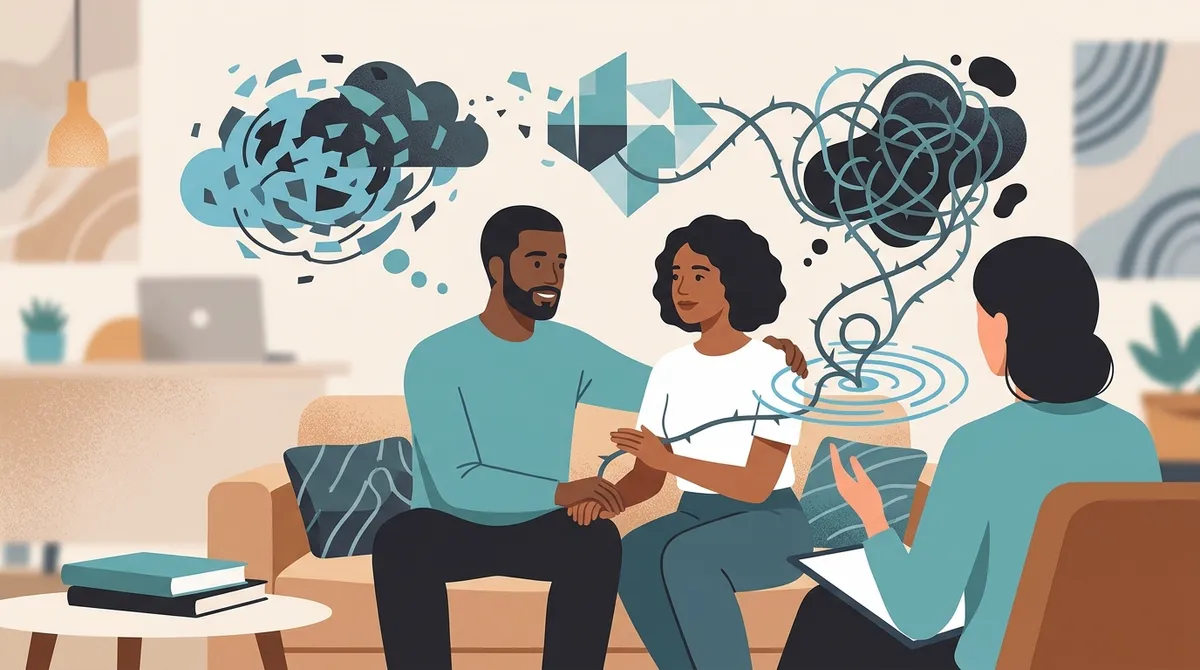
Anxiety, depression, and stress do not just affect individuals — they affect relationships too. Anxiety treatment and depression treatment are often woven into couples work because mental health and relationship health are closely linked. When one partner struggles, both partners feel it. Therapy helps you navigate these challenges as a team.
5. It Builds Conflict Resolution Skills
Conflict is normal in every relationship. The problem is not that couples argue — it is how they argue. Therapy teaches practical tools for resolving disagreements without tearing each other down. These skills stay with you long after sessions end.
Here are some conflict resolution tools couples often learn in therapy:
- Active listening without interrupting
- Using “I” statements instead of blame
- Taking short breaks before continuing heated conversations
- Identifying the root issue beneath the argument
- Agreeing on ground rules for disagreements
6. It Helps You Navigate Life Transitions
Big life changes — having a baby, losing a job, moving to a new city, or dealing with a health crisis — can put enormous strain on a relationship. Therapy helps couples navigate these transitions with greater ease. You learn how to support each other even when everything feels uncertain. Having a therapist in your corner during these moments can make all the difference.
Common life transitions that couples therapy can help with include:
- New parenthood and parenting disagreements
- Career changes or job loss
- Blending families after divorce
- Caring for aging parents
- Relocation or major lifestyle shifts
7. It Aligns You on Long-Term Goals and Values
Do you and your partner agree on finances, family planning, or where you want to live in ten years? These conversations can be hard to have on your own. A therapist helps you explore long-term values and reach mutual understanding. Aligning on these big topics reduces future conflict and builds a shared vision. You can explore this further through life goals work in therapy.
8. It Rebuilds Trust After a Breach
Trust is fragile, and when it is broken — whether through dishonesty, betrayal, or unmet expectations — the path back can feel impossible. Couples therapy provides a structured way to rebuild that trust step by step. It is not quick or easy, but with the right support, many couples do come out the other side stronger. Healing is possible.
9. It Makes Virtual Support More Accessible
Life is busy. Between work, kids, and everything else on your plate, getting to an office for therapy can feel impossible. That is why telehealth therapy in Florida is such a game-changer. Research shows that virtual couples therapy via videoconferencing is just as effective as in-person sessions. You can attend from the comfort of your own home, anywhere in Florida.
Benefits of virtual couples therapy include:
- No commute or childcare needed
- Flexible scheduling options
- Access from anywhere in Florida
- Same quality of care as in-person sessions
- More privacy for those who prefer it
10. It Helps You Understand Each Other Better
Sometimes conflict comes from simply not understanding your partner’s perspective. Therapy helps you see the world through each other’s eyes. You learn about each other’s history, triggers, and emotional needs. That understanding creates compassion — and compassion is the foundation of a lasting relationship.
11. It Strengthens Physical and Emotional Well-Being
Research shows that couples therapy improves not just relationship satisfaction but also mental and physical well-being. When your relationship feels stable and secure, stress levels drop. You sleep better, feel less anxious, and experience better overall health. Healthy relationships are genuinely good for your body and mind. You can explore related mental health support to complement your couples work.
12. It Works — and the Research Proves It
Couples therapy has a strong track record. Studies show that it significantly increases the chances of couples staying together and improving their relationship quality. Nearly half of first marriages in the U.S. end in divorce — but therapy can shift those odds. Working with a skilled therapist gives your relationship a real fighting chance. If you are dealing with ongoing relationship problems, reaching out for professional support is one of the best steps you can take.
What to Expect in a Couples Therapy Session
If you have never been to couples therapy before, it is natural to wonder what it is actually like. Here is a simple breakdown of what a typical session looks like:
- Introduction and goal setting: The therapist gets to know both partners and helps identify what you want to work on together.
- Sharing your perspectives: Each partner has a chance to share their feelings and experiences in a structured, respectful way.
- Skill building: The therapist introduces communication or coping tools specific to your challenges.
- Practice and reflection: You apply what you have learned and reflect on what is working — both in session and at home.
- Progress check-ins: Regular reviews help ensure therapy is moving in the right direction for both of you.
Sessions typically last 60 to 90 minutes. Most couples meet weekly or every other week, depending on their needs and schedules. The therapy process at West Florida Therapy is designed to be clear, structured, and supportive from the very first session.
Is Couples Therapy Right for You?
You do not have to be in crisis to benefit from couples therapy. In fact, many couples find it most helpful when they start early — before small issues become bigger ones. Here are some signs that therapy might be a good fit right now:
- You feel like you keep having the same argument over and over
- Communication has become cold, distant, or hurtful
- One or both partners is dealing with anxiety, depression, or trauma
- Intimacy — emotional or physical — has faded
- You are going through a major life transition together
- You want to strengthen an already good relationship
If trauma or past wounds are affecting your relationship, therapy can help address those too. Unresolved trauma often shows up in how we connect — or disconnect — with our partners. Check out how to recognize and heal from psychological trauma for more insight.
A Comparison: Couples Therapy vs. Individual Therapy
Not sure which type of therapy is the right fit? Here is a quick overview to help you decide:
| Feature | Couples Therapy | Individual Therapy |
|---|---|---|
| Who attends | Both partners together | One person |
| Main focus | Relationship dynamics and communication | Personal growth and individual mental health |
| Best for | Conflict, intimacy, trust, shared goals | Anxiety, depression, trauma, personal challenges |
| Session length | 60-90 minutes | 45-60 minutes |
| Can be done virtually | Yes | Yes |
In some cases, both types of therapy work well together. A partner might attend individual sessions while also joining couples sessions. A skilled psychotherapist can help you figure out the best approach for your unique situation.
Why Choose West Florida Therapy
At West Florida Therapy, Margaret Deuerlein is a caring and highly skilled therapist who genuinely wants to help couples thrive. She offers both in-person sessions in Brandon, Florida, and virtual therapy for couples throughout Florida. Bilingual services in English and Spanish are also available — because everyone deserves access to quality care in the language they feel most comfortable in.
Margaret takes a warm, personalized approach to every couple she works with. No two relationships are the same, and your therapy plan should reflect that. You can learn more about her background and approach by visiting Margaret Deuerlein’s profile. You can also visit West Florida Therapy on Google to read reviews from real clients who have experienced the difference firsthand.
Additional mental health resources are available through the Florida Department of Health’s mental health links, the Florida Department of Children and Families, and the CDC’s mental health resources.
Take the First Step Together
Every healthy relationship takes work — and asking for help is one of the most loving things you can do for your partner. Whether you are navigating a crisis or simply want to grow closer, couples therapy offers real, lasting tools to help you get there. You do not have to figure it out alone.
Ready to take the next step? Reach out to West Florida Therapy today and schedule your free 15-minute consultation. A stronger, healthier relationship is closer than you think — and it starts with one courageous conversation.
FAQs
Q: When is the right time to start couples therapy?
A: Honestly, there is no perfect time — and earlier is usually better! Many couples wait until things feel really broken, but therapy works best when you start before small issues become big ones. If you have noticed tension, communication struggles, or just a growing distance between you and your partner, that is a great time to reach out.
Q: Can couples therapy help if only one partner wants to go?
A: It is most effective when both partners are willing participants, but even one person’s growth can shift the dynamic in a relationship. Sometimes, individual therapy helps one partner work through their own challenges, which in turn improves the relationship. A good therapist can help you figure out the best approach for your unique situation.
Q: Is virtual couples therapy just as effective as in-person sessions?
A: Yes! Research confirms that virtual couples therapy via videoconferencing is just as effective as face-to-face sessions. It is a fantastic option for busy couples, those who live far from a therapist’s office, or anyone who prefers the comfort of home. West Florida Therapy offers telehealth sessions to couples throughout all of Florida.
Q: Can couples therapy help with anxiety or depression in a relationship?
A: Absolutely — mental health and relationship health are deeply connected. When one partner experiences anxiety or depression, it often affects the whole relationship. Couples therapy can address these issues within the relationship context, and your therapist may also recommend individual support to provide more comprehensive care.
Q: Is couples therapy available in Spanish at West Florida Therapy?
A: Yes! West Florida Therapy proudly offers bilingual therapy services in both English and Spanish. We believe everyone deserves quality mental health care in the language they feel most comfortable in. Whether you prefer sessions in English, Spanish, or a mix of both, we are here to meet you where you are.