
Key Takeaways
-
Meditation directly affects the nervous system, shifting from ‘fight or flight’ to a natural relaxation response that lowers cortisol and muscle tension.
-
Consistent meditation changes brain structure, strengthening emotional regulation areas and reducing reactivity to stress and fear.
-
Start with just five minutes of daily meditation, focusing on breath and gentle redirection when your mind wanders.
-
Mindfulness meditation teaches you to observe anxious thoughts without getting caught in them, creating emotional distance from anxiety.
-
Body scan meditation helps release physical tension and ground you in the present moment, especially effective for anxiety and sleep issues.
-
Establish a consistent meditation routine by linking it to existing habits and starting with small, achievable goals.
-
Combine meditation with professional mental health support for a comprehensive approach to managing stress and anxiety.
Life in 2026 feels faster than ever. Between work demands, personal responsibilities, and constant digital notifications, stress and anxiety can feel overwhelming. If you’re searching for a natural way to calm your mind and restore balance, meditation might be the answer you’ve been looking for. This ancient practice has become a cornerstone of modern mental health care, helping countless people find peace in the midst of chaos.
Meditation isn’t just about sitting quietly and hoping your worries disappear. It’s a proven technique that changes how your brain responds to stress, helping you develop better coping skills and emotional resilience. Whether you’re dealing with daily pressures or chronic anxiety, learning how to meditate can transform your mental health journey. In this guide, you’ll discover practical meditation techniques, understand the science behind their effectiveness, and learn how to make meditation work for your unique situation.
At West Florida Therapy, we recognize that managing stress and anxiety requires personalized approaches. While meditation is a powerful tool, combining it with professional support can create even better results for your mental well-being.
Understanding How Meditation Reduces Stress and Anxiety
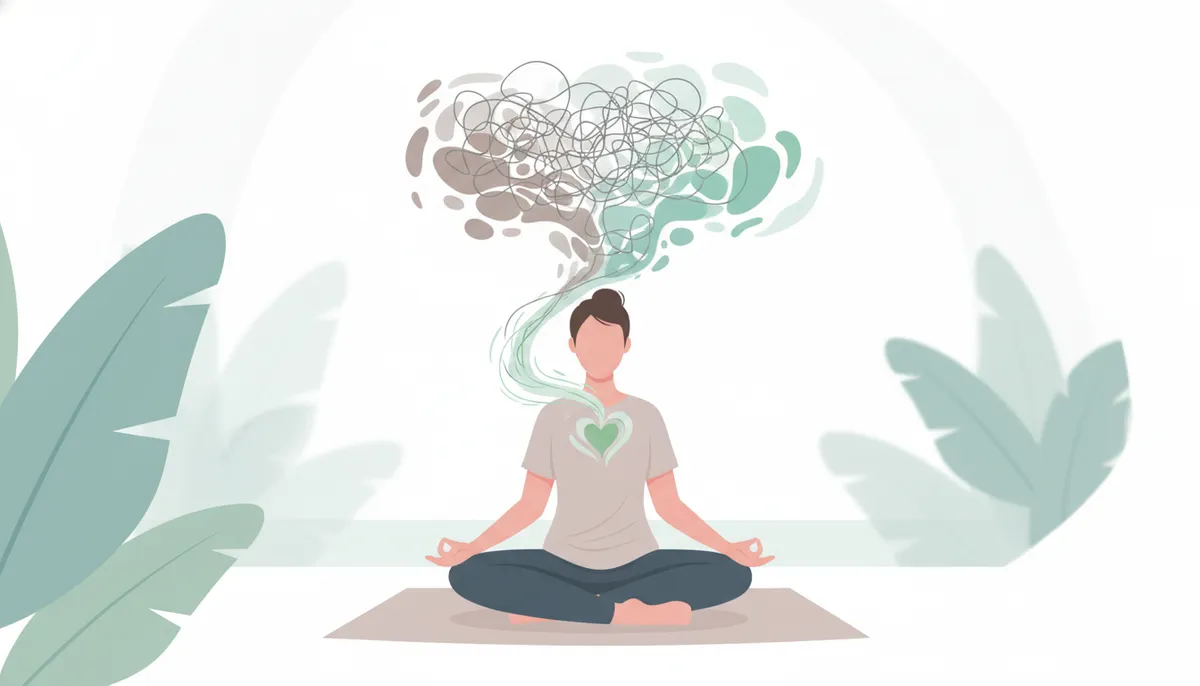
When you practice meditation regularly, your body undergoes remarkable changes. The practice directly affects your nervous system, shifting you away from the ‘fight or flight’ response that keeps anxiety levels high. Instead, meditation activates your body’s natural relaxation response, lowering cortisol levels and reducing muscle tension throughout your body.
Research shows that mindfulness meditation is just as effective as cognitive behavioral therapy and antidepressants for treating anxiety and depression in the short term. A 2018 analysis examining over 12,000 participants found that mindfulness approaches worked better than no treatment and matched the effectiveness of established therapies. This isn’t just wishful thinking – it’s backed by solid science.
Your brain actually changes structure when you meditate consistently. Areas responsible for emotional regulation become stronger, while regions associated with stress and fear become less reactive. This means you’ll naturally handle stressful situations better, even when you’re not actively meditating. Think of it as building emotional muscle that protects you during difficult times.
Meditation helps you observe your thoughts without getting caught up in them. Instead of spiraling into worry when an anxious thought appears, you learn to notice it, acknowledge it, and let it pass. This simple shift breaks the cycle of rumination and negative thinking patterns that fuel anxiety disorders.
Getting Started with Basic Meditation Techniques
Starting a meditation practice doesn’t require special equipment or hours of free time. You can begin with just five minutes a day and gradually increase as you feel more comfortable. The key is consistency, not perfection. Here’s how to get started:
Choosing Your Meditation Space
Find a quiet spot where you won’t be interrupted. This could be a corner of your bedroom, a comfortable chair, or even your car during lunch break. The location matters less than the consistency of using it. Your brain will start associating this space with relaxation, making it easier to settle into meditation each time.
Make your space comfortable but not so cozy that you’ll fall asleep. Sit in a chair with your feet flat on the floor, or cross-legged on a cushion. Keep your back straight but not rigid. You can also lie down, though this increases the chance of drifting off to sleep instead of staying mindfully aware.
Simple Breathing Meditation
The most basic meditation technique focuses on your breath. Close your eyes and notice the sensation of air entering and leaving your nostrils. Feel your chest and belly rise and fall. When your mind wanders – and it will – gently bring your attention back to your breathing without judging yourself.
Try this pattern: Breathe in slowly for four counts, hold for four counts, breathe out for four counts, and pause for four counts. Repeat this cycle for five to ten minutes. This structured approach gives your mind something specific to focus on, making it easier to stay present.
Many people find it helpful to count breaths. Count ‘one’ on your first inhale, ‘two’ on the exhale, and continue up to ten before starting over. If you lose count, simply start again at one. This technique helps anchor your attention and makes it obvious when your mind has wandered.
Mindfulness Meditation for Anxiety Management
Mindfulness meditation teaches you to stay present in the current moment instead of worrying about the future or dwelling on the past. This practice is particularly effective for anxiety because most anxious thoughts focus on things that haven’t happened yet or situations you can’t control.
When you practice mindfulness, you develop the ability to observe your anxious thoughts without believing everything they tell you. You start recognizing that thoughts are temporary events in your mind, not facts about reality. This creates distance between you and your anxiety, reducing its power over your emotions and behaviors.
Programs like Mindfulness-Based Stress Reduction (MBSR) have been integrated into mental health services specifically because of their effectiveness. A 2020 study involving 203 veterans found that meditation was as effective as prolonged exposure therapy for reducing PTSD symptoms, with the added benefit of improving mood and overall quality of life.
Body Scan Meditation Technique
Body scan meditation helps you connect with physical sensations and release tension you might not realize you’re holding. Start by lying down or sitting comfortably. Close your eyes and bring attention to your toes. Notice any sensations – warmth, coolness, tingling, or tension. Don’t try to change anything, just observe.
Slowly move your awareness up through your feet, ankles, calves, knees, and thighs. Spend 30 seconds to a minute on each body part. When you notice tension, imagine breathing into that area and releasing the tightness as you exhale. Continue up through your torso, arms, neck, and head.
This technique is especially helpful before bed if anxiety keeps you awake. It grounds you in your physical body and away from racing thoughts. Many people find they fall asleep during body scans, which is perfectly fine if you’re practicing at bedtime.
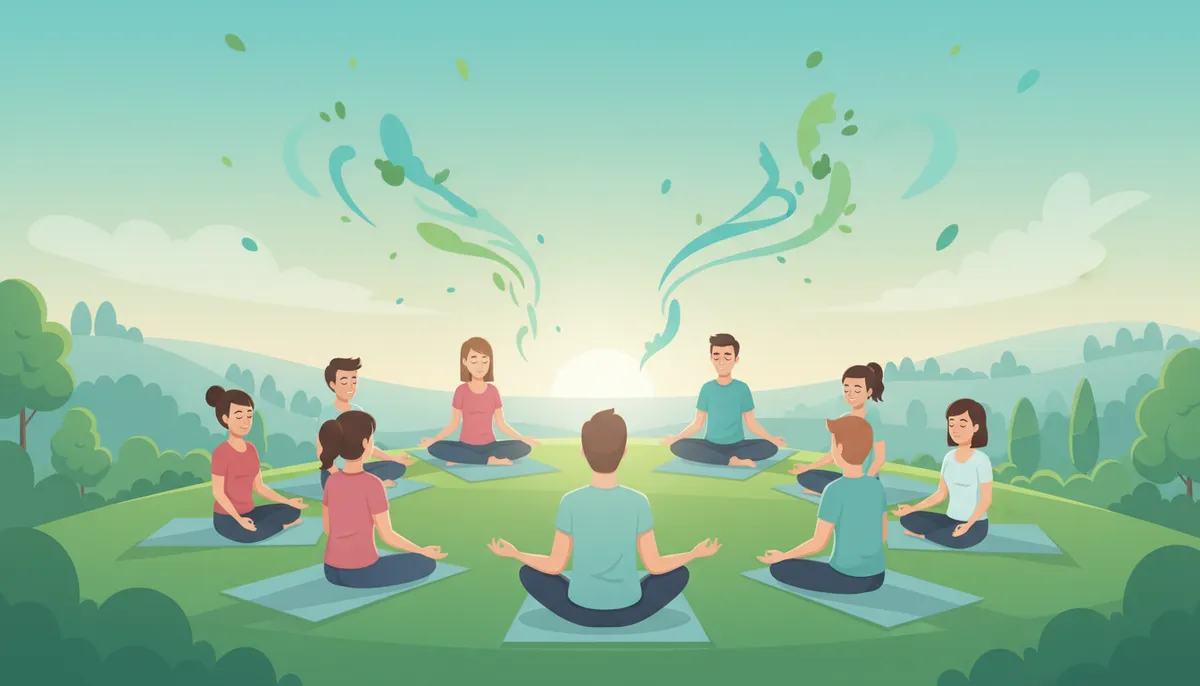
Managing Stress Through Meditation Practice
Stress affects your body in measurable ways. It raises blood pressure, increases inflammation, and weakens your immune system. Regular meditation counteracts these effects by triggering your body’s relaxation response. Even short meditation sessions can lower cortisol levels and reduce the physical symptoms of stress.
You don’t need to meditate for hours to see benefits. Research shows that consistent practice matters more than session length. Even ten minutes daily produces noticeable improvements in stress levels, focus, and emotional regulation. The key is making meditation a regular habit, just like brushing your teeth or exercising.
Think of meditation as training your mind to respond differently to stress. Each time you bring your wandering attention back to your breath or chosen focus point, you’re strengthening your ability to redirect your thoughts. This skill transfers to daily life, helping you stay calm when challenges arise.
Loving-Kindness Meditation
This practice cultivates compassion for yourself and others, which directly reduces anxiety and builds emotional resilience. Start by sitting comfortably and bringing to mind someone who loves you unconditionally. Feel their warmth and care. Then silently repeat phrases like: ‘May I be happy. May I be healthy. May I be safe. May I live with ease.’
After several minutes focusing on yourself, extend these wishes to others. Start with someone you care about, then a neutral person, and eventually even someone you find difficult. This practice reduces the harsh self-criticism that often accompanies anxiety and depression, replacing it with self-compassion and kindness.
Studies show that loving-kindness meditation increases positive emotions and decreases symptoms of depression and anxiety. It helps you develop a friendlier relationship with yourself, which is essential for mental health recovery and maintenance.
Integrating Meditation into Your Daily Routine
The biggest challenge with meditation isn’t learning the techniques – it’s maintaining a consistent practice. Life gets busy, and meditation often becomes the first thing we skip. However, building meditation into your daily routine ensures you’ll stick with it long enough to experience real benefits.
Here are practical ways to make meditation a lasting habit:
- Set a specific time each day: Morning meditation helps you start the day calm and centered. Evening practice helps you unwind before bed. Choose a time that works with your schedule and stick to it.
- Start small and build gradually: Begin with five minutes and add a minute each week. Small successes build confidence and make the practice sustainable.
- Use reminders and tracking: Set phone alarms or use meditation apps to remind you. Track your practice on a calendar to build momentum and see your progress.
- Link meditation to existing habits: Meditate right after your morning coffee, during lunch break, or before dinner. Pairing it with established routines increases follow-through.
- Be flexible and forgiving: If you miss a day, don’t give up. Simply start again the next day without guilt or self-criticism.
Remember that meditation is a skill that develops over time. Your mind will wander constantly at first, and that’s completely normal. Each time you notice your mind has drifted and bring it back, you’re succeeding at meditation. The practice isn’t about achieving a perfectly blank mind – it’s about noticing when your attention has wandered and gently redirecting it.
Combining Meditation with Professional Mental Health Support
While meditation is a powerful tool for managing stress and anxiety, it works best when combined with professional mental health care. At West Florida Therapy, Margaret Deuerlein integrates mindfulness techniques with evidence-based therapy approaches to create comprehensive treatment plans tailored to your needs.
Therapy provides structure and guidance that self-directed meditation practice can’t always offer. A trained therapist helps you understand the root causes of your anxiety, develop coping strategies beyond meditation, and work through deeper emotional issues that meditation alone might not resolve.
For some people, meditation can initially increase anxiety as they become more aware of their thoughts and feelings. A therapist can help you navigate these experiences and adjust your practice to support your healing rather than increase distress. They can also teach you specific meditation techniques designed for anxiety disorders, ensuring you’re practicing in ways that truly help.
Meditation Techniques Used in Therapy Settings
Mental health professionals often incorporate specific meditation practices into treatment plans. These include:
- Mindfulness-Based Stress Reduction (MBSR): An eight-week program that combines meditation, body awareness, and yoga to reduce stress and improve well-being
- Mindfulness-Based Cognitive Therapy (MBCT): Combines meditation with cognitive therapy techniques to prevent depression relapse
- Acceptance and Commitment Therapy (ACT): Uses mindfulness to help you accept difficult emotions while taking action toward your values
- Dialectical Behavior Therapy (DBT): Incorporates mindfulness as one of four core skill sets for emotional regulation
These structured approaches provide clear frameworks for using meditation therapeutically. They’re particularly helpful if you’ve tried meditation on your own without success or if your anxiety is severe enough to interfere with daily functioning.
Overcoming Common Meditation Challenges
Even with the best intentions, you’ll face obstacles in your meditation practice. Understanding common challenges and how to address them helps you maintain consistency and get the most from your practice.
When Your Mind Won’t Stop Racing
A busy mind is the most common meditation complaint. Your brain is designed to think, so having lots of thoughts during meditation doesn’t mean you’re doing it wrong. Instead of fighting your thoughts, try these approaches:
- Label thoughts as ‘thinking’ and return to your breath
- Imagine thoughts as clouds passing through the sky – observe them without engaging
- Use counting or mantras to give your mind a specific focus point
- Try guided meditations that provide continuous gentle direction
If racing thoughts persist despite regular practice, they might be symptoms of an underlying anxiety disorder that needs professional attention. Reach out to a mental health professional who can assess your symptoms and recommend appropriate treatment.
Dealing with Physical Discomfort
Sitting still can be uncomfortable, especially when you’re starting out. Your back might ache, your legs might fall asleep, or you might feel restless. These physical sensations can actually become part of your meditation practice. Notice the discomfort without immediately reacting. Observe how it changes moment to moment.
That said, meditation shouldn’t cause pain. Adjust your position as needed. Use cushions for support, sit in a chair instead of on the floor, or try walking meditation if sitting is too difficult. The goal is alert comfort, not suffering through physical pain.
Finding Time in a Busy Schedule
The ‘I don’t have time’ excuse is common, but meditation doesn’t require large time blocks. You can meditate during activities you’re already doing. Try mindful walking during your lunch break, mindful eating during meals, or even mindful breathing while waiting in line or sitting in traffic.
Short meditation sessions throughout the day can be more beneficial than one long session. Try three five-minute meditations instead of one fifteen-minute session. This approach keeps you grounded throughout the day and makes the practice more manageable.
Measuring Your Progress and Adjusting Your Practice
Unlike exercise where you can measure progress through weight or reps, meditation benefits are often subtle. You might not notice dramatic changes immediately, but over time you’ll likely observe:
- Fewer panic attacks or reduced intensity when they occur
- Better sleep quality and easier time falling asleep
- Improved focus and concentration at work or school
- Less reactive behavior in stressful situations
- Greater sense of calm and emotional balance
- Enhanced self-awareness and understanding of your emotions
Keep a simple journal to track your practice and note any changes in your mood, anxiety levels, or stress responses. This helps you see patterns and progress that might not be obvious day-to-day. It also helps you identify which meditation techniques work best for your specific needs.
If you’re not seeing improvements after several weeks of consistent practice, consider adjusting your approach. Try different meditation styles, change the time of day you practice, or seek guidance from a meditation teacher or therapist. What works for one person might not work for another, and finding your ideal practice sometimes requires experimentation.
The Science Behind Meditation’s Impact on Mental Health
Understanding why meditation works can increase your motivation to maintain a regular practice. The scientific evidence for meditation’s benefits continues to grow, with researchers discovering new mechanisms through which meditation improves mental health.
When you meditate regularly, your brain shows measurable changes. The amygdala, which processes fear and emotional responses, becomes less reactive. Meanwhile, areas involved in attention, emotional regulation, and self-awareness become more active and develop stronger connections. These changes explain why meditation helps you respond to stress more calmly.
Large research reviews have demonstrated strong reductions in anxiety symptoms across diverse populations. Studies involving veterans, people with chronic pain, and individuals with generalized anxiety disorder all show significant improvements with regular meditation practice. A 2020 analysis of 514 participants found meditation was strongly associated with pain reduction in people using opioids for acute and chronic pain.
Physiological Benefits Beyond Mental Health
Meditation’s benefits extend beyond your emotional state. Regular practice produces physical health improvements including:
- Lower blood pressure: Meditation helps relax blood vessels and reduce cardiovascular strain
- Reduced inflammation: Chronic stress increases inflammation throughout your body, and meditation counteracts this effect
- Improved immune function: Lower stress levels support better immune system performance
- Better pain management: Research shows meditation can reduce both acute and chronic pain perception
- Enhanced sleep quality: Regular meditation helps regulate sleep cycles and reduces insomnia
These physical benefits create a positive feedback loop. As your body feels better, your anxiety decreases. As your anxiety decreases, your physical symptoms improve. This interconnection between mind and body demonstrates why meditation is such a valuable component of comprehensive mental health care.
Creating a Sustainable Long-Term Practice
The real power of meditation emerges through consistent long-term practice. While you might experience some immediate benefits, the deeper transformations happen gradually over months and years. Building a sustainable practice means creating an approach you can maintain through life’s ups and downs.
Consider joining a meditation group or class. Practicing with others provides accountability, support, and opportunities to learn from experienced meditators. Many communities offer free or low-cost meditation groups at libraries, community centers, or places of worship. Online meditation communities can also provide connection and motivation.
Use technology thoughtfully to support your practice. Meditation apps offer guided sessions, timers, progress tracking, and reminder features. However, don’t become so dependent on apps that you can’t meditate without them. Learn basic techniques you can practice anywhere, anytime, without technology.
Remember that your meditation practice will evolve over time. Techniques that work well initially might feel stale later, or life circumstances might require different approaches. Stay curious and willing to explore new methods. This flexibility keeps your practice fresh and responsive to your changing needs.
When to Seek Additional Support
Meditation is a valuable tool for managing stress and anxiety, but it’s not a substitute for professional mental health care when you need it. Some situations require more support than self-directed meditation can provide. Consider reaching out for professional help if you experience:
- Anxiety that interferes with work, relationships, or daily activities
- Panic attacks that feel uncontrollable despite meditation practice
- Depression symptoms that persist or worsen
- Traumatic stress or PTSD symptoms
- Thoughts of self-harm or suicide
- Substance use to cope with anxiety or stress
Margaret Deuerlein at West Florida Therapy understands that each person’s mental health journey is unique. She offers both individual therapy and couples therapy for adults and adolescents throughout Florida, with bilingual services available in English and Spanish. Her caring, personalized approach helps you develop the skills and strategies you need to manage stress and anxiety effectively.
Professional therapy can teach you meditation techniques specifically designed for your situation while also addressing underlying issues contributing to your anxiety. This comprehensive approach often produces better outcomes than meditation or therapy alone. To learn more about how therapy can support your mental health, reach out to discuss your needs and explore treatment options.
Taking Your Next Steps Toward Calm and Balance
Starting a meditation practice for stress and anxiety relief is one of the most valuable investments you can make in your mental health. Begin with just five minutes daily, using simple breathing or mindfulness techniques. Stay consistent, be patient with yourself, and remember that every meditation session – even the difficult ones – builds your resilience and emotional regulation skills.
The journey to managing stress and anxiety effectively often benefits from professional guidance and support. Combining meditation with evidence-based therapy creates a powerful foundation for lasting mental health improvements. You don’t have to navigate this path alone.
If you’re ready to take the next step in your mental health journey, contact West Florida Therapy today. Margaret Deuerlein offers compassionate, personalized care to help you develop effective strategies for managing stress and anxiety. Whether you’re looking for support in developing a meditation practice, working through deeper emotional challenges, or simply need someone who understands what you’re going through, help is available. Visit West Florida Therapy on Google to read reviews from clients who have found relief and balance through therapy.
Your path to greater peace and emotional well-being starts with a single step. Take that step today, and discover how meditation and professional support can transform your relationship with stress and anxiety.
FAQs
Q: How long does it take for meditation to reduce anxiety symptoms?
A: Most people notice some improvement within 2-3 weeks of daily practice, but significant changes typically emerge after 8-12 weeks of consistent meditation. The key is practicing regularly, even if just for 5-10 minutes daily. Remember, meditation builds skills gradually, and your progress might be subtle at first before becoming more noticeable.
Q: What’s the best meditation technique for someone just starting with anxiety?
A: Simple breathing meditation is ideal for beginners dealing with anxiety. Focus on counting your breaths or following the sensation of air moving in and out. This gives your mind something concrete to focus on, making it easier to stay present. Body scan meditation is another gentle option that helps you notice and release physical tension.
Q: Can meditation replace therapy or medication for anxiety disorders?
A: Meditation is a powerful tool, but it works best alongside professional treatment rather than as a replacement. Research shows meditation is as effective as some treatments for mild to moderate anxiety, but severe anxiety often needs the comprehensive approach that therapy and sometimes medication provide. Think of meditation as one important part of your complete mental health care plan.
Q: Why does my anxiety sometimes feel worse when I start meditating?
A: When you first meditate, you become more aware of thoughts and feelings you’ve been avoiding or pushing away. This increased awareness can temporarily make anxiety feel more intense. This is actually a normal part of the process and usually decreases with continued practice. If it persists or feels overwhelming, working with a therapist can help you navigate this experience more comfortably.
Q: How does mindfulness meditation differ from other relaxation techniques?
A: Mindfulness meditation focuses on present-moment awareness without trying to change or control your experience. Unlike progressive muscle relaxation or visualization, mindfulness teaches you to observe thoughts and feelings as they are. This builds long-term skills for managing anxiety rather than just providing temporary relief. Both approaches are valuable, but mindfulness creates lasting changes in how you relate to stressful thoughts.