
Key Takeaways
-
ACT teaches you to accept difficult thoughts and feelings instead of fighting them, while taking committed action toward values-based goals—most people see meaningful progress within 8 weeks to 4 months with weekly sessions.
-
ACT builds psychological flexibility, the ability to handle hard emotions while staying grounded and acting in ways that match your personal values like family, honesty, or growth.
-
The American Psychological Association recognizes ACT as evidence-based for depression, anxiety disorders, chronic pain, and OCD, with endorsement from the Department of Veterans Affairs.
-
ACT differs from traditional CBT by focusing on accepting negative thoughts rather than challenging them directly, helping you live according to your values instead of just reducing symptoms.
-
Practical ACT skills you can start today include naming feelings with distance ('I notice I'm having the thought'), practicing 5-minute mindful breathing, identifying personal values, and gently leaning into feared situations instead of avoiding them.
-
Brandon area therapists offer flexible ACT treatment including bilingual services in English and Spanish, with options for in-person or telehealth sessions for adults, teens, and couples.
Feeling stuck in your own head? You are not alone. So many people in Brandon feel trapped by worry, sadness, or old pain that just won’t let go. The good news is that Brandon acceptance and commitment therapy offers a different path forward, one that does not ask you to fight your feelings but to make peace with them while still building the life you want.
This approach has become a trusted tool for therapists across Florida, and for good reason. It blends mindfulness with real, practical action steps. In this guide, we will walk through what Brandon acceptance and commitment therapy actually looks like, who it helps, and how you can get started with support from a caring local team.
What Is Acceptance and Commitment Therapy (ACT)?
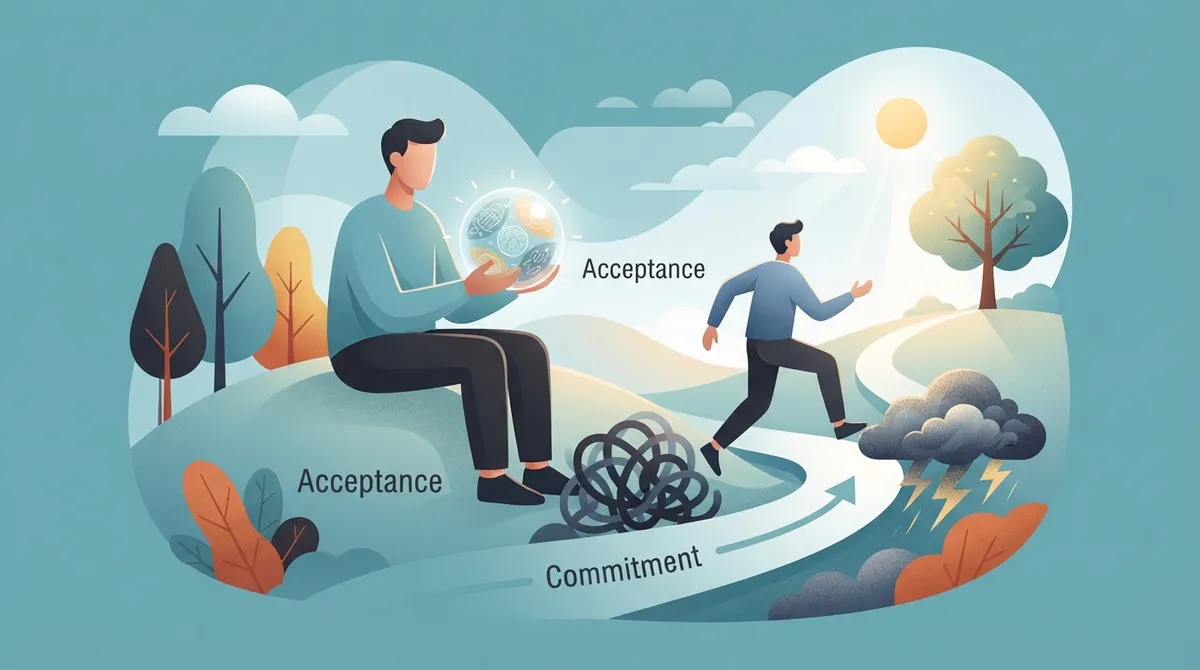
Acceptance and Commitment Therapy, often called ACT (said as one word, like “act”), is a type of talk therapy. It falls under the umbrella of cognitive behavioral therapy, but it has its own special flavor. Instead of trying to erase painful thoughts, ACT teaches you how to accept them and still move forward with your life.
Think of it this way. You cannot always stop a wave from crashing. But you can learn to surf it. That is the heart of ACT. You learn to ride out difficult emotions instead of drowning in them.
ACT is built around a few core ideas:
- Accepting thoughts and feelings instead of fighting them
- Staying present in the moment rather than stuck in the past or future
- Noticing your thoughts without being controlled by them
- Connecting with your personal values, like family, honesty, or growth
- Taking committed action toward the life you actually want
- Building psychological flexibility, or the ability to bend without breaking
This last idea, psychological flexibility, is really the goal of the whole approach. It simply means you can handle hard emotions, stay grounded, and still act in ways that match what matters most to you.

Why Brandon Residents Are Turning to ACT Therapy
Life in Brandon moves fast. Between work, family, traffic, and everyday stress, it is easy to feel overwhelmed. Many local therapists now offer ACT as part of their treatment toolkit because it works well for a wide range of struggles.
According to therapist directories serving the Brandon, FL area, ACT is commonly used to help with anxiety, depression, relationship struggles, and general stress. It is considered a transdiagnostic therapy, which is just a fancy way of saying it can help with many different issues, not just one specific diagnosis.
The American Psychological Association has recognized ACT as an evidence-based treatment for depression, mixed anxiety disorders, chronic pain, and obsessive-compulsive symptoms. Even the Department of Veterans Affairs endorses ACT as a proven approach for mood-related struggles. That is a strong track record for anyone wondering if this therapy actually works.
Common Concerns ACT Can Help With
- Persistent worry and racing thoughts
- Low mood or a sense of feeling stuck
- Stress from work, school, or family life
- Difficulty in relationships and communication
- Trouble processing painful past experiences
- Struggles with self-worth and confidence
How ACT Therapy Works: A Step-by-Step Look
Wondering what actually happens in an ACT session? Here is a simple breakdown of how the process typically unfolds with a skilled therapist.
- Getting to know your story. Your therapist starts by listening. They want to understand your background, your struggles, and what brought you to therapy in the first place.
- Identifying unhelpful patterns. Together, you will notice how you have been avoiding or fighting certain thoughts and feelings, and how that avoidance may be holding you back.
- Practicing acceptance skills. You will learn simple mindfulness exercises to help you sit with hard emotions instead of running from them.
- Clarifying your values. Your therapist helps you figure out what truly matters to you, whether that is being a present parent, a loyal friend, or a dedicated professional.
- Setting committed action steps. You create small, doable goals that move you toward the life you want, even while uncomfortable feelings are still present.
- Reviewing progress regularly. Each session builds on the last, and adjustments are made as needed to keep you moving forward.
According to a Brandon-area therapist directory, a typical ACT treatment plan involves one 50-minute session per week. Most people see meaningful progress within 8 weeks to 4 months, depending on their goals and concerns.
ACT vs. Traditional CBT: What Is the Difference?
People often ask how ACT compares to standard cognitive behavioral therapy, or CBT. Both are effective, but they take slightly different approaches to the same problem.
| Feature | Traditional CBT | Acceptance and Commitment Therapy (ACT) |
|---|---|---|
| Main goal | Change unhelpful thoughts | Accept thoughts, change your response |
| View of negative thoughts | Something to challenge and correct | Something to notice and accept |
| Focus | Reducing symptoms | Living according to your values |
| Key tool | Thought records, reframing | Mindfulness, values clarification |
| Best for | Specific thought patterns | Broad emotional flexibility |
Neither approach is better across the board. Many therapists, including those who use an individualized approach, blend ACT with other proven methods like CBT, DBT, and mindfulness practices to fit each person’s unique needs.
Who Can Benefit from Brandon Acceptance and Commitment Therapy?
One of the best things about ACT is how flexible it is. It works well across many different life stages and struggles. Here is a closer look at who tends to benefit most.
Adults Facing Everyday Stress
If you are a busy professional juggling work deadlines, bills, and personal goals, ACT can help you stop wrestling with stress and start living more fully despite it. Many millennials and young professionals in Brandon find that individual therapy using ACT gives them tools they can use immediately, both at work and at home.
Young Adults Navigating Big Life Changes
Gen Z and young adults often face unique pressures, from social media comparison to career uncertainty. ACT helps this age group build resilience and clarity around what really matters to them, rather than getting swept up in anxious thoughts.
Couples Working Through Conflict
ACT principles can also support couples therapy. Partners learn to accept difficult emotions during conflict instead of shutting down or lashing out, which opens the door to healthier communication and deeper connection.
Teens Dealing with School and Social Pressure
Adolescents facing school stress, social anxiety, or family tension can also benefit from ACT-based approaches, especially when sessions are made age-appropriate and engaging. Parents often appreciate how this method gives teens practical skills rather than just talking about feelings.
Spanish-Speaking Individuals Seeking Culturally Sensitive Care
Language should never be a barrier to healing. Bilingual ACT therapy, offered in both English and Spanish, ensures that Hispanic adults across Florida can fully express themselves and receive care that truly understands their experience.
What Makes a Great ACT Therapist in Brandon?
Choosing the right therapist matters just as much as choosing the right approach. Here are a few things to look for when searching for ACT support in the Brandon area.
- Proper licensing and training in evidence-based therapies
- Experience with your specific concern, such as anxiety, depression, or relationship issues
- A warm, nonjudgmental communication style
- Flexible scheduling, including telehealth options for busy lives
- Bilingual services if English is not your first language
- A collaborative approach that blends ACT with other methods as needed
At West Florida Therapy, Margaret Deuerlein brings a warm and caring approach to helping clients build psychological flexibility through ACT and other evidence-based methods. She understands that no two people experience anxiety or sadness in exactly the same way, and she tailors each treatment plan to fit your story. You can learn more about her background and approach on the About Margaret Deuerlein page.
Getting Started: Your First Steps Toward Change
Starting therapy can feel like a big decision, but it does not have to be complicated. Here is a simple roadmap for what the process typically looks like.
- Schedule a brief phone consultation to talk about your goals and concerns.
- Work with your therapist to build a personalized treatment plan.
- Attend consistent weekly or biweekly sessions, either in person or through telehealth.
- Practice acceptance and mindfulness skills between sessions.
- Check in regularly on your progress and adjust your plan as needed.
This structured yet flexible process helps you build momentum without feeling rushed. Many people notice small shifts within just a few weeks, especially as they start practicing new skills in daily life.
Practical ACT Skills You Can Try Today
While working with a trained therapist offers the most benefit, there are a few simple ACT-inspired practices you can try right now.
- Name the feeling. Instead of saying “I am anxious,” try saying “I notice I am having the thought that I am anxious.” This small shift creates helpful distance.
- Practice five minutes of mindful breathing each morning.
- Write down three personal values that matter most to you, like honesty, connection, or growth.
- Pick one small action today that aligns with one of those values.
- Notice when you are avoiding something out of fear, and gently lean into it instead.
These small steps build the foundation for bigger change over time. For more tools on managing difficult emotions, check out our guide on managing panic attacks and reclaiming calm.
How ACT Fits Into Broader Mental Health Care
ACT rarely works alone. Many therapists combine it with other proven methods depending on your needs. This might include EMDR treatment for trauma, mindfulness practices, or motivational interviewing for building confidence and motivation.
If you are dealing with deeper trauma alongside anxiety or mood struggles, it may help to explore resources on recognizing and healing from psychological trauma. A thoughtful therapist will always tailor your treatment to your whole story, not just one label or diagnosis.
For general mental health education and support resources available across the state, the Florida Department of Health’s mental health resource links offer helpful information. You can also explore statewide programs through the Florida Department of Children and Families Substance Abuse and Mental Health page, and national guidance from the CDC’s mental health resources.
Signs It Might Be Time to Reach Out
Not sure if ACT therapy is right for you? Consider reaching out if you notice any of these signs.
- You feel stuck replaying the same worries over and over
- Sadness or low motivation is affecting your daily routine
- You avoid situations because of fear or discomfort
- Your relationships feel strained or disconnected
- You want practical tools, not just talk therapy
- You are ready to build a life that reflects your true values
There is no shame in reaching out for support. In fact, it takes real courage. If you want to see how others in our community describe their experience, you can visit us on Google — West Florida Therapy to read reviews from real clients.
Final Thoughts on Brandon Acceptance and Commitment Therapy
You do not have to keep wrestling with anxious thoughts or heavy emotions on your own. Brandon acceptance and commitment therapy offers a warm, practical path toward acceptance, clarity, and meaningful action. Whether you are an adult managing everyday stress, a couple working through conflict, or a teen navigating school pressure, this approach can meet you exactly where you are.
West Florida Therapy offers individual and couples therapy for adults and adolescents, with bilingual services available in English and Spanish. Sessions are available in person in Brandon or virtually anywhere in Florida, making it easy to fit support into your life. If you are ready to take that first courageous step, Contact Us today to schedule your free 15-minute consultation and start building the life you truly want.
FAQs
Q: What is acceptance and commitment therapy (ACT)?
A: ACT is a type of talk therapy that helps you accept difficult thoughts and feelings instead of fighting them. It focuses on staying present, connecting with your values, and taking small actions that move you toward the life you really want.
Q: How does ACT help with anxiety and depression?
A: ACT teaches you to notice anxious or sad thoughts without letting them control your choices. Instead of trying to erase these feelings, you learn to make room for them while still living according to what matters most to you.
Q: Are there ACT therapists in Brandon, FL?
A: Yes, several therapists in the Brandon area offer acceptance and commitment therapy, including bilingual options in English and Spanish. West Florida Therapy provides both in-person and virtual ACT sessions for adults, teens, and couples.
Q: How is ACT different from traditional CBT?
A: Traditional CBT often focuses on changing or challenging negative thoughts directly. ACT instead teaches you to accept those thoughts as they are while focusing your energy on values-based action, which many people find freeing rather than exhausting.
Q: How long does ACT therapy usually take?
A: Many people attend one 50-minute session per week, with noticeable progress happening somewhere between 8 weeks and 4 months. Of course, this can vary depending on your personal goals and how deep the concerns run.