
Key Takeaways
-
ACT, CBT, and family-based therapy are the three most effective, research-backed approaches for treating separation anxiety; a typical treatment plan involves 20-23 weekly sessions with the child, parent coaching sessions, and follow-up assessments.
-
Parental involvement is critical—when parents learn to respond supportively rather than accommodatingly to anxiety, children recover faster and maintain progress longer; parental anxiety management directly models healthy coping for the child.
-
Separation anxiety is treatable without medication for most cases; therapy alone is typically the first and most recommended line of treatment, especially for children and adolescents.
-
ACT teaches individuals to accept anxious thoughts while taking action aligned with their values through four key components: values clarification, cognitive defusion, acceptance strategies, and committed-action tasks—not by fighting the anxiety itself.
-
CBT works by identifying separation anxiety triggers, replacing catastrophic thoughts with balanced ones, and using gradual exposure to feared situations in a safe, supported way; this structured approach is especially effective for adolescents.
-
Real progress shows as fewer meltdowns at separation moments, increased willingness to attempt feared situations, improved sleep, reduced social avoidance, and more confident parental responses—recovery means anxiety no longer controls behavior, not that it disappears completely.
Does your child cry every morning before school? Do you feel a wave of panic when a loved one leaves the room? Separation anxiety is more common than most people realize — and it affects both children and adults. The good news? Effective help is available right here in Brandon, Florida. In-person therapy in Brandon gives individuals and families the tools they need to manage separation anxiety and reclaim daily life. Whether your child is struggling to go to school or you are experiencing distress when apart from someone close to you, this article walks you through three proven therapeutic approaches that actually work.
What Is Separation Anxiety Disorder?
Separation anxiety disorder is a mental health condition where a person feels intense fear or distress when separated from an attachment figure. It is most commonly discussed in children, but adults can experience it too. It goes beyond normal worry — the fear is persistent, excessive, and gets in the way of daily functioning.
Mental health professionals diagnose separation anxiety using the DSM-5 diagnostic criteria through a structured clinical assessment. Common signs include clinging behavior, physical complaints like stomachaches, nightmares about separation, and refusing to go to school or be alone. If you recognize these signs, reaching out for anxiety treatment is a smart and caring first step.
Who Does Separation Anxiety Affect?
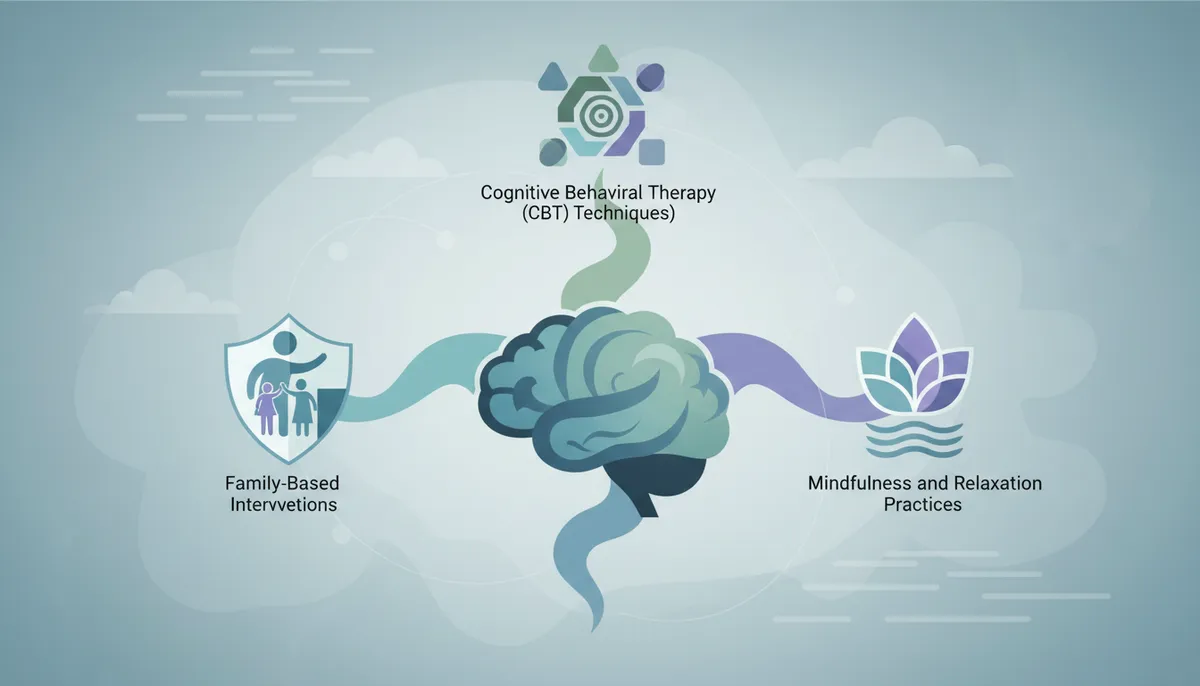
Separation anxiety can affect people at any age. Here is a quick look at how it shows up differently across age groups:
| Age Group | Common Signs | Typical Triggers |
|---|---|---|
| Young Children (3–8) | Crying, clinging, tantrums | Starting school, parent leaving |
| Older Children (9–12) | Physical complaints, school refusal | Sleepovers, extracurricular activities |
| Teenagers (13–17) | Social withdrawal, avoidance | College prep, family changes |
| Adults (18+) | Excessive worry, checking behaviors | Partner travel, relationship transitions |
Understanding where separation anxiety shows up in someone’s life helps therapists create the right treatment plan. If you are unsure what you or your child is experiencing, learning more about understanding anxiety signs, types, and treatment options can be a helpful starting point.
3 Proven Approaches to Brandon Separation Anxiety Therapy
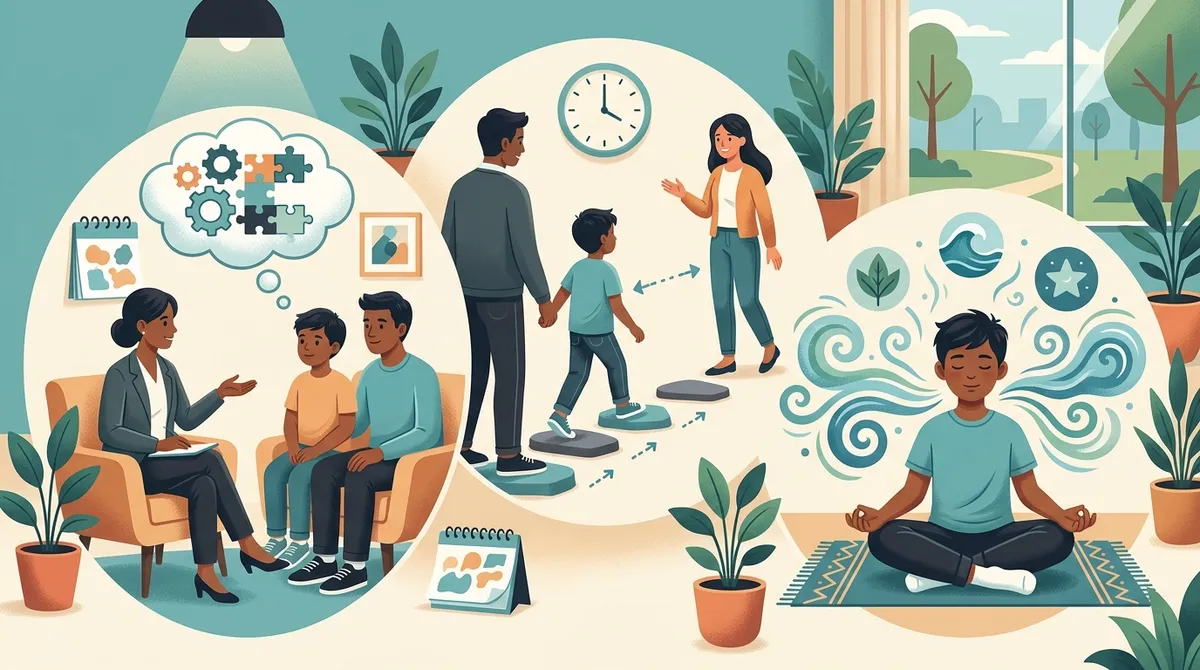
Let’s look at the three most effective therapeutic approaches used in Brandon separation anxiety therapy. Each one is backed by research and tailored to meet the needs of individuals at different life stages.
1. Acceptance and Commitment Therapy (ACT)
Acceptance and Commitment Therapy — commonly called ACT — is one of the most well-researched approaches for treating separation anxiety. Rather than fighting anxious thoughts, ACT teaches individuals to accept them while still taking meaningful action aligned with their values.
ACT-based interventions for separation anxiety typically involve four key components:
- Values clarification — Helping the individual identify what truly matters to them in life
- Cognitive defusion — Learning to step back from anxious thoughts rather than fusing with them
- Acceptance-based strategies — Allowing uncomfortable feelings to exist without avoiding them
- Committed-action tasks — Taking concrete steps toward valued goals, even when anxiety shows up
A published case study highlighted a 23-session ACT intervention for a 12-year-old with separation anxiety. The treatment involved 10 sessions with the child, 10 sessions with the mother, and follow-up sessions. After treatment, anxiety scores on the Spence Children’s Anxiety Scale reached normative average levels — a clinically significant recovery. These results were sustained at the three-month follow-up assessment.
ACT is especially effective because it addresses both the child and the parent simultaneously. When parents develop psychological flexibility, they are better equipped to support their child’s growth. You can learn more in this in-depth resource: how Acceptance and Commitment Therapy helps in Brandon. The Mental Health Resources from the CDC also reinforce the importance of evidence-based treatments like ACT for anxiety disorders.
2. Cognitive Behavioral Therapy (CBT)
Cognitive Behavioral Therapy is another cornerstone of Brandon separation anxiety therapy. CBT helps individuals identify and challenge the unhelpful thought patterns that fuel separation anxiety. It pairs this with gradual exposure to feared situations in a safe, supported way.
Here is how CBT typically unfolds in a separation anxiety treatment plan:
- Assessment — The therapist identifies the specific triggers and avoidance behaviors tied to separation anxiety
- Psychoeducation — The individual and family learn about how anxiety works in the brain and body
- Cognitive restructuring — Replacing catastrophic thoughts (“Something bad will happen if I leave”) with more balanced ones
- Gradual exposure — Step-by-step practice of separating from attachment figures in increasingly challenging situations
- Relapse prevention — Building a plan to maintain progress over the long term
CBT is highly effective for both children and adults. For adolescents especially, the structured and goal-oriented nature of CBT fits well with how teens think and engage. If you are a parent wondering about next steps, exploring virtual therapy for adolescents in Brandon, FL can open doors to flexible treatment options.
3. Family-Based Therapy With Parental Involvement
Separation anxiety does not happen in a vacuum. The family environment plays a huge role in how anxiety develops and how quickly it heals. Family-based therapy recognizes this and actively involves parents in the treatment process.
Research shows that family-based approaches demonstrate both feasibility and efficacy. When parents learn how to respond to their child’s anxiety in supportive — rather than accommodating — ways, recovery happens faster and lasts longer.
Key elements of family-based separation anxiety therapy include:
- Teaching parents to recognize when they are unintentionally reinforcing avoidance behaviors
- Coaching parents on how to validate feelings while still encouraging brave behavior
- Helping families develop consistent routines that reduce anxiety triggers at home
- Building communication skills between parents and children around emotional needs
- Addressing parental anxiety that may be contributing to the child’s distress
Parental anxiety and child anxiety are often closely linked. When a parent learns to manage their own worry, it models healthy coping for the child. For parents dealing with their own anxiety or stress during this process, individual anxiety treatment can be a valuable complement to family therapy.

What a Typical Treatment Plan Looks Like
One of the most common questions families ask is: “How long will this take?” The honest answer is that it varies — but structured treatment plans give a helpful framework.
Based on published ACT research, a comprehensive separation anxiety intervention can involve around 23 sessions conducted weekly at one hour each. This includes sessions with the child, sessions with the parent, and assessment checkpoints. Progress is tracked regularly so the plan can be adjusted as needed.
| Phase | Sessions | Focus |
|---|---|---|
| Assessment | 1–2 | Understanding triggers, history, and goals |
| Active Treatment (Child) | 10 | ACT/CBT skills, exposure work, value-based action |
| Active Treatment (Parent) | 10 | Parental coaching, communication strategies |
| Follow-Up | 1–2 | Reviewing progress, relapse prevention |
At West Florida Therapy, the process begins with a free 15-minute phone consultation to make sure the approach is the right fit. Sessions are available in-person in Brandon and via telehealth throughout Florida. You can explore the full therapy process here to know what to expect before you begin.
Signs That Therapy Is Working
Progress in Brandon separation anxiety therapy can feel slow at first. But over time, real changes start to show. Here are some encouraging signs that treatment is moving in the right direction:
- Fewer meltdowns or protests at separation moments (like school drop-off)
- Increased willingness to try previously feared situations
- Improved sleep quality and fewer anxiety-related physical complaints
- Reduced avoidance of social activities, sleepovers, or outings
- More positive self-talk when facing separation situations
- Parents feeling more confident in how they respond to anxious behavior
Recovery does not mean anxiety disappears completely. It means the anxiety no longer controls behavior. Research confirms that post-treatment separation anxiety scores can reach normative average levels — that is real, meaningful recovery. For adults managing co-occurring concerns like depression alongside anxiety, exploring depression treatment alongside anxiety therapy can address the full picture.
Can Separation Anxiety Be Treated Without Medication?
Yes — for many individuals, therapy alone is highly effective. The three approaches outlined in this article — ACT, CBT, and family-based therapy — are all non-medication treatments with strong research support. A therapist will assess whether medication might be helpful for a particular case, but therapy is usually the first line of treatment, especially for children.
For adults navigating separation anxiety in romantic relationships, this experience can overlap with attachment concerns and relationship stress. Resources like how to overcome separation anxiety in your relationship can be a helpful companion resource. If you are also curious about related presentations, 13 signs of separation depression and how to heal explores how anxiety and depression can intertwine after separation. You can also check broader community resources through Substance Abuse & Mental Health services in Florida for additional support options.
How to Get Started With Brandon Separation Anxiety Therapy
Starting therapy feels like a big step. But it does not have to be overwhelming. Here is a simple path to get started:
- Reach out for a consultation — A brief phone call helps clarify your concerns and confirm the right fit
- Complete an initial assessment — Your therapist gathers the full picture of your or your child’s experience
- Begin your personalized plan — Sessions start weekly and build on each other progressively
Margaret Deuerlein at West Florida Therapy is a licensed and caring psychotherapist who specializes in anxiety treatment for children, adolescents, and adults. She offers bilingual services in English and Spanish, making therapy accessible for more families in Brandon and throughout Florida. Learn more about Margaret Deuerlein and how her warm, personalized approach can help your family heal.
Florida families can also find additional community mental health resources through the Florida Department of Health Mental Health Links. And for real reviews from people who have worked with West Florida Therapy, feel free to visit our Google Business Profile to hear directly from clients.
Conclusion
Separation anxiety is real, it is painful, and it can make everyday moments feel impossible. But it is also very treatable. Whether you are a parent worried about your child, an adult struggling with relationship anxiety, or a teenager navigating school and social life, Brandon separation anxiety therapy offers a clear path forward. ACT, CBT, and family-based therapy each bring unique strengths — and the right combination can make a life-changing difference. You do not have to figure this out alone. Take the first step toward relief and connection today by reaching out to a trusted professional. Get in touch with our team at West Florida Therapy and start your journey toward lasting calm and confidence.
FAQs
Q: What is separation anxiety disorder and how is it diagnosed?
A: Separation anxiety disorder is a condition where someone feels intense, excessive distress when separated from a person they are closely attached to. A mental health professional diagnoses it using DSM-5 criteria through a structured clinical assessment that looks at the frequency, duration, and impact of symptoms on daily life.
Q: How effective is Acceptance and Commitment Therapy (ACT) for separation anxiety?
A: ACT has strong research support for treating separation anxiety in both children and adolescents. In one published case study, a 23-session ACT intervention reduced a child’s separation anxiety scores to normative average levels, with results maintained at the three-month follow-up — which is a really encouraging outcome for families!
Q: Why is parental involvement so important in separation anxiety therapy?
A: Parents play a huge role in how separation anxiety develops and how quickly it heals. When parents learn to respond to anxiety in supportive rather than accommodating ways, children recover faster. Therapists often coach parents alongside the child to make sure progress sticks at home too.
Q: How long does Brandon separation anxiety therapy typically take?
A: Treatment length varies depending on the individual, but structured programs often involve around 20 to 23 weekly sessions. This usually includes individual sessions with the child, coaching sessions with parents, and follow-up checkpoints to track progress and adjust the plan as needed.
Q: Can separation anxiety be treated without medication?
A: Yes! For many children and adults, evidence-based therapies like ACT, CBT, and family-based therapy are highly effective without the need for medication. A therapist will evaluate each person’s unique situation and may recommend a combined approach if needed, but talk therapy is typically the first and most recommended line of treatment.