

Key Takeaways
-
Postpartum anger affects 21-31% of new mothers (1 in 4), yet remains underdiagnosed compared to postpartum depression. Don’t dismiss intense, persistent anger as ‘normal stress’—it signals a need for professional evaluation.
-
Sleep deprivation is a major contributor to postpartum anger; even one extra hour of sleep can meaningfully improve emotional regulation. Asking for nighttime help is a health necessity, not a weakness.
-
Postpartum anger is often a symptom of postpartum depression or anxiety, not a separate diagnosis. Get screened for both conditions if experiencing intense rage, as proper diagnosis leads to faster treatment.
-
Seeking professional help early—through individual therapy, couples therapy, or support groups—is essential. Moms who white-knuckle through alone or wait months to seek help delay their recovery significantly.
-
If anger occurs most days, damages relationships, interferes with bonding, or involves frightening thoughts, reach out immediately. These are clear signs that professional mental health support is necessary, not optional.
-
A history of anxiety, depression, or trauma amplifies postpartum anger risk; disclose your mental health history to therapists immediately and consider trauma-informed therapy for layered, lasting healing.
Bringing a new baby home is supposed to feel magical. But for many new mothers, those early weeks and months bring something unexpected — intense anger. Not just mild irritability. Real, overwhelming rage that seems to come from nowhere. If this sounds familiar, you are not alone, and you are not a bad mom.
Postpartum anger is more common than most people realize. Research shows that between 21% and 31% of new mothers report significant anger after giving birth. Some estimates suggest it may affect as many as 1 in 4 new moms. Yet it rarely gets talked about the way postpartum depression does. That silence can make things so much harder.
The good news? Postpartum anger is treatable. With the right support and awareness, you can move through this and feel like yourself again. But first, let’s talk about the mistakes that can accidentally make things worse — and what to do instead.
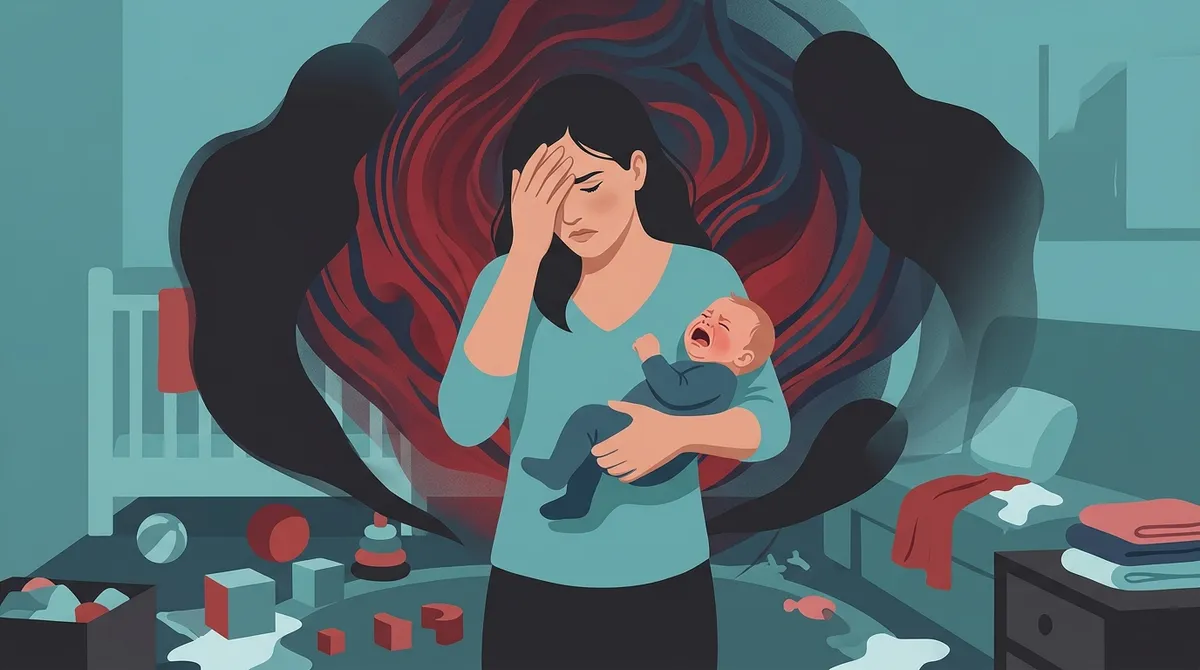
What Is Postpartum Anger, Really?
Postpartum anger — sometimes called postpartum rage — refers to intense irritability, sudden outbursts, or a deep sense of fury that shows up after childbirth. It is not a formal diagnosis on its own. Instead, it is often a symptom tied to larger postpartum mood and anxiety disorders, sleep deprivation, hormonal shifts, or feeling unsupported.
Signs of postpartum anger can include:
- Yelling or snapping at your partner, older children, or family
- Feeling easily triggered by small things
- Physical tension, clenched jaw, or the urge to throw or hit something
- Deep shame or guilt after an outburst
- Intrusive or violent thoughts (in more severe cases)
- A general sense of rage that feels out of proportion
Understanding what is happening is the first step. Now let’s look at the mistakes that can slow your healing. You can also learn more about mood issues and how therapy can help you manage them effectively.
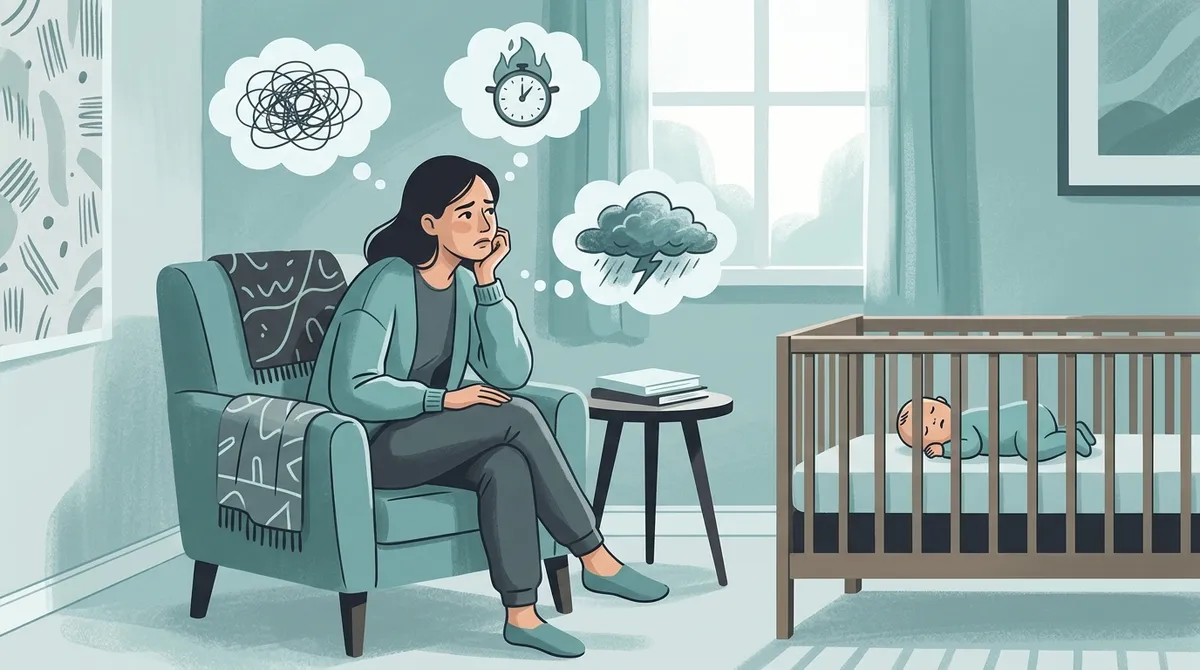
Mistake 1: Thinking Postpartum Anger Is “Just Normal Stress”
Yes, new parenthood is stressful. But dismissing intense, persistent anger as “just stress” is one of the biggest mistakes new moms make. When anger feels out of control or happens daily, it is worth taking seriously.
Postpartum anger can signal that something deeper is going on — like postpartum depression, postpartum anxiety, or a significant gap in your support system. Minimizing it means delaying the help you deserve. Reach out to a mental health professional if your anger feels hard to manage or is affecting your relationships.

Mistake 2: Staying Silent Because of Shame
Shame is a powerful silencer. Many new mothers feel too embarrassed or afraid to admit they feel furious at the people they love. They worry about being judged or seen as a bad parent. So they keep it hidden — and it grows.
Talking about postpartum anger with a therapist, doctor, or trusted support person is one of the most courageous things you can do. Silence keeps you stuck. Honesty opens the door to healing. If you are ready to talk to someone, reach out to our team at West Florida Therapy — we are here to listen without judgment.
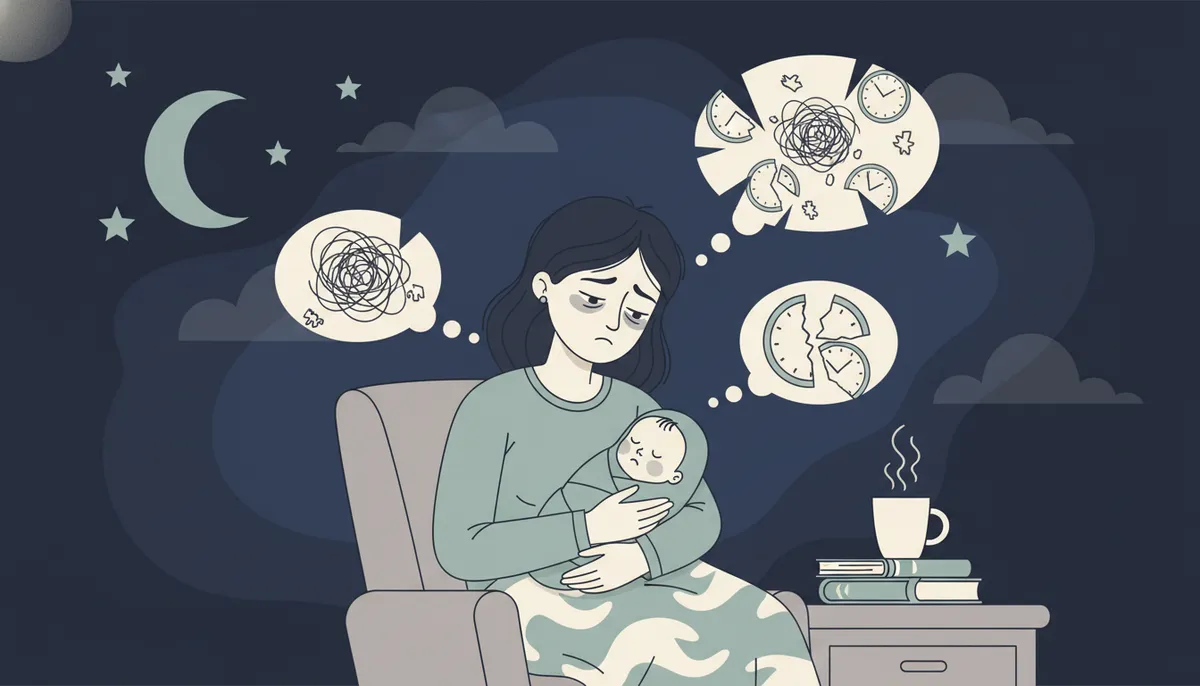
Mistake 3: Ignoring the Role of Sleep Deprivation
Sleep deprivation is a major contributor to postpartum anger. When you are running on two or three hours of sleep, your brain’s ability to regulate emotions is seriously impaired. Things that would normally roll off your back feel enormous.
Here are three important things to know about sleep and postpartum anger:
- Even one extra hour of sleep can meaningfully improve emotional regulation.
- Asking for nighttime help is not weakness — it is a health necessity.
- Chronic sleep loss worsens anxiety and depression, which can fuel anger further.
Addressing sleep deprivation is not a luxury. It is part of your mental health treatment plan. Talk to your healthcare provider and support network about getting more rest. You can also explore ways to fight nighttime depression and rest better for practical strategies.
Mistake 4: Not Connecting Anger to Postpartum Depression or Anxiety
Many people picture postpartum depression as sadness and crying. But postpartum depression can also show up as intense irritability and rage. The same goes for postpartum anxiety. If you are experiencing postpartum anger, it is worth being screened for both.
Clinical resources consistently emphasize that postpartum anger should trigger screening for:
- Postpartum depression
- Postpartum anxiety
- Sleep problems and their severity
- Adequacy of social support
Learning whether your anger is linked to a broader postpartum mood disorder helps you get the right treatment faster. You can read more about depression treatment options and anxiety therapy at West Florida Therapy.
Mistake 5: Trying to Manage It Alone Without Professional Support
Some new moms try to white-knuckle their way through postpartum anger. They download apps, try breathing exercises on their own, and push through. While self-care strategies can help, they are often not enough when postpartum anger is moderate to severe.
Professional mental health support — like individual therapy — makes a real difference. A therapist can help you:
- Identify what is triggering your anger
- Understand the emotions underneath the rage
- Develop healthy coping tools that actually work
- Process any trauma from a difficult pregnancy or delivery
- Address patterns connected to your history with anxiety or depression
Treatment for postpartum anger often includes psychotherapy, support groups, lifestyle changes, and sometimes medication like SSRIs or SNRIs when clinically appropriate. Explore mental health support options to find what fits your needs. You can also check out what the Mental Health Resources from the CDC recommend for postpartum mood support.
Mistake 6: Letting It Damage Your Relationship Without Addressing It
Postpartum anger does not just affect you. It ripples out to your partner, your older children, and your closest relationships. When anger becomes a regular part of home life, it can create distance, resentment, and communication breakdown.
Here is a simple look at how postpartum anger can affect relationships and what helps:
| Impact on Relationship | What It Looks Like | Helpful Response |
|---|---|---|
| Partner feels attacked or shut out | Frequent arguments, emotional distance | Couples therapy to improve communication |
| Older children feel anxious or confused | Kids walking on eggshells, behavior changes | Family support, honest age-appropriate talks |
| Mom feels isolated and misunderstood | Withdrawal, shame, loneliness | Individual therapy, postpartum support groups |
| Intimacy and trust erode | Reduced connection, unresolved conflict | Couples therapy focused on reconnection |
If postpartum anger is creating strain in your relationship, couples therapy can be incredibly helpful. It gives both partners a safe space to understand what is happening and work through it together.
Mistake 7: Ignoring a History of Anxiety, Depression, or Trauma
One of the known risk factors for postpartum anger is a personal or family history of anxiety, depression, or trauma. If you have dealt with these before, the postpartum period can amplify them significantly.
Ignoring this connection means missing an important piece of the puzzle. Here are three steps to take if this applies to you:
- Let your therapist or doctor know about your mental health history right away.
- Ask about trauma-informed approaches, which look at how past experiences may be shaping your current reactions. You can learn more about trauma therapy and how it supports healing.
- Consider that your postpartum anger may be layered — involving present stress AND unresolved past pain.
Understanding the full picture leads to more effective, lasting healing. The guide on recognizing and healing from psychological trauma is a great place to start learning more.
Mistake 8: Waiting Too Long to Ask for Help
This might be the most important mistake on this list. Many new mothers wait months — sometimes over a year — before reaching out for professional support. They tell themselves it will pass, that they should be able to handle it, or that other moms have it harder.
But here is the truth: the sooner you get support, the sooner you feel better. Postpartum anger does not have to be something you suffer through silently or indefinitely.
Ask yourself these questions. If you answer yes to any of them, it is time to reach out:
- Is your anger happening most days of the week?
- Are you yelling at people you love and feeling terrible afterward?
- Is your anger affecting your ability to bond with your baby?
- Are you having frightening thoughts about harming yourself or others?
- Has your partner or a family member expressed concern?
If you are experiencing any of these, please reach out. Florida residents can also find valuable community support through the Florida Department of Children and Families Substance Abuse and Mental Health services, and additional resources are available through Florida Health Mental Health Links.
What Postpartum Anger Treatment Can Look Like
Healing from postpartum anger looks different for everyone. But there are some core approaches that mental health professionals commonly use:
| Treatment Approach | How It Helps | Best For |
|---|---|---|
| Individual Therapy (CBT, DBT, ACT) | Identifies triggers, builds coping skills, processes emotions | Most new moms with postpartum anger |
| Trauma-Informed Therapy | Addresses past experiences fueling present reactions | Moms with trauma history |
| Couples Therapy | Rebuilds communication and connection | Moms whose relationships are strained |
| Medication (SSRIs/SNRIs) | Stabilizes mood when clinically indicated | Moderate to severe cases with a prescriber |
| Support Groups | Reduces isolation, normalizes experience | Moms needing community and validation |
At West Florida Therapy, Margaret Deuerlein is a caring, experienced psychotherapist who understands the complexity of postpartum mood challenges. She offers both in-person sessions in Brandon, Florida, and telehealth therapy throughout all of Florida — including bilingual services in English and Spanish. Whether you are a millennial mom managing a career and a newborn, a young adult navigating new parenthood, or a woman feeling overwhelmed and unseen, support is available for you. Visit us on Google — West Florida Therapy to read reviews from real clients who found their way through difficult moments just like this one.
You can also explore mood dysregulation support and learn about the therapy process at West Florida Therapy to know exactly what to expect when you reach out.
You Are Not a Bad Mom — You Are a Mom Who Needs Support
Postpartum anger does not define you as a parent. It is a signal that your nervous system, your body, and your emotional resources are overwhelmed. It happens to good moms. It happens to loving moms. And it can get better with the right help.
The mistakes listed above are easy to fall into — not because new moms are weak, but because postpartum anger is still misunderstood and under-discussed. Now that you know what to avoid, you can take a different path. A path toward healing, more connection with your baby, and more peace in your daily life.
If you are ready to take the next step, get in touch with our compassionate team at West Florida Therapy today. You deserve support — and real change is possible.
FAQs
Q: What is postpartum anger and is it the same as postpartum depression?
A: Postpartum anger — sometimes called postpartum rage — is intense irritability or uncontrollable fury that can show up after giving birth. It is not a separate diagnosis, but it can be a symptom of postpartum depression or postpartum anxiety, so it is worth talking to a mental health professional if it feels overwhelming or frequent.
Q: How long does postpartum anger typically last?
A: There is no single timeline, since postpartum anger depends on its underlying causes, your support system, and whether you are getting treatment. With the right therapy and support, many moms begin to notice real improvement within weeks to a few months — so please do not wait to reach out for help!
Q: Can therapy actually help with postpartum rage?
A: Absolutely — therapy is one of the most effective tools for managing postpartum anger! A skilled therapist can help you identify your triggers, understand the emotions beneath the rage, and build healthy coping strategies. Individual therapy, trauma-informed approaches, and even couples therapy have all been shown to make a meaningful difference.
Q: When should I seek professional help for postpartum anger?
A: If your anger is happening most days, affecting your relationships, interfering with bonding with your baby, or including frightening thoughts, it is time to reach out to a mental health professional right away. You do not need to wait until things feel completely out of control — early support leads to faster healing.
Q: What causes postpartum anger after giving birth?
A: Postpartum anger is typically caused by a combination of factors including hormonal changes, severe sleep deprivation, overwhelming stress, feeling unsupported, a difficult pregnancy or delivery, and a personal or family history of anxiety or depression. Because there are often multiple causes, a thorough evaluation with a therapist or healthcare provider is the best place to start.