

Key Takeaways
-
Psychotic depression requires immediate professional help, not a wait-and-see approach; about 1 in 4 hospitalized for depression have psychotic features, and delays allow symptoms to worsen significantly.
-
First-line treatment is a combination of antidepressant and antipsychotic medication together, not antidepressants alone; this addresses both the mood and psychosis components of the condition.
-
Psychotic depression affects 15% of people with major depression and is distinct from schizophrenia and bipolar disorder; it combines severe depression with hallucinations or delusions that require urgent intervention.
-
Stopping treatment too early is common and dangerous; recovery typically requires 6+ months of consistent medication and therapy, with gradual adjustments guided by your care provider.
-
Social support and staying connected through therapy and trusted people significantly speeds recovery and reduces relapse risk; isolation actually makes psychotic depression worse despite feeling safer.
-
Know your personal and family risk factors for psychotic depression, including trauma history and major life stressors; early awareness of warning signs allows for proactive intervention before crisis occurs.
Psychotic depression is one of the most misunderstood and serious mental health conditions a person can face. It combines the deep sadness of major depression with a loss of touch with reality. That means hallucinations, delusions, or both. If you or someone you love is dealing with this, you are not alone — and help is available.
According to Ohio State Medical Center, about 15% of people with major depressive disorder will experience psychotic symptoms at some point. That is far more common than most people realize. And yet, many people wait too long to get the right kind of support. Often, that delay comes from making one or more key mistakes in how they approach the condition.
In this article, we walk through 6 mistakes people commonly make when dealing with psychotic depression — and what to do instead. Whether you are supporting a loved one or navigating this yourself, understanding these pitfalls can make a real difference in your recovery journey. You can also explore Depression Treatment options that are designed to meet you where you are.

What Is Psychotic Depression?
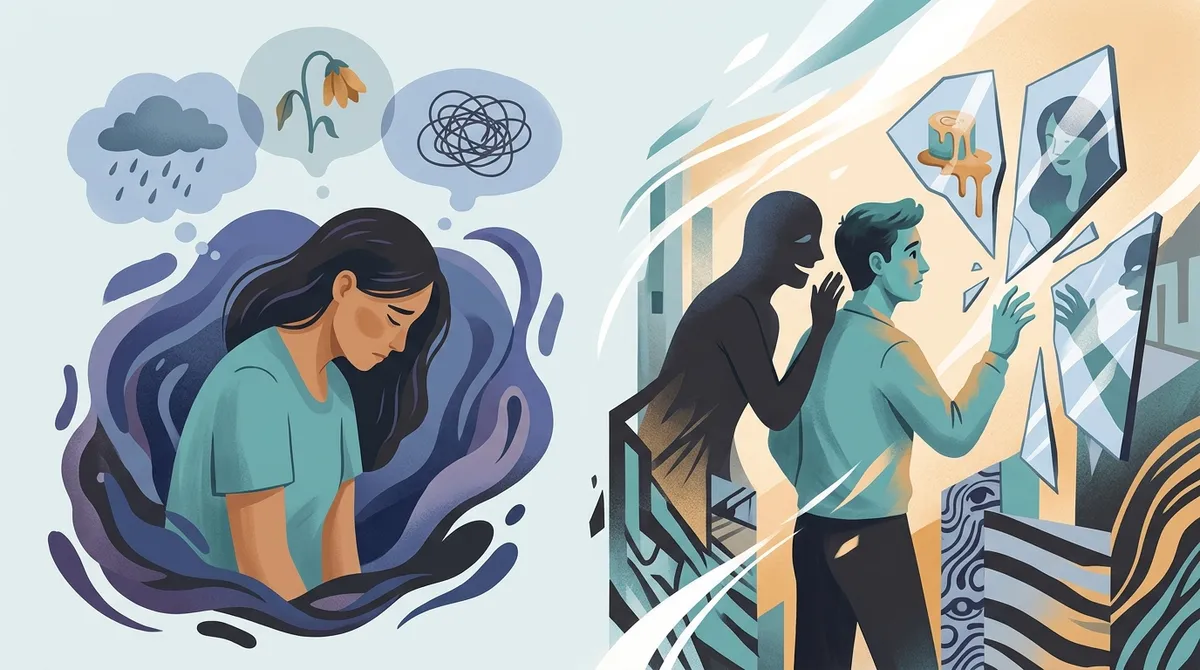
Psychotic depression — also called major depression with psychotic features — is a form of severe depression in which a person experiences both depressive symptoms and psychosis. Psychosis means losing contact with reality. This can look like hearing voices that are not there, seeing things that do not exist, or holding strong beliefs that are not based in fact.
This condition is serious and requires prompt attention. According to the Mental Health Resources from the CDC, getting timely care for serious mental health conditions is one of the most important steps toward recovery.
Learn more about how depression affects daily functioning by reading What Is Depression and How Does It Affect Your Daily Life.
How Psychotic Depression Differs From Other Conditions
Many people confuse psychotic depression with schizophrenia or bipolar disorder. While these conditions share some features, they are different in important ways.
| Condition | Key Features | Primary Treatment Focus |
|---|---|---|
| Psychotic Depression | Depression + hallucinations or delusions | Antidepressant + antipsychotic combination |
| Schizophrenia | Psychosis without a primary mood episode | Antipsychotic medication, long-term management |
| Bipolar Disorder with Psychosis | Mood episodes (highs and lows) with psychosis | Mood stabilizers, sometimes antipsychotics |
| Major Depression (no psychosis) | Deep sadness, hopelessness, loss of interest | Antidepressants, therapy |
If you are also curious about schizophrenia and its overlap with depression, you may find this article helpful: How to Understand and Cope With Schizophrenia and Depression.
Mistake #1: Dismissing Symptoms as “Just Depression”
One of the biggest mistakes people make is assuming the psychotic symptoms are not real or do not matter. A family member might say, “You are just stressed,” while ignoring the hallucinations or strange beliefs. This approach delays diagnosis and proper treatment.
Psychotic depression is not just typical sadness. The psychosis makes it significantly more dangerous and harder to manage without professional help. Dismissing it can lead to serious safety risks, including self-harm.
Here is what to watch for instead:
- Hearing voices or sounds that others cannot hear
- Seeing things that do not exist
- Believing things that are not true (such as being persecuted or guilty of something terrible)
- Feeling disconnected from reality
- Severe hopelessness alongside these experiences
If you notice these signs, seek professional support right away. You can reach out to a qualified provider to get started with an evaluation today.
Mistake #2: Avoiding Medication Out of Fear
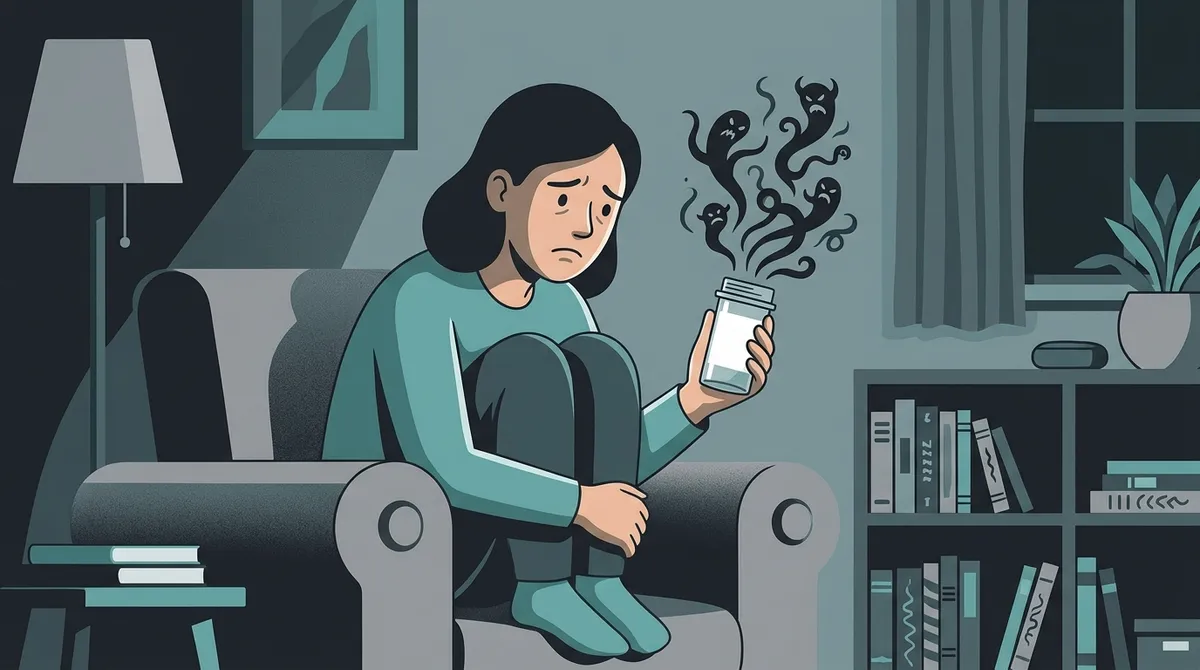
Many people avoid medication because they are afraid of side effects or believe it will change who they are. This is understandable. But for psychotic depression, medication is typically a critical part of treatment.
According to a 2024 NICE review, the first-line recommendation for adults with psychotic depression is a combination of an antidepressant and an antipsychotic medication. This combination addresses both the mood and the psychosis components of the condition.
Here are the most common treatment approaches used in clinical care:
- Antidepressant + antipsychotic combination — This is the most recommended first-line treatment for most adults.
- Electroconvulsive therapy (ECT) — This is used when symptoms are severe, when a rapid response is needed, or when other treatments have not worked. It is safe and effective for many people.
- Psychotherapy alongside medication — Approaches like cognitive behavioral therapy (CBT) support recovery and help manage daily functioning.
Working with a licensed provider ensures you get the right combination of treatments for your specific needs. Check out resources on Mood Issues to learn more about what professional care looks like.
Mistake #3: Waiting Too Long to Seek Help
This is one of the most dangerous mistakes. Psychotic depression is a high-acuity condition. That means it needs urgent attention — not a “wait and see” approach. About one in four people hospitalized for depression may have a form of psychotic depression, according to Mercy Health. That statistic alone shows how serious this condition truly is.
Waiting too long can allow symptoms to worsen significantly. The longer psychosis goes untreated, the harder it can be to recover fully. Early intervention is key.
Signs that immediate help may be needed include:
- The person is not able to care for themselves
- There are safety concerns, including thoughts of self-harm
- Symptoms are rapidly getting worse
- The person is completely disconnected from reality
In some cases, hospitalization is the safest option. It provides 24-hour monitoring and faster access to medication management. For those who do not need inpatient care, intensive outpatient support and regular therapy sessions can be very effective. The Substance Abuse & Mental Health services through Florida’s Department of Children and Families offer additional resources for Floridians in need of urgent mental health care.
Mistake #4: Isolating Instead of Building Support
When someone is experiencing psychotic depression, the natural instinct is often to pull away from people. The shame, fear, and confusion that come with this condition make isolation feel safer. But isolation actually makes things worse.
Social support plays a huge role in recovery. Research consistently shows that having people around you — whether friends, family, or a therapist — speeds up healing and reduces the risk of relapse. Staying connected is not a luxury. It is a part of treatment.
Here are some ways to build support without feeling overwhelmed:
- Tell one trusted person what you are going through
- Schedule regular therapy sessions to maintain structure
- Join a support group, even a virtual one
- Use telehealth options if leaving the house feels too hard
At West Florida Therapy, services are available both in-person in Brandon, Florida, and via telehealth throughout the entire state. If coming into an office feels like too much right now, virtual sessions are a great starting point. Learn more about Telehealth Therapy in Florida and how it can support your recovery from the comfort of home.
Mistake #5: Ignoring Risk Factors and Warning Signs
Many people are unaware that certain risk factors make psychotic depression more likely. Not knowing these risk factors means missing important warning signs — both in yourself and in loved ones.
Key risk factors include:
- A personal history of depression or psychotic illness
- A family history of either depression or psychosis
- High stress levels or major life changes
- Traumatic life events, including loss or abuse
- Previous episodes of postpartum depression with psychotic features
Understanding your risk helps you act sooner. If you have a history of trauma, for example, it is worth knowing how unprocessed trauma can feed into severe depressive episodes. Explore our resource on How to Recognize and Heal From Psychological Trauma to learn more about that connection.
Being proactive about mental health — especially when you know risk factors are present — is one of the most powerful things you can do. Do not wait for symptoms to become a crisis before you reach out for support.
Mistake #6: Stopping Treatment Too Soon
This mistake is incredibly common. A person starts to feel better after a few weeks of treatment and decides they no longer need medication or therapy. They stop — and then the symptoms return, often even more intensely than before.
Recovery from psychotic depression takes time. It is not a short-term condition. Treatment typically needs to continue well beyond the point where you start feeling better. Your care team will help you figure out the right timeline for tapering medications safely.
Here is a simple overview of what a recovery timeline might look like:
- Weeks 1–4: Medication begins working; psychosis starts to ease; symptoms may still be intense.
- Weeks 4–8: Mood begins to improve; therapy becomes more effective; daily functioning improves.
- Months 3–6: Continued stability; working on coping strategies and relapse prevention in therapy.
- 6+ months: Ongoing monitoring; gradual adjustment of treatment plan as directed by your provider.
- Long-term: Maintenance care and regular check-ins to prevent relapse and support overall well-being.
Stopping therapy early is a risk that many people underestimate. Consistent, ongoing support is the foundation of lasting recovery. If you want to understand what therapy for depression really looks like, read How Can Therapy Help You in Recovering From Depression.
How Margaret Deuerlein Can Help
Margaret Deuerlein is a compassionate and experienced psychotherapist at West Florida Therapy. She works with adults and adolescents facing a wide range of mental health challenges, including serious mood disorders like psychotic depression. Her warm, personalized approach means you are never treated like just another appointment on a calendar.
Margaret offers bilingual therapy in both English and Spanish, making her accessible to a wider community across Florida. Sessions are available in person in Brandon, FL and through telehealth for anyone across the state. You can also visit West Florida Therapy on Google to read reviews and learn more about the practice.
Whether you are in the middle of a crisis or just starting to recognize the signs of something serious, reaching out is always the right step. You can explore Our Process to understand what getting started looks like — from your first phone consultation all the way through ongoing care.
What To Expect From the Recovery Process
Recovery from psychotic depression looks different for everyone. Some people respond quickly to medication. Others need more time or a combination of approaches. What matters most is having a consistent, caring provider guiding you through it.
Therapy plays a key role alongside medication. CBT, for example, helps you identify and challenge distorted thoughts — which is especially helpful when recovering from psychosis. The Mental Health Links provided by Florida Health offer additional community resources that can support your journey.
If you are also dealing with co-occurring concerns like trauma or anxiety, it helps to address those alongside depression treatment. Check out Trauma Therapy and Anxiety Treatment to explore those options. Recovery is not a straight line, but with the right team beside you, it is absolutely possible.
A Quick Summary of the 6 Mistakes to Avoid
| Mistake | Why It Hurts Recovery | What to Do Instead |
|---|---|---|
| Dismissing symptoms | Delays proper diagnosis | Take all symptoms seriously and seek evaluation |
| Avoiding medication | Leaves psychosis and depression untreated | Work with a provider on the right medication plan |
| Waiting too long | Allows symptoms to worsen | Seek help as early as possible |
| Isolating yourself | Removes the social support critical to healing | Stay connected through therapy and trusted people |
| Ignoring risk factors | Misses early warning signs | Know your history and stay aware of changes |
| Stopping treatment early | Leads to relapse | Follow your provider’s guidance on treatment length |
You Deserve Real Support
Psychotic depression is a serious condition, but it is treatable. With the right support, the right care team, and the right information, recovery is possible. The first step is simply being willing to reach out.
Do not let fear, stigma, or misinformation keep you stuck. The 6 mistakes outlined here are all avoidable — and every single one of them can be corrected with the help of a caring, skilled therapist. You do not have to figure this out alone.
If you are ready to take that first step, we warmly invite you to reach out to our team at West Florida Therapy today. A free 15-minute consultation is available, and we are here to help you find your way forward — with compassion, skill, and genuine care.
FAQs
Q: What is psychotic depression?
A: Psychotic depression is a serious form of major depression where a person experiences both deep sadness and a loss of contact with reality. This can include hallucinations, delusions, or both — and it requires prompt professional care to treat safely and effectively.
Q: How is psychotic depression different from schizophrenia?
A: Great question! While both involve psychosis, psychotic depression is tied to a major depressive episode, meaning the hallucinations or delusions occur alongside severe depression. Schizophrenia, on the other hand, is a separate disorder where psychosis is present without a primary mood episode driving it.
Q: What treatments are available for psychotic depression?
A: The most common treatment is a combination of an antidepressant and an antipsychotic medication. Therapy such as CBT is also a key part of recovery. In more severe cases, electroconvulsive therapy (ECT) may be recommended — and it is very effective for many people.
Q: When does psychotic depression require hospitalization?
A: Hospitalization may be needed if symptoms are severe, if there are safety concerns like thoughts of self-harm, or if a person is completely unable to care for themselves. A mental health provider can help determine the right level of care for each individual situation.
Q: Can therapy alone treat psychotic depression?
A: Therapy is a vital part of treatment, but for most people with psychotic depression, medication is also needed to address both the depression and the psychosis. A combined approach — therapy plus medication — is typically the most effective path to recovery.