

Key Takeaways
-
Emotional pain activates similar brain regions as physical pain, making psychological wounds feel as real and intense as physical injuries.
-
Unaddressed emotional pain can lead to depression, anxiety, and severe mental health challenges that impact overall functioning.
-
Developing emotional awareness and healthy expression techniques is crucial for processing and healing psychological wounds.
-
Professional therapy provides a safe, non-judgmental space to explore and understand the root causes of emotional pain.
-
Trauma, relationship losses, and unmet psychological needs are primary triggers for intense emotional suffering.
-
Self-care strategies like consistent sleep, nutrition, exercise, and mindfulness can significantly help manage emotional pain.
-
Suppressing or avoiding emotions often amplifies psychological pain, making it critical to acknowledge and work through difficult feelings.
Have you ever felt a deep ache in your chest that has nothing to do with physical illness? That overwhelming sense of hurt that makes it hard to get out of bed or focus on daily tasks? You’re experiencing emotional pain, and you’re definitely not alone. Emotional pain is just as real as physical pain, and understanding it is the first step toward healing.
Emotional pain, also called psychological pain, is that uncomfortable feeling of being wounded on the inside. It’s the hurt we feel when life throws us curveballs like breakups, loss, rejection, or trauma. Unlike a scraped knee or a headache, this pain doesn’t have a visible source, but it can feel just as intense, if not more so. In fact, research shows that emotional pain activates many of the same brain areas as physical pain, which explains why heartbreak can literally feel like your heart is breaking.
In this article, we’ll explore what emotional pain really is, what causes it, how it affects your mental health, and most importantly, how you can find relief and begin healing. Whether you’re dealing with fresh wounds or carrying pain from the past, understanding these feelings is your pathway to feeling better.
What Is Emotional Pain and How Does It Feel
Emotional pain is that deep psychological suffering that makes you feel wounded, incomplete, or disconnected from yourself and others. It’s often described by people as feeling broken inside, experiencing unbearable torment, or carrying a heavy weight on their chest. This type of pain goes beyond simple sadness or disappointment.
When you’re experiencing emotional pain, you might notice several things happening at once. You become intensely aware of your perceived negative qualities or shortcomings. You might feel a profound sense of loss or incompleteness, like something essential is missing from your life. There’s often a disconnection from yourself and the people around you, even when you’re in a crowded room.
The feelings that come with emotional pain are strong and negative. They can include:
- Deep sadness that feels overwhelming and unshakeable
- Intense loneliness even when surrounded by others
- Hopelessness about the future or your situation
- Shame or guilt that weighs heavily on your mind
- Anger or frustration that seems to bubble up unexpectedly
- Anxiety or fear about what’s happening or what might happen next
What makes emotional pain particularly challenging is that it doesn’t have a clear, tangible source like a broken bone or a cut. You can’t point to it or put a bandage on it. This invisible nature sometimes makes people feel like their pain isn’t valid or real, but science tells us otherwise. Brain imaging studies reveal that emotional pain lights up similar neural pathways as physical pain, especially when we experience social rejection or loss.

The Science Behind Emotional Pain
Your brain doesn’t actually distinguish much between emotional and physical pain. When you experience social rejection, relationship breakups, or loss, your brain’s pain centers activate in remarkably similar ways to when you stub your toe or burn your finger. This overlap helps explain why emotional wounds can hurt so intensely.
The brain regions involved include the anterior cingulate cortex and the insula, areas that process both physical sensations and emotional experiences. When you’re dealing with emotional pain, these regions light up on brain scans, showing real, measurable activity. This isn’t just in your head in the dismissive sense; it’s literally happening in your brain.
From an evolutionary perspective, emotional pain serves an important purpose. It acts as a warning system, alerting you that something threatens your social or emotional wellbeing. Just like physical pain tells you to remove your hand from a hot stove, emotional pain signals that you need to address threats to your relationships, self-esteem, or psychological needs.
This pain response prompts you to withdraw temporarily, assess what went wrong in a relationship or situation, and figure out how to protect yourself or repair the damage. While it feels terrible, this mechanism helped our ancestors survive by maintaining crucial social bonds and connections.
How Your Emotions Influence Pain Perception
The relationship between emotions and pain is a two-way street. Your emotional state can actually change how intensely you feel pain, whether it’s physical or psychological. When you’re already feeling down, stressed, or anxious, pain tends to feel worse. Conversely, positive emotions with high energy like joy or excitement can actually reduce pain perception.
Here’s where it gets interesting: your ability to recognize and express emotions plays a huge role in how you experience emotional pain. People who struggle to identify or describe their feelings, a condition called alexithymia, often experience more intense emotional pain. When you can’t name what you’re feeling or express it, the pain has nowhere to go and tends to intensify.
Similarly, suppressing or avoiding your emotions doesn’t make them disappear. Instead, pushing feelings down often amplifies emotional pain over time. Think of it like trying to hold a beach ball underwater; the harder you push, the more forcefully it tries to pop back up. Working with a therapist can help you develop healthier ways to process and express difficult emotions.
Common Causes of Emotional Pain
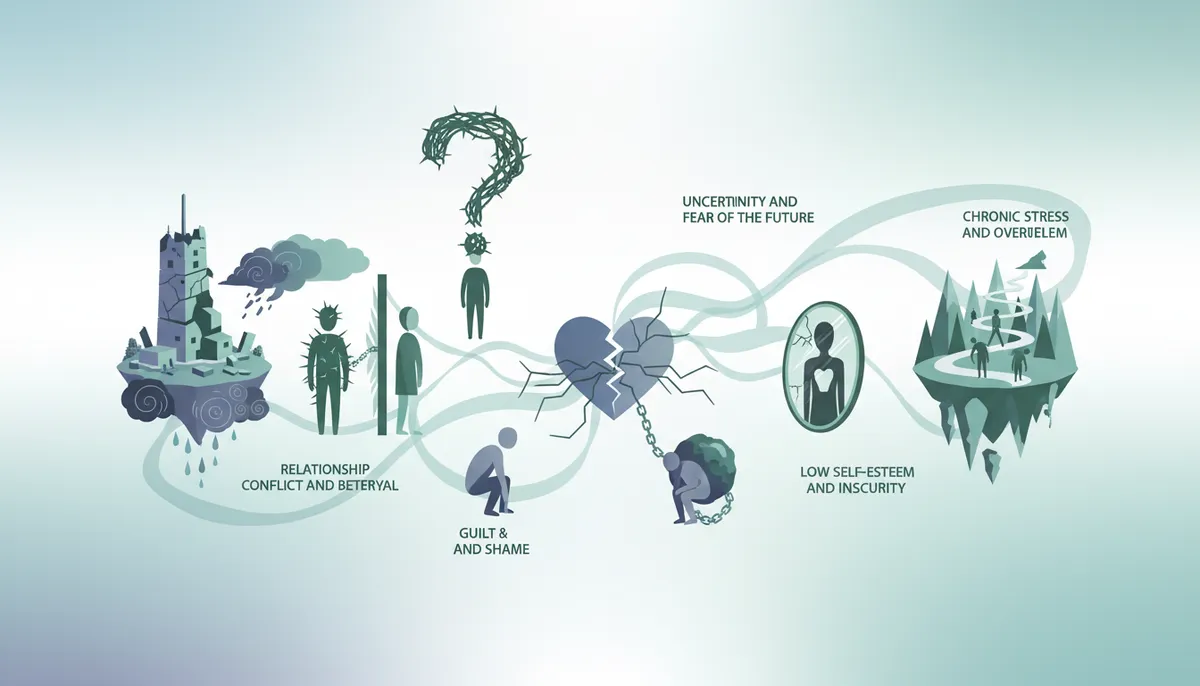
Emotional pain doesn’t just appear out of nowhere. It typically arises from specific life experiences and situations that threaten our psychological wellbeing. Understanding what triggers this pain can help you recognize it in yourself and begin addressing it.
Psychological Trauma and Past Experiences
Trauma is one of the most significant sources of emotional pain. This includes childhood experiences like abuse, neglect, or witnessing violence. These early wounds often leave lasting marks that continue causing pain well into adulthood. Even if the traumatic event happened years ago, your mind and body can still carry the hurt.
Trauma isn’t limited to childhood, though. Adults experience traumatic events too, whether it’s surviving an accident, experiencing violence, going through a natural disaster, or enduring ongoing harassment or discrimination. Each of these experiences can create deep emotional wounds that need proper attention and care to heal.
Relationship Breakdowns and Loss
Few things hurt quite like relationship problems and losses. When a romantic relationship ends, whether through breakup or divorce, the emotional pain can feel unbearable. You’re not just losing a person; you’re losing shared dreams, daily routines, and a vision of your future.
The death of someone you love brings profound grief and emotional pain. This loss creates a permanent absence that takes time to adjust to. Similarly, friendship breakdowns, family conflicts, or feeling rejected by people you care about can trigger intense emotional suffering. Humans are wired for connection, so threats to our relationships hit us hard.
Life Stressors and Transitions
Major life changes and stressors are common triggers for emotional pain. Losing your job doesn’t just affect your bank account; it can shake your sense of identity and purpose. Financial difficulties create constant worry and stress that wears you down emotionally.
Moving to a new place, starting or leaving school, dealing with health problems, or facing discrimination all create emotional strain. Even positive changes like getting married or having a baby can bring unexpected emotional challenges alongside the joy.
Unmet Psychological Needs
We all have fundamental psychological needs, and when these go unmet, emotional pain results. These needs include:
- The need for love and belonging
- The need for autonomy and control over your life
- The need for achievement and competence
- The need to avoid shame and maintain dignity
- The need for safety and security
When circumstances prevent you from meeting these needs, frustration and pain build up. For example, staying in a controlling relationship frustrates your need for autonomy. Being stuck in a job where you can’t succeed frustrates your need for achievement. The intensity of the pain depends on how important that particular need is to you personally.
How Emotional Pain Affects Your Mental Health
Leaving emotional pain unaddressed doesn’t make it go away. Instead, it often grows and spreads, affecting various aspects of your mental health and overall wellbeing. Understanding these effects can motivate you to seek help before things get worse.
When emotional pain persists, it commonly leads to clinical depression. That constant hurt and sadness can evolve into a more serious condition where you lose interest in activities you once enjoyed, struggle with sleep and appetite changes, and feel hopeless about the future. Depression isn’t just prolonged sadness; it’s a medical condition that affects your brain chemistry and functioning.
Anxiety disorders are another common outcome of unaddressed emotional pain. The worry and fear that accompany emotional wounds can develop into generalized anxiety disorder, panic attacks, or social anxiety. You might find yourself constantly on edge, expecting the worst, or avoiding situations that remind you of your pain.
The Ripple Effects on Daily Life
Emotional pain doesn’t stay neatly contained in one area of your life. It ripples outward, affecting everything. Your self-esteem often takes a serious hit. You might start believing negative things about yourself, feeling unworthy of love or success, or constantly criticizing yourself.
Social withdrawal is another common effect. When you’re hurting inside, connecting with others feels exhausting or scary. You might isolate yourself, skip social events, or push away people who care about you. This withdrawal then creates more loneliness, which intensifies the original pain in a vicious cycle.
Your physical health can suffer too. Emotional pain is linked to:
- Chronic headaches and muscle tension
- Digestive problems and stomach issues
- Weakened immune system making you sick more often
- Sleep disturbances including insomnia or oversleeping
- Changes in appetite leading to weight loss or gain
- Increased risk of heart disease and other chronic conditions
Work and school performance often decline when you’re dealing with emotional pain. Concentration becomes difficult, motivation drops, and you might miss days due to feeling unable to function. Relationships with family, friends, and romantic partners become strained as the pain affects how you interact with others.
Professional anxiety treatment can help you break these negative cycles and start healing before emotional pain causes lasting damage to your mental and physical health.
Recognizing the Signs of Emotional Pain
Sometimes we’re so caught up in daily life that we don’t recognize when we’re experiencing significant emotional pain. Being able to identify the signs helps you take action before things become overwhelming.
Emotional signs include persistent sadness that won’t lift, frequent crying or feeling on the verge of tears, numbness or emotional flatness, irritability and anger that seems disproportionate, and overwhelming feelings of guilt or shame. You might also experience intense fear or anxiety about everyday situations.
Behavioral changes often accompany emotional pain. Watch for patterns like withdrawing from friends and family, losing interest in hobbies and activities you used to enjoy, changes in sleeping patterns (too much or too little), eating significantly more or less than usual, increased use of alcohol or substances to cope, difficulty completing normal tasks, and avoiding places or people that remind you of painful experiences.
Physical symptoms can signal emotional pain too. These include persistent fatigue even with adequate rest, unexplained aches and pains, chest tightness or heaviness, digestive issues without clear medical cause, and frequent headaches or tension.
Cognitive signs involve your thought patterns. You might notice intrusive thoughts about painful experiences, difficulty concentrating or making decisions, memory problems, negative self-talk and self-criticism, thoughts of worthlessness or hopelessness, and in severe cases, thoughts of self-harm or suicide.
If you recognize several of these signs in yourself, it’s time to reach out for support. At West Florida Therapy, Margaret Deuerlein provides compassionate, individualized care to help you work through emotional pain in a safe, supportive environment.
Effective Ways to Process and Heal Emotional Pain
Healing from emotional pain is absolutely possible, though it takes time, patience, and usually some help. Here are proven strategies that can help you move forward.
Professional Therapy and Counseling
Working with a trained therapist is one of the most effective ways to heal emotional pain. Therapy provides a safe, confidential space where you can explore your feelings without judgment. Margaret Deuerlein at West Florida Therapy specializes in helping adults and adolescents work through emotional pain using evidence-based approaches tailored to your unique situation.
Different therapy approaches can help with emotional pain. Cognitive-behavioral therapy helps you identify and change negative thought patterns that keep you stuck. Trauma-focused therapy addresses past wounds that continue causing pain today. Treatment for mood issues can help when emotional pain has led to depression or other mood disorders.
The therapeutic relationship itself is healing. Having someone truly listen, validate your experiences, and help you make sense of your pain can be transformative. Many people find that just talking about their emotional pain with a caring professional helps lighten the burden significantly.
Developing Emotional Awareness and Expression
Learning to recognize and name your emotions is a crucial healing skill. When you can identify what you’re feeling, you gain more control over those feelings. Try keeping a feelings journal where you write down emotions as they come up throughout the day.
Expressing emotions in healthy ways prevents them from building up. This might mean talking to trusted friends or family members, writing in a journal, creating art, playing music, or engaging in physical activities that help release emotional energy. The key is finding what works for you and making it a regular practice.
Self-Care and Coping Strategies
Taking care of your basic needs becomes even more important when you’re dealing with emotional pain. Prioritize:
- Regular sleep on a consistent schedule
- Nutritious meals even when you don’t feel like eating
- Physical movement or exercise that you enjoy
- Time in nature or sunlight when possible
- Activities that bring you moments of peace or joy
Mindfulness and meditation practices help you observe painful emotions without being overwhelmed by them. Even just five minutes a day of deep breathing or guided meditation can make a difference in how you cope with emotional pain.
Building Support Systems
You don’t have to heal alone. Reaching out to supportive people in your life helps ease emotional pain. This might include close friends, family members, support groups, or faith communities. Sharing your struggles with others who care about you reminds you that you’re not alone and that connection is still possible.
For Spanish-speaking individuals, finding support in your native language can make healing more comfortable and effective. West Florida Therapy offers bilingual services in English and Spanish, ensuring you can express yourself fully and be truly understood.
When to Seek Professional Help
While some emotional pain is a normal part of life that improves with time and self-care, certain situations require professional support. Knowing when to reach out can prevent your pain from becoming more serious.
Seek professional help if your emotional pain persists for several weeks without improvement, interferes significantly with work, school, or relationships, leads to thoughts of self-harm or suicide, results in using alcohol or drugs to cope, causes physical symptoms that concern you, or feels overwhelming and unmanageable despite your best efforts.
Don’t wait until you’re in crisis to seek help. Early intervention often leads to faster, more complete healing. If you’re dealing with depression symptoms alongside emotional pain, professional treatment becomes even more important.
Remember that asking for help is a sign of strength, not weakness. It shows you’re taking your wellbeing seriously and making a commitment to feel better. Many people wish they had reached out sooner once they experience the relief that therapy can bring.
Supporting Someone Experiencing Emotional Pain
If someone you care about is struggling with emotional pain, your support can make a real difference in their healing journey. Here’s how to help effectively while taking care of yourself too.
Start by simply being present and listening without trying to fix everything. Sometimes people just need someone to hear them and validate that their pain is real. Avoid minimizing their feelings with phrases like “it could be worse” or “just think positive.” Instead, try saying things like “that sounds really hard” or “I’m here for you.”
Offer practical help with specific tasks. Instead of saying “let me know if you need anything,” offer concrete support like bringing a meal, helping with errands, or just sitting with them. Small practical gestures show you care and can ease the burden when someone is struggling.
Encourage them to seek professional help without being pushy. You might say something like “talking to a therapist really helped me when I was going through a tough time” or “would you like help finding someone to talk to?” Offering to help them reach out to a therapist can remove some barriers to getting help.
Respect their boundaries and pace of healing. Everyone processes emotional pain differently and on their own timeline. Don’t pressure them to “get over it” or move on before they’re ready. Healing isn’t linear, and there will be good days and bad days.
Take care of yourself too. Supporting someone in pain can be emotionally draining. Make sure you’re maintaining your own mental health and setting appropriate boundaries so you don’t burn out. You can’t pour from an empty cup.
Moving Forward: Hope and Healing
If you’re currently experiencing emotional pain, please know that healing is possible. The hurt you feel right now won’t last forever, even though it might seem that way. Thousands of people have walked this path before you and have come out the other side stronger and more resilient.
Healing doesn’t mean forgetting what happened or pretending the pain never existed. It means integrating those experiences into your life story in a way that no longer controls you. It means finding meaning and growth even in difficult experiences. It means reconnecting with yourself and others in authentic, healthy ways.
The journey of healing from emotional pain often brings unexpected gifts. Many people discover inner strength they didn’t know they had. They develop deeper empathy and compassion for themselves and others. They learn to set healthier boundaries and build more fulfilling relationships. They discover what truly matters to them and align their lives accordingly.
Take that first step today, whether it’s reaching out to a trusted friend, starting a journal, practicing self-compassion, or making that call to a therapist. Margaret Deuerlein at West Florida Therapy understands the depth of emotional pain and provides compassionate, individualized support to help you heal. With offices offering in-person sessions and virtual therapy available throughout Florida, help is accessible no matter where you are.
Your emotional pain is real, your feelings are valid, and you deserve support and healing. Don’t wait for the pain to become unbearable before seeking help. Reach out today and take the first step toward feeling better. Visit West Florida Therapy on Google to learn more about how we can support your healing journey. You don’t have to face emotional pain alone, and with the right support, brighter days are absolutely within reach.
For additional mental health resources in Florida, you can explore helpful information through the Florida Department of Health mental health links, learn about services through Florida’s substance abuse and mental health programs, or access resources from the CDC’s mental health caring page.
FAQs
Q: What is the difference between emotional pain and physical pain?
A: While emotional pain has no visible source like a wound or injury, it activates many of the same brain regions as physical pain, particularly the anterior cingulate cortex and insula. Both types of pain are real and can be equally intense. The main difference is that emotional pain comes from psychological wounds like rejection, loss, or trauma, while physical pain comes from bodily injury or illness.
Q: How long does emotional pain typically last?
A: The duration of emotional pain varies greatly depending on the cause, your support system, and whether you’re actively working to heal. Some emotional pain from minor disappointments might fade in days or weeks, while pain from significant trauma or loss can persist for months or years without proper treatment. Working with a therapist can significantly speed up the healing process and prevent pain from becoming chronic.
Q: Can emotional pain cause physical symptoms?
A: Absolutely! Emotional pain commonly causes physical symptoms including headaches, muscle tension, digestive issues, chest tightness, fatigue, sleep problems, and changes in appetite. This happens because your mind and body are deeply connected, and prolonged emotional distress affects your physical health. If you’re experiencing persistent physical symptoms alongside emotional pain, it’s important to address both aspects with professional help.
Q: Is it normal to feel emotional pain even when nothing bad is currently happening?
A: Yes, this is very common. Emotional pain from past experiences, especially trauma, can resurface even when your current circumstances are stable. Your brain may be triggered by reminders of past hurt, or you might be dealing with unprocessed emotions that haven’t fully healed. This doesn’t mean something is wrong with you; it means those past wounds still need attention and care to fully heal.
Q: How can therapy help with emotional pain?
A: Therapy provides a safe space to explore and process painful emotions with a trained professional who can guide you toward healing. A therapist helps you understand the roots of your pain, develop healthier coping strategies, challenge negative thought patterns, and build resilience. At West Florida Therapy, Margaret Deuerlein uses evidence-based approaches tailored to your unique situation, whether you’re dealing with anxiety, depression, relationship issues, or past trauma. With both in-person and virtual options available throughout Florida, plus bilingual services in English and Spanish, getting the support you need is accessible and convenient.