
Key Takeaways
-
CBT, schema therapy, and ACT are evidence-based approaches for AvPD that help challenge negative self-beliefs and gradually face avoided situations at a manageable pace.
-
AvPD affects 2.5% of Americans and requires longer-term therapy (often 1+ year) because deeply ingrained patterns cannot be treated with medication alone.
-
AvPD differs from social anxiety disorder in that it involves a persistent, pervasive sense of unworthiness woven into identity, not just fear of specific situations.
-
Therapy includes gradual exposure work, weekly sessions, and regular progress check-ins where treatment plans are adjusted to keep you moving forward.
-
Look for therapists specializing in personality disorders who use evidence-based methods like CBT or schema therapy and offer flexible scheduling or telehealth options.
-
AvPD commonly co-occurs with depression, social anxiety, panic disorder, and trauma, requiring integrated treatment addressing multiple conditions together.
Do you find yourself saying no to social events, even when part of you wants to go? Do you hold back at work because you fear being criticized or rejected? You might be living with avoidant personality disorder (AvPD), and you are not alone. Studies suggest that AvPD affects around 2.5% of the American population. That may sound small, but it translates to millions of people quietly struggling every day. The good news? Avoidant personality disorder therapy in Brandon, FL can genuinely help. With the right support, you can start building the life and connections you have always wanted.

What Is Avoidant Personality Disorder?
Avoidant personality disorder is a mental health condition. It is marked by deep feelings of inadequacy, strong sensitivity to rejection, and a pattern of avoiding social situations. Unlike shyness, AvPD significantly disrupts daily life. It can affect friendships, romantic relationships, and career growth. It is recognized as one of the more common personality disorders seen in mental health settings and is linked to significant psychosocial impairment.
People with AvPD often want closeness but are terrified of it at the same time. That push-and-pull creates a painful cycle. If you recognize this in yourself, know that reaching out for help is a sign of strength, not weakness. Resources from Mental Health Resources (CDC) confirm that personality disorders are treatable with the right professional support.
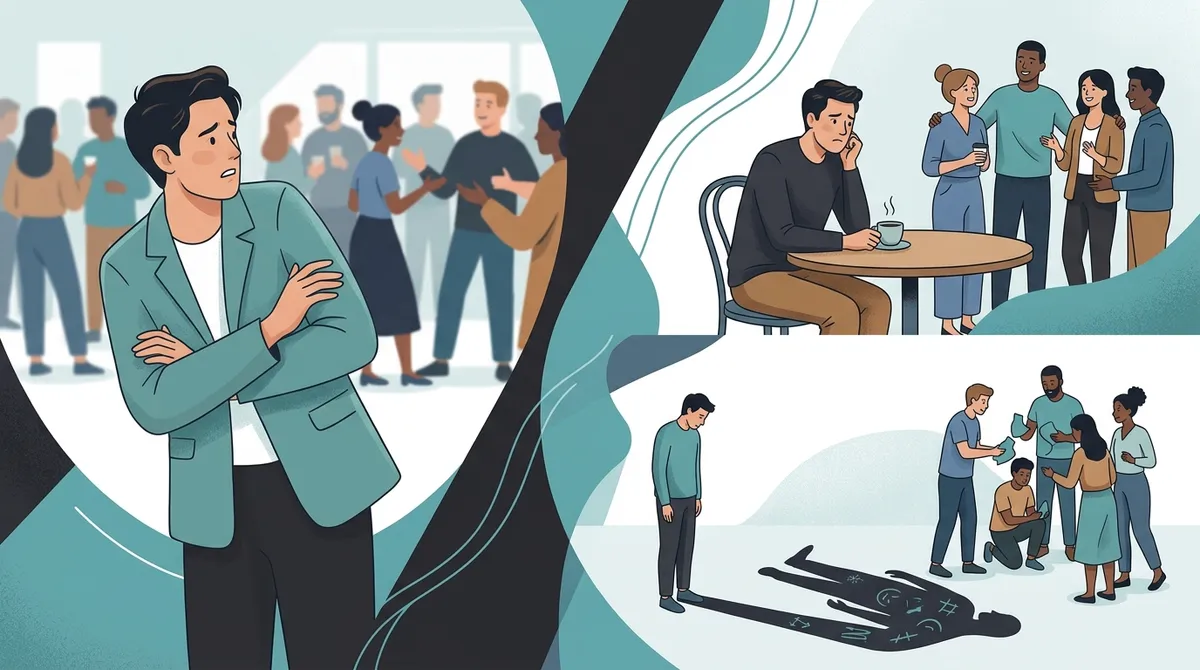
Common Signs of Avoidant Personality Disorder
Understanding the signs is the first step toward getting help. Here are the most common symptoms people experience:
- Avoiding jobs or activities that involve a lot of social contact
- Refusing to get involved with people unless certain of being liked
- Holding back in close relationships because of fear of shame or ridicule
- Constant preoccupation with being criticized or rejected
- Feeling inferior, unappealing, or inadequate compared to others
- Being unusually reluctant to try new things for fear of embarrassment
These patterns often start in early childhood and grow stronger over time. They can feel deeply ingrained, like just “who you are.” But patterns can change. That is exactly what therapy is designed to do. You can also explore related issues like low self-esteem and social and panic disorders, which often go hand in hand with AvPD.
How Is Avoidant Personality Disorder Different From Social Anxiety?
This is one of the most common questions people ask. Social anxiety disorder and AvPD share a lot of overlap. Both involve fear of social situations and worry about judgment. The key difference lies in depth and pervasiveness.
| Feature | Social Anxiety Disorder | Avoidant Personality Disorder |
|---|---|---|
| Core issue | Fear of specific social situations | Deep-rooted sense of inadequacy and unworthiness |
| Identity impact | Less tied to overall self-concept | Woven into how the person sees themselves |
| Duration | Can fluctuate | Persistent and long-standing pattern |
| Relationships | May form relationships despite anxiety | Often avoids relationships to prevent pain |
| Treatment approach | Often responds well to short-term CBT | Usually requires longer-term therapy |
Both conditions are very treatable, and some people have both. A qualified therapist can help clarify what you are dealing with and build a plan that fits your specific needs. If you are also dealing with anxiety, treatment can address both at the same time.
What Types of Therapy Help With Avoidant Personality Disorder?
The core treatment for AvPD is psychotherapy. There is no pill that fixes a personality pattern. But working with a skilled therapist can shift deeply held beliefs and open up new ways of living. Here are the main approaches used in Brandon avoidant personality disorder therapy:
1. Cognitive Behavioral Therapy (CBT)
CBT is one of the most widely used approaches for AvPD. It helps you identify negative thoughts about yourself and others. Then it challenges those thoughts and replaces them with more balanced ones. CBT also includes behavioral work, like gradually facing the situations you have been avoiding. You can learn more about this approach at our complete guide to cognitive behavioral therapy.
2. Schema Therapy
Schema therapy digs deeper into the core beliefs formed in childhood. These beliefs, called “schemas,” shape how you see yourself and the world. For people with AvPD, common schemas include feeling defective, unlovable, or fundamentally flawed. Schema therapy helps you identify and heal these root-level beliefs. Learn more about schema therapy and how it can support lasting change.
3. Dialectical Behavior Therapy (DBT)
DBT is especially helpful when AvPD is paired with intense emotional pain or mood dysregulation. It teaches practical skills like distress tolerance and emotion regulation. These skills make it easier to stay in uncomfortable situations instead of escaping them. Explore how DBT supports better mental health and emotional balance.
4. Acceptance and Commitment Therapy (ACT)
ACT helps you stop fighting your feelings and instead act according to your values. Rather than waiting until the anxiety disappears, ACT encourages you to move toward meaningful things in life right now. Read about how ACT therapy helps in Brandon and whether it might be the right fit for you.
5. Psychodynamic Therapy
This approach explores how past experiences shape current patterns. It is especially useful when there is a history of trauma or attachment wounds driving the avoidance. Understanding the “why” behind your patterns can be incredibly freeing.
What to Expect in Brandon Avoidant Personality Disorder Therapy
Starting therapy can feel nerve-wracking, especially if social situations already cause anxiety. Knowing what to expect can help ease that worry. Here is a simple overview of the therapy process:
- Initial consultation: You will start with a brief phone or in-person conversation. This is just a chance to talk about your concerns and see if the therapist is a good fit for you. There is no pressure and no judgment.
- Assessment and goal-setting: Your therapist will learn more about your history, your current challenges, and what you hope to achieve. Together, you will create a personalized treatment plan.
- Weekly or bi-weekly sessions: Regular sessions build on each other. Each one helps you develop new skills, process difficult emotions, and practice new ways of thinking and behaving.
- Gradual exposure work: A key part of AvPD treatment involves slowly and safely facing feared situations. Your therapist will guide this process step by step at a pace that feels manageable.
- Progress check-ins: Therapy is not a one-size-fits-all process. Your therapist will regularly review your progress and adjust the plan as needed to keep you moving forward.
At West Florida Therapy, therapist Margaret Deuerlein takes this exact approach. She is warm, skilled, and genuinely invested in helping you grow. In-person therapy in Brandon, Florida is available, and telehealth sessions are offered throughout the state so you can get help from wherever you are most comfortable.
Does Medication Help With Avoidant Personality Disorder?
Medication is not considered a primary treatment for AvPD. The patterns and beliefs that drive avoidance require therapeutic work to shift. However, medication may be helpful for managing co-occurring conditions like depression or anxiety that make AvPD symptoms worse. Your therapist and primary care doctor can work together to determine if that support is right for you. The Substance Abuse & Mental Health resources from Florida Families also provide helpful guidance on treatment options.
Key Benefits of AvPD Therapy
Many people wonder if therapy will actually make a difference. Here is what consistent, quality therapy for AvPD can help you achieve:
- Reduced sensitivity to criticism and rejection
- Greater confidence in social and professional settings
- Stronger, more fulfilling relationships
- Increased ability to set and pursue meaningful life goals
- Better understanding of your own emotions and needs
- A healthier, more compassionate relationship with yourself
A 2023 pilot study found that combined group and individual therapy for AvPD was feasible even for those with moderate to severe impairment, with promising results over a year-long follow-up period. That is encouraging news for anyone who has wondered if their patterns are “too deep” to change.
How to Find the Right AvPD Therapist in Brandon, FL
Finding the right therapist is a big deal. Here are some steps to help you make a good choice:
- Look for experience with personality disorders: Not all therapists specialize in AvPD. Look for someone who lists personality disorders as an area of focus.
- Ask about their approach: CBT, schema therapy, and ACT have the most evidence for AvPD. Ask your potential therapist which methods they use and why.
- Consider language and cultural needs: If you are more comfortable in Spanish, look for a bilingual therapist. West Florida Therapy offers bilingual (English/Spanish) services, which can make a significant difference for Hispanic adults navigating these challenges.
- Check practical details: Look into insurance coverage, telehealth availability, and scheduling. Therapy only works if you can consistently attend. You can explore telehealth therapy options throughout Florida if in-person sessions are not convenient.
You can also visit how to find the right personality disorder therapy in Brandon for more detailed guidance. And when you are ready to take the next step, you can check out our therapy process to know exactly what to expect from the start.
Is AvPD Connected to Other Conditions?
Yes, AvPD rarely travels alone. It often co-occurs with other conditions that need attention too. Common companions include:
- Social anxiety disorder
- Depression and low mood
- Panic disorder and panic attacks
- Trauma and PTSD
- Emotional pain and chronic shame
When these conditions layer on top of each other, it can feel overwhelming. But experienced therapists know how to address them together in a way that supports your overall healing. If you are also navigating trauma, you may find it helpful to read how to recognize and heal from psychological trauma. You can also explore how fear of relationships might be connected to what you are experiencing.
For Florida residents seeking trusted local and state resources, Mental Health Links from the Florida Department of Health provides a helpful list of programs and services available statewide.
Take the First Step Toward Real Change
Living with avoidant personality disorder can feel incredibly isolating. But help is closer than you think. Brandon avoidant personality disorder therapy offers real, evidence-based tools to help you break the cycle of avoidance, build confidence, and create a life that feels worth showing up for.
Margaret Deuerlein at West Florida Therapy is here to walk that journey with you. Warm, experienced, and bilingual, she provides in-person therapy in Brandon and telehealth sessions throughout Florida. Whether you are a teen, a young adult, or somewhere in between, you deserve support that actually fits your life. Visit us on Google — West Florida Therapy to read about the experiences of others who have taken this step.
You do not have to keep watching life from the sidelines. Real change is possible, and it starts with one courageous step. Reach out to schedule your free 15-minute consultation today and find out how therapy can help you finally feel at home in your own life.
FAQs
Q: What is avoidant personality disorder therapy, and how does it work?
A: Avoidant personality disorder therapy is a type of psychotherapy designed to help you identify and change deep-rooted patterns of avoidance, negative self-beliefs, and fear of rejection. Through approaches like CBT, schema therapy, or ACT, a therapist guides you through gradual steps to build confidence and connection. It is a supportive, judgment-free process tailored entirely to your needs and pace.
Q: Can CBT really help with avoidant personality disorder?
A: Yes! Cognitive behavioral therapy is one of the most commonly used and effective tools for AvPD. It helps you challenge the unhelpful thoughts that fuel avoidance and guides you through gently facing feared situations in a safe and structured way. Over time, CBT can significantly reduce social fears and boost your self-esteem.
Q: How long does Brandon avoidant personality disorder therapy usually take?
A: Therapy for AvPD tends to be longer-term compared to some other conditions because the patterns are deeply ingrained. Many people begin to notice meaningful changes within a few months, but a fuller course of treatment often spans a year or more. Your therapist will regularly check in on your progress and adjust the plan to keep things moving at the right pace for you.
Q: Is medication used to treat avoidant personality disorder?
A: Medication is not the primary treatment for AvPD, but it can help manage co-occurring conditions like anxiety or depression that make symptoms worse. Think of it as a supportive tool rather than a solution on its own. Your therapist and doctor can work together to decide if adding medication makes sense for your specific situation.
Q: How do I find an AvPD therapist in Brandon, FL?
A: Start by looking for a licensed therapist who lists personality disorders as a specialty, and ask about their experience with avoidant patterns specifically. West Florida Therapy in Brandon offers in-person and telehealth sessions, bilingual English/Spanish services, and a free 15-minute consultation so you can see if it feels like the right fit before committing.