
Key Takeaways
-
Don’t confuse functioning with feeling well—being productive at work or maintaining responsibilities doesn’t mean you’re okay; silent depression can coexist with high performance.
-
Seek professional help within two weeks of persistent low mood, numbness, or loss of interest rather than waiting for a crisis; early treatment is more effective.
-
Tell your doctor about emotional symptoms, not just physical complaints like fatigue or headaches, since depression often manifests physically and goes unrecognized.
-
Stop using busyness and isolation as coping strategies; constant activity and withdrawal actually worsen depression by preventing you from processing what’s happening inside.
-
Challenge the belief that depression is a character flaw or sign of weakness—it’s a treatable health condition, and seeking therapy is a sign of strength.
-
Recognize that silent depression shows up differently than classic depression: it can look like irritability, perfectionism, emotional numbness, or seeming ‘fine’ rather than visible sadness.
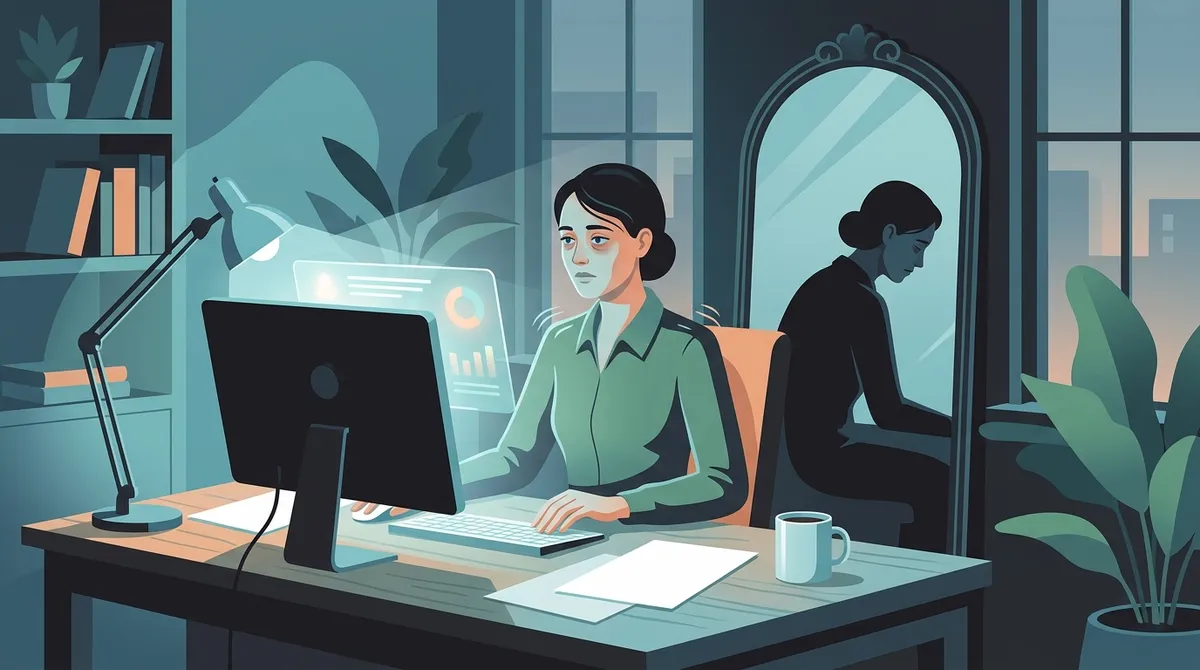
You wake up, get dressed, go to work, and smile at the right moments. From the outside, everything looks fine. But inside, something feels off — a heaviness, a numbness, a quiet ache you can’t quite name. This is what many people call silent depression. It doesn’t always look like sadness. It doesn’t always stop you from functioning. But it’s very real, and it can take a serious toll on your life over time.
Silent depression is not a formal clinical diagnosis. Instead, it’s a term used to describe depression that’s hidden, minimized, or masked by outwardly normal behavior. Many people who experience it continue to show up for life — work, family, responsibilities — while quietly struggling on the inside. Because it doesn’t look like “classic” depression, it often goes unrecognized and untreated for far too long.
The good news? You don’t have to keep carrying this alone. Recognizing the mistakes that keep silent depression hidden is the first step toward healing. Let’s walk through 15 of the most common ones — and what you can do instead.
What Is Silent Depression, Really?
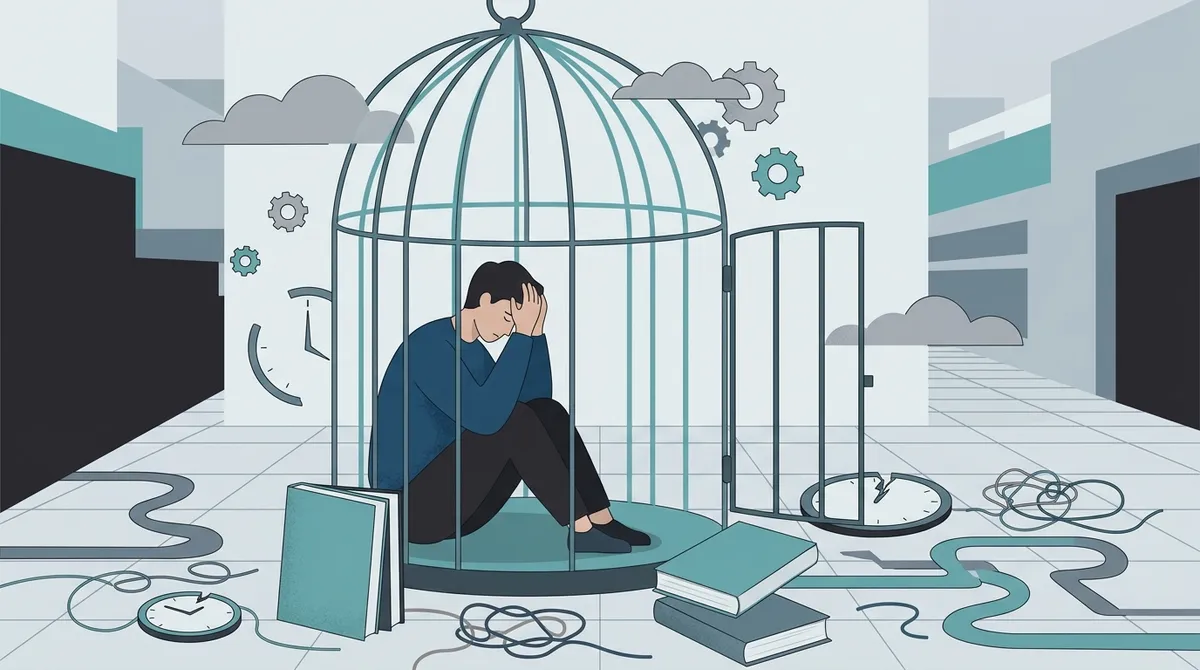
Silent depression is often linked to what mental health professionals describe as high-functioning depression. A person may keep up with their daily responsibilities — holding a job, maintaining relationships, even appearing happy — while privately experiencing low mood, emotional numbness, or loss of interest in things they once loved. It can be connected to persistent depressive disorder (dysthymia), which requires symptoms lasting at least two years, or to major depression, where symptoms persist for at least two weeks.
Because people with silent depression often look okay on the surface, they — and those around them — may not recognize how much they’re struggling. If you’ve ever wondered, what depression really is and how it affects daily life, you’re not alone in seeking those answers. Understanding what’s happening beneath the surface is a powerful first step.
15 Silent Depression Mistakes to Stop Making
Mistake 1: Telling Yourself “It’s Not That Bad”
One of the biggest traps with silent depression is minimizing your own pain. Just because you’re still functioning doesn’t mean you’re okay. Depression doesn’t have a “minimum suffering” requirement. If you feel persistently low, empty, or disconnected, your feelings deserve attention — no matter how manageable things look on the outside.
Mistake 2: Waiting Until You Hit Rock Bottom
Many people wait until a crisis forces them to seek help. But silent depression tends to drain your energy, joy, and motivation slowly — like a slow leak in a tire. You don’t need to be in crisis to deserve support. The sooner you address depression, the more effective treatment tends to be.
Mistake 3: Confusing Functioning with Feeling Fine
Being productive is not the same as being well. High-functioning depression is real. You can be excelling at work, parenting your kids, and keeping a tidy home while suffering deeply inside. Don’t let productivity trick you — or others — into thinking there’s nothing wrong.
Mistake 4: Hiding How You Really Feel
Stigma, cultural pressure, and fear of judgment are major reasons people suffer in silence. Many people — especially those in communities where mental health is rarely discussed openly — feel shame about depression. Mental health struggles are common, treatable, and nothing to be ashamed of. Hiding your feelings only delays healing.
Mistake 5: Assuming It Will Go Away on Its Own
Sometimes a bad week lifts on its own. But when low mood, emotional numbness, or loss of interest persist beyond two weeks, that’s a signal worth paying attention to. According to the National Institute of Mental Health, if depressive symptoms don’t go away, it’s important to reach out to a health care provider. Hoping it passes is not a treatment plan.
Mistake 6: Using Busyness as a Coping Strategy
Staying constantly busy is a very common way to avoid sitting with painful feelings. You fill every moment with tasks, errands, and obligations — because stillness feels uncomfortable. But busyness doesn’t heal depression. It often just postpones the reckoning. Functional depression thrives when there’s no space to process what’s really going on inside.
Mistake 7: Isolating Yourself
When you’re silently depressed, connection can feel exhausting. You may cancel plans, pull away from friends, or put on a cheerful mask and then go home feeling more alone than ever. But isolation and depression feed each other. Withdrawing tends to make depression worse over time, not better.
Mistake 8: Ignoring Physical Symptoms
Silent depression often shows up in the body, not just the mind. Fatigue, headaches, changes in sleep, and unexplained aches are all common signs. Many people chase physical symptoms without realizing there’s a mental health component. If your body keeps sending you signals, it’s worth exploring whether depression might be part of the picture.
Mistake 9: Self-Medicating with Alcohol or Other Substances
Alcohol, in particular, can feel like a short-term relief from the weight of silent depression. But substances tend to worsen depression over time. If you’ve noticed changes in your drinking habits alongside low mood, talking to a professional can help. The SAMHSA National Helpline is a free, confidential resource available 24/7 in both English and Spanish for anyone struggling with substance use and mental health together.
Mistake 10: Dismissing Your Need for Professional Support
“I should be able to handle this myself” is one of the most common thoughts people with silent depression have. But depression is not a character flaw or a sign of weakness — it’s a health condition that responds well to professional treatment. Therapy can genuinely help you recover from depression, and reaching out is a sign of strength, not failure.
Mistake 11: Avoiding Therapy Because of Cost or Access Concerns
Many people want help but worry about affordability, availability, or logistics. This is a very real barrier — and it’s one worth addressing directly. Mental health services are most effective when they’re accessible. Options like telehealth therapy throughout Florida have made it much easier to get support from the comfort of your own home, reducing both logistical and financial barriers to care. Many providers also offer flexible payment options.
Mistake 12: Not Telling Your Doctor About Emotional Symptoms
Many people mention physical complaints to their doctor but leave out the emotional ones. If you’ve been feeling persistently low, numb, or disengaged, it’s worth telling your healthcare provider. Primary care doctors, psychologists, and psychiatrists can all evaluate depression, and treatment often includes therapy, medication, or a combination of both. The Florida Department of Children and Families offers resources to connect Floridians with mental health and substance abuse support.
Mistake 13: Letting Language Barriers Stop You from Getting Help
For Spanish-speaking adults, navigating the mental health system in a second language can feel overwhelming and discouraging. But you deserve care in the language where you feel most comfortable. Bilingual therapy services — like those offered at West Florida Therapy, where sessions are available in both English and Spanish — can make a meaningful difference in your comfort and outcomes.
Mistake 14: Thinking Depression Only Looks One Way
Many people picture depression as someone who can’t get out of bed. But silent depression can look like irritability, sarcasm, or even seeming “fine.” It can look like perfectionism or overachievement. It can look like emotional numbness rather than sadness. Depression wears many faces, and recognizing that is key to seeking the right help. You can explore mood issues and how they show up in surprising ways.
Mistake 15: Forgetting That Help Is Available — and That Recovery Is Real
Perhaps the most costly mistake of all is believing that nothing will help. Depression — including silent depression — is treatable. With the right professional support, many people experience meaningful, lasting improvement in their mood, energy, relationships, and quality of life. Hope is not naive. Recovery is real. And you deserve both.
Common Signs of Silent Depression to Watch For
Because silent depression can be easy to miss, here are some signs worth paying attention to in yourself or someone you love:
- Persistent low mood, even when life seems “fine” on paper
- Emotional numbness or feeling disconnected from life
- Loss of interest or pleasure in things you used to enjoy
- Chronic fatigue or low energy despite adequate sleep
- Irritability or restlessness that feels out of proportion
- Difficulty concentrating or making decisions
- Withdrawing from friends, family, or social activities
- Negative self-talk or persistent feelings of worthlessness
If several of these sound familiar, it may be time to talk to someone. You can also learn more about what depression treatment options are available near you to take the next step forward.
Why People Hide Their Depression
Understanding why silent depression stays hidden can help reduce the shame around it. There are many reasons people don’t speak up about how they’re really feeling:
- Stigma: Fear of being judged, labeled, or seen as “weak” keeps many people silent.
- Cultural pressure: In many families and communities, mental health struggles are expected to be handled privately or pushed through.
- Lack of awareness: Some people genuinely don’t recognize that what they’re experiencing is depression — especially if it doesn’t match the “classic” image of the condition.
- Internalized beliefs: Thoughts like “I have no reason to be depressed” or “others have it worse” can prevent people from taking their own pain seriously.
- Fear of being a burden: Not wanting to worry or inconvenience others leads many people to mask their struggles.
Recognizing these patterns — without judgment — is an important part of breaking through the silence. The CDC’s mental health resources offer helpful guidance on how to support both yourself and others experiencing mental health challenges.
How Therapy Helps with Silent Depression
One of the most effective things you can do for silent depression is to work with a licensed therapist. Therapy provides a safe, confidential space to explore what’s really going on beneath the surface — without judgment. It helps you identify patterns, develop coping skills, and address the root causes of your depression.
Evidence-based approaches like cognitive behavioral therapy (CBT), EMDR, and acceptance and commitment therapy (ACT) are all used to treat depression effectively. If you’re unsure where to start, you can learn how to find the right depression therapist near you — it’s easier than you might think.
Margaret Deuerlein, a caring and experienced psychotherapist at West Florida Therapy, works with individuals experiencing silent depression and related struggles. Whether you prefer in-person sessions in Brandon, Florida, or virtual therapy from anywhere in Florida, support is available in a format that fits your life. You can visit West Florida Therapy on Google to read reviews and learn more about the practice before taking the next step.
What to Do If You Think Someone You Love Has Silent Depression
Supporting a loved one with silent depression can feel tricky, especially when they appear to be doing fine. Here are some helpful steps you can take:
- Create a safe space for honest conversation. Let them know you care and that you’re not going to judge them for how they feel.
- Listen without trying to fix. Sometimes people just need to be heard. You don’t need to have all the answers.
- Gently encourage professional help. Share information about therapy options without pressuring or shaming them.
- Check in consistently. One conversation isn’t enough. Regular, caring check-ins make a big difference.
- Take care of yourself too. Supporting someone with depression can be emotionally draining. Make sure you’re getting your own support.
You can also read more about how to talk about depression with family and friends — it’s a conversation worth having.
A Quick Look at Silent Depression vs. Typical Depression
| Feature | Typical Depression (Visible) | Silent Depression (Hidden) |
|---|---|---|
| Daily functioning | Often significantly impaired | Usually maintained on the surface |
| Outward appearance | May appear visibly sad or withdrawn | May appear fine, even upbeat |
| Self-awareness | May recognize they need help | May not recognize it as depression |
| Emotional experience | Intense sadness, tearfulness | Numbness, emptiness, mild low mood |
| Help-seeking behavior | More likely to seek help | Less likely to seek help |
| Treatment effectiveness | Responds well to therapy and/or medication | Responds well to therapy and/or medication |
When to Seek Immediate Help
If you or someone you care about is experiencing thoughts of suicide or self-harm, please reach out for help right away. Call or text 988 to reach the Suicide and Crisis Lifeline, available 24/7. You can also call 911 or go to your nearest emergency room. There is always someone ready to help — and your life matters deeply.
If you’re not in crisis but have been struggling quietly for a while, that also counts. You don’t have to wait for a breaking point. Reach out to our team at West Florida Therapy to schedule a free 15-minute consultation and take the first step toward feeling like yourself again.
Conclusion: You Don’t Have to Stay Silent
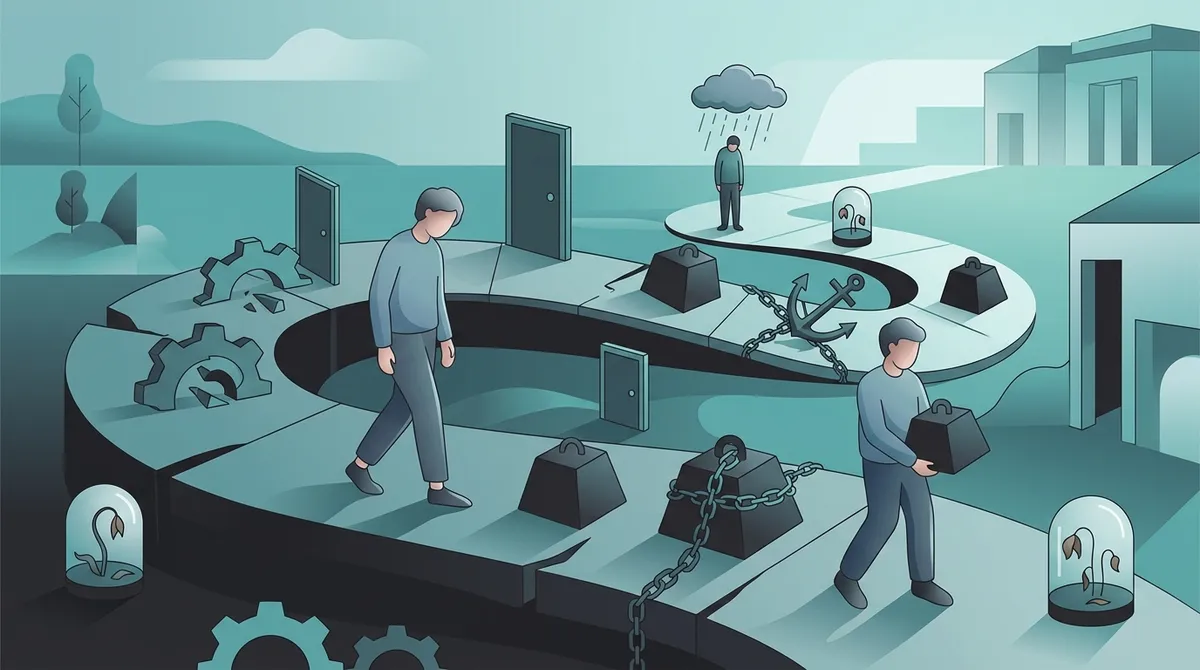
Silent depression is sneaky. It hides behind productivity, smiles, and the phrase “I’m fine.” But the 15 mistakes outlined here — from minimizing your pain to avoiding therapy — can keep you stuck in a cycle that quietly steals your joy, energy, and sense of self.
The path forward starts with honesty — first with yourself, and then with someone you trust. Whether you’re a stressed millennial navigating burnout, a teenager carrying the weight of school and social pressure, a Spanish-speaking adult looking for bilingual support, or someone who just can’t put a name to the heaviness you feel — help is here. You can also explore Florida Department of Health mental health links for additional statewide resources.
Remember: functioning is not the same as thriving. You deserve to actually feel good — not just get through the day. Take the first step and connect with West Florida Therapy today — because your mental health is worth fighting for.
FAQs
Q: What does silent depression mean in mental health?
A: Silent depression is a common term used to describe depression that’s hidden or masked by outwardly normal behavior. A person may continue working, socializing, and fulfilling responsibilities while quietly struggling with low mood, emotional numbness, or loss of interest — making it easy to miss without a closer look.
Q: Is silent depression the same as high-functioning depression?
A: They’re closely related! High-functioning depression refers to someone who keeps up with daily life while privately experiencing depressive symptoms. Silent depression often describes the same experience, with an added emphasis on the fact that it’s hidden from others — and sometimes from the person themselves.
Q: What are the signs of silent depression I should watch for?
A: Some common signs include persistent low mood, emotional numbness, fatigue, loss of interest in things you once enjoyed, irritability, social withdrawal, and difficulty concentrating. The tricky part is that many of these can be subtle — which is exactly why silent depression is so easy to overlook.
Q: When should someone seek help for silent depression symptoms?
A: If you’ve been feeling persistently low, numb, or disconnected for two weeks or more, that’s a good reason to reach out to a mental health professional. You don’t need to be in crisis to deserve support — the sooner you connect with a therapist, the sooner you can start feeling better.
Q: How can therapy help with silent depression?
A: Therapy gives you a safe, confidential space to explore what’s really going on beneath the surface. A skilled therapist can help you identify patterns, develop healthy coping skills, and address the root causes of your depression — leading to real, lasting improvement in your mood and overall quality of life.