Key Takeaways
-
Dialectical Behavior Therapy (DBT) is the most effective evidence-based treatment for BPD, specifically teaching mindfulness, emotion regulation, distress tolerance, and interpersonal effectiveness skills.
-
Start finding BPD therapy in Brandon by identifying your main concerns, searching for therapists specializing in BPD or DBT, and scheduling free consultations to assess therapist fit.
-
Most people notice meaningful improvements within several months of consistent therapy, though lasting change typically takes 1-3 years of dedicated work with measurable progress tracked throughout.
-
Both in-person and virtual therapy are effective for BPD; choose based on your schedule and comfort—telehealth offers flexibility while in-person sessions provide face-to-face connection.
-
Look for therapists trained in DBT, CBT, or schema therapy with warm, non-judgmental approaches who offer crisis support between sessions and collaborate on personalized treatment goals.
-
BPD therapy directly addresses relationship struggles by teaching communication skills, boundary-setting, and reducing abandonment fears that strain close relationships.
Living with borderline personality disorder (BPD) can feel like riding an emotional rollercoaster that never stops. Intense mood swings, unstable relationships, and a shifting sense of self can make everyday life exhausting. The good news? Effective borderline personality disorder therapy in Brandon is available, and real healing is possible. Whether you are exploring therapy for the first time or looking for a better fit, this guide walks you through exactly what to expect and how to find the right support. For those navigating personality disorders in the Brandon area, you are not alone — and help is closer than you think.
What Is Borderline Personality Disorder?
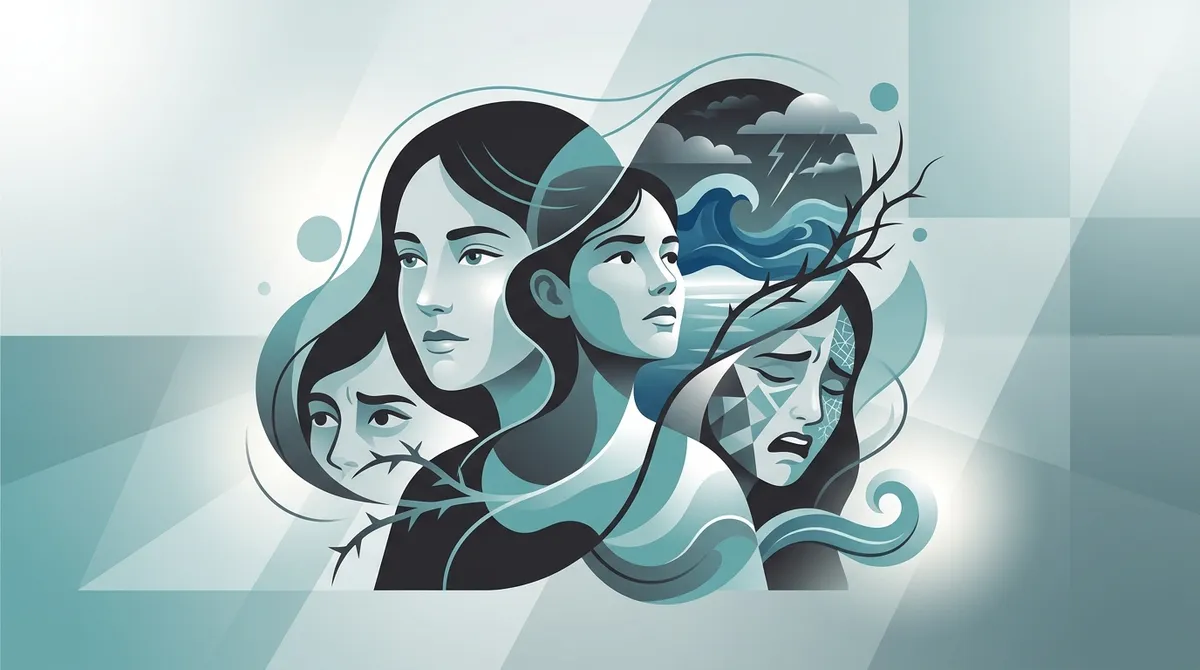
BPD is a mental health condition that affects how you feel about yourself and others. It can make emotions feel overwhelming and hard to control. Understanding the condition is the first step toward finding the right care.
Common signs of BPD include:
- Intense mood swings that shift quickly
- Unstable or stormy relationships
- A poor or shifting sense of identity
- Impulsive behaviors that feel hard to stop
- Chronic feelings of emptiness
- Fear of abandonment, real or imagined
- Self-harm or thoughts of suicide in more severe cases
BPD often overlaps with other concerns like anxiety, depression, and trauma. That is why a thorough, individualized approach to treatment matters so much. You can also learn more about how the mental health system supports people with complex diagnoses like BPD.
Why Therapy Is the Primary Treatment for BPD
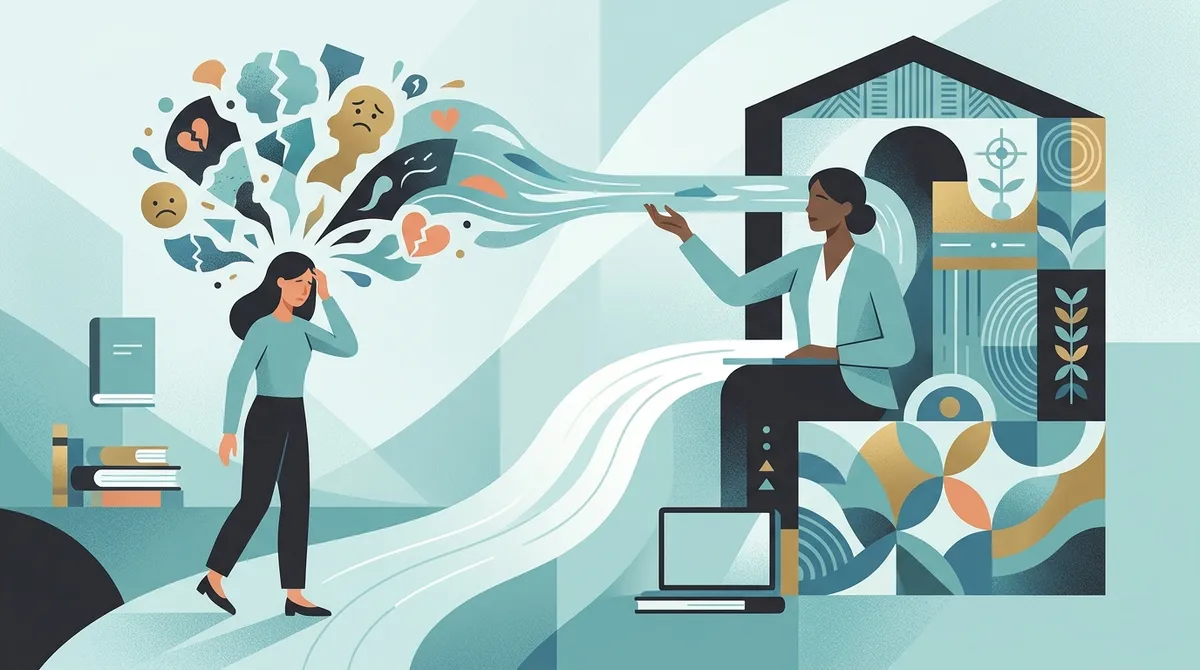
Psychotherapy is the gold standard for treating borderline personality disorder. Unlike some conditions where medication plays a central role, BPD responds best to consistent, skilled therapy. Medication may be used alongside therapy to help with related symptoms like anxiety or depression, but it is not a standalone solution.
The right therapy helps you build skills to manage your emotions, improve your relationships, and live a fuller life. According to Mental Health Resources from the CDC, consistent professional support plays a vital role in managing complex mental health conditions like BPD.
Research consistently shows that people with BPD can and do recover with the right treatment. Therapy gives you tools — not just temporary relief. If you have been wondering whether borderline personality disorder therapy in Brandon could actually work for you, the answer is a hopeful yes.
The Best Evidence-Based Therapies for BPD
Not all therapy approaches are equal when it comes to BPD. Some methods have strong research support specifically for this condition. Here is what works best.
1. Dialectical Behavior Therapy (DBT)
DBT is widely considered the most effective therapy for BPD. It was actually developed specifically for people with intense emotional experiences. DBT focuses on four core skill areas:
- Mindfulness — Learning to stay present and observe your thoughts without judgment
- Distress Tolerance — Coping with crises without making things worse
- Emotion Regulation — Understanding and managing intense feelings
- Interpersonal Effectiveness — Building healthier relationships and communicating your needs
You can explore more about how DBT supports better mental health and emotional balance. There is also a helpful resource at West Florida Therapy on embracing emotional resilience through dialectical behavior therapy.
2. Cognitive Behavioral Therapy (CBT)
CBT helps you identify harmful thought patterns and change the behaviors that follow from them. For people with BPD, CBT can be especially helpful for addressing negative self-beliefs and impulsive reactions. Learn more about what cognitive behavioral therapy involves and how it applies to emotional struggles.
3. Schema Therapy
Schema therapy explores deeply rooted emotional patterns that developed in childhood. These patterns — called schemas — often drive the intense reactions and relationship difficulties seen in BPD. Discover how schema therapy’s core components can transform lives by addressing the root causes of emotional pain.
4. Trauma-Informed Approaches
Many people with BPD have a history of trauma. Trauma-informed therapy acknowledges this connection and addresses past wounds as part of BPD treatment. If trauma is part of your story, trauma therapy may be an important piece of your care plan.
Comparing Therapy Approaches for BPD
| Therapy Type | Primary Focus | Best For |
|---|---|---|
| DBT | Emotion regulation, distress tolerance, mindfulness | Core BPD symptoms, self-harm, impulsivity |
| CBT | Thought patterns and behavior change | Negative self-beliefs, anxiety, depression |
| Schema Therapy | Deep-rooted emotional patterns from childhood | Long-standing relationship and identity issues |
| Trauma-Informed Therapy | Processing past trauma and its effects | BPD with trauma history (PTSD, abuse, neglect) |
| EMDR | Reprocessing traumatic memories | Specific trauma events contributing to BPD |
Step-by-Step Guide to Finding BPD Therapy in Brandon
Finding the right therapist can feel daunting, especially when you are already struggling. Here is a simple, step-by-step process to make it easier.
- Identify your main concerns. Write down what you are struggling with most — mood swings, relationships, self-image, or impulsive behaviors. This helps you explain your needs clearly.
- Look for therapists who specialize in BPD. Search for clinicians who list BPD, DBT, trauma, or mood dysregulation as their areas of expertise.
- Schedule a free consultation. Many therapists offer a free 15-minute phone consultation to see if you are a good fit. West Florida Therapy offers this too — it is a low-pressure way to start.
- Ask the right questions. During the consultation, ask about their experience with BPD, which therapy approaches they use, and how they handle crises between sessions.
- Consider format preferences. Do you prefer in-person sessions or the flexibility of telehealth? Both are valid options depending on your schedule and comfort level.
- Check insurance and payment options. Many providers accept major insurance plans or offer out-of-pocket rates. Knowing your budget ahead of time removes one barrier to getting started.
What to Look for in a BPD Therapist in Brandon
Choosing a therapist is a very personal decision. Not every clinician is the right fit for every person. Here are the qualities that matter most when seeking borderline personality disorder therapy in Brandon.
- Experience specifically with BPD and personality disorders
- Training in DBT, CBT, or schema therapy
- A warm, non-judgmental approach
- Willingness to collaborate on your treatment goals
- Clear communication about the treatment plan and what to expect
- Availability for crisis support or guidance between sessions
Margaret Deuerlein at West Florida Therapy is a caring and experienced psychotherapist who works with adults navigating personality disorders, emotional dysregulation, and trauma. Her approach is personalized, warm, and grounded in evidence-based methods. You can learn more about her background and approach by visiting the About Margaret Deuerlein page.
In-Person vs. Virtual BPD Therapy in Brandon
One of the most common questions people ask is whether in-person or virtual therapy is better for BPD. The honest answer is that both can be effective — it really depends on what works for your life.
If you prefer face-to-face connection, in-person therapy in Brandon, Florida offers a grounded, structured environment that many people find reassuring. Being in the same room as your therapist can feel more personal and immediate.
If your schedule is unpredictable or you live farther from Brandon, telehealth therapy across Florida offers incredible flexibility. You can attend sessions from home, removing transportation barriers entirely. This is especially helpful for Gen Z young adults or adolescents who are comfortable with technology and prefer virtual engagement. The Substance Abuse & Mental Health resources from the Florida Department of Children and Families also support the expansion of virtual mental health options statewide.
BPD Therapy for Adolescents in Brandon
BPD symptoms often begin to emerge during the teenage years. Early intervention can make a significant difference in long-term outcomes. If you are a parent concerned about your teen’s emotional volatility, relationship struggles, or impulsive behavior, seeking help sooner rather than later is one of the best things you can do.
Teens benefit from therapy approaches that are age-appropriate, engaging, and supportive. Virtual therapy for adolescents in Brandon, FL is a great option for teens who feel more comfortable in a familiar environment. You can also explore common mistakes to avoid when choosing teen therapy in Brandon to make the most informed decision for your family.
How BPD Affects Relationships — and How Therapy Helps
One of the most painful aspects of BPD is how it impacts close relationships. Fear of abandonment, intense emotional reactions, and communication challenges can strain even the strongest bonds. This is not a character flaw — it is a symptom that therapy directly addresses.
Through DBT’s interpersonal effectiveness skills and other approaches, therapy helps you learn to communicate more clearly, set healthy boundaries, and reduce the push-pull dynamics that often define BPD relationships. If relationship patterns are a major concern for you, it may also help to explore resources on relationship and communication issues and how therapy supports lasting change. You might also find it valuable to read about signs of codependency that quietly hurt your life, as these patterns often co-occur with BPD.
The Mental Health Links provided by the Florida Department of Health are also a helpful starting point for finding community support resources alongside professional therapy.
How Long Does BPD Therapy Take?
BPD treatment is not a quick fix — and that is okay. Many people begin noticing meaningful improvements within several months of consistent therapy. However, full symptom relief and lasting change may take one to several years of dedicated work.
That said, progress is very real and measurable. You will likely notice improvements in your ability to manage distress, communicate effectively, and feel more stable in your sense of self long before therapy ends. Progress is tracked and celebrated along the way, and your treatment plan is adjusted as your needs evolve. Check out the therapy process at West Florida Therapy to understand what ongoing support looks like in practice.
Practical Tips for Getting Started Today
- Remind yourself that seeking help is a sign of strength, not weakness
- Write down your biggest concerns before your first consultation
- Give yourself grace — finding the right therapist may take a session or two
- Be honest with your therapist from the start — the more they know, the more they can help
- Commit to consistency — regular sessions build momentum and real change
If you are ready to take the first step, visit us on Google — West Florida Therapy to read reviews and learn more about what clients experience when they work with our team.
You can also explore the full range of personality disorder therapy options in Brandon and find specific information on how to find effective BPD therapy in Brandon, FL to guide your decision.
Life in Brandon has so much to offer, and your wellbeing should be part of that story. Whether you unwind with outdoor activities through Gulfside Adventures or take care of your smile at Brockway Orthodontics, taking care of your whole self — inside and out — makes every part of life better.
Start Your Healing Journey Today
You deserve support that truly fits your needs. Whether you are in the Brandon area or anywhere in Florida, West Florida Therapy offers compassionate, evidence-based borderline personality disorder therapy in Brandon and beyond. Bilingual services in English and Spanish are available, and both in-person and telehealth sessions make care accessible no matter where you are in the state.
Real change is possible — and it starts with one conversation. Reach out to our team today to schedule your free 15-minute consultation and take that first courageous step toward a more stable, fulfilling life.
FAQs
Q: What is the best therapy for borderline personality disorder?
A: Dialectical Behavior Therapy (DBT) is widely considered the most effective treatment for BPD. It teaches practical skills in emotion regulation, distress tolerance, mindfulness, and healthier communication — all areas that BPD directly affects.
Q: How do I find a BPD therapist in Brandon?
A: Start by looking for licensed therapists who list BPD, DBT, trauma, or personality disorders as specialties. Many offer free 15-minute consultations — like West Florida Therapy — so you can ask questions and see if it feels like a good fit before committing.
Q: Is medication used to treat borderline personality disorder?
A: Medication is not a primary treatment for BPD, but it can help manage related symptoms like anxiety, depression, or mood instability alongside therapy. Always discuss this with your therapist or prescribing provider to find the right combination for you.
Q: How long does borderline personality disorder therapy usually take?
A: Many people begin noticing real progress within a few months of consistent therapy, though lasting change often takes one to several years of dedicated work. The great news is that people with BPD absolutely do improve — and you will likely feel the benefits well before therapy ends.
Q: Can borderline personality disorder be treated successfully?
A: Yes! Research shows that BPD responds well to therapy, and many people experience significant symptom relief and improved quality of life. With the right therapist and consistent effort, healing is genuinely within reach — and you deserve that kind of support.