Key Takeaways
-
Schema Therapy addresses deep-rooted emotional patterns by identifying 18 early maladaptive schemas that develop during childhood.
-
Understanding your core schemas helps break self-fulfilling cycles by recognizing how past experiences shape current relationship dynamics.
-
Identifying your schema modes allows you to shift from automatic emotional reactions to more intentional, balanced responses.
-
The therapy uses three interconnected channels – cognitive, experiential, and behavioral – to create comprehensive healing.
-
Developing a strong ‘healthy adult mode’ helps you parent yourself, set boundaries, and make decisions based on values rather than fear.
-
The therapeutic relationship itself becomes a healing experience, providing corrective emotional interactions that can rewire neural patterns.
-
Therapy goals focus on validating emotional needs, challenging harsh internal voices, and replacing maladaptive coping strategies with healthier alternatives.
Have you ever felt stuck in the same painful patterns, wondering why certain triggers always bring up the same emotional responses? Maybe you find yourself repeating unhealthy relationship dynamics or struggling with feelings that don’t seem to match your current situation. If traditional therapy hasn’t fully addressed these deep-rooted issues, Schema Therapy might be the answer you’ve been looking for. This powerful approach goes beyond surface-level symptoms to heal the core wounds that shape how we see ourselves and relate to others.
Schema Therapy represents a breakthrough in understanding and treating long-standing emotional patterns. Developed by Dr. Jeffrey Young in the late 1980s and 1990s, this approach has helped thousands of people break free from cycles that other therapies couldn’t reach. At West Florida Therapy, we’ve seen firsthand how Schema Therapy creates lasting change for people dealing with persistent anxiety, relationship struggles, and deeply ingrained negative beliefs about themselves.
This article explores the seven essential components that make Schema Therapy so effective. Whether you’re considering therapy for yourself or simply want to understand what keeps you stuck in certain patterns, you’ll discover practical insights into how this approach works and why it creates transformations where other methods fall short.
1. Early Maladaptive Schemas: Understanding Your Core Patterns
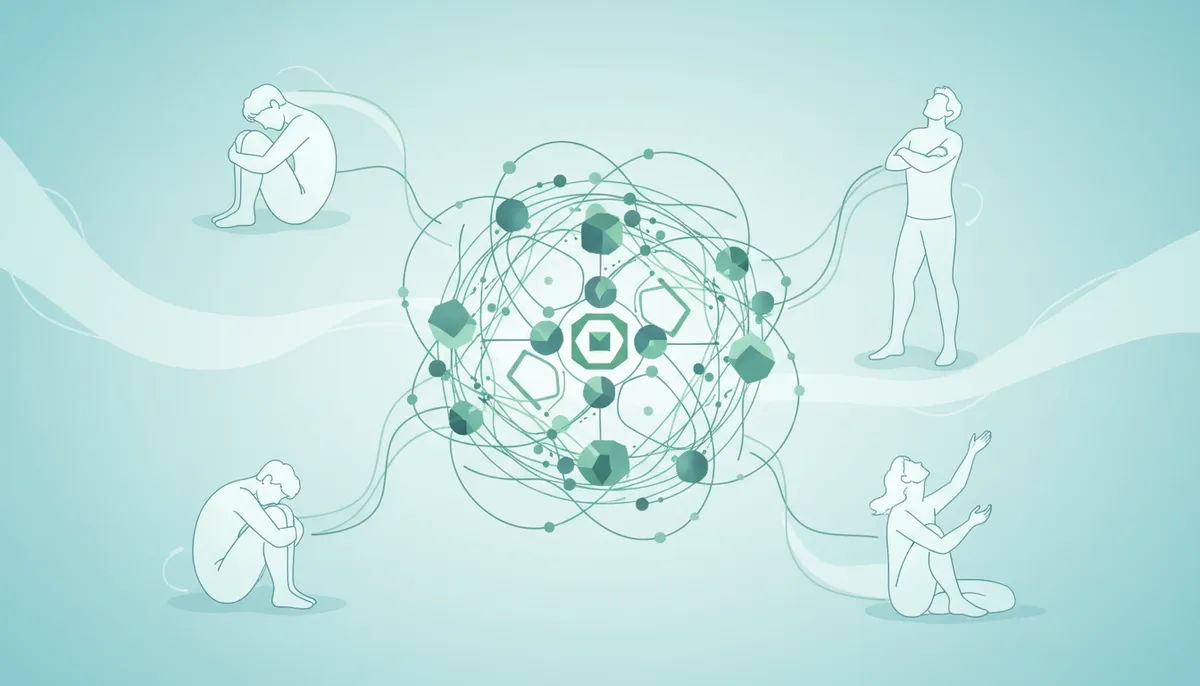
At the heart of Schema Therapy lies the concept of early maladaptive schemas—deeply held beliefs and patterns that form during childhood and adolescence. These schemas develop when our basic emotional needs aren’t met by caregivers or when we experience trauma or adverse events. Think of them as mental blueprints that shape how we interpret experiences and interact with the world, even when they no longer serve us well.
Schema Therapy identifies 18 specific early maladaptive schemas organized into five domains based on unmet childhood needs. These domains include disconnection and rejection, impaired autonomy and performance, impaired limits, other-directedness, and overvigilance and inhibition. For example, someone with an abandonment schema constantly fears that people they love will leave them, leading to clingy behavior or pushing others away before they can be rejected. Another person with a defectiveness schema might believe they’re fundamentally flawed, causing them to hide their true selves from others.
Research published in the Journal of Clinical Psychology in 2023 by Dr. Jeffrey Young and colleagues demonstrates how these schemas maintain themselves through self-fulfilling prophecies. If you believe you’re unlovable, you might unconsciously choose unavailable partners or sabotage healthy relationships, confirming your negative belief. According to the Mental Health Resources from the CDC, understanding these patterns is the first step toward breaking free from them.
Margaret Deuerlein, a caring psychotherapist at West Florida Therapy, helps clients identify which schemas are driving their struggles. She explains that recognizing these patterns isn’t about blame—it’s about understanding how past experiences created survival strategies that now limit your happiness and potential.
2. Schema Modes: Navigating Your Emotional States
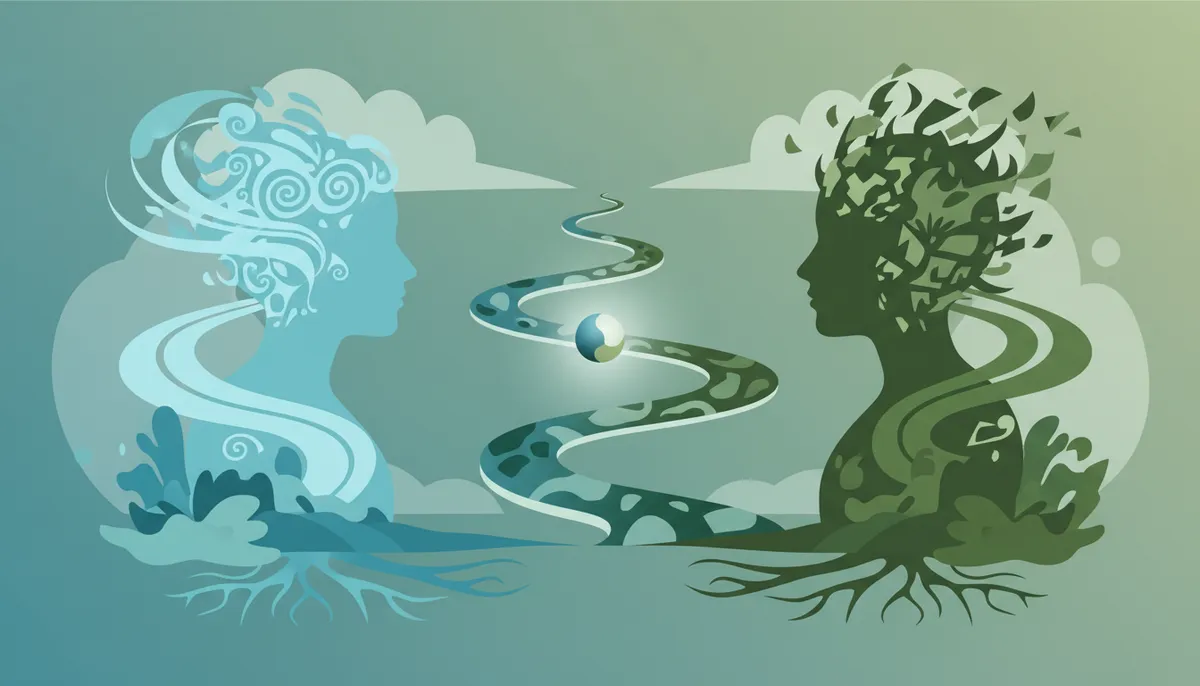
While schemas are stable patterns, schema modes represent the moment-to-moment emotional states we experience. Think of modes as different parts of yourself that take over in various situations. You might have a vulnerable child mode when feeling hurt, a demanding parent mode when being self-critical, or a detached protector mode when shutting down emotionally. Understanding these modes helps explain why you can feel like completely different people in different situations.
Schema Therapy identifies several key mode categories that most people experience:
- Child Modes: These include the vulnerable child (feeling small and hurt), the angry child (expressing rage), and the happy child (experiencing joy and playfulness)
- Parent Modes: The punitive parent (harsh self-criticism) and the demanding parent (impossible standards)
- Coping Modes: Surrender (giving in to schemas), avoidance (numbing or escaping), and overcompensation (fighting against schemas in extreme ways)
- Healthy Adult Mode: The balanced, wise part that can meet your needs appropriately
The goal of Schema Therapy is to strengthen your healthy adult mode so it can nurture the child modes, challenge the parent modes, and replace maladaptive coping with healthier strategies. This approach has shown remarkable results in treating conditions like anxiety, depression, and personality disorders where other therapies have fallen short.
When you work with Margaret at West Florida Therapy, you’ll learn to recognize which mode you’re in and develop skills to shift into healthier states. This awareness alone can be transformative, helping you respond to situations with more choice and flexibility rather than automatically reacting from old patterns.
Building Your Healthy Adult Mode
The healthy adult mode represents the part of you that can think clearly, feel appropriately, and act in your best interest. Developing this mode means learning to parent yourself in the ways you needed but perhaps didn’t receive as a child. It involves setting boundaries, soothing yourself when upset, and making decisions based on your values rather than fear or old patterns.
This process isn’t about becoming perfect or eliminating all difficult emotions. Instead, it’s about building the capacity to handle life’s challenges without being overwhelmed by schemas or stuck in unhelpful coping modes. Through therapy, you’ll strengthen this inner resource so it becomes your default state rather than something you can only access occasionally.
3. Coping Styles: How You’ve Been Trying to Survive
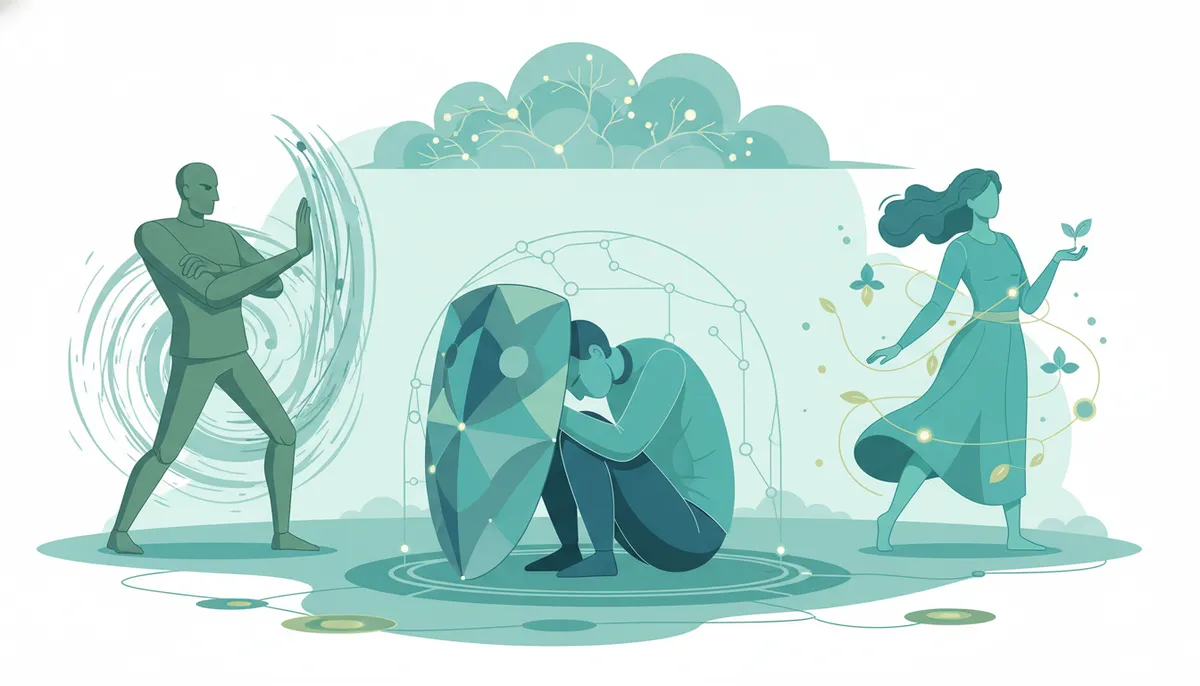
Everyone develops coping styles in response to painful schemas—ways of dealing with distressing beliefs and emotions. Schema Therapy identifies three main coping styles that people use, often unconsciously, to manage schema activation. Understanding your coping style helps explain behaviors that might seem confusing or self-defeating.
The three primary coping styles are:
- Surrender: Giving in completely to the schema, accepting it as true. Someone with an abandonment schema might become overly dependent on others, constantly seeking reassurance and unable to function independently.
- Avoidance: Staying away from situations that trigger the schema. This might look like avoiding intimate relationships to prevent abandonment, using substances to numb feelings, or overworking to escape emotional pain.
- Overcompensation: Fighting against the schema by doing the opposite. Someone feeling defective might project an image of perfection, or someone with a failure schema might become a workaholic, driven to prove their worth.
While these coping styles once helped you survive difficult situations, they now maintain your schemas and prevent healing. For instance, if you avoid relationships to protect yourself from abandonment, you never get the experience of secure attachment that could challenge your schema. If you overcompensate by being perfect, you never learn that you’re acceptable just as you are.
Research shows that Schema Therapy’s effectiveness comes partly from helping people recognize and change these coping patterns. Instead of automatically surrendering, avoiding, or overcompensating, you learn to face schemas directly with healthier strategies. This approach has proven particularly effective for treating relationship problems and trauma where old coping styles no longer serve you well.
4. Three Channels of Change: Cognitive, Experiential, and Behavioral
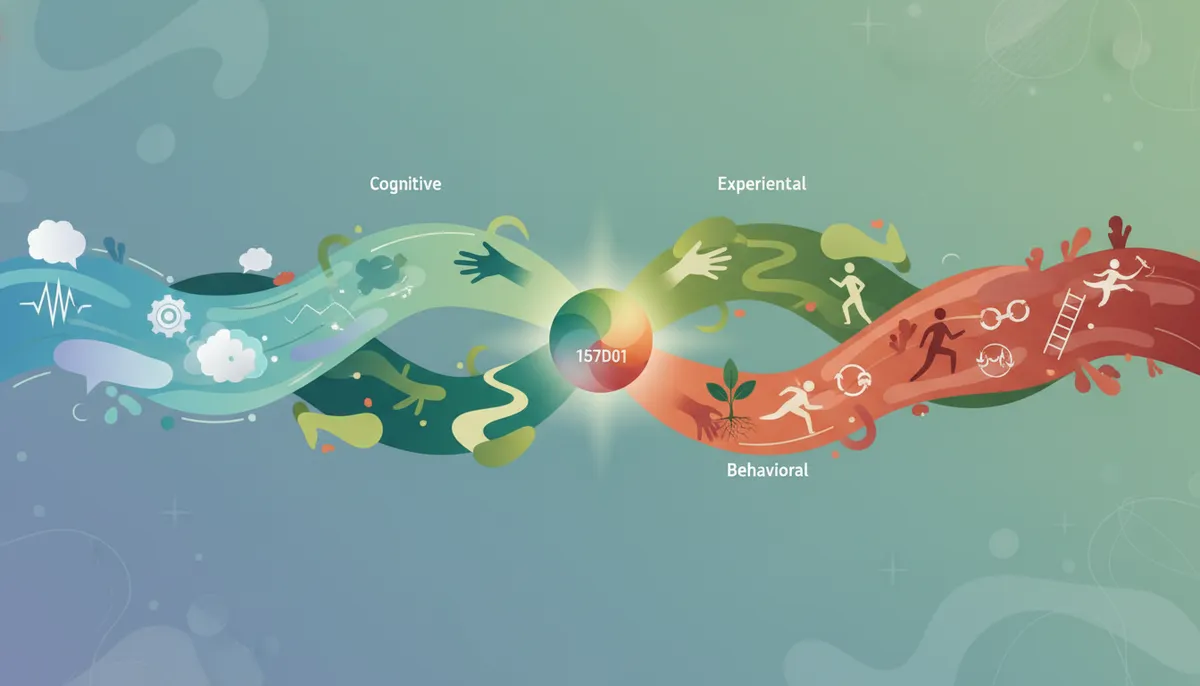
Schema Therapy creates lasting change by working through three distinct but interconnected channels. This comprehensive approach addresses thoughts, emotions, and actions simultaneously, making it more effective than therapies that focus on just one aspect of experience.
Cognitive Techniques: Restructuring Your Thoughts
The cognitive channel involves examining and challenging the thoughts connected to your schemas. You’ll learn to question automatic beliefs like “I’m not good enough” or “people always leave me” by looking at evidence and considering alternative perspectives. This isn’t just positive thinking—it’s developing a more balanced, realistic view of yourself and others based on adult understanding rather than childhood conclusions.
Cognitive work in Schema Therapy goes deeper than traditional cognitive behavioral therapy by addressing the emotional origins of thoughts. You don’t just challenge a belief intellectually; you understand where it came from and why it made sense at one point in your life, even if it’s hurting you now.
Experiential Techniques: Healing Emotional Wounds
The experiential channel uses powerful techniques like imagery rescripting and chair work to access and heal emotional wounds directly. Imagery rescripting involves revisiting painful childhood memories in your imagination and changing the outcome—perhaps having your adult self intervene to protect and comfort your child self, or imagining that caregivers provided what you actually needed.
These techniques tap into the emotional memory systems where schemas live, creating new emotional experiences that can update old patterns. This is where the therapeutic relationship becomes crucial—your therapist provides “limited reparenting,” meeting emotional needs in session that weren’t met in childhood. This corrective emotional experience helps build new neural pathways for healthier relating.
Behavioral Techniques: Breaking Old Patterns
The behavioral channel focuses on changing actions that maintain schemas and building new, healthier behaviors. This might involve gradually facing situations you’ve been avoiding, setting boundaries you’ve struggled to maintain, or replacing coping behaviors like substance use with more adaptive strategies. Behavioral change provides real-world evidence that challenges schemas and reinforces new ways of being.
At West Florida Therapy, we integrate all three channels to create comprehensive healing. Margaret works with you to identify which techniques will be most helpful for your specific schemas and modes, creating a personalized treatment approach that addresses your unique needs.
5. The Therapeutic Relationship: A Foundation for Healing
Unlike some therapy approaches that emphasize technical interventions over relationship, Schema Therapy recognizes that the bond between therapist and client is central to healing. The concept of “limited reparenting” means your therapist works to meet emotional needs within appropriate professional boundaries—providing the validation, safety, and nurturing that schemas developed in the absence of.
This doesn’t mean your therapist becomes a substitute parent. Rather, they model healthy relating and provide experiences that challenge your schemas directly. If you have an abandonment schema, for example, your therapist’s consistent presence and reliability over time provides concrete evidence that people can be dependable. If you have a defectiveness schema, their unconditional positive regard shows you that you’re acceptable as you are.
According to information from Mental Health Links provided by Florida Health, the therapeutic relationship promotes neuroplasticity—your brain’s ability to form new connections and patterns. Repeated positive relational experiences in therapy literally rewire your brain, making lasting change possible even with deeply ingrained schemas.
This emphasis on relationship makes Schema Therapy particularly effective for people who have experienced relational trauma or have struggled to trust others. The therapy itself becomes a healing relationship that provides a template for healthier connections outside of sessions. If you’re dealing with intimacy issues or trust difficulties, this relational focus can be transformative.
6. Specific Treatment Goals for Each Mode
Schema Therapy takes a targeted approach by setting specific goals for each mode you struggle with. This systematic method ensures that therapy addresses all aspects of your patterns rather than just treating symptoms. Understanding these goals helps you know what to expect and how progress looks in Schema Therapy.
Goals for Child Modes
For vulnerable child modes, the goal is validation and healing. You’ll learn to acknowledge and accept your emotional needs rather than dismissing or being ashamed of them. Your therapist helps you understand that it’s okay to feel hurt, scared, or sad—these feelings make sense given your experiences. The healthy adult mode learns to comfort and care for the vulnerable child rather than abandoning or criticizing it.
For angry child modes, therapy focuses on understanding the anger as a response to unmet needs or boundary violations. You’ll learn to express anger appropriately rather than suppressing it or letting it explode destructively. The goal is integrating anger as a healthy emotion that signals when something isn’t right.
Goals for Parent Modes
Parent modes—both punitive and demanding—need to be challenged and softened. Therapy helps you recognize these harsh internal voices as introjections of critical caregivers or societal messages, not truth. You’ll learn to talk back to these voices, defending your vulnerable child self and replacing impossible standards with realistic, compassionate expectations.
This work can feel uncomfortable at first because parent modes often feel protective, even when they’re harmful. Challenging them might trigger guilt or anxiety. With support, you’ll discover that letting go of harsh self-criticism doesn’t lead to becoming lazy or irresponsible—it creates space for genuine growth based on self-compassion rather than fear.
Goals for Maladaptive Coping Modes
For coping modes like avoidance, surrender, or overcompensation, the goal is replacing these strategies with healthier alternatives. This doesn’t happen all at once. Therapy involves gradually building skills and confidence to face situations you’ve been avoiding, set boundaries instead of surrendering, and accept yourself rather than overcompensating.
If you struggle with panic attacks or avoidance behaviors, Schema Therapy helps you understand these as coping modes trying to protect you from schema activation. Rather than fighting the symptoms directly, you address the underlying schemas and develop healthier ways to manage difficult emotions. This approach often proves more effective than symptom-focused treatments alone.
7. Integration and the Healthy Adult Mode
The ultimate goal of Schema Therapy is developing a strong, consistent healthy adult mode that can integrate all parts of yourself. This isn’t about eliminating schemas or child modes—those are parts of your history and experience. Instead, it’s about building the capacity to recognize when schemas are activated and respond from a place of wisdom and self-compassion rather than reacting automatically.
The healthy adult mode can:
- Recognize schema triggers without being overwhelmed by them
- Soothe and comfort your vulnerable child mode
- Set appropriate boundaries and meet your needs
- Challenge punitive parent voices with compassionate self-talk
- Make decisions aligned with your values and goals
- Build and maintain healthy relationships
Developing this mode takes time and practice. It’s not a destination but an ongoing process of growth. Some days you’ll access your healthy adult easily; other times, you’ll find yourself in old patterns. That’s normal and expected. The difference is that with Schema Therapy, you develop tools to recognize what’s happening and shift back to healthier functioning more quickly.
Studies have shown Schema Therapy’s effectiveness for personality disorders, addiction, eating disorders, and chronic relationship issues by promoting these adaptive modes. Research indicates superior outcomes compared to other approaches, particularly for conditions that haven’t responded well to traditional therapies. The integrated approach—addressing thoughts, emotions, behaviors, and relationships—creates comprehensive change that extends beyond symptom reduction to fundamental shifts in how you experience yourself and relate to others.
| Schema Domain | Core Unmet Need | Example Schemas | Typical Coping Style |
|---|---|---|---|
| Disconnection and Rejection | Safety, connection, acceptance | Abandonment, mistrust, defectiveness | Avoidance or overcompensation |
| Impaired Autonomy | Independence, competence, identity | Dependence, failure, vulnerability | Surrender or avoidance |
| Impaired Limits | Realistic limits, self-control | Entitlement, insufficient self-control | Overcompensation |
| Other-Directedness | Expressing needs, authenticity | Subjugation, self-sacrifice | Surrender |
| Overvigilance | Spontaneity, play, relaxation | Unrelenting standards, punitiveness | Overcompensation |
How Long Does Schema Therapy Take?
Schema Therapy typically involves a longer-term commitment than brief therapy approaches, often lasting from several months to two or three years, depending on the complexity of your schemas and the severity of your difficulties. This timeline might seem lengthy, but remember that schemas developed over years or decades—changing them takes time and consistent work.
The therapy usually begins with an assessment phase where you and your therapist identify your specific schemas, modes, and coping styles. This foundation guides treatment planning and helps set realistic goals. From there, therapy progresses through various phases: building awareness, challenging schemas, developing healthier coping, and strengthening the healthy adult mode.
Progress isn’t always linear. You might experience breakthroughs followed by setbacks, which is completely normal. The therapeutic relationship provides stability and support through these ups and downs. Many people find that even before schemas fully change, their relationship with the schemas shifts—they become less identified with negative beliefs and more able to function despite occasional schema activation.
If you’re ready to explore whether Schema Therapy might help with your persistent patterns, Margaret Deuerlein at West Florida Therapy offers both in-person and virtual sessions throughout Florida. She provides a warm, nonjudgmental space to understand your struggles and develop lasting solutions. Reach out today to schedule a consultation and take the first step toward breaking free from patterns that no longer serve you.
Is Schema Therapy Right for You?
Schema Therapy works particularly well for people who have tried other approaches without full success, especially if you’re dealing with long-standing patterns, relationship difficulties, or issues rooted in childhood experiences. It’s effective for various concerns including chronic mood issues, personality patterns that cause distress, and struggles that seem to recur despite your best efforts to change.
This approach requires commitment and willingness to explore difficult emotions and memories. It’s not a quick fix, but for those ready to do deeper work, it offers the potential for profound, lasting transformation. According to Substance Abuse & Mental Health resources, integrative approaches like Schema Therapy are increasingly recognized as effective treatments for complex conditions.
Consider Schema Therapy if you:
- Keep repeating the same relationship patterns despite wanting different outcomes
- Experience intense emotional reactions that seem out of proportion to current situations
- Struggle with persistent negative beliefs about yourself that don’t respond to logical challenge
- Have been in therapy before but feel that something core hasn’t shifted
- Want to understand the roots of your difficulties, not just manage symptoms
- Are willing to commit to deeper, longer-term therapeutic work
West Florida Therapy offers bilingual services in English and Spanish, making Schema Therapy accessible to more people in our community. Whether you prefer meeting in person or through secure virtual sessions anywhere in Florida, compassionate help is available. Don’t let old patterns continue limiting your life and relationships.
Moving Forward: Your Journey to Healing
Understanding Schema Therapy and its seven core components is just the beginning. Real change happens when you engage in the therapeutic process, building new experiences that challenge old beliefs and developing healthier ways of relating to yourself and others. It takes courage to examine painful patterns and face emotions you might have been avoiding for years, but the freedom on the other side is worth it.
Many people describe Schema Therapy as finally understanding themselves in a way that makes sense—seeing how childhood experiences shaped current struggles without blame or shame. This understanding alone brings relief, and the targeted interventions create pathways to genuine change. You learn that you’re not broken or fundamentally flawed; you developed understandable responses to difficult situations that now need updating for your adult life.
If you’re tired of feeling stuck in the same patterns, if traditional approaches haven’t given you the lasting change you need, or if you want to understand and heal the roots of your struggles, Schema Therapy might be the answer. Margaret Deuerlein brings warmth, expertise, and genuine care to helping people work through these deep issues. She understands that seeking help takes courage, and she creates a safe space where you can explore your patterns without judgment.
Your mental health matters, and you deserve support in creating the life and relationships you want. Don’t wait for patterns to magically change on their own—take the active step of getting professional help. Contact West Florida Therapy today to learn more about how Schema Therapy can help you break free from old patterns and build a healthier, more fulfilling future. You can also visit us on Google to read reviews from people who’ve found healing and hope through therapy.
FAQs
Q: What are the 18 early maladaptive schemas in Schema Therapy?
A: Schema Therapy identifies 18 early maladaptive schemas organized into five domains: disconnection and rejection (abandonment, mistrust, defectiveness), impaired autonomy (dependence, failure, vulnerability), impaired limits (entitlement, insufficient self-control), other-directedness (subjugation, self-sacrifice), and overvigilance (unrelenting standards, punitiveness). These schemas develop when core childhood needs aren’t met and continue affecting adult relationships and self-perception.
Q: How does Schema Therapy differ from Cognitive Behavioral Therapy?
A: While CBT focuses on changing current thoughts and behaviors, Schema Therapy goes deeper to address childhood origins of patterns that don’t respond to traditional CBT. Schema Therapy integrates cognitive, experiential, and behavioral techniques with a strong emphasis on the therapeutic relationship and healing emotional wounds through imagery and limited reparenting. It’s designed for more complex, long-standing issues that require addressing core beliefs formed early in life.
Q: Is Schema Therapy effective for anxiety and depression?
A: Yes, Schema Therapy can be highly effective for anxiety and depression, especially when these conditions are chronic or haven’t responded well to other treatments. It addresses the underlying schemas and modes that maintain symptoms, such as vulnerability schemas that fuel anxiety or defectiveness schemas that contribute to depression. By healing these core patterns, people often experience more lasting relief than with symptom-focused approaches alone.
Q: What can I expect in Schema Therapy sessions?
A: Schema Therapy sessions involve identifying your specific schemas and modes, exploring childhood origins of patterns, using imagery and experiential techniques to access emotional memories, challenging negative beliefs, and developing healthier coping strategies. Your therapist provides limited reparenting—meeting emotional needs within professional boundaries—and helps strengthen your healthy adult mode. Sessions are collaborative and focus on creating real emotional experiences that update old patterns, not just talking about problems.
Q: How long does Schema Therapy typically take to see results?
A: Schema Therapy usually requires a longer commitment than brief therapies, often lasting several months to two or three years depending on pattern complexity. However, many people notice positive changes within the first few months as they gain awareness and begin using new tools. Lasting schema change takes time because these patterns developed over years, but the comprehensive approach creates deep, sustainable transformation rather than temporary symptom relief.