Key Takeaways
-
The Gottman Method focuses on building friendship, managing conflict constructively, and creating shared meaning through research-backed techniques.
-
Learn to recognize and avoid the ‘Four Horsemen’ communication patterns that predict relationship failure: criticism, contempt, defensiveness, and stonewalling.
-
Maintain a 5:1 ratio of positive to negative interactions, actively building connection through small moments of appreciation and understanding.
-
Understand that 69% of relationship conflicts are perpetual, so the goal is managing disagreements without damaging your emotional connection.
-
Develop repair attempts during arguments to prevent negativity from escalating and to rebuild connection quickly.
-
Create shared meaning by discussing deeper life goals, values, and dreams that go beyond daily logistics.
Are you and your partner stuck in the same arguments over and over? Do you feel like you’re speaking different languages even when you’re in the same room? You’re not alone. Many couples struggle with communication and conflict, but there’s hope. The Gottman Method is a research-backed approach to couples therapy that has helped thousands of relationships transform from struggling to thriving. Developed over five decades of rigorous study, this method offers practical tools that can help you build a stronger, more connected partnership. Whether you’re dealing with trust issues, communication breakdowns, or just want to deepen your connection, understanding what the Gottman Method offers might be the first step toward the relationship you’ve always wanted.
Understanding the Foundation of the Gottman Method
The Gottman Method was developed by Dr. John Gottman and Dr. Julie Schwartz Gottman based on more than 50 years of research studying thousands of couples. What makes this approach special is its scientific foundation. Dr. Gottman observed over 3,000 couples in his famous “Love Lab” and identified specific behaviors that could predict with over 90% accuracy which couples would divorce and which would stay together. This isn’t guesswork or theory. It’s real data about what makes relationships work.
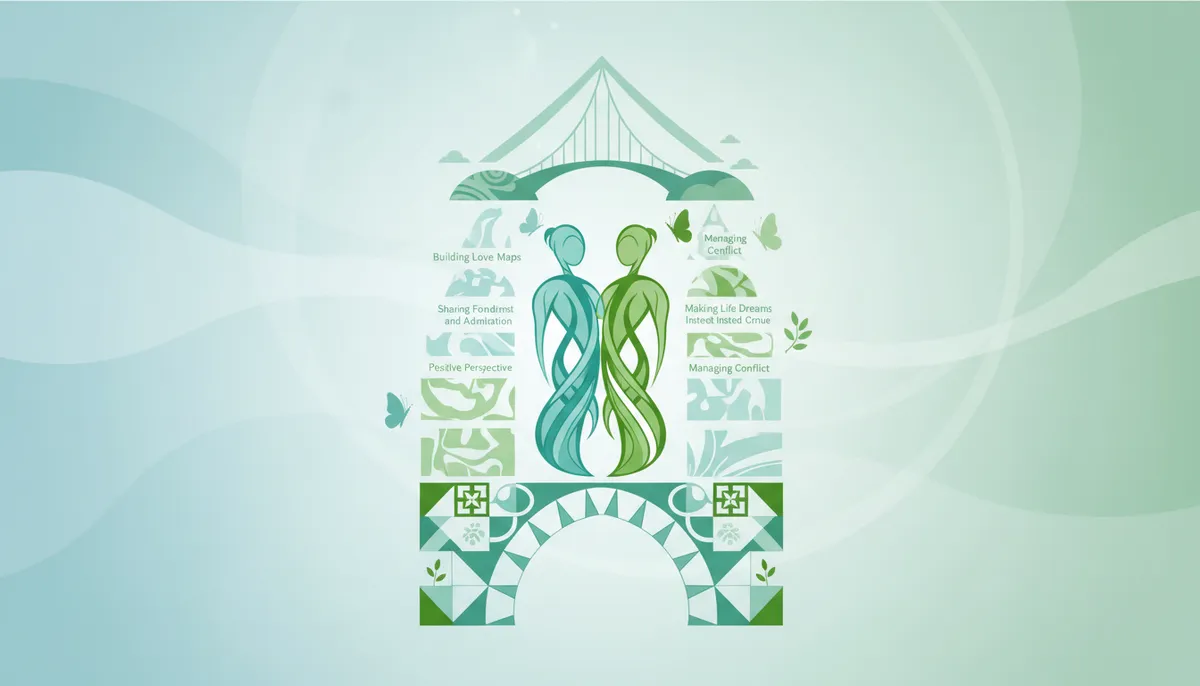
At the heart of this method is the Sound Relationship House Theory, which represents nine components of healthy relationships as levels of a house. Just like a real house needs a strong foundation and sturdy walls, your relationship needs specific elements to remain stable and fulfilling. The method focuses on three main areas: building friendship and intimacy, managing conflict in healthy ways, and creating shared meaning together. These aren’t complicated concepts, but they do require practice and commitment from both partners.
What’s particularly powerful about the Gottman Method is that it recognizes conflict isn’t the enemy of good relationships. Every couple argues. The difference between happy couples and unhappy ones isn’t whether they fight, but how they fight and how they repair after disagreements. If you’re interested in learning more about how therapy can help strengthen your relationship, Couples Therapy offers a supportive environment to work through these challenges.

The Four Horsemen: Relationship Patterns to Avoid
One of Dr. Gottman’s most famous discoveries is what he calls the “Four Horsemen of the Apocalypse.” These are four communication patterns that predict relationship failure if left unchecked. Understanding these patterns is crucial because once you can spot them, you can work to change them.
Criticism Versus Complaints
The first horseman is criticism. This is different from a complaint. A complaint addresses a specific behavior (“I felt hurt when you didn’t call to say you’d be late”), while criticism attacks your partner’s character (“You’re so selfish and inconsiderate”). Criticism makes your partner feel attacked and defensive, shutting down productive conversation. The antidote is to use gentle startup techniques and express your needs without blame.
Contempt: The Most Destructive Pattern
Contempt is the most dangerous of the four horsemen. It involves treating your partner with disrespect through sarcasm, mockery, name-calling, or hostile humor. Eye-rolling, sneering, and cynical statements all communicate disgust and superiority. Research shows contempt is the single greatest predictor of divorce. The antidote involves building a culture of appreciation and respect, actively looking for things to admire about your partner rather than focusing on their flaws.
Defensiveness and Stonewalling
The third horseman is defensiveness, which typically shows up as a response to criticism. When you make excuses, deny responsibility, or counter-complain, you’re being defensive. This prevents you from hearing your partner’s concerns. The fourth horseman is stonewalling, when one partner withdraws from the conversation entirely, shutting down emotionally. This often happens when someone feels overwhelmed. The antidotes involve taking responsibility for your part in problems and learning to self-soothe when you’re flooded with emotion.
Building Your Friendship: The Foundation Layer
The Gottman Method emphasizes that successful relationships are built on strong friendships. This means really knowing your partner, not just coexisting with them. The bottom three levels of the Sound Relationship House focus on friendship fundamentals that keep couples connected.
Here are the key components of building friendship in your relationship:
- Build Love Maps: Know your partner’s inner world, including their worries, dreams, and daily experiences
- Share Fondness and Admiration: Regularly express appreciation and respect for each other
- Turn Toward Instead of Away: Respond to your partner’s small bids for connection throughout the day
- Make Positive Perspective a Habit: Choose to see your partner’s actions in the best possible light
- Create Rituals of Connection: Establish regular times to connect, like morning coffee together or evening check-ins
These might seem simple, but they’re powerful. Research shows that couples need five times more positive interactions than negative ones to maintain relationship health. That’s a 5:1 ratio. Every small moment of connection, every kind word, every gentle touch adds to your positive account. When you’re going through difficult times, having a strong friendship foundation gives you something to fall back on.
Margaret Deuerlein at West Florida Therapy understands how challenging it can be to maintain these positive connections when life gets stressful. As a caring psychotherapist, she helps couples identify their unique patterns and rebuild the friendship that brought them together in the first place.
Managing Conflict Constructively
The Gottman Method recognizes that 69% of relationship conflicts are perpetual, meaning they never fully go away. These are differences in personality, lifestyle preferences, or core values that you’ll navigate throughout your relationship. The goal isn’t to solve every problem, but to manage disagreements without damaging your connection.
Solvable Problems Versus Perpetual Issues
First, you need to identify whether a conflict is solvable or perpetual. Solvable problems are situational and specific (“We need to decide whose family to visit for the holidays”). Perpetual problems involve fundamental differences (“I’m an introvert who needs quiet time and you’re an extrovert who loves hosting parties”). Each type requires different approaches.
For solvable problems, the Gottman Method teaches a structured approach:
- Start conversations gently without criticism or contempt
- Make and receive repair attempts when things get heated
- Self-soothe when you’re feeling overwhelmed
- Compromise and find solutions that work for both partners
- Process any emotional injuries that occurred during the conflict
For perpetual problems, the focus shifts to dialogue and understanding rather than resolution. You learn to accept your partner’s influence, find common ground, and establish temporary compromises that honor both people’s needs. The goal is to keep the problem from overwhelming your relationship.
The Art of Repair
One of the most important skills in the Gottman Method is making repair attempts. These are the things you say or do during an argument to prevent negativity from spiraling out of control. A repair attempt might be humor (“Okay, we’re really getting worked up over whose turn it is to take out the trash”), taking responsibility (“You’re right, I should have checked with you first”), or calling for a break (“I need a few minutes to calm down”).
Happy couples aren’t perfect at avoiding conflict. They’re just better at repairing when things go wrong. They notice when their partner extends an olive branch and they accept it. In struggling relationships, repair attempts often get ignored or rejected, letting conflicts escalate unnecessarily. Learning to both make and receive repairs can transform your arguments. Understanding how to work through these patterns is where professional support can make a real difference, which is why Relationship Problems shouldn’t be ignored or left to worsen over time.
Creating Shared Meaning and Dreams
The top level of the Sound Relationship House is about creating shared meaning. This involves developing a shared sense of purpose, values, and dreams for your life together. It’s about building a culture that’s uniquely yours as a couple.
Shared meaning includes several elements:
- Rituals of connection that give your relationship structure and meaning
- Shared goals and values that guide your decisions together
- Support for each other’s life dreams and aspirations
- A sense of purpose that goes beyond the daily routine
- Symbols and stories that represent who you are as a couple
- Roles that feel fair and aligned with your values
This level is about asking deeper questions: What does family mean to us? What legacy do we want to create? How do we want to spend our time and energy? Supporting each other’s dreams doesn’t mean you both have to have the same dreams. It means you honor what matters to each other and find ways to help your partner move toward their goals.
Many couples never take time to talk about these bigger questions. They get caught up in daily logistics and lose sight of the bigger picture. The Gottman Method creates space for these conversations, helping you build a relationship that feels meaningful and purposeful, not just functional.
The Role of Intimacy and Positive Perspective
Physical and emotional intimacy are woven throughout the Sound Relationship House. The Gottman Method recognizes that intimacy isn’t just about physical closeness. It’s about feeling safe to be vulnerable, knowing your partner sees the best in you, and maintaining connection even during stressful times.
Positive perspective means giving your partner the benefit of the doubt. When they’re late, you assume they got stuck in traffic rather than assuming they don’t respect your time. When they forget something, you see it as a simple mistake rather than evidence they don’t care. This doesn’t mean ignoring real problems. It means approaching problems from a place of goodwill rather than suspicion.
Research shows that maintaining positive perspective is crucial for relationship satisfaction. When you view your partner through a negative lens, even neutral or positive behaviors get interpreted negatively. When you maintain positive perspective, you’re more resilient during conflicts and quicker to repair after disagreements. Building and maintaining Intimacy requires both emotional safety and physical connection working together.
What to Expect in Gottman Method Therapy
If you’re considering Gottman Method therapy, knowing what to expect can help you feel more prepared. The process typically follows a structured format designed to assess your relationship and create targeted interventions.
The therapy process usually includes these steps:
- Initial assessment where you complete questionnaires about your relationship
- Individual sessions to understand each partner’s perspective
- Feedback session where your therapist shares findings and creates a treatment plan
- Regular therapy sessions focused on specific skills and interventions
- Practice exercises to complete between sessions
- Periodic reassessment to track progress and adjust the treatment plan
The Gottman Method is highly structured compared to some other therapy approaches. You’ll learn specific techniques and complete homework exercises. This isn’t just talking about your feelings. It’s actively learning new skills and practicing them until they become natural. Some couples see significant improvements in just a few months, while others benefit from longer-term work, especially if they’re dealing with complex issues like betrayal or longstanding patterns.
Margaret Deuerlein at West Florida Therapy provides a warm and supportive environment where couples can explore these methods at their own pace. Her caring approach helps partners feel safe enough to be vulnerable while learning practical skills they can use immediately.
Real-World Applications and Success Rates
The Gottman Method isn’t just theory. It’s been tested in real-world settings with measurable results. The Art and Science of Love workshop, a condensed version of the method, has produced positive results for 94% of attendees. That’s a remarkable success rate. Even more impressive, this two-day workshop format achieves results similar to six months of traditional therapy.
| Intervention Type | Duration | Success Rate | Key Benefits |
|---|---|---|---|
| Art and Science of Love Workshop | 2 days | 94% | Intensive learning, immediate skills |
| Standard Gottman Therapy | 3-6 months | High satisfaction | Personalized approach, ongoing support |
| Marathon Couples Therapy | 2 days intensive | Significant improvement | Deep dive, rapid progress |
The method has been shown to help with a wide range of relationship issues, including communication problems, frequent conflicts, emotional distance, trust issues, and intimacy concerns. It’s effective for couples at different stages, from newlyweds wanting to start strong to long-term partners working to revive their connection. According to the Mental Health Resources provided by the CDC, addressing relationship stress is an important component of overall mental health and wellbeing.
What makes the Gottman Method particularly effective is its combination of research-based insights and practical tools. You’re not just learning why your relationship struggles. You’re learning exactly what to do differently. The exercises are concrete and actionable. You practice them in therapy and then use them at home. Over time, these new patterns replace the old destructive ones.
Finding the Right Support for Your Relationship
Learning about the Gottman Method is a great first step, but reading about it isn’t the same as experiencing it with a trained therapist. A certified Gottman therapist can assess your specific situation, identify your unique patterns, and guide you through the interventions that will help most.
When looking for a therapist, consider these important factors:
- Training and certification in the Gottman Method
- Experience working with issues similar to yours
- Accessibility of location or virtual options
- Compatibility with your communication style and values
- Ability to provide services in your preferred language
- Scheduling flexibility that works for both partners
West Florida Therapy offers both in-person and virtual sessions throughout Florida, making it easier for couples to access quality care regardless of their location. Services are available in both English and Spanish, ensuring that language barriers don’t prevent you from getting the help you need. Having Mental Health support that’s accessible and culturally responsive makes a real difference in therapy outcomes.
Don’t wait until your relationship is in crisis to seek help. The Gottman Method works best when couples engage with it proactively, building skills before problems become overwhelming. Whether you’re dealing with Anxiety Treatment individually or working through relationship challenges together, professional support can provide the structure and guidance you need to create lasting change.
Taking the First Step Toward a Stronger Relationship
Understanding the Gottman Method is just the beginning. The real transformation happens when you put these principles into practice. It takes courage to look honestly at your relationship patterns, acknowledge what isn’t working, and commit to making changes. But the payoff is enormous. Imagine having the tools to navigate conflicts without fear, feeling genuinely connected to your partner, and building a relationship that gets stronger over time rather than gradually deteriorating.
The research is clear: relationships can change. Patterns that have persisted for years can shift with the right approach and commitment. The Gottman Method provides a roadmap based on what actually works for real couples, not just theories about what should work. You don’t have to figure this out alone. Professional guidance can help you understand your specific challenges and learn the skills that will make the biggest difference for your relationship.
If you’re ready to invest in your relationship and create the partnership you’ve always wanted, reach out for support. Margaret Deuerlein at West Florida Therapy brings warmth, expertise, and genuine care to helping couples transform their relationships. With offices providing in-person sessions and virtual options available throughout Florida, getting help is easier than you might think. For more information and resources about mental health services in Florida, visit the Mental Health Links provided by the Florida Department of Health.
Your relationship deserves the same attention and care you give to other important areas of your life. Don’t let another year pass stuck in the same patterns. Get in touch with our team today to learn more about how the Gottman Method can help you build the strong, connected relationship you both deserve. You can also visit us on Google to see what other couples have experienced through therapy. Taking this first step might feel vulnerable, but it’s also an act of hope and commitment to your future together.
FAQs
Q: What makes the Gottman Method different from other couples therapy approaches?
A: The Gottman Method stands out because it’s based on over 50 years of scientific research studying thousands of real couples. Unlike approaches based mainly on theory, this method uses proven techniques that predict relationship success with over 90% accuracy. It provides specific, practical tools you can use immediately rather than just talking about feelings.
Q: How long does it take to see results with the Gottman Method?
A: Many couples notice improvements within the first few sessions as they learn new communication tools and start recognizing destructive patterns. Significant transformation typically happens within three to six months of consistent therapy and practice. The intensive workshop format can even produce results similar to six months of therapy in just two days.
Q: Can the Gottman Method help if only one partner is willing to try?
A: While the method works best when both partners participate, even one person making changes can shift relationship dynamics positively. A therapist can work with the willing partner to improve their communication skills and responses, which often encourages the other partner to engage. However, lasting transformation requires both people’s commitment to the process.
Q: What are the Four Horsemen and why are they so important?
A: The Four Horsemen are criticism, contempt, defensiveness, and stonewalling—four communication patterns that predict relationship failure. They’re important because recognizing these patterns is the first step to changing them. The Gottman Method teaches specific antidotes to each horseman, helping couples replace destructive patterns with healthy communication.
Q: Is the Gottman Method only for couples in crisis?
A: Absolutely not! The Gottman Method works wonderfully for couples at any stage, including newlyweds wanting to build a strong foundation and happy couples wanting to deepen their connection. In fact, learning these skills before major problems develop can prevent future crises and help you maintain a thriving relationship long-term.