Key Takeaways
-
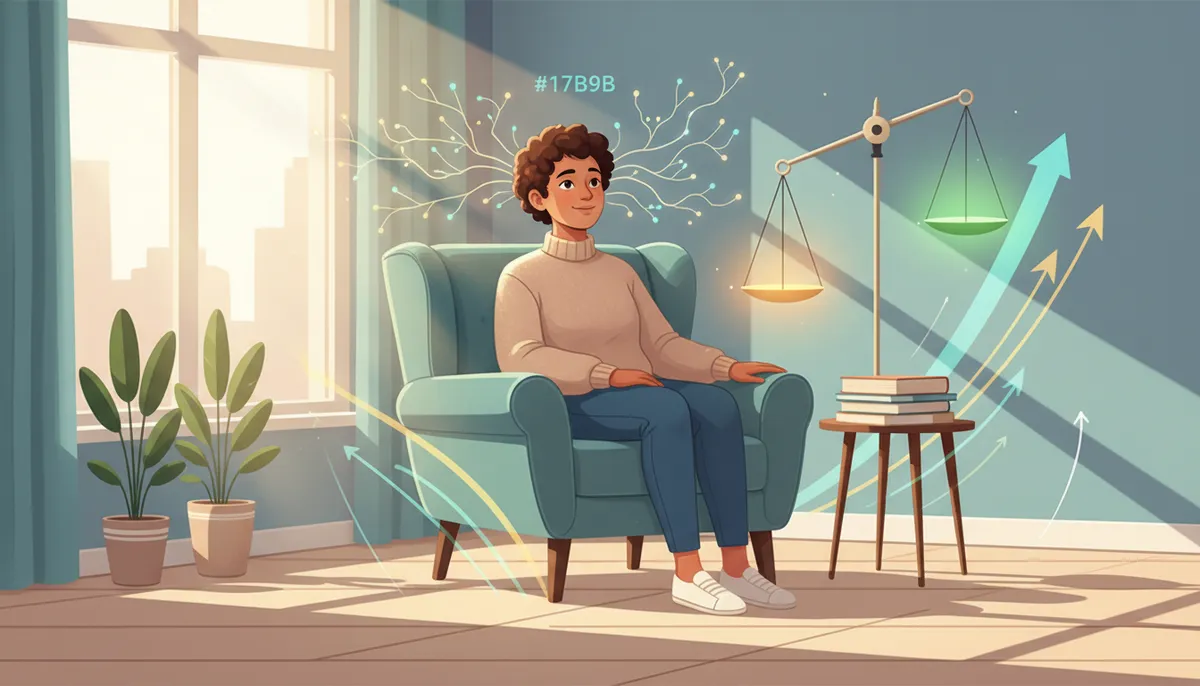
Modern depression treatment in 2026 emphasizes personalized, integrated approaches combining therapy, medication, and advanced interventions for comprehensive healing.
-
Cognitive Behavioral Therapy (CBT) remains highly effective, helping patients recognize and change negative thought patterns within 12-20 sessions.
-
Medication management works best when combined with psychotherapy, addressing both biological and psychological aspects of depression.
-
Advanced treatments like Transcranial Magnetic Stimulation (TMS) offer hope for treatment-resistant depression, with over 82% effectiveness rates.
-
Trauma-informed care recognizes underlying traumatic experiences as key contributors to depressive symptoms, providing more holistic treatment.
-
Spravato (esketamine) provides rapid-acting depression relief, with many patients experiencing significant improvement within hours.
-
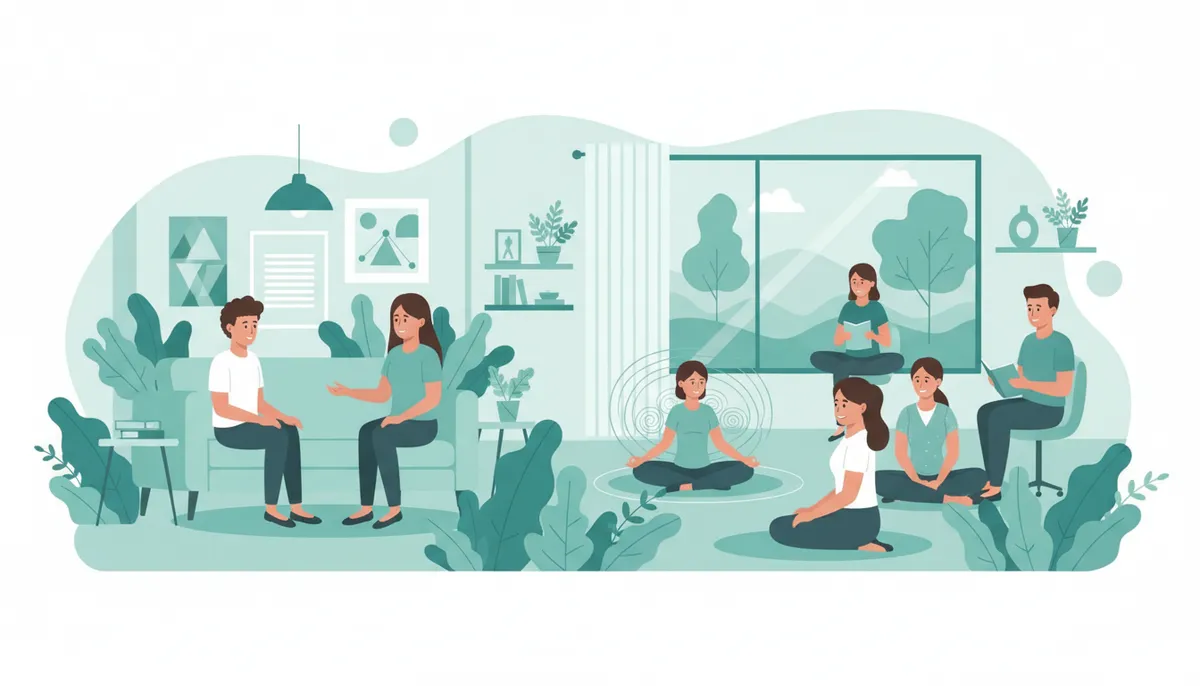
Integrated care models combine individual therapy, medication, group support, and lifestyle interventions for more comprehensive mental health treatment.
Finding the right depression treatment near you can feel overwhelming, especially when you’re already struggling with the weight of depressive symptoms. Whether you’re experiencing persistent sadness, loss of interest in activities you once enjoyed, or difficulty getting through daily tasks, knowing that effective help is available locally can provide hope. In 2026, depression treatment has evolved significantly, offering a range of evidence-based approaches from traditional therapy and medication to innovative options like rapid-acting treatments and brain stimulation therapies. The good news is that many of these treatments are accessible right in your community, with providers who understand the unique challenges you’re facing.
Depression affects millions of people across Florida and the United States, but it’s important to remember that you’re not alone and recovery is possible. Local mental health services like West Florida Therapy offer comprehensive approaches to treating depression, whether you prefer in-person sessions or virtual appointments. Understanding your options is the first step toward feeling better, and this guide will walk you through the most effective depression treatments available near you in 2026.
The landscape of depression treatment has expanded dramatically, giving you more choices than ever before. From traditional psychotherapy approaches to cutting-edge interventions, finding the right fit for your specific needs is crucial for successful recovery. Let’s explore what’s available in your area and how you can access the care you deserve.
Understanding Modern Depression Treatment Approaches
Depression treatment in 2026 takes a comprehensive, personalized approach that recognizes everyone’s experience is different. The most effective treatments combine multiple strategies tailored to your specific symptoms, lifestyle, and preferences. Modern mental health care emphasizes finding the right combination of therapies rather than relying on a one-size-fits-all solution.
Today’s depression treatment options fall into several main categories:
- Psychotherapy (talk therapy) – Evidence-based approaches like Cognitive Behavioral Therapy (CBT), Dialectical Behavior Therapy (DBT), and Eye Movement Desensitization and Reprocessing (EMDR)
- Medication management – Antidepressants prescribed and monitored by psychiatrists or primary care physicians
- Brain stimulation therapies – Advanced treatments like Transcranial Magnetic Stimulation (TMS) for treatment-resistant cases
- Rapid-acting interventions – Newer options like Spravato (esketamine) that provide faster relief
- Integrated care models – Combining therapy, medication, group work, and family involvement for comprehensive healing
- Lifestyle and complementary approaches – Exercise, nutrition, mindfulness, and somatic practices that support overall mental wellness
Research consistently shows that combination therapy – using both medication and psychotherapy together – is more effective than either approach alone, especially for moderate to severe depression. This integrated approach addresses both the biological and psychological aspects of depression, giving you the best chance for lasting recovery.
The key to successful treatment is finding a provider who will conduct a thorough evaluation, understand your unique situation, and work with you to develop a personalized treatment plan. Local mental health services can provide comprehensive psychiatric evaluations to determine which approaches will work best for you.
Traditional Therapy Options Available Locally
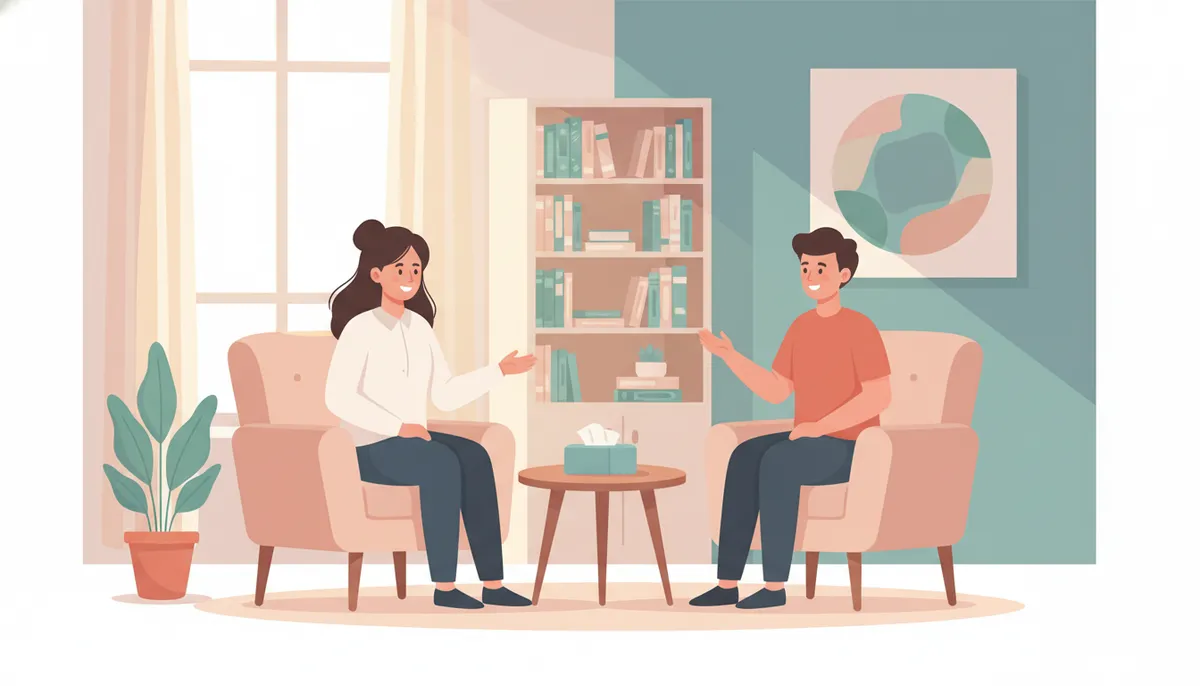
Psychotherapy remains one of the most effective treatments for depression, with decades of research supporting its benefits. When you search for therapy near you, you’ll find several evidence-based approaches that have proven particularly helpful for depressive symptoms. These therapies work by helping you identify and change negative thought patterns, develop coping skills, and process underlying emotional pain.
Cognitive Behavioral Therapy (CBT)
CBT is one of the most widely researched and effective treatments for depression. This structured approach helps you recognize how your thoughts, feelings, and behaviors are connected. Through CBT, you’ll learn to identify negative thinking patterns that contribute to depression and replace them with more balanced, realistic thoughts. Most people see significant improvement within 12 to 20 sessions, making it a relatively short-term treatment option.
Local therapists trained in CBT can help you develop practical skills for managing depressive symptoms in your daily life. The techniques you learn become tools you can use long after therapy ends, reducing the risk of future depressive episodes.
Dialectical Behavior Therapy (DBT)
DBT combines cognitive-behavioral techniques with mindfulness practices and emotional regulation skills. Originally developed for individuals with intense emotional experiences, DBT has proven highly effective for depression, especially when combined with anxiety or trauma. This approach teaches four core skill sets:
- Mindfulness – Learning to stay present and aware without judgment
- Distress tolerance – Developing healthy ways to cope with difficult emotions
- Emotion regulation – Understanding and managing intense feelings
- Interpersonal effectiveness – Improving relationships and communication
Many local therapists offer individual DBT sessions, and some practices provide group skills training for additional support and practice.
EMDR for Depression with Trauma
Eye Movement Desensitization and Reprocessing (EMDR) is particularly helpful when depression stems from traumatic experiences or distressing memories. This therapy uses bilateral stimulation (like eye movements) to help your brain process and integrate difficult experiences. While originally developed for trauma, EMDR has shown promising results for depression, especially when past experiences contribute to current symptoms.
Finding a qualified psychotherapist who specializes in EMDR can be particularly valuable if you’ve experienced trauma or have memories that seem to fuel your depressive symptoms.
Medication Management and Psychiatric Support
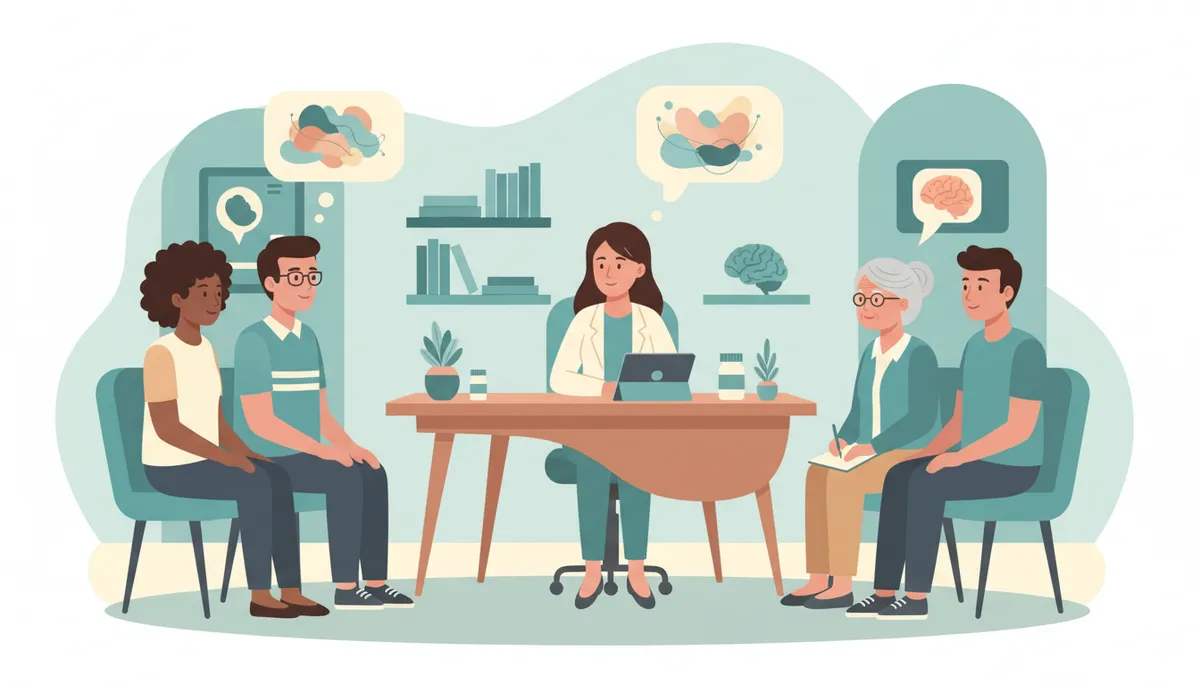
Antidepressant medications can be a vital component of depression treatment, especially for moderate to severe symptoms. These medications work by balancing brain chemistry, particularly neurotransmitters like serotonin, norepinephrine, and dopamine that affect mood regulation. While medication alone may not be sufficient for everyone, it can provide crucial relief that makes therapy and other interventions more effective.
Common types of antidepressants prescribed near you include:
- Selective Serotonin Reuptake Inhibitors (SSRIs) – Often the first choice due to their effectiveness and manageable side effects
- Serotonin-Norepinephrine Reuptake Inhibitors (SNRIs) – Helpful for depression with pain or anxiety symptoms
- Atypical antidepressants – Various mechanisms for those who don’t respond to SSRIs or SNRIs
- Tricyclic antidepressants – Older medications still effective for certain cases
- MAO inhibitors – Reserved for treatment-resistant depression due to dietary restrictions
Working with a psychiatrist or trained medical provider ensures proper medication selection, dosing, and monitoring. Most antidepressants take 4 to 6 weeks to show full effects, and finding the right medication may require some trial and adjustment. Your local provider will work closely with you to monitor progress and make necessary changes.
It’s important to note that medication works best when combined with therapy. Research shows that people receiving both medication and psychotherapy have better outcomes than those using either treatment alone. This comprehensive approach addresses both the biological and psychological aspects of depression.
Advanced Treatment Options for Resistant Depression
When standard treatments haven’t provided adequate relief, advanced options are available locally for what’s called treatment-resistant depression (TRD). TRD is defined as depression that hasn’t improved after trying at least two different antidepressant medications at adequate doses and duration. If you’ve been struggling despite trying multiple treatments, these advanced options may offer new hope.
Transcranial Magnetic Stimulation (TMS)
TMS is a non-invasive brain stimulation therapy that uses magnetic pulses to stimulate specific areas of the brain involved in mood regulation. This FDA-approved treatment has shown remarkable success rates, with Deep TMS achieving over 82% effectiveness for moderate to severe depression. The procedure is painless, performed in an outpatient setting, and doesn’t require anesthesia.
Key benefits of TMS include:
- High success rates – Effective for many people who haven’t responded to medications
- No systemic side effects – Unlike medications, TMS doesn’t affect your whole body
- Insurance coverage – Most major insurers cover TMS after two failed medication trials
- Convenient treatment – Sessions last about 30 minutes with no recovery time needed
A typical TMS course involves daily sessions for several weeks. Many patients report significant improvement in their depressive symptoms, and the benefits can be long-lasting.
Spravato (Esketamine) Treatment
Spravato represents a breakthrough in rapid-acting depression treatment. Approved by the FDA in recent years, this nasal spray medication works differently than traditional antidepressants by targeting the glutamate system in the brain rather than serotonin. The results can be remarkable – many patients experience relief within hours rather than weeks.
Important facts about Spravato:
- 60-70% of patients report significant benefits, with many achieving remission
- Treatment is administered in a medical office with monitoring for about two hours
- Most major insurance plans cover Spravato, with many patients paying $10 or less in copays
- Requires previous trial of traditional antidepressants
- Typically combined with an oral antidepressant for best results
If you’ve been struggling with treatment-resistant depression, discussing Spravato with your local psychiatrist could open new possibilities for relief. The rapid response time can be particularly valuable when you need faster symptom improvement.
Electroconvulsive Therapy (ECT)
While ECT has evolved significantly from its historical portrayal, it remains one of the most effective treatments for severe, treatment-resistant depression. Modern ECT is performed under anesthesia, is much safer than in the past, and can be life-saving for people with severe symptoms or suicidal thoughts. It’s typically reserved for situations where other treatments haven’t worked or when rapid improvement is medically necessary.
Integrated Care Models for Comprehensive Healing
The most effective depression treatment in 2026 uses integrated care models that combine multiple approaches for comprehensive healing. Rather than relying solely on one treatment method, integrated care recognizes that depression affects many aspects of your life and requires a multifaceted response. Local mental health services increasingly offer these comprehensive programs.
Components of integrated care typically include:
| Treatment Component | Purpose | Benefits |
|---|---|---|
| Individual Therapy | One-on-one work with a therapist | Personalized attention, processing deep issues, developing coping skills |
| Medication Management | Psychiatric evaluation and medication support | Biological symptom relief, improved daily functioning |
| Group Therapy | Shared experiences with others facing depression | Reduced isolation, peer support, learning from others |
| Family Involvement | Education and support for loved ones | Improved relationships, better home support system |
| Somatic Practices | Body-based healing like yoga or movement therapy | Stress reduction, mind-body connection, trauma release |
| Skills Training | Learning practical coping and life skills | Better emotional regulation, improved problem-solving |
This comprehensive approach recognizes that depression often coexists with other conditions like anxiety, trauma, or relationship problems. By addressing multiple areas simultaneously, integrated care provides more complete healing. West Florida Therapy offers this type of comprehensive approach, tailoring treatment to your specific needs and circumstances.
Data-informed care is another hallmark of modern integrated treatment. Providers use regular assessments and outcome measures to track your progress and adjust treatment as needed. This evidence-based approach ensures you’re getting the most effective interventions for your situation.
Trauma-Informed Care and Depression Treatment
One of the most significant trends in depression treatment for 2026 is the recognition that trauma often underlies or contributes to depressive symptoms. Trauma-informed care has become the standard approach, acknowledging that many people seeking depression treatment have experienced adverse life events that impact their mental health.
Trauma-informed approaches differ from traditional treatment in several ways:
- Safety first – Creating a safe, non-threatening environment where you feel secure
- Understanding triggers – Recognizing how past experiences affect current symptoms
- Empowerment focus – Putting you in control of your healing journey
- Whole-person perspective – Addressing physical, emotional, and relational aspects of trauma
- Cultural sensitivity – Respecting your background, identity, and experiences
If you’ve experienced childhood adversity, relationship violence, loss, or other traumatic events, finding a provider who uses trauma-informed approaches can make a significant difference in your healing. These approaches recognize that symptoms like depression, anxiety, and difficulty trusting others often stem from survival responses to past experiences.
Local therapists specializing in trauma therapy can help you process difficult experiences while building the skills needed to manage depressive symptoms. This combination of trauma work and depression treatment often leads to deeper, more lasting healing than addressing depression symptoms alone.
Finding the Right Provider Near You
Choosing the right mental health provider is one of the most important decisions in your recovery journey. The therapeutic relationship itself is a powerful healing factor, with research showing that the quality of the connection between you and your therapist significantly impacts treatment outcomes. When searching for depression treatment near you, consider these factors:
Credentials and Specialization
Look for licensed mental health professionals with specific training in depression treatment. This includes licensed clinical social workers (LCSWs), licensed mental health counselors (LMHCs), psychologists, and psychiatrists. Verify that they have experience with the type of depression you’re experiencing and are familiar with evidence-based treatments.
Treatment Approach and Philosophy
Different therapists use different approaches. Some focus primarily on CBT, while others integrate multiple modalities. During an initial consultation, ask about their treatment philosophy and how they typically work with depression. Make sure their approach feels like a good fit for your preferences and needs.
Practical Considerations
Consider practical factors that affect your ability to attend and benefit from treatment:
- Location and accessibility – Is the office easy to reach? Is parking available?
- Virtual options – Do they offer telehealth for times when in-person isn’t possible?
- Language services – If English isn’t your first language, can they provide services in Spanish or your preferred language?
- Insurance and payment – Do they accept your insurance? What are the out-of-pocket costs?
- Availability – Can they accommodate your schedule? What’s the wait time for an appointment?
- Emergency support – What happens if you’re in crisis between sessions?
Cultural Competence and Personal Fit
Finding a therapist who understands your cultural background, values, and life experiences is crucial. You should feel comfortable being yourself and sharing openly. Trust your instincts about whether someone feels like the right fit – it’s okay to meet with multiple therapists before deciding.
For Spanish-speaking individuals or those who prefer bilingual services, finding a provider who offers services in your preferred language can significantly enhance the therapeutic experience and outcomes. Clear communication is essential for effective treatment.
Insurance Coverage and Financial Considerations
Understanding the financial aspects of depression treatment helps you access the care you need without unnecessary stress. In 2026, mental health parity laws require insurance companies to cover mental health services at the same level as physical health services, making treatment more accessible than ever before.
Here’s what you need to know about coverage:
| Service Type | Typical Coverage | What to Verify |
|---|---|---|
| Outpatient Therapy | Most plans cover individual therapy sessions | Copay amount, session limits, pre-authorization requirements |
| Psychiatric Evaluation | Usually covered with specialist copay | Whether provider is in-network, referral needs |
| Medication | Covered under prescription benefits | Formulary tiers, generic vs. brand coverage |
| TMS Therapy | Covered after 2+ failed medication trials | Pre-authorization process, medical necessity documentation |
| Spravato Treatment | Covered by most major insurers | Prior authorization, required monitoring, copay amount |
Many people are surprised to learn that advanced treatments like TMS and Spravato are often covered when medically necessary, with some patients paying minimal copays. It’s worth calling your insurance company to understand your specific mental health benefits.
If you don’t have insurance or your coverage is limited, ask providers about:
- Sliding scale fees based on income
- Payment plans for treatment costs
- Community mental health centers that offer reduced-cost services
- Employee Assistance Programs (EAPs) through your workplace
- Online therapy platforms with lower fees
Don’t let financial concerns prevent you from seeking help. Many providers work with patients to find affordable solutions, and the cost of untreated depression – in terms of lost productivity, relationships, and quality of life – is far greater than the cost of treatment.
What to Expect During Your First Appointment
Understanding what happens during your initial appointment can reduce anxiety about starting treatment. The first session, often called an intake or evaluation, focuses on gathering information and beginning to build a therapeutic relationship. Here’s what typically happens:
Initial Assessment
Your provider will ask detailed questions about your current symptoms, how long you’ve been experiencing them, and how they affect your daily life. They’ll want to know about:
- Depression symptoms – Mood changes, sleep patterns, appetite, energy levels, concentration
- Mental health history – Previous treatment, medications tried, family history
- Life circumstances – Recent stressors, relationship issues, work or school challenges
- Physical health – Medical conditions, medications, substance use
- Safety concerns – Thoughts of self-harm or suicide (asked to ensure your safety)
Collaborative Treatment Planning
Based on the assessment, your provider will discuss treatment recommendations and develop an initial plan together with you. This might include therapy frequency, potential medication evaluation, or referrals for additional services. Good providers involve you in decisions and explain the rationale for their recommendations.
You’ll also discuss practical details like scheduling, how to handle emergencies, and what to do if you need to cancel or reschedule appointments. Many therapists offer both in-person and virtual options, giving you flexibility in how you receive care.
Setting Goals and Expectations
Your first session includes discussing what you hope to achieve through treatment. These goals might include reducing depressive symptoms, improving relationships, returning to work or school, or developing better coping skills. Having clear goals helps track progress and keeps treatment focused on what matters most to you.
Remember that the first appointment is also your opportunity to assess whether this provider feels like a good fit. It’s completely appropriate to ask questions about their experience, treatment approach, and what you can expect as you work together.
Supporting Your Recovery Journey
While professional treatment is crucial for depression recovery, there are many things you can do to support your healing between therapy sessions. These self-care practices enhance the effectiveness of treatment and help you develop long-term resilience against future depressive episodes.
Lifestyle Factors That Impact Depression
Research consistently shows that certain lifestyle factors significantly affect depression symptoms:
- Regular exercise – Physical activity has antidepressant effects comparable to medication for mild to moderate depression
- Sleep hygiene – Consistent sleep schedule, adequate rest, and addressing sleep problems
- Nutrition – Eating regular, balanced meals and staying hydrated
- Social connection – Maintaining relationships even when you don’t feel like it
- Routine and structure – Keeping regular schedules for meals, sleep, and activities
- Limiting alcohol and avoiding substances – These can worsen depression and interfere with treatment
Your therapist can help you develop realistic goals in these areas without overwhelming you. Small changes, consistently applied, add up to significant improvements over time.
Building Your Support System
Recovery is easier when you have people supporting you. This might include family, friends, support groups, or faith communities. Let trusted people know you’re in treatment and what kind of support would be helpful. Sometimes just having someone to check in with regularly makes a difference.
Support groups specifically for depression can be valuable, providing connection with others who understand what you’re going through. Many communities offer free peer support groups, and online options are increasingly available for those who can’t attend in person.
Tracking Progress and Celebrating Small Wins
Depression can make it hard to notice improvement. Keeping a simple mood journal or using a tracking app helps you see patterns and progress over time. Celebrate small victories – getting out of bed on a difficult day, attending a therapy session, trying a new coping skill – these all represent significant steps forward.
Remember that recovery isn’t linear. You’ll have better days and harder days, and that’s normal. What matters is the overall trend over weeks and months, not day-to-day fluctuations.
When to Seek Immediate Help
While working on depression treatment, it’s important to know when symptoms require immediate attention. If you experience any of the following, reach out for emergency support right away:
- Thoughts of suicide or self-harm
- Plans or means to harm yourself
- Feeling unable to keep yourself safe
- Severe worsening of symptoms
- Complete inability to function in daily life
Emergency resources include calling 988 (the Suicide and Crisis Lifeline), going to your nearest emergency room, or calling 911. These services are available 24/7 and can provide immediate support and safety planning.
It’s also important to communicate with your therapist if you’re experiencing worsening symptoms between sessions. Most providers have protocols for urgent situations and can often arrange additional support when needed. You can find helpful resources through the Florida Department of Health Mental Health Links.
The Path Forward: Hope and Healing
Finding effective depression treatment near you is an act of courage and self-care. While depression can feel overwhelming and endless, the reality is that treatment works. The vast majority of people who seek help experience significant improvement in their symptoms and quality of life. With the advances in treatment options available in 2026, there are more paths to recovery than ever before.
Whether you start with traditional therapy, explore medication options, or consider advanced treatments like TMS or Spravato, the most important step is reaching out for help. Local providers understand the challenges you’re facing and have the tools and expertise to guide you toward feeling better. Treatment success often comes from finding the right combination of approaches tailored to your unique situation.
Remember that seeking help isn’t a sign of weakness – it’s a sign of strength and wisdom. Depression is a medical condition, not a character flaw, and you deserve compassionate, effective care. The Florida Department of Children and Families Substance Abuse & Mental Health services can provide additional support and resources as you navigate your treatment options.
Your journey toward healing begins with a single step. Local mental health professionals are ready to walk alongside you, offering evidence-based treatments, support, and hope for a brighter future. Whether you’re dealing with anxiety treatment alongside depression, mood issues, or relationship problems that contribute to your symptoms, comprehensive care is available.
Margaret Deuerlein and the team at West Florida Therapy understand the complexity of depression and offer caring, personalized treatment approaches. With options for both in-person sessions and virtual appointments throughout Florida, plus bilingual services in English and Spanish, getting the help you need has never been more accessible. Don’t wait for depression to get worse – effective treatment is available right in your community.
The CDC’s Mental Health Resources offer additional information about depression and mental wellness. Take that first step today and reach out to schedule an appointment. Recovery is possible, and you don’t have to face depression alone. Check out what others are saying about their experiences and visit our Google Business Profile to learn more about how we can support your journey to wellness.
FAQs
Q: What is treatment-resistant depression and how is it treated?
A: Treatment-resistant depression (TRD) means your symptoms haven’t improved after trying at least two different antidepressant medications at proper doses and duration. If you’re experiencing TRD, don’t lose hope – advanced treatments like Transcranial Magnetic Stimulation (TMS), Spravato (esketamine), and electroconvulsive therapy (ECT) offer new possibilities. TMS has success rates over 82%, and Spravato works through a different brain pathway than traditional antidepressants, providing relief for 60-70% of patients. Your local psychiatrist can evaluate whether these options are right for you and help navigate insurance coverage.
Q: How long does depression treatment take to work?
A: The timeline varies depending on your treatment approach. Traditional antidepressants typically take 4 to 6 weeks to show full effects, though some improvement may occur earlier. Psychotherapy like CBT usually shows benefits within 8 to 12 weeks of consistent sessions. However, newer treatments like Spravato can provide relief within hours to days, which is remarkable for people who need faster symptom improvement. Most people see the best results by combining therapy and medication, giving you both immediate symptom relief and long-term coping skills. Your provider will work with you to monitor progress and adjust treatment as needed.
Q: Is therapy or medication better for treating depression?
A: Research shows that combination treatment – using both therapy and medication together – is more effective than either approach alone, especially for moderate to severe depression. Medication helps balance brain chemistry and reduce symptoms, while therapy addresses thought patterns, behaviors, and underlying issues contributing to depression. The best choice depends on your specific symptoms, preferences, and circumstances. Some people do well with therapy alone for mild depression, while others need medication to function well enough to benefit from therapy. A comprehensive evaluation by a local mental health provider can help determine what combination will work best for your situation.
Q: Does insurance cover advanced treatments like TMS and Spravato?
A: Yes, most major insurance plans cover both TMS and Spravato when medically necessary. For TMS, coverage typically requires documentation that you’ve tried at least two antidepressant medications without adequate improvement. Many insurance companies cover the full course of TMS treatment once pre-authorized. Spravato is also covered by most insurers, with many patients paying just $10 or less in copays. The key is proper documentation and pre-authorization from your psychiatrist. Don’t let cost concerns prevent you from exploring these options – your provider’s office can help navigate the insurance approval process and determine your out-of-pocket costs before starting treatment.
Q: How do I know if I need professional help for depression?
A: If depression symptoms are interfering with your daily life, lasting more than two weeks, or causing you significant distress, it’s time to seek professional help. Signs include persistent sadness, loss of interest in activities you used to enjoy, changes in sleep or appetite, difficulty concentrating, fatigue, feelings of worthlessness, or thoughts of self-harm. You don’t need to wait until things get severe – early intervention often leads to faster recovery. A professional evaluation can determine whether your symptoms meet criteria for clinical depression and what treatment approaches would be most helpful. Remember, seeking help is a sign of strength, not weakness, and effective treatment is available near you.