
Key Takeaways
-
Social anxiety involves intense fear of being judged in social situations, often causing individuals to avoid interactions and potential embarrassment.
-
Panic disorder features unexpected, severe physical attacks that can make people feel like they’re experiencing a medical emergency.
-
Both disorders are treatable through cognitive-behavioral therapy that helps individuals understand and reframe their anxious thought patterns.
-
Early intervention is crucial, as untreated anxiety can lead to increased isolation, avoidance behaviors, and potential development of additional mental health conditions.
-
Practicing deep breathing, challenging negative thoughts, and gradually exposing yourself to feared situations can help manage anxiety symptoms.
-
Professional therapy can provide personalized strategies to break the cycle of anxiety and help individuals regain control of their lives.
Have you ever felt your heart racing before giving a speech? Or worried so much about what others think that you avoid social situations? Maybe you’ve had a sudden wave of fear that made you feel like something terrible was happening? These feelings might sound similar, but they point to two different anxiety disorders: social anxiety disorder and panic disorder. While both can make daily life challenging, understanding how they differ is the first step toward getting help.
Social anxiety disorder and panic disorder both involve intense fear, but they show up in very different ways. Social anxiety centers around the fear of being judged or embarrassed in social settings, while panic disorder brings unexpected attacks of severe physical symptoms that feel like a medical emergency. Some people struggle with both at the same time, which can feel overwhelming. The good news is that both conditions are treatable with the right support.
At West Florida Therapy, Margaret Deuerlein understands how these anxiety disorders can affect every part of your life. Whether you’re avoiding parties because of social fears or living in dread of the next panic attack, you don’t have to face this alone. Let’s explore what makes these disorders unique and how you can find relief.
Understanding Social Anxiety Disorder
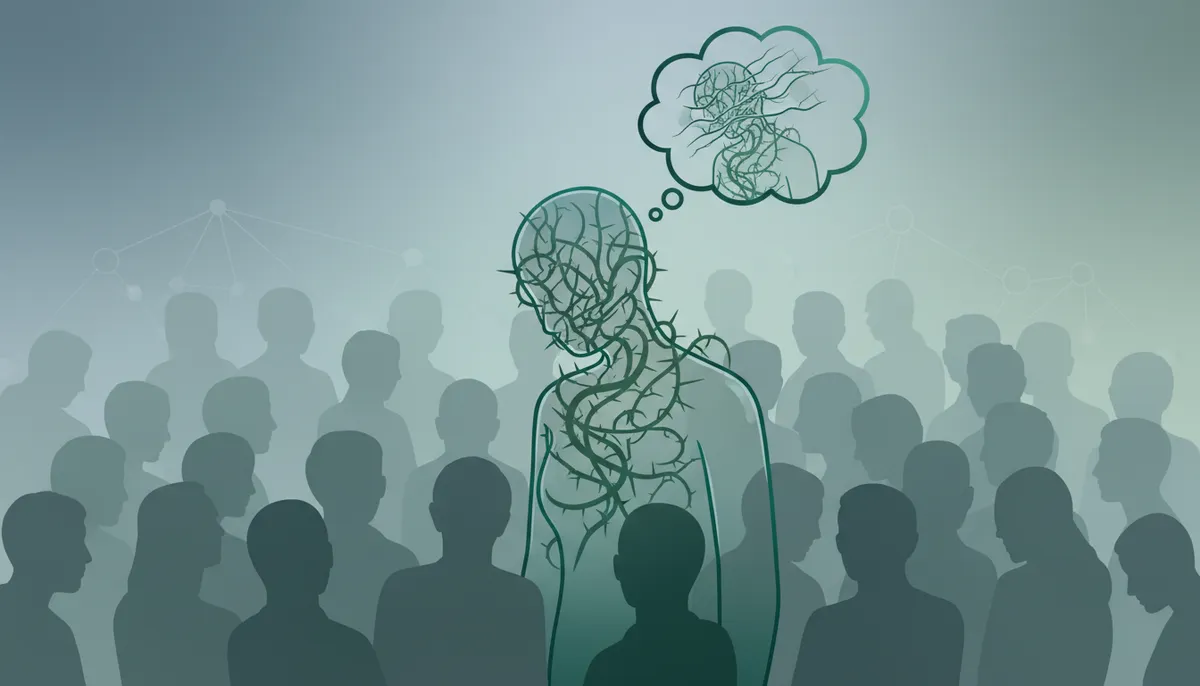
Social anxiety disorder is more than just being shy or nervous around new people. It’s an intense fear of social situations where you might be watched, judged, or embarrassed. People with this condition worry constantly about saying the wrong thing, looking foolish, or being rejected by others. This fear is so strong that it lasts for at least six months and gets in the way of normal activities.
Common situations that trigger social anxiety include public speaking, eating in front of others, attending parties, meeting new people, or even making phone calls. The fear isn’t about the situation itself but about what others might think. Someone with social anxiety often imagines the worst-case scenario, believing everyone is noticing their every mistake.
According to the CDC’s mental health resources, social anxiety affects millions of Americans and often starts in the teenage years. The constant worry leads many people to avoid social situations altogether, which can result in loneliness and isolation. This avoidance might bring temporary relief, but it actually makes the anxiety stronger over time.
Physical symptoms of social anxiety can include blushing, sweating, trembling, rapid heartbeat, nausea, and difficulty speaking. However, unlike panic attacks, these symptoms are tied directly to social performance situations. The person experiencing them knows exactly what’s causing the anxiety, even if the fear feels out of proportion to the actual situation.
What Is Panic Disorder?
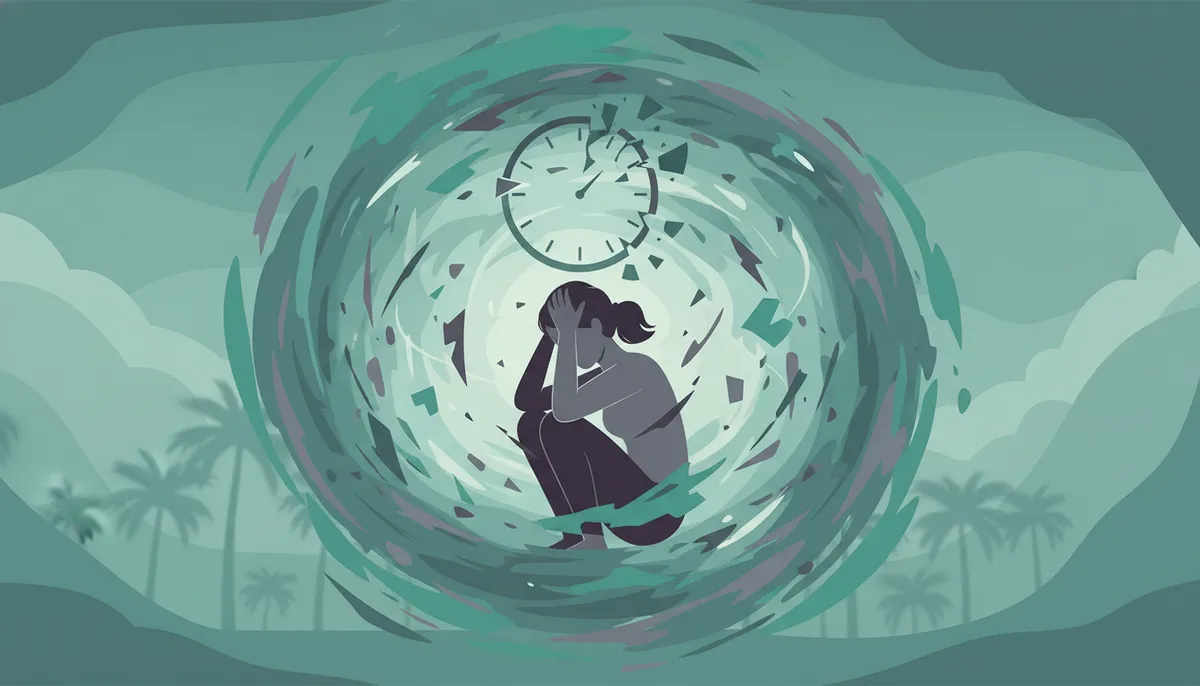
Panic disorder involves repeated, unexpected panic attacks that seem to come out of nowhere. A panic attack is a sudden surge of intense fear or discomfort that peaks within minutes. During an attack, you might experience symptoms like rapid heartbeat, chest pain, shortness of breath, dizziness, sweating, trembling, numbness, or a sense of impending doom.
What makes panic disorder especially frightening is that these attacks often happen without any clear trigger. You might be relaxing at home, driving your car, or shopping at the grocery store when an attack strikes. Because the physical symptoms are so severe, many people think they’re having a heart attack or dying. This fear can lead to multiple trips to the emergency room before the person realizes it’s anxiety, not a medical emergency.
The typical age when panic disorder begins is between 20 and 24 years old, though it can start at any age. After experiencing panic attacks, people often develop a constant fear of having another one. This “fear of fear” can be just as disabling as the attacks themselves. You might start avoiding places or situations where you’ve had attacks before, worried that you won’t be able to escape or get help if it happens again.
Over time, this avoidance can lead to agoraphobia, where you become afraid of leaving your house or being in open spaces, crowded places, or any situation that feels unsafe. This can severely limit your ability to work, socialize, or even run simple errands. The good news is that panic disorder responds very well to treatment, especially when caught early.
Key Differences Between Social Anxiety and Panic Disorder
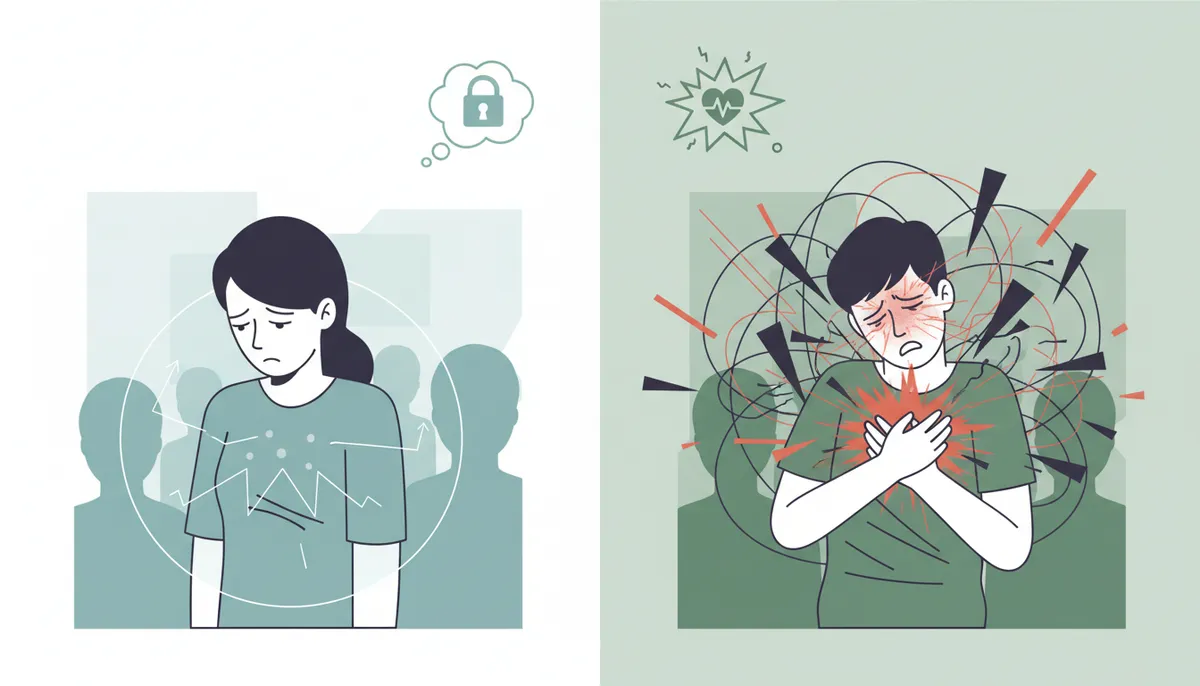
While both conditions involve intense anxiety, the triggers and experiences are quite different. Understanding these differences can help you identify which disorder you might be dealing with or whether you’re experiencing both.
Different Triggers
Social anxiety has clear triggers related to social performance and evaluation. You know exactly what you’re afraid of, whether it’s speaking in a meeting, going to a party, or eating in public. The anxiety builds up before the event and might continue during and after it.
Panic attacks, on the other hand, often strike without warning. There’s no obvious trigger or threat. You might be doing something completely ordinary when suddenly your body goes into high alert. This unpredictability makes panic disorder particularly scary and confusing.
How the Fear Feels
With social anxiety, the fear is about what others think of you. You worry about being humiliated, rejected, or judged negatively. Your mind might replay social interactions over and over, focusing on perceived mistakes or embarrassing moments.
In panic disorder, the fear is about the physical sensations themselves. You’re not worried about what others think but about what’s happening to your body. Many people misinterpret harmless body sensations as signs of a heart attack, stroke, or losing control. This misinterpretation fuels more panic.
Avoidance Patterns
People with social anxiety avoid situations where they might be the center of attention or face evaluation. They might skip social events, refuse promotions that require public speaking, or eat alone to avoid judgment.
Those with panic disorder avoid places where they’ve had attacks or where escape might be difficult. This could include highways, bridges, elevators, crowded stores, or even leaving the house. The avoidance is about preventing future attacks, not about social judgment.
| Feature | Social Anxiety Disorder | Panic Disorder |
|---|---|---|
| Primary Fear | Being judged or embarrassed by others | Having another panic attack or dying |
| Trigger | Social situations with potential scrutiny | Often no clear trigger (unexpected attacks) |
| Duration | Symptoms last at least 6 months | Attacks peak within 10 minutes |
| Avoidance | Social events, performance situations | Places where attacks occurred or escape is hard |
| Physical Symptoms | Blushing, sweating, trembling in social settings | Chest pain, rapid heart rate, feeling of doom |

Can You Have Both Disorders at the Same Time?
Yes, it’s absolutely possible to have both social anxiety disorder and panic disorder at the same time. In fact, many people with one anxiety disorder develop other anxiety conditions as well. When this happens, one disorder is usually more dominant or causes more problems than the other.
For example, you might primarily struggle with social anxiety, but occasionally have panic attacks in social situations or even when you’re alone. Or you might have panic disorder as your main concern, but also develop social anxiety about having attacks in public where others might see you.
Having both disorders can create a complicated cycle. Social anxiety might make you avoid social events, which increases isolation and can trigger panic attacks. Or panic attacks in social settings might make your social anxiety worse because now you’re worried about having an attack and being embarrassed in front of others.
People with anxiety disorders are also at higher risk for developing other mental health conditions like generalized anxiety disorder, obsessive-compulsive disorder, depression, or post-traumatic stress disorder. This doesn’t mean you’re doomed to struggle forever. It just means that comprehensive anxiety treatment that addresses all your symptoms is important.
What Keeps These Disorders Going?
Both social anxiety and panic disorder have maintenance factors that keep them alive even when you want them to stop. Understanding these factors can help you break the cycle.
Safety Behaviors and Avoidance
Safety behaviors are things you do to feel less anxious in the moment, but they actually make the disorder stronger over time. In social anxiety, this might include avoiding eye contact, rehearsing everything you say, staying quiet, or drinking alcohol before social events. These behaviors prevent you from learning that the feared outcome (like being rejected) probably won’t happen.
In panic disorder, safety behaviors include always sitting near exits, carrying medication “just in case,” constantly checking your heart rate, or avoiding exercise because it increases your heart rate. While these make you feel safer temporarily, they reinforce the false belief that panic is dangerous and must be prevented at all costs.
Negative Thinking Patterns
People with social anxiety often engage in negative self-focused attention. During social situations, they turn their attention inward, monitoring how anxious they feel and imagining how foolish they must look to others. They also create negative mental images of themselves from an observer’s perspective, seeing themselves as awkward or incompetent. These thoughts aren’t based on reality but feel completely true in the moment.
With panic disorder, the problem is catastrophic misinterpretation of body sensations. A slight increase in heart rate gets interpreted as “I’m having a heart attack.” Feeling dizzy becomes “I’m going to faint and everyone will see.” These misinterpretations create more anxiety, which creates more physical symptoms, which gets misinterpreted again in a vicious cycle.
How Are These Disorders Treated?
The good news is that both social anxiety disorder and panic disorder are highly treatable. The most effective treatment for both is cognitive-behavioral therapy, which helps you change the thinking patterns and behaviors that keep the disorders going.
Treatment for Social Anxiety
Therapy for social anxiety focuses on challenging negative thoughts about social situations and gradually facing feared situations instead of avoiding them. One powerful technique is video feedback, where you watch recordings of yourself in social situations. This helps you see that you don’t look as anxious or foolish as you imagined.
Treatment also addresses safety behaviors and self-focused attention. You learn to focus outward on the conversation and connection rather than monitoring your anxiety. Through repeated practice in real social situations, you discover that the feared outcomes rarely happen, and even when they do, you can handle them.
West Florida Therapy offers specialized support for social anxiety, helping you build confidence in social situations through proven techniques. Margaret Deuerlein provides a caring, judgment-free environment where you can work at your own pace to overcome social fears.
Treatment for Panic Disorder
Treatment for panic disorder teaches you to reinterpret physical sensations accurately instead of catastrophically. You learn that rapid heartbeat is just your body’s natural response to stress, not a sign of a heart attack. Through exercises that deliberately bring on mild physical sensations similar to panic (like spinning to feel dizzy or breathing through a straw to feel breathless), you learn that these sensations are uncomfortable but not dangerous.
The therapy also addresses avoidance and safety behaviors. You gradually return to places you’ve been avoiding, learning that panic attacks, while unpleasant, pass on their own and aren’t life-threatening. This breaks the “fear of fear” cycle that keeps panic disorder going.
Some people benefit from medication along with therapy, especially in the short term. However, therapy teaches lasting skills that continue to help long after treatment ends. At West Florida Therapy, you can access evidence-based treatment either in person or virtually throughout Florida, making it convenient to get the help you need.
Practical Tips for Managing Symptoms
While professional treatment is the most effective approach, there are things you can do today to start managing your symptoms:
- Practice deep breathing: Slow, deep breaths from your diaphragm can calm your nervous system during anxious moments. Breathe in for four counts, hold for four, and out for six.
- Challenge your thoughts: When you notice catastrophic thinking, ask yourself “What’s the evidence for this thought?” and “What’s a more balanced way to see this?”
- Start small with exposure: Gradually face feared situations in manageable steps. If parties are too much, start with coffee with one friend.
- Limit caffeine and alcohol: Both can worsen anxiety symptoms and trigger panic attacks in sensitive individuals.
- Exercise regularly: Physical activity reduces overall anxiety levels and helps your body handle stress better.
- Get enough sleep: Lack of sleep makes anxiety worse and lowers your ability to cope with stress.
Remember that recovery isn’t linear. You’ll have good days and challenging days, and that’s completely normal. The key is to keep practicing the skills you learn and not let setbacks discourage you.
When to Seek Professional Help
You don’t have to wait until anxiety completely takes over your life to seek help. In fact, early treatment often leads to faster and better results. Consider reaching out to a therapist if:
- Your anxiety is interfering with work, school, or relationships
- You’re avoiding important activities or opportunities because of fear
- You’ve had panic attacks that seem to come out of nowhere
- Social situations cause you severe distress that lasts for months
- You’re using alcohol or other substances to cope with anxiety
- You feel isolated or alone in dealing with your fears
- Physical symptoms are affecting your quality of life
Margaret Deuerlein at West Florida Therapy specializes in helping adults and adolescents work through anxiety disorders with compassion and proven techniques. Whether you’re dealing with social anxiety, panic disorder, or both, you can find relief with the right support. Services are available in both English and Spanish, making quality mental health care accessible to more people in Florida.
According to Florida’s mental health services, getting help for anxiety disorders is an important step in improving your overall well-being and quality of life.
Finding Hope and Moving Forward
Living with social anxiety disorder or panic disorder can feel lonely and overwhelming. You might wonder if you’ll ever feel normal again or if anxiety will always control your life. But countless people have successfully overcome these disorders and gone on to live full, meaningful lives.
The first step is understanding that what you’re experiencing has a name, is recognized by mental health professionals, and most importantly, is treatable. You’re not weak, broken, or crazy. Your brain has learned to respond to certain situations or sensations with fear, and with the right help, it can learn new, healthier responses.
Treatment works best when you’re actively involved in your recovery. This means practicing the skills you learn in therapy, facing fears gradually instead of avoiding them, and being patient with yourself during the process. Change takes time, but every small step forward is progress worth celebrating.
Whether you choose in-person sessions or virtual therapy, help is available throughout Florida. West Florida Therapy offers flexible options to fit your schedule and comfort level, making it easier to start your journey toward feeling better.
You deserve to live without constant fear holding you back from the life you want. Social situations can become enjoyable again. Panic attacks can become a thing of the past. With compassionate support and proven treatment methods, recovery is absolutely possible. Reach out today to take the first step toward feeling like yourself again. You don’t have to face anxiety alone.
For additional support and resources, you can explore Florida’s mental health links for information about anxiety disorders and available services in your area. Remember, seeking help is a sign of strength, not weakness. Your mental health matters, and support is available when you’re ready.
If you’d like to learn more about how therapy can help with anxiety and other challenges, feel free to visit us on Google to read reviews from others who have found relief through counseling.
FAQs
Q: What is the main difference between social anxiety and panic disorder?
A: Social anxiety disorder involves intense fear of being judged or embarrassed in social situations, while panic disorder features unexpected panic attacks with severe physical symptoms that seem to come out of nowhere. Social anxiety has clear triggers related to social performance, while panic attacks often happen without warning or obvious cause.
Q: Can you have both social anxiety and panic disorder at the same time?
A: Yes, absolutely! Many people experience both disorders simultaneously, though one is usually more dominant. Having both can create a challenging cycle, but comprehensive therapy can address both conditions effectively with the right treatment approach.
Q: What are the most common symptoms of a panic attack?
A: Common panic attack symptoms include rapid heartbeat, chest pain, shortness of breath, dizziness, sweating, trembling, numbness, and an overwhelming sense of doom or fear of dying. These symptoms peak within about 10 minutes and can feel like a medical emergency, though they’re not physically dangerous.
Q: How long does it take to treat social anxiety disorder?
A: Treatment length varies for each person, but many people see significant improvement within 12-16 weeks of cognitive-behavioral therapy. The key is consistent practice of skills learned in therapy and gradually facing feared social situations instead of avoiding them. Recovery is very possible with the right support.
Q: Is medication necessary for treating panic disorder?
A: Medication isn’t always necessary. Many people successfully overcome panic disorder through cognitive-behavioral therapy alone. However, some folks find that medication helps in the short term while they’re learning coping skills. The best approach depends on your individual situation and should be discussed with a mental health professional.