Key Takeaways
-
CBT is the gold standard for separation anxiety therapy, with research showing 60-80% effectiveness in reducing symptoms significantly within 12-16 sessions for children.
-
Separation anxiety therapy in Brandon uses multiple evidence-based approaches including gradual exposure therapy, mindfulness-based stress reduction, play therapy for children, and family involvement.
-
Seek professional help if separation anxiety has lasted more than four weeks, causes school/work absences, damages relationships, or creates frequent physical symptoms like panic or headaches.
-
Choose a therapist with specific anxiety disorder experience, evidence-based training (CBT/exposure therapy), warm non-judgmental approach, and flexible in-person or telehealth options.
-
Telehealth therapy removes barriers like transportation and scheduling conflicts, making it especially comfortable for those with separation anxiety and available throughout Florida.
-
Separation anxiety affects approximately 4% of children and 1.6% of adolescents, and adults can experience it too—it’s a treatable anxiety disorder, not a character flaw.
Does your heart race when someone you love walks out the door? Do you or your child struggle with intense fear, tears, or physical symptoms every time a separation happens? You are not alone — and more importantly, help is available right here in Brandon. Separation anxiety therapy in Brandon is a real, proven path toward feeling safer, calmer, and more confident during times apart. Whether this is affecting your child’s school mornings, your teen’s social life, or your own daily routine, the right therapist can make a tremendous difference. This guide will walk you through what separation anxiety looks like, how therapy helps, and where you can find caring, professional support in the Brandon area.
What Is Separation Anxiety Disorder?
Separation anxiety disorder involves intense, persistent fear or distress when separated from key attachment figures — usually a parent, partner, or caregiver. It goes far beyond normal nervousness. This is the kind of worry that disrupts school, work, relationships, and everyday life. According to the American Psychiatric Association, approximately 4% of children and 1.6% of adolescents experience separation anxiety disorder. And yes — adults can experience it too.
It is important to understand that this is not a character flaw or a sign of weakness. It is an anxiety disorder with real emotional and physical symptoms, and it responds well to professional treatment. If you want to learn more about anxiety in general, our page on Anxiety Treatment offers a helpful starting point.
Common Signs of Separation Anxiety
Recognizing the signs is the first step toward getting help. Separation anxiety can look different depending on age, but there are some common patterns to watch for.
- Extreme distress when leaving or anticipating separation from a loved one
- Repeated nightmares about being separated
- Physical complaints like stomachaches or headaches before a separation
- Refusal to go to school, work, or social events
- Constant worry that something bad will happen to a loved one
- Difficulty sleeping alone or away from home
- Clinging behavior in children or excessive checking in adults
If several of these sound familiar, it may be time to explore finding the right anxiety therapy in Brandon, FL for you or your child.
How Separation Anxiety Shows Up Across Different Ages
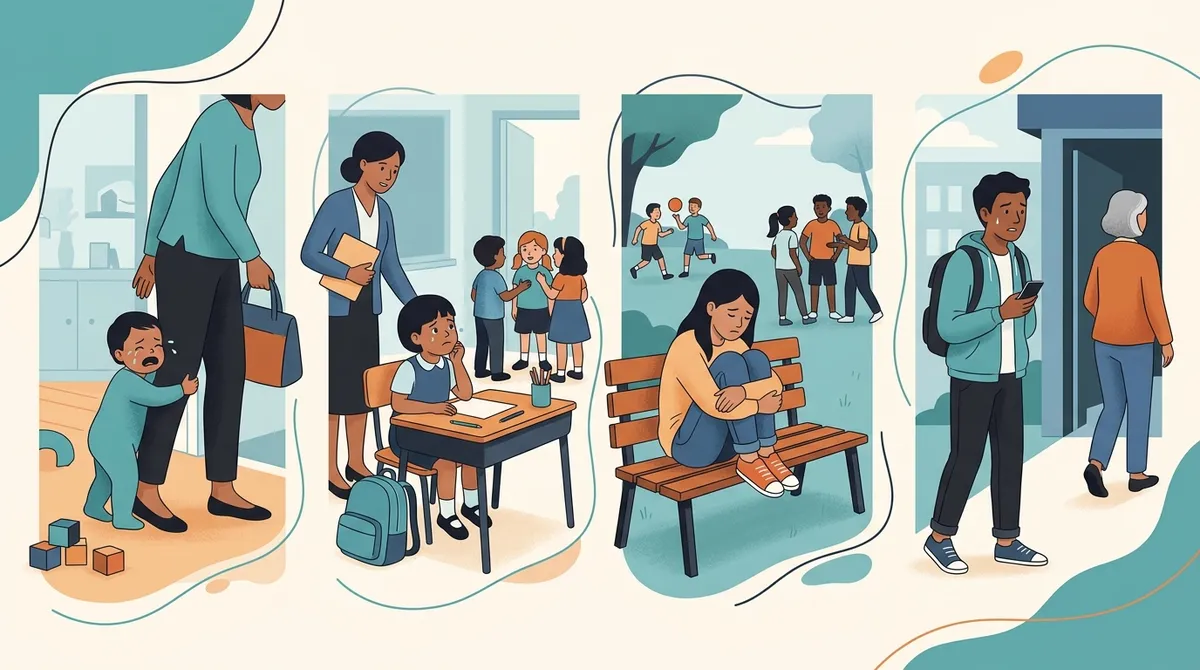
Separation anxiety does not affect everyone the same way. It looks quite different in children, teenagers, and adults. Understanding these differences helps you identify what is actually happening and what kind of support will work best.
| Age Group | Common Signs | Typical Triggers |
|---|---|---|
| Children (5–12) | School refusal, crying, stomachaches, clinging | First day of school, parent leaving for work |
| Adolescents (13–17) | Social withdrawal, panic, excessive texting parents | Sleepovers, school trips, new environments |
| Adults (18+) | Controlling behavior, jealousy, relationship strain | Partner traveling, moving, relationship changes |
The virtual therapy for adolescents in Brandon, FL is especially helpful for teens who feel embarrassed about their anxiety or find it hard to attend in-person sessions. Anxiety disorders affect 31.9% of U.S. adolescents aged 13–18, making early intervention incredibly important. You can find additional resources through the Mental Health Resources provided by the CDC.
What Happens in Separation Anxiety Therapy in Brandon?
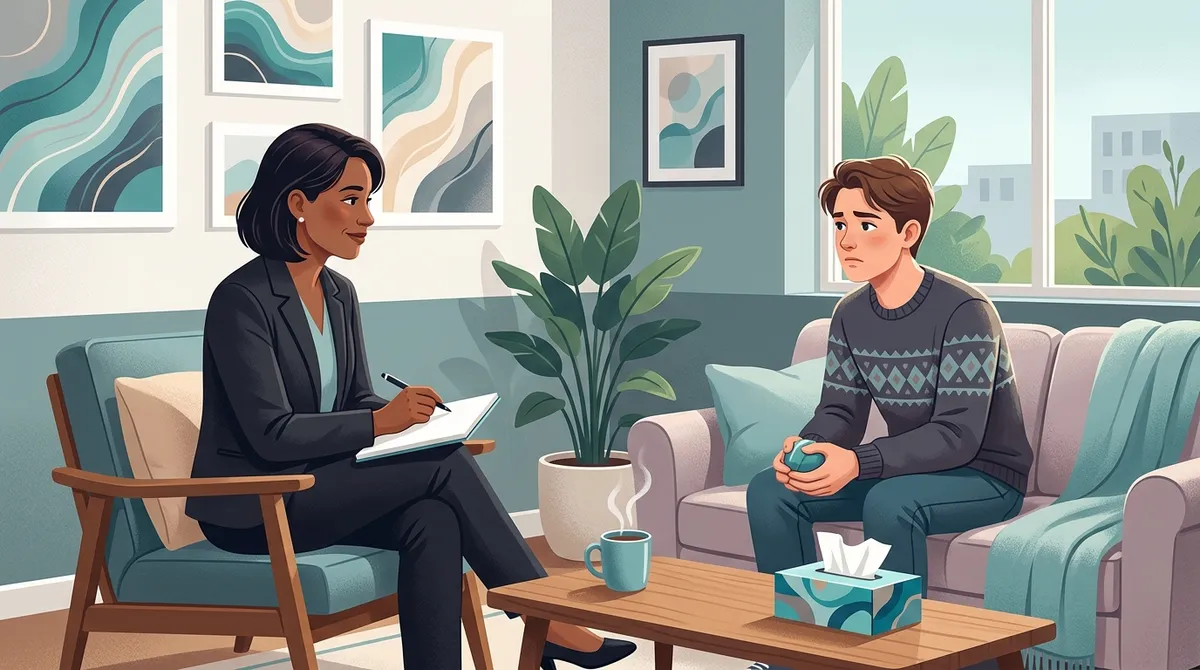
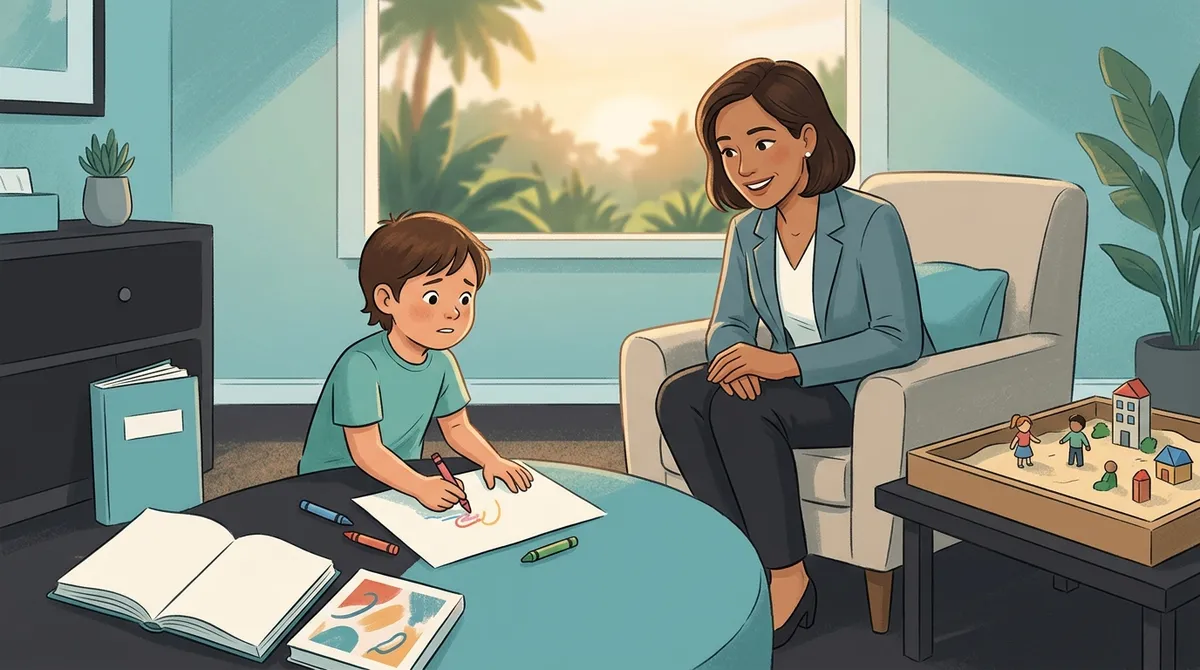
Therapy for separation anxiety is structured, compassionate, and highly effective. It does not involve pushing you into uncomfortable situations without support. Instead, it is a gradual, collaborative process. Research shows that Cognitive Behavioral Therapy (CBT) is effective for 60–80% of children with separation anxiety, reducing symptoms significantly within 12–16 sessions, according to a 2022 meta-analysis in the Journal of the American Academy of Child & Adolescent Psychiatry.
The Main Approaches Therapists Use
Here is a look at the primary therapeutic techniques used in separation anxiety therapy in Brandon. Each approach is tailored to the individual’s age, needs, and goals.
- Cognitive Behavioral Therapy (CBT): This is the gold standard for treating separation anxiety. CBT helps clients identify anxious thoughts, challenge them with realistic thinking, and gradually face feared separations with increasing confidence. Learn more about what Cognitive Behavioral Therapy is and how it works.
- Gradual Exposure Therapy: The therapist creates a step-by-step plan that slowly introduces separations in a safe, manageable way. Each small success builds courage for the next step. This technique reduces avoidance and teaches the brain that separation is survivable.
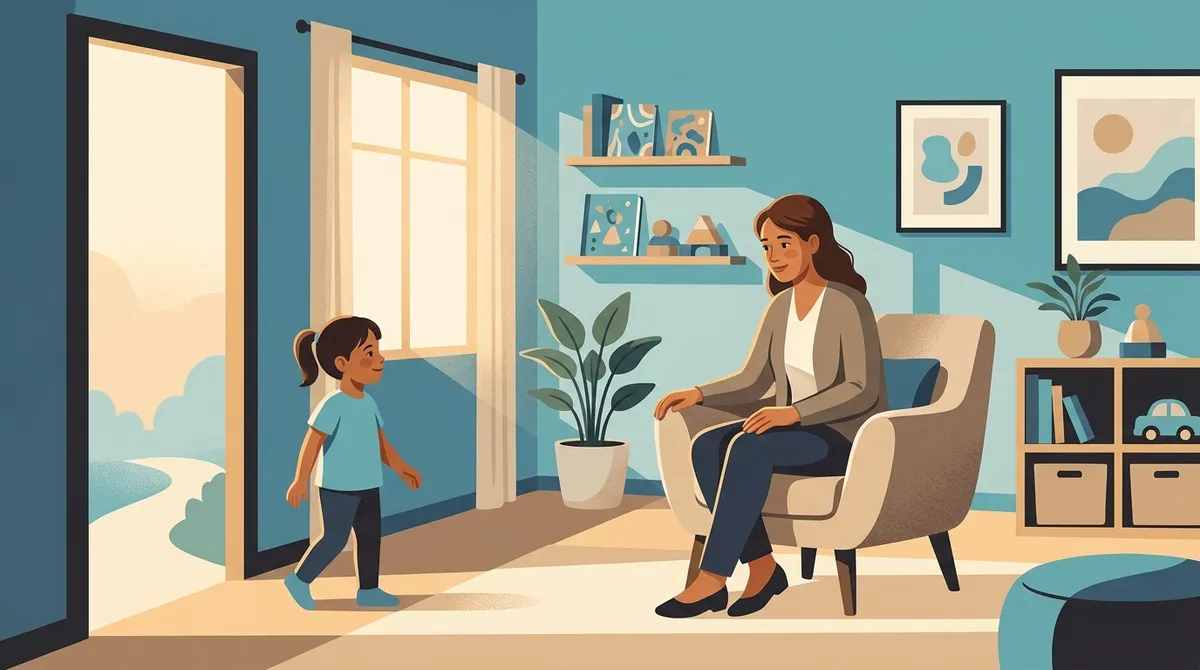
- Play Therapy (for younger children): Young children often express their fears through play rather than words. Play therapy allows therapists to understand and treat anxiety in a natural, child-friendly environment using games, art, and storytelling.
- Mindfulness-Based Stress Reduction (MBSR): Mindfulness techniques help clients stay grounded in the present moment instead of spiraling into worry. Breathing exercises, body scans, and mindful awareness are all part of this approach.
- Family Involvement: Parents and family members play a major role in a child’s recovery. Therapists often include family sessions to teach caregivers how to respond helpfully and build a stronger support system at home.
If you are curious about how acceptance-based approaches can also ease anxiety, check out how to use ACT therapy to ease anxiety in Brandon, FL.
Who Should Seek Separation Anxiety Therapy?
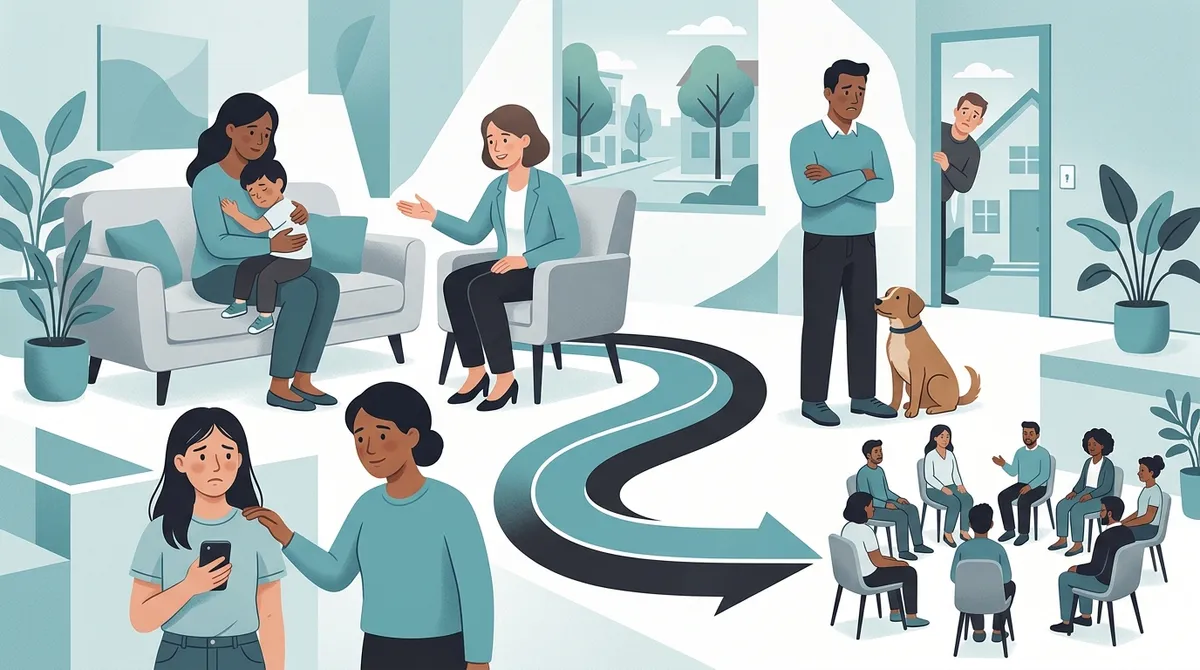
Many people wonder if their symptoms are “bad enough” for therapy. The truth is, if separation anxiety is interfering with your daily life — or your child’s — it is worth talking to a professional. You do not have to be in crisis to benefit from therapy. Early help often leads to faster, longer-lasting results.
Signs It Is Time to Seek Help
- Separation anxiety has lasted more than four weeks
- It is causing school refusal or work absences
- Relationships are suffering due to clingy or controlling behavior
- Physical symptoms like panic, nausea, or headaches are frequent
- Your child or teen is becoming increasingly isolated
- You feel helpless or exhausted trying to manage the anxiety alone
If you are a parent watching your teen struggle, our resource on 7 mistakes to avoid when choosing teen therapy in Brandon can help you make a more informed decision. For adults navigating this in relationships, how to overcome separation anxiety in your relationship is a great place to start.
The Substance Abuse & Mental Health services provided by Florida’s Department of Children and Families also offers additional support pathways worth exploring.
What to Look for in a Separation Anxiety Therapist in Brandon
Choosing the right therapist matters a lot. A good fit makes therapy more effective and helps clients open up more quickly. Here are some qualities to look for when searching for separation anxiety therapy in Brandon.
- Experience with anxiety disorders: Look for a therapist who has specific training and experience in treating anxiety, especially in your age group (child, teen, or adult).
- Use of evidence-based methods: Ask if the therapist uses CBT, exposure therapy, or MBSR — all of which are backed by strong research evidence.
- A warm, non-judgmental approach: Therapy works best when you feel safe and understood. A therapist who makes you feel heard — not judged — is essential.
- Bilingual capability: For Spanish-speaking families in Brandon and the Tampa Bay area, finding a bilingual therapist removes language barriers and builds trust more quickly.
- Flexible session formats: Look for a provider who offers both in-person and telehealth sessions so you can access care in a way that fits your schedule and comfort level.
At West Florida Therapy, therapist Margaret Deuerlein brings a warm, caring approach to anxiety treatment. She offers both in-person sessions in Brandon and telehealth therapy across Florida, making professional support accessible no matter where you are. Bilingual services in English and Spanish are also available, which is a big plus for many families in the Brandon community.
What to Expect During the Therapy Process
Starting therapy can feel intimidating, especially when anxiety is already making everything feel harder. Knowing what to expect can help ease those first-session nerves.
Step-by-Step: Your Therapy Journey
- Initial Consultation: Your first step is a brief phone consultation to discuss your concerns and goals. This is a no-pressure conversation to make sure therapy is the right fit.
- Assessment and Goal-Setting: In early sessions, your therapist will ask questions to understand your history, triggers, and what you want to achieve. Together, you will build a personalized treatment plan.
- Active Therapy Sessions: Weekly or bi-weekly sessions will focus on building coping skills, working through anxious thoughts, and practicing gradual exposure to feared separations.
- Progress Monitoring: Your therapist will regularly check in on your progress. Adjustments to your plan are made as needed to keep you moving forward.
- Maintenance and Follow-Up: As symptoms improve, sessions may taper off. Your therapist will help you build long-term strategies to manage anxiety independently.
You can learn more about our therapy process at West Florida Therapy to get a clearer picture of how sessions are structured from start to finish.
Telehealth Options for Separation Anxiety Therapy in Brandon
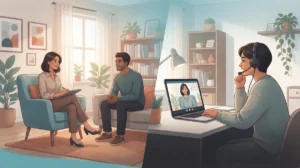
One of the most exciting developments in mental health care is the availability of telehealth. Virtual therapy removes many common barriers — transportation, scheduling conflicts, and even the anxiety of going somewhere new. For someone dealing with separation anxiety, telehealth can actually be a more comfortable starting point.
- Sessions are conducted from the comfort and safety of your own home
- Scheduling is more flexible with evening and weekend options
- Telehealth is especially convenient for teens and young adults
- Virtual sessions are available for all of Florida, not just Brandon
- The same evidence-based techniques are used in telehealth as in-person
Curious about how virtual therapy works? Read about why Brandon virtual therapy for adults is a game changer. And if you prefer to meet in person, in-person therapy in Brandon, Florida is also available at West Florida Therapy.
For more information on accessing mental health services across Florida, the Mental Health Links from the Florida Department of Health is a helpful resource.
Separation Anxiety and Related Mental Health Concerns
Separation anxiety rarely travels alone. It often shows up alongside other mental health challenges. Understanding these connections helps ensure you or your child gets complete, holistic care.
- Panic attacks: Sudden, overwhelming waves of fear during separations. Learn more about panic attacks and how therapy helps.
- Depression: Prolonged anxiety often leads to low mood and withdrawal. Our Depression Treatment page has more information.
- Trauma: Past losses or traumatic separations can fuel current anxiety. Trauma Therapy may be part of a comprehensive treatment plan.
- Social anxiety: Fear of judgment or rejection in social settings often overlaps with separation anxiety, especially in teens.
If you are dealing with separation-related depression in particular, our article on 13 signs of separation depression and how to heal is well worth a read.
Take the First Step Toward Feeling Better
You deserve to feel safe, secure, and connected — without fear controlling your every goodbye. Separation anxiety therapy in Brandon offers real tools, genuine support, and a path to lasting peace of mind. Whether you are a parent helping your child, a teen figuring things out, or an adult ready to take charge of your mental health, professional therapy can change everything.
Margaret Deuerlein at West Florida Therapy is ready to walk alongside you with warmth, expertise, and a personalized plan built just for you. You can also visit us on Google — West Florida Therapy to read reviews and learn more about the experience clients have had.
You do not have to white-knuckle every goodbye. Reach out today and take your first courageous step. Get in touch with our team at West Florida Therapy to schedule your free 15-minute consultation — in English or Spanish, in-person or via telehealth, wherever you are in Florida.
FAQs
Q: What is separation anxiety disorder and how is it treated?
A: Separation anxiety disorder is an intense, persistent fear of being separated from a loved one that disrupts daily life. It is most commonly treated with Cognitive Behavioral Therapy (CBT), which helps clients challenge anxious thoughts and gradually practice facing separations in a safe, supported way.
Q: Can adults have separation anxiety, or is it just a childhood issue?
A: Absolutely — adults can experience separation anxiety too! It often shows up in romantic relationships or close friendships as excessive worry, controlling behavior, or intense distress when a partner is away. The good news is that therapy works just as well for adults as it does for children.
Q: How long does separation anxiety therapy typically take?
A: Many people see significant improvement within 12–16 sessions of CBT, though the timeline varies depending on the severity of symptoms and individual progress. Your therapist will regularly check in and adjust the plan to make sure you are moving in the right direction at a pace that feels comfortable.
Q: Is telehealth therapy available for separation anxiety in Brandon?
A: Yes! Telehealth therapy is a fantastic option for separation anxiety treatment and is available throughout all of Florida. Many clients actually find virtual sessions easier to start with since they can connect with their therapist from the comfort and safety of their own home.
Q: Does insurance cover separation anxiety therapy in Florida?
A: Many insurance plans do cover therapy for anxiety disorders, including separation anxiety. It is always a good idea to check with your insurance provider directly about your mental health benefits. West Florida Therapy also accepts several major insurance plans and offers flexible payment options for those paying out of pocket.