
Key Takeaways
-
CBT and DBT are evidence-based treatments for AvPD that work by identifying negative thought patterns, teaching emotion regulation skills, and gradually exposing you to social situations in small, manageable steps.
-
AvPD is distinct from social anxiety disorder because it affects a wider range of life areas and is rooted in deep self-perception issues, not just fear of specific performance situations.
-
Brandon residents can access flexible therapy options including in-person sessions, telehealth from home, and bilingual services in English and Spanish through providers like West Florida Therapy.
-
Many people with AvPD also experience anxiety, depression, or trauma that should be treated alongside the personality disorder for better long-term outcomes and comprehensive healing.
-
Most people with AvPD start with weekly outpatient therapy and begin noticing meaningful improvements within a few months of consistent sessions combined with practicing skills between appointments.
-
Taking the first step involves self-awareness, researching local specialists in personality disorders, scheduling a free consultation, and committing to consistent weekly or bi-weekly sessions for sustainable progress.
If social situations leave you feeling drained, anxious, or convinced that others will judge you harshly, you are not alone. Many people in Brandon, Florida live with avoidant personality disorder (AvPD) without even knowing it has a name. The good news? Effective therapy exists, and real change is possible. This guide walks you through everything you need to know about finding avoidant personality disorder therapy in Brandon — from understanding the condition to choosing the right treatment approach for your life.
What Is Avoidant Personality Disorder?
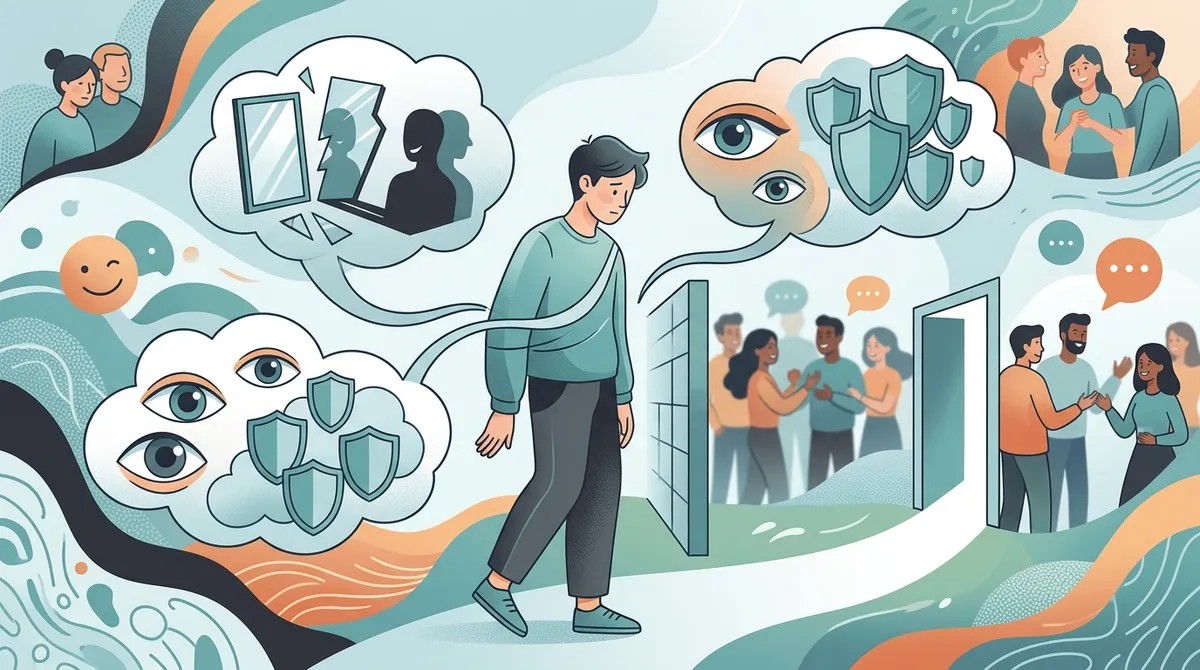
Avoidant personality disorder is a long-term pattern of behavior marked by extreme shyness, fear of rejection, and deep feelings of inadequacy. Unlike occasional nervousness, AvPD affects nearly every part of daily life. It often begins by early adulthood and can make friendships, work relationships, and even casual conversations feel overwhelming.
People with AvPD don’t avoid social situations because they dislike people. In fact, most crave connection deeply. They hold back because they are terrified of being criticized, embarrassed, or rejected. This constant tension — wanting closeness but fearing it at the same time — can be exhausting. Learning more about personality disorders is a great first step toward understanding what you are experiencing.
How to Recognize the Signs of AvPD
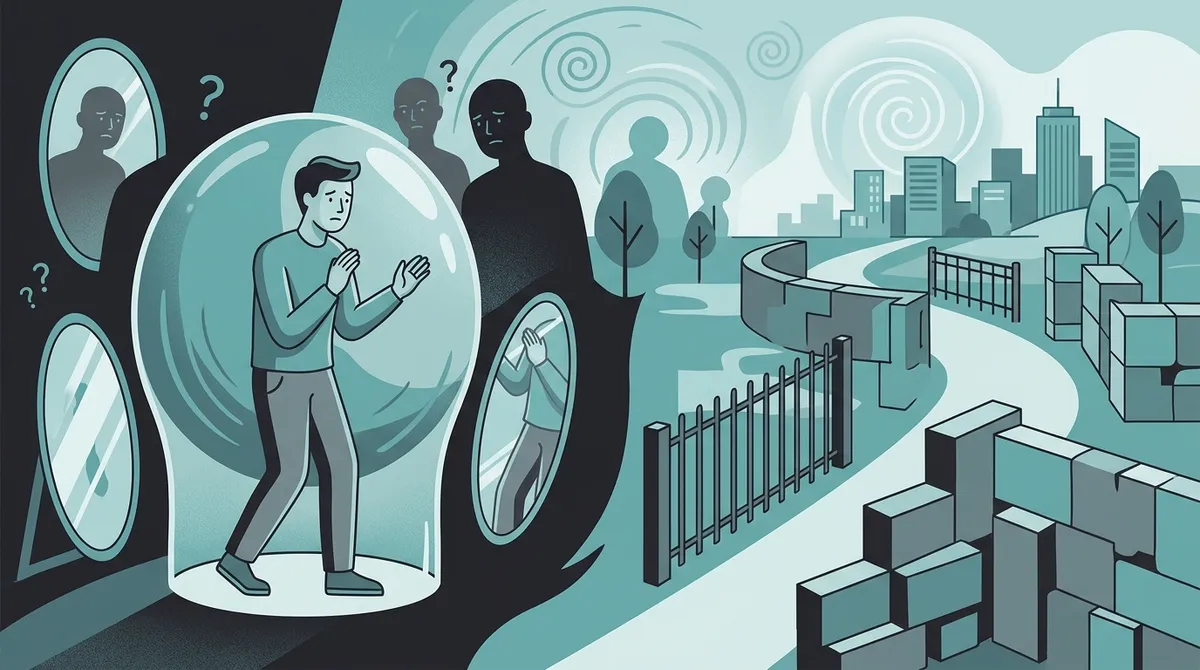
Knowing the signs can help you decide whether therapy might be right for you. AvPD shares some features with social anxiety disorder, but it tends to be more deeply rooted and affects a wider range of situations. Here are the most common signs to watch for:
- Avoiding jobs or activities that involve significant social contact
- Holding back in relationships unless you are certain you will be liked
- Feeling inadequate or inferior compared to others
- Being unusually sensitive to criticism or rejection
- Viewing yourself as socially inept, unappealing, or inferior
- Being reluctant to take personal risks or try new activities out of fear of embarrassment
- Feeling a persistent sense of loneliness and isolation
It is also common for AvPD to appear alongside anxiety and depression. These co-occurring conditions can make symptoms feel even heavier, but they are all treatable with the right support.
Step-by-Step: How to Get Avoidant Personality Disorder Therapy in Brandon
Taking that first step toward therapy can feel big — especially when avoidance is part of the problem. Breaking it into smaller steps makes the process much more manageable. Here is a simple roadmap to follow:
- Learn about your symptoms. Read about AvPD and reflect on how the signs show up in your own life. Self-awareness is a powerful starting point.
- Research local therapists. Look for licensed therapists in Brandon who specialize in personality disorders, cognitive behavioral therapy (CBT), or dialectical behavior therapy (DBT).
- Schedule a consultation. Many therapists, including those at West Florida Therapy, offer a free 15-minute phone consultation so you can ask questions and see if it feels like a good fit.
- Attend your first session. Your therapist will get to know you, listen without judgment, and start building a personalized treatment plan together with you.
- Stay consistent. Progress with AvPD takes time, but weekly or bi-weekly sessions build real momentum. Each session prepares you for the next step forward.
You can learn more about what to expect by visiting the West Florida Therapy process page. It breaks down every stage in a clear, reassuring way so nothing catches you off guard.
Evidence-Based Treatment Approaches for AvPD
Therapy for avoidant personality disorder in Brandon draws on several proven methods. Not every approach works the same for everyone, which is why a skilled therapist will tailor the plan to your specific needs, history, and goals. According to Mental Health Resources from the CDC, structured therapy is one of the most effective tools for managing personality-related challenges.
Cognitive Behavioral Therapy (CBT)
CBT is one of the most widely used treatments for AvPD. It works by identifying the negative thought patterns that fuel avoidance. For example, CBT might help you challenge the belief that “people will always judge me harshly” and replace it with something more balanced and realistic. You can explore a deeper overview on the CBT complete guide page.
CBT also includes gradual exposure work. This means gently and safely practicing social situations in small steps so that avoidance patterns weaken over time. It is a structured, skills-based approach that gives you real tools to use every day.
Dialectical Behavior Therapy (DBT)
DBT is especially helpful when emotions feel intense and hard to manage. It teaches four key skill areas that are very relevant to AvPD recovery. You can read a detailed overview on the DBT for better mental health page. The four core DBT skill areas include:
- Distress tolerance: Getting through difficult moments without making things worse
- Emotion regulation: Understanding and managing intense emotional reactions
- Interpersonal effectiveness: Communicating needs and boundaries in relationships
- Mindfulness: Staying grounded in the present moment rather than spiraling into worry
Schema Therapy
Schema therapy digs into deeper patterns formed in childhood that shape how you see yourself and others. Many people with AvPD carry core beliefs like “I am unlovable” or “I am different from everyone else.” Schema therapy helps you identify those patterns and gradually reshape them. The schema therapy page offers more details on how this approach works in practice.
Individual Therapy
One-on-one therapy gives you a private, safe space to open up at your own pace. For someone with AvPD, this is often the most comfortable place to start. You don’t have to perform or impress anyone — just show up honestly. If you are curious about what individual therapy looks like, the 15 reasons to try individual therapy in Brandon page is a great read.
Comparing Treatment Options: What Might Work for You
Not sure which therapy level is right for you? Here is a simple comparison to help you think through your options based on the severity of symptoms and daily functioning:
| Treatment Level | Best For | Session Frequency | Setting |
|---|---|---|---|
| Weekly Outpatient Therapy | Mild to moderate AvPD symptoms | Once or twice per week | In-person or telehealth |
| Intensive Outpatient (IOP) | Moderate symptoms impacting daily function | 3–5 days per week, several hours daily | Structured clinic setting |
| Partial Hospitalization (PHP) | Severe symptoms requiring close support | 5–7 days per week | Clinic-based; return home evenings |
| Telehealth Therapy | Those who prefer distance or live remotely in Florida | Weekly or bi-weekly | Fully virtual from home |
Most people with AvPD do well starting with standard outpatient therapy. If symptoms are more severe or if anxiety and depression are significantly interfering with daily life, a higher level of care may be recommended. The mental health resources page can help you understand more about care levels and what might suit your situation.
What to Expect in Your First Therapy Sessions
Starting therapy for the first time can bring up a mix of hope and nervousness. That is completely normal — and honestly, expected. Here is what the early sessions typically look like so you know what you are walking into:
- Assessment and history: Your therapist will ask about your background, current challenges, and what you hope to gain from therapy. There are no right or wrong answers.
- Goal setting: Together, you will identify what you want to work on. Goals might include reducing social avoidance, building self-confidence, or managing anxiety in relationships.
- Psychoeducation: Your therapist will explain what AvPD is, how it develops, and why avoidance tends to maintain itself. Understanding the pattern is empowering.
- Skill building begins: Early sessions often introduce simple coping tools you can use right away between appointments to start feeling more grounded.
Margaret Deuerlein is a compassionate, licensed psychotherapist at West Florida Therapy who works with adults and adolescents facing personality disorders, anxiety, and related challenges. Her warm, personalized approach helps clients feel safe from the very first session. You can learn more about her background on the About Margaret Deuerlein page.
In-Person and Virtual Therapy Options in Brandon
One of the most helpful things about therapy in 2026 is the flexibility. You do not have to choose between convenience and quality. West Florida Therapy offers both in-person therapy in Brandon, Florida and telehealth therapy throughout all of Florida. Virtual sessions are a great option for anyone who finds it easier to open up from a familiar environment at home.
Bilingual services in both English and Spanish are also available, which is a meaningful support for Spanish-speaking adults in the Brandon area who want care in their preferred language. The Florida Department of Children and Families Substance Abuse and Mental Health resources also highlight the importance of accessible, language-inclusive mental health care across the state.
AvPD and Co-Occurring Conditions: What You Should Know
Many people seeking avoidant personality disorder therapy in Brandon also deal with related conditions. Recognizing these connections helps your therapist build the most effective treatment plan for you. Common co-occurring conditions include:
- Generalized anxiety disorder — learn more on the generalized anxiety disorder therapy in Brandon page
- Social anxiety disorder and panic attacks
- Depression and low mood
- Low self-esteem and feelings of worthlessness
- Relationship difficulties and communication challenges
- Trauma history that reinforces avoidant patterns
Treating these layers together — rather than in isolation — tends to produce much better long-term outcomes. The Florida Department of Health Mental Health Links also provide a list of statewide resources to support comprehensive care planning.
Tips to Make the Most of Avoidant Personality Disorder Therapy
Therapy works best when you are an active participant in the process. These practical tips can help you get the most out of every session:
- Be honest with your therapist, even when it feels uncomfortable — that vulnerability is where growth happens
- Practice the skills your therapist teaches between sessions, even in small ways
- Track your moods and reactions throughout the week to bring into sessions
- Be patient with yourself — personality patterns built over years take time to shift
- Celebrate small wins, like making eye contact or joining a conversation
If you are curious about how therapy for personality disorders works in Brandon specifically, the page on finding the right personality disorder therapy in Brandon is full of helpful guidance. And if low self-esteem is a big piece of what you are navigating, the 9 ways low self-esteem therapy in Brandon can help you page is worth a look too.
Taking the Next Step Toward Healing
Living with avoidant personality disorder does not have to mean a life of isolation or missed opportunities. With the right support, you can build genuine connections, feel more confident in social situations, and break free from the cycle of avoidance. Avoidant personality disorder therapy in Brandon is available, accessible, and — most importantly — effective.
West Florida Therapy is here to walk alongside you every step of the way. Whether you prefer in-person appointments in Brandon or virtual sessions from anywhere in Florida, care is available in a way that works for your life. You can also visit West Florida Therapy on Google to read reviews and learn more about what to expect from our practice.
You deserve to feel seen, heard, and supported. Take that first courageous step today and reach out to schedule your free 15-minute consultation — we would love to help you get started.
FAQs
Q: What is avoidant personality disorder therapy and how does it help?
A: Avoidant personality disorder therapy uses structured approaches like CBT and DBT to help you identify and change the thought patterns and behaviors that fuel avoidance. Over time, therapy builds confidence, reduces fear of rejection, and helps you create the genuine connections you have always wanted. It is a caring, judgment-free process that goes at your own pace.
Q: Is CBT effective for avoidant personality disorder?
A: Yes! Cognitive behavioral therapy (CBT) is one of the most well-supported treatments for AvPD. It helps you challenge the negative beliefs driving your avoidance and gently practice new behaviors in real-world situations. Many people see meaningful improvements over several months of consistent sessions.
Q: What is the difference between avoidant personality disorder and social anxiety?
A: Both conditions involve fear of social situations, but AvPD tends to be more deeply ingrained and affects a wider range of life areas, including self-perception and relationships. Social anxiety often centers more on specific performance situations. A therapist can help you sort out which patterns apply to you and create the right treatment plan.
Q: Can I do avoidant personality disorder therapy virtually in Florida?
A: Absolutely! Telehealth therapy is a wonderful option, especially for those with AvPD who may find it easier to open up from the comfort of home. West Florida Therapy offers virtual sessions to anyone in Florida, making quality care accessible no matter where you live in the state.
Q: How long does avoidant personality disorder therapy take to work?
A: Progress varies from person to person, but most people begin noticing meaningful shifts within a few months of consistent weekly therapy. Personality patterns take time to change because they have been with you for years — but with patience and the right support, real transformation is absolutely possible. You are worth the investment!