

Key Takeaways
-
Practice 4-4-4 deep breathing before leaving bed to activate your parasympathetic nervous system and signal safety to your body in under two minutes.
-
Avoid checking your phone for at least 30 minutes after waking to prevent stress triggers from flooding your brain during vulnerable morning hours.
-
Build a consistent morning routine at the same time daily; predictability signals to your anxious brain that the day is manageable and safe.
-
Eat a balanced breakfast with protein, healthy fats, and complex carbs to stabilize blood sugar and mood, avoiding high-sugar options that worsen anxiety.
-
Use grounding techniques like the 5-4-3-2-1 method to anchor yourself in the present moment and interrupt catastrophic thinking patterns.
-
Seek professional therapy if morning anxiety happens most days, interferes with relationships or work, or doesn’t improve with self-help strategies within a reasonable timeframe.
You open your eyes. It is barely 7 a.m. But your heart is already racing. Your stomach feels tight. A cloud of dread settles over you before you even check your phone. Sound familiar? Morning anxiety is more common than most people realize, and it can make starting the day feel like climbing a mountain before breakfast.
Morning anxiety is not a formal diagnosis on its own. It is a pattern of intense worry, tension, or fear that hits shortly after waking. It is closely linked to conditions like generalized anxiety disorder, depression, and chronic stress. The good news? It is also very treatable. Whether you are a busy millennial juggling work and life, a teen navigating school pressures, or someone simply tired of dreading mornings, there are real, proven ways to find relief. Let’s walk through 14 of them together.

What Actually Causes Morning Anxiety?
Understanding the roots of morning anxiety helps you tackle it more effectively. Several factors can make those first waking moments feel overwhelming. According to research, morning anxiety is commonly tied to the following:
- Generalized anxiety disorder (GAD) — ongoing, hard-to-control worry that ramps up in the morning
- Panic disorder — sudden surges of intense fear, sometimes including panic attacks
- Depression — mornings are often the hardest time for people experiencing depression
- Poor sleep quality — waking up already depleted makes anxiety much worse
- Chronic stress — work pressure, financial strain, or relationship tension can spill into mornings
- Major life changes — transitions like divorce, job loss, or moving can heighten morning dread
- Elevated cortisol — your body naturally spikes stress hormones in the morning, which can amplify anxiety symptoms
Physical symptoms can include a racing heart, rapid breathing, muscle tension, nausea, and a sense of impending doom. These feelings are real. They are not a sign of weakness. And you deserve support. For a deeper look at what anxiety involves, visit our page on understanding anxiety signs, types, and treatment options.
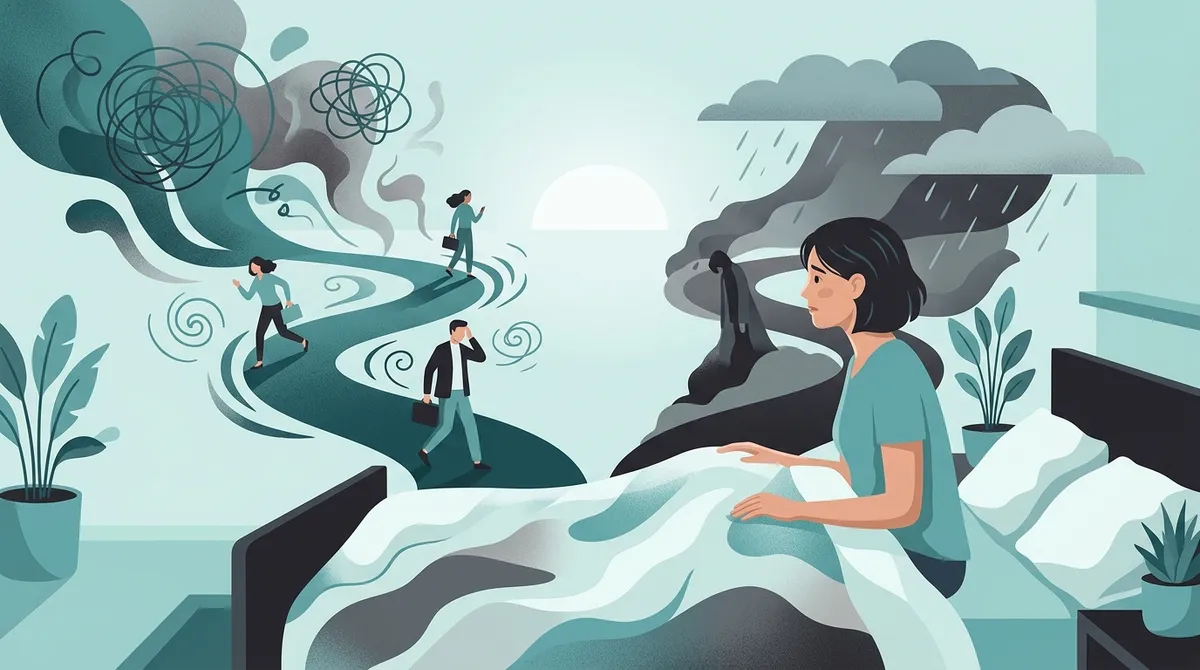
Morning Anxiety vs. Morning Depression: Know the Difference
It is worth knowing that morning anxiety and morning depression sometimes overlap but feel different. Morning anxiety tends to show up as racing thoughts, restlessness, and physical tension. Morning depression often feels like heavy sadness, low motivation, and emotional numbness right after waking.
Both can exist at the same time. If you are unsure which one you are experiencing, speaking with a therapist is the best next step. You can also explore our resource on what depression is and how it affects daily life to learn more.
| Feature | Morning Anxiety | Morning Depression |
|---|---|---|
| Primary feeling | Fear, dread, worry | Sadness, emptiness |
| Physical symptoms | Racing heart, tight chest, nausea | Fatigue, heaviness, low energy |
| Thought patterns | Catastrophic thinking, “what ifs” | Hopelessness, low self-worth |
| Energy level | Restless or on edge | Sluggish or unmotivated |
| Common treatment | CBT, anxiety therapy, coping skills | Depression therapy, behavioral activation |
14 Ways to Beat Morning Anxiety
1. Start with Slow, Deep Breathing
Before you even get out of bed, take five slow, deep breaths. Breathe in for four counts, hold for four, exhale for four. This simple technique activates your parasympathetic nervous system. It tells your body it is safe to relax. It takes less than two minutes and costs nothing.
2. Avoid Checking Your Phone First Thing
Scrolling through news or social media right after waking floods your brain with stress triggers. Try waiting at least 30 minutes before checking your phone. Give your nervous system a gentle start instead of a jarring one.
3. Build a Consistent Morning Routine
Predictability is calming for an anxious brain. A steady morning routine — even a simple one — signals that the day is manageable. Try waking up at the same time each day and following the same sequence of small steps. Over time, your brain begins to associate mornings with safety rather than stress.
4. Try Mindfulness or Meditation
Even five minutes of mindfulness can shift your mental state significantly. You do not need a special app or cushion. Just sit quietly, focus on your breath, and gently bring your attention back whenever your mind wanders. Research shows mindfulness is highly effective for reducing anxiety symptoms. Explore our guide on how to use meditation for stress and anxiety relief.
5. Move Your Body
Exercise is one of the most powerful natural tools for managing anxiety. Even a 10-minute walk outside can lower cortisol and boost mood-regulating chemicals in your brain. You do not need a gym membership. Just get moving in whatever way feels good to you.
6. Eat a Grounding Breakfast
Low blood sugar can mimic anxiety symptoms, making everything feel worse. Eating a balanced breakfast with protein, healthy fat, and complex carbs helps stabilize your mood. Skip the high-sugar options and opt for something nourishing instead.
7. Write Down Your Worries
Journaling is a surprisingly effective way to reduce morning anxiety. Spend five minutes writing down whatever is on your mind. Getting thoughts out of your head and onto paper helps your brain release its grip on them. You might also try writing three things you are grateful for to shift your mental tone.
8. Challenge Negative Thoughts
Morning anxiety often comes with catastrophic thinking. You assume the worst before the day even starts. Cognitive behavioral therapy (CBT) teaches you to question these thoughts by asking: Is this thought realistic? What is the actual evidence? What would I tell a friend in this situation? You can learn more about this approach at our page on what cognitive behavioral therapy is and how it works.
9. Limit Caffeine in the Morning
Caffeine can mimic and worsen anxiety symptoms. It raises your heart rate and stimulates your nervous system — the last thing you need when anxiety is already spiking. Try switching to half-caf or herbal tea in the morning, especially on high-anxiety days.
10. Prioritize Sleep Hygiene
Poor sleep and morning anxiety are closely connected. When your sleep is disrupted, your brain starts the next day in a heightened state of stress. Good sleep hygiene includes going to bed at the same time each night, limiting screen use before bed, keeping your room cool and dark, and avoiding alcohol close to bedtime. Our resource on why anxiety is worse at night offers more helpful insights.
11. Use Grounding Techniques
Grounding techniques help you stay anchored in the present moment instead of spiraling into worry. One popular method is the 5-4-3-2-1 technique: name five things you see, four you can touch, three you can hear, two you can smell, and one you can taste. It sounds simple, but it works. It pulls your brain back into your body and the current moment.
12. Reduce Evening Stress
Morning anxiety often builds the night before. If you go to bed stressed, you are likely to wake up anxious. Create a wind-down routine in the evening — put away work, limit heavy conversations, and give your nervous system time to settle before sleep. This sets the stage for a calmer morning.
13. Connect with Someone You Trust
Isolation makes anxiety worse. Sharing how you feel with a trusted friend, family member, or partner can bring real relief. You do not have to carry morning anxiety alone. Sometimes a simple text saying “I am struggling today” is enough to feel a little less alone.
14. Work with a Therapist
All of these strategies are helpful, but sometimes morning anxiety signals something deeper that needs professional support. Working with a therapist gives you personalized tools, a safe space to process your fears, and a structured path toward lasting relief. Anxiety treatment through evidence-based approaches like CBT, EMDR, and ACT can make a tremendous difference. According to the CDC’s Mental Health Resources, seeking professional support is one of the most effective steps you can take for your mental well-being.
How Therapists Treat Morning Anxiety
Mental health professionals use several proven approaches to treat morning anxiety. Here is a quick overview of what therapy for anxiety typically involves:
- Assessment — Your therapist explores your symptoms, triggers, history, and goals to understand the full picture
- Psychoeducation — You learn how anxiety works in the brain and body, which takes away some of its power
- Skill building — You practice techniques like deep breathing, thought challenging, and grounding exercises
- Processing deeper roots — Trauma, past experiences, or relationship patterns that fuel anxiety are explored and worked through
- Maintenance and relapse prevention — You develop a long-term plan to maintain progress and handle future stressors
At West Florida Therapy, Margaret Deuerlein is a warm, skilled psychotherapist who truly cares about helping people find relief from anxiety. She offers both in-person sessions in Brandon, Florida and telehealth therapy throughout Florida, making care accessible no matter where you are. Bilingual services in English and Spanish are also available, which is especially meaningful for Spanish-speaking adults who may face language barriers in accessing mental health care. You can visit West Florida Therapy on Google to read reviews and learn more about our practice.
The Florida Department of Health’s Mental Health Links also offers a range of resources for Florida residents seeking support.
When Should You Seek Professional Help?
Morning anxiety is worth taking seriously. Here are some signs it is time to reach out to a therapist:
- Morning anxiety happens most days and does not improve on its own
- It is interfering with work, school, or relationships
- You are using alcohol or substances to cope
- You experience panic attacks in the morning
- You feel hopeless or are also struggling with depression
- Self-help strategies are not providing enough relief
You do not have to wait until things get unbearable. Reaching out early means getting relief sooner. The Florida Department of Children and Families’ Substance Abuse & Mental Health services can also connect Florida residents with local support options.
Morning Anxiety in Teens and Young Adults
Morning anxiety does not only affect adults. Teens often experience it before school, fueled by social pressure, academic stress, or family tension. Young adults in college or new careers frequently describe waking up with a pit in their stomach. In 2026, visit volume for anxiety in behavioral health settings has grown significantly, and young people represent a large share of those seeking help.
If your teen is struggling, virtual therapy for adolescents in Brandon, FL is a flexible and effective option. Gen Z adults can also benefit greatly from accessible telehealth therapy across Florida that fits their lifestyle. Just as a business like Wayne & Sons Landscaping & Junk Removal helps clear physical clutter, a good therapist helps clear the mental clutter that builds up over time — making room for a cleaner, calmer start each day.
Does Morning Anxiety Go Away with Treatment?
Yes — with the right support, morning anxiety absolutely improves. Many people experience significant relief within a few months of consistent therapy. The key is combining professional guidance with daily coping strategies and healthy lifestyle habits. Think of it as a team effort between you and your therapist.
Progress is not always a straight line, and that is okay. Every small step forward matters. Our therapy process at West Florida Therapy is designed to give you structure, support, and real results at a pace that works for you. You can also explore our broader mental health resources to understand all the ways we can support your journey.
Take the First Step Toward Calmer Mornings
Morning anxiety can steal the best part of your day — but it does not have to. Whether you are dealing with racing thoughts, physical tension, or a heavy sense of dread when you wake up, help is available. You deserve mornings that feel manageable, even peaceful.
The 14 strategies in this article are a great starting point. But if you are ready for deeper, lasting change, working with a compassionate therapist makes all the difference. Margaret Deuerlein and the team at West Florida Therapy are here to help you build coping skills, understand your anxiety, and reclaim your mornings — one session at a time.
Reach out to our team today to schedule your free 15-minute consultation and take the first step toward waking up with calm instead of dread. You deserve that kind of morning.
FAQs
Q: What causes morning anxiety?
A: Morning anxiety is usually linked to conditions like generalized anxiety disorder, depression, poor sleep, or chronic stress. Your body also naturally produces higher cortisol levels in the morning, which can amplify feelings of worry or dread for people who are already prone to anxiety.
Q: Is morning anxiety a sign of an anxiety disorder?
A: It can be, especially if it happens frequently and interferes with your daily life. Morning anxiety is not a diagnosis on its own, but it is often a symptom of generalized anxiety disorder, panic disorder, or depression. A therapist can help you figure out what is going on and create a plan that works for you.
Q: What coping strategies help reduce morning anxiety?
A: Some of the most effective strategies include deep breathing before getting out of bed, avoiding your phone first thing, building a consistent morning routine, gentle exercise, journaling, and mindfulness. Combining a few of these daily habits can make a real difference in how your mornings feel.
Q: Can poor sleep cause anxiety in the morning?
A: Absolutely — poor sleep and morning anxiety are tightly connected. When you do not sleep well, your brain and nervous system start the day already stressed and depleted, which makes anxiety symptoms much harder to manage. Improving your sleep hygiene is one of the most important steps you can take.
Q: When should someone seek professional help for morning anxiety?
A: If morning anxiety is happening most days, affecting your work or relationships, or not improving with self-help strategies, it is a good time to reach out to a therapist. You do not have to wait until things feel unbearable — early support means faster relief, and you deserve to feel better sooner rather than later.