Key Takeaways
-
Significant mental health gaps exist in Florida: 15.51% of teens ages 12-17 experienced major depression, yet 61.80% with depression received no treatment, making early intervention through therapy critical.
-
The therapeutic relationship between teen and therapist is the most important factor for success—prioritize finding someone licensed, experienced with adolescents, and where your teen feels comfortable opening up.
-
Multiple therapy formats are available (outpatient, telehealth, intensive outpatient) to match different needs; most teens start with weekly or bi-weekly outpatient counseling and progress from there.
-
Watch for behavioral signs that therapy may help: persistent mood changes, social withdrawal, sleep/appetite shifts, grade drops, or strong emotional reactions lasting weeks—parents often wish they had sought help sooner.
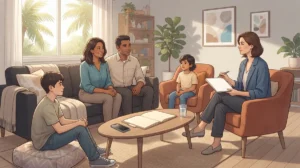
If you’re a parent, you’ve probably had that moment. Your teen used to chatter at dinner. Now they barely look up from their phone. Maybe the slammed doors are more frequent, the grades are slipping, or you just sense something is off. You’re not alone, and you’re not failing. Adolescence is hard, and sometimes teens need a safe space beyond the family kitchen table.
If you’re a teen reading this yourself, welcome. Asking about help takes real courage.
Teen therapy in Brandon, Florida, can help young people handle anxiety, low mood, family conflict, school stress, and more. This guide walks you through eight things to know before you start. We’ll cover what therapy looks like, how to choose a therapist, what it costs, and where to turn in a crisis. Our goal is to make the first step feel a little lighter, so you can feel more confident and less overwhelmed.
1. Why So Many Teens Need Support Right Now
Teen mental health needs are real and widespread. A Florida Health Association behavioral-health brief reports that 15.51% of Florida youth ages 12-17, about 225,000 young people, had at least one major depressive episode in the past year. That same brief found that 61.80% of Florida youth with depression, roughly 146,000, did not receive mental-health treatment. These are statewide numbers, not Brandon-only figures, and the data year should be checked in the brief itself.
Older survey data tells a similar story. The CDC’s 2019 Youth Risk Behavior Survey found that 33.7% of Florida high-school students felt persistently sad or hopeless. A study of Florida public high-school students in 2021 reported 39.3% with those same feelings. These numbers describe specific surveys and samples, not current rates in Brandon.
What does this mean for your family? It means struggling is common, and getting help is a smart, healthy move. Many teens never get that chance, so reaching out puts your family ahead.
2. What Teen Therapy Can Help With
Therapy isn’t only for “big” problems. Teens often come in for everyday struggles that feel huge in the moment. A good clinician will assess your teen’s needs and explain the plan clearly.
Common concerns include:
- Anxiety and worry: racing thoughts, stomachaches, school avoidance, or constant “what if” thinking
- Low mood or depression: sadness, irritability, sleep changes, or losing interest in favorite things
- Trauma and grief: processing loss, scary events, or painful life changes
- Family conflict: frequent arguments, communication breakdowns, or big transitions like divorce
- School stress: perfectionism, pressure, or trouble focusing
- Behavior challenges: anger outbursts, risky choices, or pulling away from friends
If anxiety sounds familiar, our guide on understanding anxiety signs, types, and treatment options is a helpful read. You can also learn more about how depression affects daily life.
3. Signs Your Teen May Need Counseling
Teens don’t always say, “I need help.” They show it through changes. Here are signs worth noticing:
- A shift in mood that lasts. Sadness, irritability, or hopelessness that sticks around for weeks.
- Pulling away. Dropping friends, activities, or family time they once loved.
- Changes in sleep or appetite. Sleeping far too much or too little, or big changes in eating.
- Slipping grades or school refusal. A sudden drop in effort or interest.
- Strong reactions. Frequent anger, tears, or panic that seem out of proportion.
- Talk of hopelessness. Any mention of not wanting to be here needs immediate attention.
You don’t need to be sure something is “wrong” to reach out. A first conversation with a therapist can simply help you understand what’s going on. Many parents tell us they wish they had called sooner.
4. Types of Teen Therapy Care in Brandon
Not every teen needs the same level of support. The right fit depends on an individual assessment. Here’s a simple comparison:
| Level of Care | What It Looks Like | Often a Good Fit For |
|---|---|---|
| Outpatient therapy | Weekly or bi-weekly sessions, in person or online | Anxiety, low mood, stress, family conflict |
| Family therapy | Parents and teen work on communication together | Ongoing conflict or big family changes |
| Telehealth | Video sessions from home | Busy schedules, transportation limits, comfort at home |
| Intensive outpatient (IOP) | Several sessions per week for added structure | Symptoms needing more support than weekly therapy |
| Partial or residential care | Higher-level, structured treatment | Serious safety or functioning concerns |
Most teens start with outpatient counseling, and many do very well there. If your teen needs more, a clinician can help you decide on next steps. Local directories list providers in the Brandon area offering adolescent counseling and specialized substance-use or co-occurring care. Always confirm current services, age limits, and locations directly with each provider.
5. In-Person vs. Online Teen Therapy
Both options can work well, and the best choice depends on your teen’s personality and your schedule. Some teens open up faster face to face in a calm, private office. Others feel more at ease on a screen from their own room.
If you like the idea of an office setting, learn more about in-person therapy in Brandon, Florida. If your family is busy or prefers flexibility, virtual therapy for adolescents in Brandon may be a great fit. You can also read about what makes virtual therapy effective for teens.
A few quick tips for online sessions: find a private, quiet spot, use headphones, and keep a charged device nearby. Teens often do best when they feel in control of their space.
6. How to Choose the Right Teen Therapist
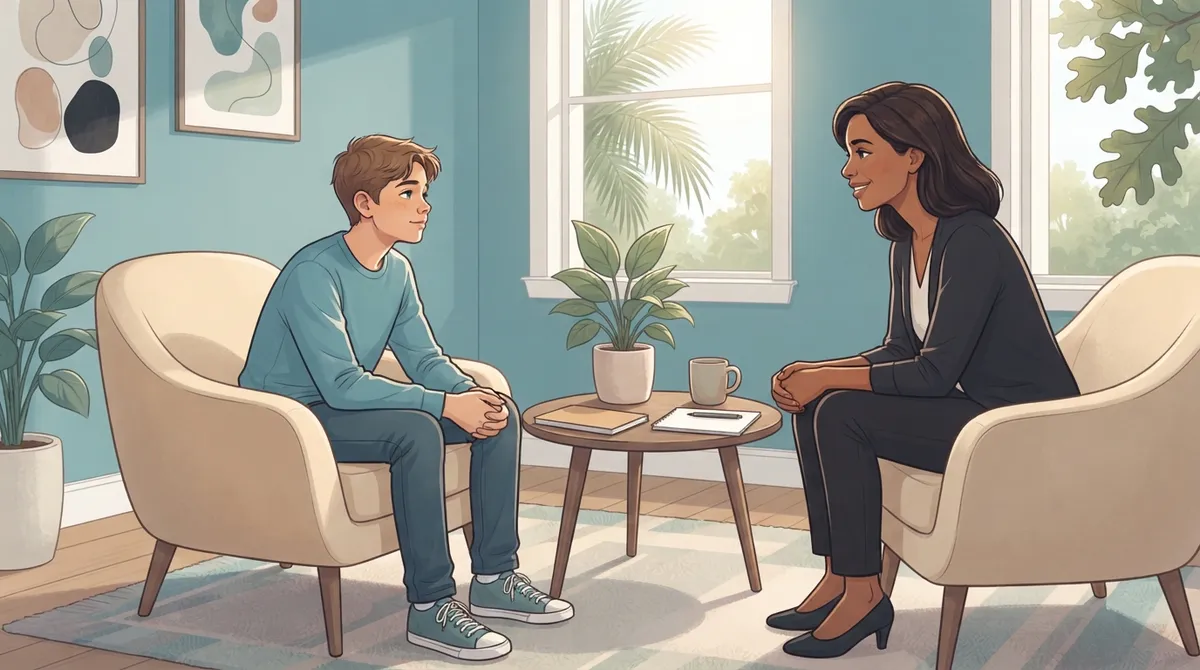
The relationship between your teen and their therapist matters more than almost anything else. Here is a simple checklist to guide you:
- Check Florida licensure. Confirm the clinician is properly licensed.
- Ask about teen experience. Working with adolescents is a specialty, not an afterthought.
- Ask about methods. Look for evidence-based approaches and a clear explanation of the plan.
- Ask about parent involvement. Some therapists include caregivers regularly, others do so as needed.
- Understand confidentiality. Teens usually need privacy to open up, with safety-related limits explained upfront.
- Check scheduling. After-school availability and in-person or telehealth options make a big difference.
- Language needs. If your family prefers Spanish, ask about bilingual care.
It’s also okay if the first therapist isn’t the right match. Good fit matters, and a good therapist will understand that. For more help, read our guide on 7 mistakes to avoid when choosing teen therapy in Brandon.
7. What Therapy with Margaret Deuerlein Looks Like
At West Florida Therapy, Margaret Deuerlein is a caring psychotherapist who works with adolescents and adults. Her approach is warm, steady, and built around your teen’s real life. Services are bilingual (English and Spanish), offered in person in Brandon, and available by telehealth anywhere in Florida.
Here’s what the process looks like:
- Start with a conversation. A free 15-minute consultation to talk about concerns and goals, and to make sure it feels like the right fit.
- Build a personalized plan. Together, you shape a plan around your teen’s experiences and challenges.
- Get steady support. Sessions are weekly or bi-weekly, in person or online, and each one builds on the last.
- Check progress. Regular check-ins celebrate growth and adjust the plan as needed.
Teens may benefit from approaches such as cognitive behavioral therapy for anxiety and low mood, or trauma therapy when past experiences are weighing heavily. If trauma is part of the picture, you may also find these signs your teen needs trauma therapy helpful. To see why therapy can matter at this stage, read 15 reasons adolescents in Brandon need individual therapy.
You can see what others say by visiting West Florida Therapy on Google.
8. Costs, Insurance, and Crisis Support
Let’s talk about the practical stuff. Costs and coverage vary by clinician, plan, and type of service. Before your first visit, contact both your insurer and the provider to confirm network status, copays, deductibles, authorization needs, and telehealth coverage.
West Florida Therapy is currently in-network with several major insurers, including Aetna, Cigna, Florida Blue, Optum, Oscar, and United Health Care. Many families also choose to pay out of pocket for added privacy and flexibility, and HSA and FSA accounts are accepted. Check your own benefits directly, since plans differ. You can review payment options to see what fits your family.
If Your Teen Is in Crisis
Some moments can’t wait for an appointment. If you or your teen are in immediate danger or a mental-health crisis, call or text 988 anywhere in the United States. If there is an immediate threat to life or safety, call 911 or go to the nearest emergency department. Therapy is wonderful for ongoing support, but emergencies need emergency care.
For more information, these trusted resources can help: Florida Department of Health mental health links, Florida Department of Children and Families substance abuse and mental health services, and CDC mental health resources.
Taking the First Step Together
Reaching out for teen therapy in Brandon, Florida, isn’t a sign that something has gone wrong. It’s a sign that someone in your family cares enough to act. Your teen doesn’t have to figure out big feelings alone, and neither do you.
Start small. Notice the signs, ask good questions, and choose a therapist your teen feels comfortable with. Remember that progress often comes in small, steady steps.
Ready to take that step? Contact us to schedule a free 15-minute consultation. We’d be honored to support your teen and your family.
FAQs
Q: How do I find a teen therapist in Brandon, Florida?
A: Start by looking for a Florida-licensed clinician with real experience working with adolescents. Ask about their approach, parent involvement, scheduling, and whether sessions are in person or online. A free consultation is a great way to see if the fit feels right.
Q: Does insurance cover teen therapy in Brandon, FL?
A: Often it does, but coverage depends on your plan and the provider. Call your insurer and the therapist’s office to confirm network status, copays, deductibles, and telehealth coverage before your first visit. Some families also choose to pay out of pocket for added privacy.
Q: Can parents join their teen’s therapy sessions?
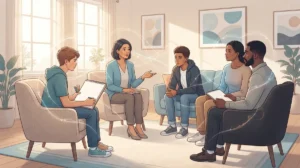
A: Yes, in many cases. Therapists often include parents at certain points, such as during the first meeting or for family sessions. Teens usually still get private time to open up, with safety-related limits on confidentiality explained upfront.
Q: Is online teen therapy available in Brandon, Florida?
A: Yes! Many teens do really well with video sessions from a private spot at home. West Florida Therapy offers in-person visits in Brandon and telehealth throughout Florida, so you can pick what works best for your family.
Q: What should I do if my teen is in a mental-health crisis?
A: If there is immediate danger, call or text 988 in the United States, or call 911 or go to an emergency department for an immediate threat to life or safety. Therapy is wonderful for ongoing support, but emergencies need emergency care right away.