
Key Takeaways
-
Virtual therapy offers teens privacy and comfort, eliminating the stigma of traditional counseling.
-
Secure video platforms allow adolescents to receive professional mental health support from home.
-
Flexible scheduling means teens can attend therapy around their busy academic and personal commitments.
-
Cognitive Behavioral Therapy (CBT) techniques help teens identify and transform negative thought patterns digitally.
-
Licensed therapists in Brandon provide specialized care tailored to adolescent mental health challenges.
-
Family involvement and collaborative treatment approaches strengthen support systems for struggling teenagers.
-
Virtual Intensive Outpatient Programs offer comprehensive mental health support without requiring residential treatment.
Teenagers today face unique challenges that previous generations never had to deal with. Between social media pressures, academic stress, and family dynamics, many adolescents in Brandon struggle with their mental health. Virtual therapy has become a game-changer for teens who need support but face barriers to traditional in-person care. This modern approach to mental health treatment offers flexibility, privacy, and accessibility that resonates with how young people live and communicate today.
At West Florida Therapy, we understand that reaching teens where they are makes all the difference. Virtual therapy breaks down the walls that often keep adolescents from getting the help they need. Whether your teen is dealing with anxiety, depression, relationship issues, or just navigating the difficult transition to adulthood, online counseling provides a comfortable space for healing and growth.
This article explores everything you need to know about virtual therapy for adolescents in Brandon. We’ll cover how it works, what conditions it treats, the benefits it offers, and how to find the right therapist for your teen. By the end, you’ll have the knowledge to make an informed decision about whether virtual therapy is the right choice for your family.

Understanding Virtual Therapy for Adolescents
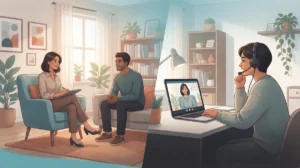
Virtual therapy is professional mental health counseling delivered through secure video conferencing platforms. Instead of sitting in an office, teens connect with licensed therapists from the comfort of their own homes. The quality of care remains just as high as traditional therapy, but the delivery method changes to fit modern lifestyles.
For adolescents aged 13 to 17, this format often feels more natural than face-to-face meetings. Many teens already spend significant time on screens and feel comfortable expressing themselves through digital platforms. This familiarity can actually help them open up more quickly with their therapist.
Licensed mental health professionals in Brandon offer virtual services that include individual therapy, group sessions, and family counseling. These therapists hold credentials like LCSW, LMHC, and other state-recognized certifications. The Florida Department of Health regulates these professionals to ensure they meet strict standards of care.
How Virtual Sessions Work
Virtual therapy sessions happen through HIPAA-compliant video platforms that protect your teen’s privacy. Before the first session, you’ll receive instructions on how to log in and test your connection. Most sessions last between 45 and 60 minutes, just like traditional therapy appointments.
During the session, your teen and the therapist can see and hear each other clearly. The therapist may use interactive tools like digital whiteboards, worksheets, or mood tracking apps. These tools make the experience engaging and help teens visualize their progress over time.
Parents typically participate in the initial assessment and may join periodic sessions to discuss progress. However, most of the therapy time focuses on building a one-on-one relationship between the teen and therapist. This privacy helps adolescents feel safe sharing their thoughts and feelings without fear of judgment.

Mental Health Challenges Facing Brandon Teenagers
Adolescents in Brandon face many of the same struggles as teens nationwide, but some local factors make mental health support especially important. Understanding these challenges helps explain why virtual therapy has become so valuable for families in our community.
Common Mental Health Issues in Teens
Several mental health conditions frequently affect adolescents:
- Anxiety disorders that cause excessive worry about school, social situations, or the future
- Depression marked by persistent sadness, loss of interest, and changes in sleep or appetite
- Social anxiety that makes it difficult to interact with peers or speak in class
- Attention difficulties that impact academic performance and self-esteem
- Eating disorders related to body image and control issues
- Self-harm behaviors used as unhealthy coping mechanisms for emotional pain
Pressures Unique to Modern Adolescence
Today’s teens navigate challenges that didn’t exist a generation ago. Social media creates constant pressure to present a perfect image while comparing themselves to carefully curated online personas. Cyberbullying follows students home from school, eliminating safe spaces where they once found relief.
Academic pressure has intensified as college admissions become more competitive. Teens feel they must excel in classes, sports, clubs, and volunteer work simultaneously. This pressure cooker environment leaves little time for rest or self-care, leading to burnout and anxiety.
Family dynamics also contribute to teen stress. Divorce, financial struggles, or conflicts at home create additional emotional burdens. Some teens serve as caregivers for younger siblings or work part-time jobs to help support their families. These adult responsibilities can overwhelm developing minds.

Benefits of Virtual Therapy for Teenagers
Virtual therapy offers several advantages that make it particularly effective for adolescents. These benefits address both practical concerns and the emotional needs of teens who might otherwise avoid treatment.
Reduced Stigma and Increased Privacy
Many teenagers worry about being seen entering a therapist’s office. They fear classmates might judge them or spread rumors about their mental health. Virtual therapy eliminates this concern completely. Your teen can attend sessions from home without anyone knowing they’re receiving support.
The anonymity of virtual care encourages teens to seek help earlier. They don’t have to worry about who might see their car in the parking lot or running into someone they know in the waiting room. This privacy removes a significant barrier that keeps many adolescents from getting the care they need.
Convenience and Flexibility
Virtual therapy fits seamlessly into busy teenage schedules. Your teen can attend sessions:
- After school without needing a ride across town
- During lunch breaks for quick check-ins with their therapist
- On weekends without disrupting family activities
- Late in the evening when many teens feel most comfortable opening up
This flexibility means fewer missed appointments due to transportation issues or scheduling conflicts. Consistent attendance leads to better treatment outcomes and faster progress toward mental health goals.
Comfort and Familiarity
Teens often feel more relaxed in their own environment. Being in a familiar space helps them open up more naturally than they might in an unfamiliar office. They can have comfort items nearby, sit in their favorite chair, or even have a pet present during sessions.
The digital format also aligns with how teens naturally communicate. They’re used to video calls with friends and expressing themselves through screens. This familiarity translates to therapy, making the process feel less intimidating and more like a natural conversation.

Therapeutic Approaches Used in Virtual Teen Therapy
Licensed therapists in Brandon use evidence-based techniques that work effectively in virtual settings. These approaches have been proven to help adolescents work through mental health challenges and develop healthier coping strategies.
Cognitive Behavioral Therapy (CBT)
CBT helps teens identify negative thought patterns and replace them with healthier ones. This approach teaches practical skills for managing anxiety, depression, and other mood issues. Therapists might use digital worksheets or mood tracking apps to help teens practice CBT techniques between sessions.
In virtual sessions, teens learn to recognize the connection between their thoughts, feelings, and behaviors. They practice challenging distorted thinking and developing more balanced perspectives. These skills become tools they can use throughout their lives whenever they face difficult situations.
Dialectical Behavior Therapy (DBT)
DBT focuses on four key areas:
- Mindfulness to stay present and reduce overwhelming emotions
- Distress tolerance for surviving crisis situations without making things worse
- Emotion regulation to understand and manage intense feelings
- Interpersonal effectiveness for communicating needs and setting boundaries
This approach works especially well for teens who experience intense emotions or engage in self-destructive behaviors. Virtual DBT sessions include skills training and practice exercises that teens can apply immediately to real-life situations.
Family Therapy Components
Most virtual therapy programs for adolescents include family involvement. Parents and siblings can join sessions from different locations, making it easier to coordinate schedules. Family therapy helps improve communication, resolve conflicts, and strengthen relationships.
Therapists work with families to understand how family dynamics impact the teen’s mental health. They teach parents effective ways to support their adolescent while maintaining appropriate boundaries. This collaborative approach leads to lasting change that extends beyond individual therapy sessions.
The Initial Assessment Process
Starting virtual therapy involves several steps designed to ensure your teen receives personalized care. Understanding this process helps families feel prepared and confident about beginning treatment.
What to Expect in the First Session
The initial assessment typically lasts longer than regular sessions, often 60 to 90 minutes. During this time, the therapist will:
- Review confidentiality policies and explain what information they may share with parents
- Gather background information about your teen’s developmental history and family situation
- Discuss current symptoms, challenges, and what prompted seeking therapy
- Explore your teen’s strengths, interests, and support systems
- Establish treatment goals and create a preliminary plan
Comprehensive Evaluation Tools
Therapists may use standardized psychological assessments to better understand your teen’s needs. These might include questionnaires about mood, anxiety levels, behavior patterns, or specific symptoms. Both teens and parents often complete separate forms to provide different perspectives.
The results help therapists identify specific diagnoses and track progress over time. These assessments are not tests your teen can fail. They’re simply tools to gather accurate information about their mental health and create the most effective treatment plan possible.
Creating a Tailored Treatment Plan
Based on the assessment, your teen’s therapist will develop a customized treatment plan. This plan outlines specific goals, therapeutic techniques to be used, and expected frequency of sessions. The plan remains flexible and can be adjusted as your teen progresses through therapy.
Most adolescents begin with weekly sessions, though some may benefit from more frequent meetings initially. West Florida Therapy offers various session frequencies to match your teen’s needs and your family’s schedule. The therapist will discuss recommendations and work with you to find the right balance.
Finding the Right Virtual Therapist in Brandon
Choosing a therapist is one of the most important decisions you’ll make for your teen’s mental health. The right match can make the difference between successful treatment and a frustrating experience that doesn’t lead to meaningful change.
Important Credentials and Qualifications
Look for therapists who are fully licensed in Florida. Key credentials include:
| Credential | Full Title | Specialization |
|---|---|---|
| LCSW | Licensed Clinical Social Worker | Mental health counseling with focus on social systems |
| LMHC | Licensed Mental Health Counselor | Therapy for various mental health conditions |
| LMFT | Licensed Marriage and Family Therapist | Relationship and family dynamics |
| PsyD/PhD | Doctor of Psychology | Complex diagnoses and psychological testing |
Beyond basic licensing, consider therapists with additional training in adolescent development and teen-specific issues. Experience working with teenagers matters because adolescent brains and emotional needs differ significantly from adults.
Questions to Ask During Your Search
When researching potential therapists, consider asking:
- What percentage of your practice focuses on adolescents?
- What therapeutic approaches do you use with teens?
- How do you involve parents in the treatment process?
- What is your availability for appointments?
- Do you accept our insurance or offer payment plans?
- How do you handle emergency situations between sessions?
The Importance of the Therapeutic Relationship
Research shows that the relationship between therapist and client matters more than the specific techniques used. Your teen needs to feel comfortable, understood, and respected by their therapist. If the connection doesn’t feel right after a few sessions, it’s okay to try someone else.
Many therapists in Brandon offer free initial consultations. These brief meetings let you and your teen get a feel for the therapist’s style before committing to treatment. Take advantage of these opportunities to find the best fit for your family’s needs.
Virtual Intensive Outpatient Programs
Some teens need more support than weekly therapy can provide but don’t require hospitalization. Virtual intensive outpatient programs (IOPs) fill this important gap in care for adolescents facing serious mental health challenges.
Structure and Time Commitment
Virtual IOPs typically require teens to participate in multiple therapy sessions each week. A typical schedule might include:
- Three to five group therapy sessions per week (90 minutes each)
- One to two individual therapy sessions weekly
- One family therapy session per week
- Psychiatric medication management if needed
This intensive approach provides comprehensive support while allowing teens to continue living at home and attending school. The virtual format makes this level of care accessible to families who might not be able to travel to a treatment facility multiple times per day.
When IOPs Are Recommended
Therapists may recommend an IOP for teens who:
- Have not improved with traditional outpatient therapy alone
- Experience severe symptoms that interfere with daily functioning
- Are transitioning home after inpatient psychiatric treatment
- Need more structure and support than weekly therapy provides
- Have co-occurring conditions that require integrated treatment
The Florida Department of Children and Families provides resources for families seeking intensive mental health services for adolescents. Virtual IOPs offer a middle ground between outpatient care and residential treatment.
Insurance Coverage and Cost Considerations
Understanding the financial aspects of virtual therapy helps families plan for this important investment in their teen’s wellbeing. Many insurance plans now cover telehealth services at the same rate as in-person visits.
Navigating Insurance Benefits
Most major insurance providers in Florida cover virtual mental health services for adolescents. Contact your insurance company to verify:
- Whether telehealth is covered under your mental health benefits
- What your copay or coinsurance amount will be per session
- If you need a referral from your primary care physician
- How many sessions are covered per year
- Whether your chosen therapist is in-network
Many Brandon therapists can verify your insurance benefits before your first appointment. This prevents surprise bills and helps you understand your financial responsibility upfront.
Out-of-Pocket Options
If your insurance doesn’t cover virtual therapy or you prefer not to use insurance, many therapists offer self-pay rates. Prices typically range from $100 to $200 per session in the Brandon area. Some therapists provide sliding scale fees based on family income.
Consider that investing in your teen’s mental health now can prevent more serious and costly problems later. Early intervention often leads to better outcomes and helps teens develop healthy coping skills that benefit them throughout life.
Parent Involvement in Virtual Therapy
Your role as a parent remains crucial even though your teen is working with a professional therapist. Finding the right balance between support and independence helps maximize treatment effectiveness.
How Parents Can Support Their Teen
There are many ways to support your adolescent during virtual therapy:
- Ensure they have a private, quiet space for sessions
- Help them remember appointment times and log in on schedule
- Avoid interrupting during sessions unless there’s an emergency
- Check in afterward without demanding details about what was discussed
- Practice skills or strategies the therapist suggests between sessions
- Attend family sessions when invited
Understanding Confidentiality Boundaries
Therapists must maintain confidentiality with teen clients, but this doesn’t mean parents are completely shut out. Therapists typically explain their confidentiality policies during the first session. Generally, they will share information about:
- Treatment goals and progress toward those goals
- Recommendations for supporting your teen at home
- Any safety concerns that arise
However, therapists won’t share specific details about what your teen discusses in private sessions unless your teen gives permission or there’s a safety concern. This privacy helps build trust between your teen and their therapist, which is essential for effective treatment.
When to Seek Additional Support
Sometimes parents benefit from their own therapy or support groups. Raising a teenager with mental health challenges can be stressful and isolating. The CDC offers resources for parents supporting children with mental health needs. Taking care of your own wellbeing makes you better equipped to help your teen.
Technology Requirements and Troubleshooting
Virtual therapy requires some basic technology, but you don’t need anything fancy. Most families already have what they need to get started with online counseling.
Essential Equipment and Software
To participate in virtual therapy, your teen will need:
| Requirement | Options | Notes |
|---|---|---|
| Device | Computer, tablet, or smartphone | Larger screens work better but phone is acceptable |
| Internet | Broadband or reliable cellular data | Minimum 3 Mbps download speed recommended |
| Webcam | Built-in or external camera | Most modern devices have cameras included |
| Audio | Built-in speakers/mic or headphones | Headphones provide better privacy |
Creating the Right Environment
Help your teen set up a space that supports effective therapy sessions. The ideal location should be:
- Private where siblings or family members won’t interrupt
- Quiet with minimal background noise
- Well-lit so the therapist can see your teen clearly
- Comfortable with a chair that provides good posture
If privacy at home is difficult, consider letting your teen use a parked car, a quiet corner of the library during evening hours, or even a backyard space with a portable device. The key is finding somewhere your teen feels safe to speak freely.
Measuring Progress and Treatment Success
Therapy is an investment of time, energy, and money. Families naturally want to know whether it’s working and how to recognize signs of improvement in their teen.
Signs Your Teen Is Benefiting from Therapy
Progress in therapy doesn’t always look dramatic. Watch for subtle changes like:
- Better communication about feelings and needs
- Using coping skills when stressed instead of melting down
- Improved relationships with family members or friends
- More consistent school attendance and performance
- Reduced frequency or intensity of symptoms
- Greater willingness to try new activities or face challenges
Realistic Expectations and Timeline
Mental health treatment takes time. Most teens need at least three to six months of consistent therapy before seeing significant improvement. Some may need longer depending on the severity of their symptoms and how long they’ve been struggling.
Don’t expect linear progress. Your teen may have good weeks and difficult weeks. This is normal and doesn’t mean therapy isn’t working. The overall trend matters more than day-to-day fluctuations in mood or behavior.
Adjusting Treatment as Needed
Good therapists regularly assess whether their approach is working and make adjustments when necessary. If your teen isn’t making progress after several months, their therapist might:
- Try different therapeutic techniques
- Recommend more frequent sessions
- Suggest evaluation by a psychiatrist for medication
- Refer to a specialist for specific issues
- Increase family involvement in treatment
Open communication between you, your teen, and the therapist ensures everyone stays on the same page about treatment goals and progress.
Taking the First Step Toward Better Mental Health
Virtual therapy for adolescents in Brandon offers a practical, effective solution for teens who need mental health support. The convenience, privacy, and accessibility of online counseling remove many barriers that once kept young people from getting help. With over 1,400 licensed therapists offering virtual services throughout Florida, families have plenty of options to find the right fit.
The evidence-based approaches used in virtual therapy, including CBT and DBT, help teens develop lasting skills for managing their emotions and navigating life’s challenges. Whether your adolescent is dealing with anxiety, depression, social struggles, or family conflicts, virtual therapy provides professional support in a format that resonates with how teens naturally communicate.
Margaret Deuerlein at West Florida Therapy understands the unique needs of adolescents and offers compassionate, effective virtual therapy services. As a caring psychotherapist, she creates a safe space where teens feel comfortable opening up about their struggles and working toward meaningful change. Her bilingual services in English and Spanish make quality mental health care accessible to more families in the Brandon community.
Don’t wait until your teen’s struggles become overwhelming. Early intervention leads to better outcomes and helps prevent more serious mental health problems down the road. Virtual therapy makes it easier than ever to get started, with flexible scheduling and the comfort of connecting from home. Reach out today to learn more about how virtual therapy can support your adolescent’s mental health journey. You can also visit us on Google to see what other families have experienced working with our practice.
FAQs
Q: Is virtual therapy as effective as in-person therapy for teenagers?
A: Yes, research shows virtual therapy is just as effective as in-person treatment for most adolescent mental health conditions. Teens often feel more comfortable opening up through digital platforms, which can actually enhance the therapeutic relationship. The key is finding a qualified, licensed therapist who specializes in adolescent care and using evidence-based techniques like CBT or DBT.
Q: How do I know if my teen needs therapy?
A: Watch for warning signs like persistent sadness, withdrawal from activities they once enjoyed, declining grades, changes in sleep or eating patterns, increased irritability, or talk of self-harm. If your teen’s struggles interfere with daily life for more than two weeks or you’re concerned about their safety, it’s time to seek professional help. Trust your instincts as a parent.
Q: Will my teen’s virtual therapy sessions be completely private?
A: Yes, virtual therapy sessions use HIPAA-compliant platforms that protect your teen’s privacy. Therapists maintain confidentiality about session content unless there’s a safety concern involving harm to your teen or others. However, therapists typically share general progress updates and treatment recommendations with parents while respecting your teen’s privacy about specific discussions.
Q: What if my teen doesn’t want to do therapy?
A: Resistance to therapy is common among adolescents. Start by having an open, non-judgmental conversation about their concerns. Emphasize that therapy is a safe space to talk about anything without fear of punishment. Let them have input in choosing their therapist and assure them that what they discuss remains private. Sometimes just starting with one session helps teens realize therapy isn’t as scary as they imagined.
Q: How long will my teen need to be in therapy?
A: The duration varies based on your teen’s specific needs and treatment goals. Some teens benefit from short-term therapy lasting a few months, while others need longer-term support. Most adolescents see improvement within three to six months of consistent weekly sessions. Your teen’s therapist will regularly assess progress and discuss when it might be appropriate to reduce session frequency or conclude treatment.