Key Takeaways
-
Mood disorders like Major Depressive Disorder and Bipolar Disorder are highly treatable conditions affecting millions; early intervention with professional assessment is crucial to prevent prolonged suffering and improve outcomes.
-
Evidence-based therapies such as Cognitive Behavioral Therapy (CBT), Dialectical Behavior Therapy (DBT), and Acceptance and Commitment Therapy (ACT) are effective first-line treatments that produce lasting changes beyond symptom relief.
-
Brandon residents can access mood disorder treatment through both in-person and telehealth formats, with insurance coverage available through major providers like Aetna, Cigna, and Florida Blue, plus out-of-pocket options.
-
When therapy and medication alone don’t provide sufficient relief, specialized treatments like Transcranial Magnetic Stimulation (TMS) are FDA-cleared options worth discussing with your care team.
-
Bilingual and culturally sensitive services in English and Spanish are available to ensure language barriers don’t prevent Hispanic and Spanish-speaking adults from accessing quality mental health care.
-
A team-based approach coordinating between therapists, psychiatrists, and primary care doctors ensures comprehensive, ongoing monitoring and medication adjustment for optimal treatment outcomes.
If your emotions have felt out of control lately — or perhaps flat and empty for weeks — you are not alone. Mood disorders affect millions of people across the United States, and many residents in the Brandon, Florida area are quietly struggling without the help they deserve. The good news? Effective mood disorder treatment in Brandon is more accessible than ever, whether you prefer in-person sessions or the convenience of telehealth. This guide walks you through what mood disorders look like, when to seek help, and how to take your first step toward feeling better.
What Are Mood Disorders and Who Do They Affect?
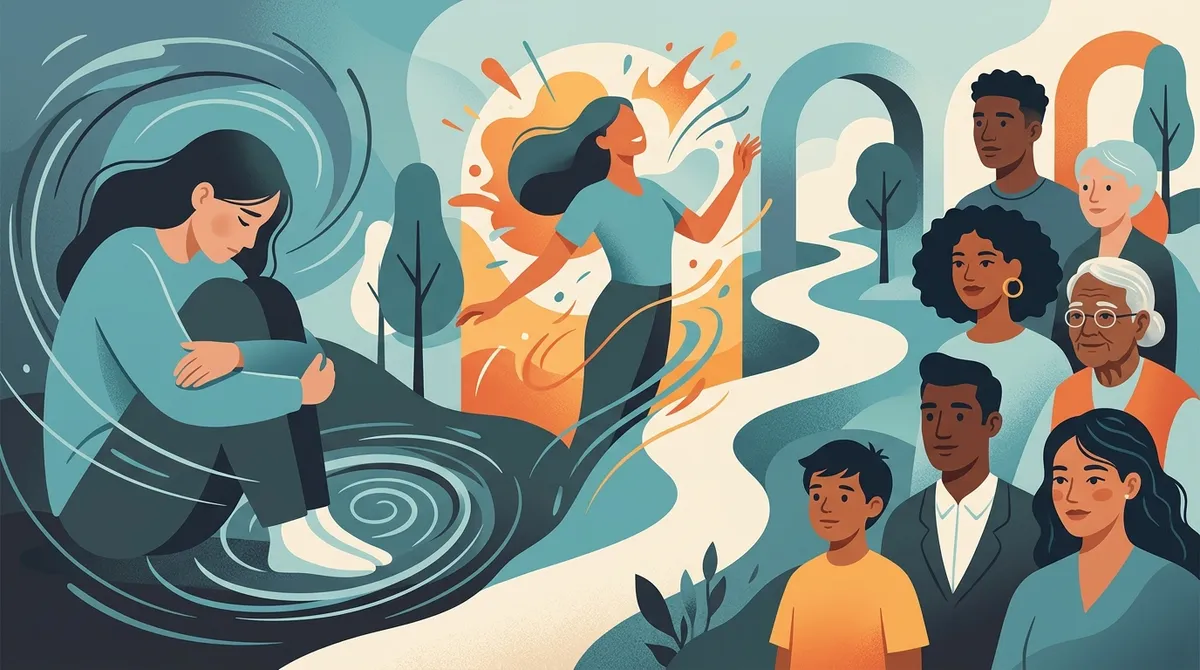
Mood disorders are mental health conditions that affect how you feel emotionally on a daily basis. They go beyond ordinary sadness or occasional stress. These are persistent patterns that interfere with work, relationships, sleep, and your overall quality of life. According to the Mental Health Resources from the CDC, mental health conditions like mood disorders are among the most common health challenges adults face today.
The most common mood disorders include:
- Major Depressive Disorder (MDD): Persistent low mood, hopelessness, and loss of interest lasting two weeks or longer
- Bipolar Disorder: Cycles of depression and elevated or manic moods that are hard to control
- Dysthymia (Persistent Depressive Disorder): A milder but long-lasting form of depression
- Cyclothymia: Milder mood swings that cycle between low and elevated states over time
- Seasonal Affective Disorder: Mood changes tied to seasonal light shifts, often worsening in winter
About 21 million U.S. adults experienced at least one major depressive episode in recent years, according to national survey data. Bipolar disorder affects an estimated 5.7 million American adults in any given year. These numbers are a reminder that mood disorders are common — and treatable.
Signs You Should Seek Mood Disorder Treatment in Brandon
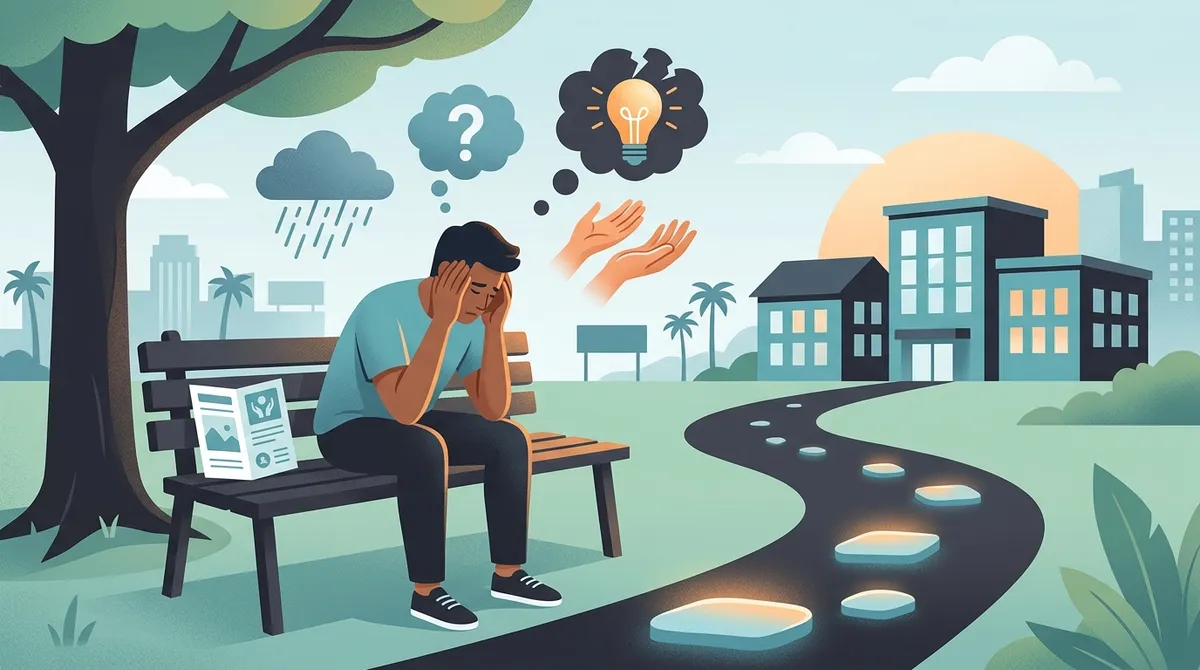
Knowing when to reach out for help can be the hardest part. Many people wait months or even years before seeking support. The earlier you get help, the sooner you can start feeling like yourself again. Watch for these warning signs that it may be time to connect with a mental health professional:
- Persistent sadness or emptiness that lasts for weeks
- Sudden mood swings that feel impossible to control
- Loss of interest in activities you used to enjoy
- Difficulty sleeping — either too much or too little
- Changes in appetite or body weight without trying
- Trouble concentrating, making decisions, or staying focused
- Feelings of worthlessness, excessive guilt, or hopelessness
- Irritability, restlessness, or anger that feels out of proportion
- Withdrawing from family, friends, or social activities
If several of these resonate with you, it is worth talking to a therapist. You can learn more about what depression looks like in daily life in this helpful guide: What Is Depression and How Does It Affect Your Daily Life?
How to Choose the Right Type of Treatment
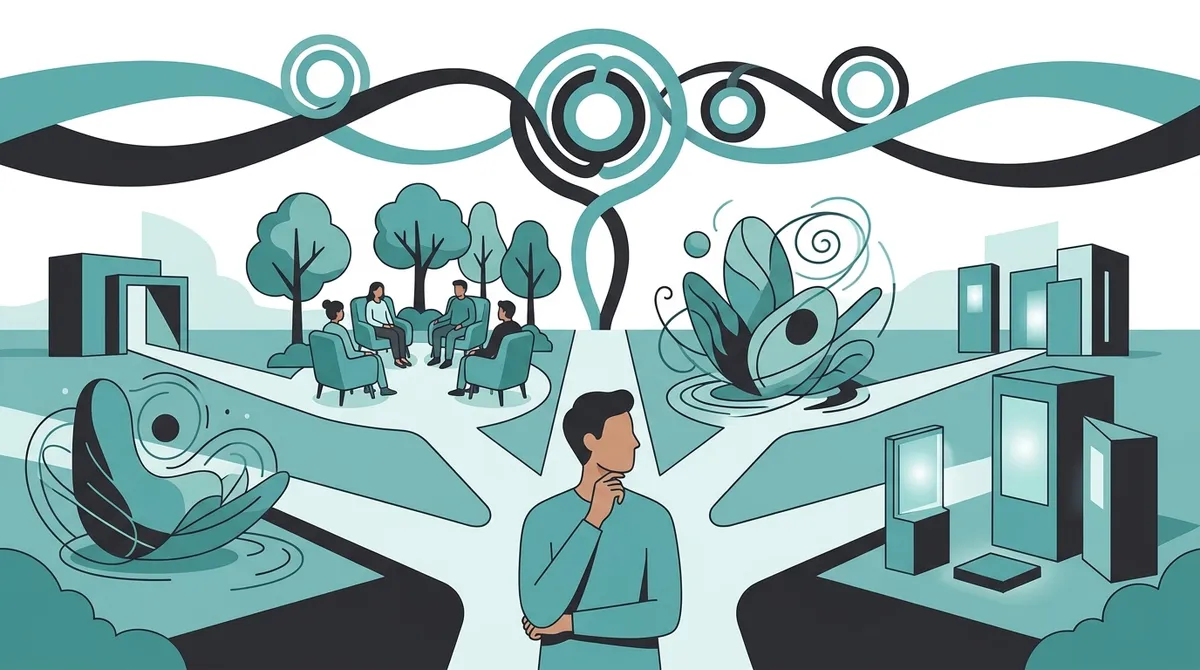
Mood disorder treatment is not one-size-fits-all. The best approach depends on your specific diagnosis, the severity of your symptoms, and your personal preferences. Here is a step-by-step guide to help you make sense of your options:
Step 1: Start with a Professional Assessment
Before anything else, you need a proper evaluation. A licensed therapist or mental health professional will ask you about your symptoms, history, and how your mood affects your daily life. This conversation shapes your entire treatment plan. Think of it as the foundation everything else is built on. At West Florida Therapy, this starts with a free 15-minute phone consultation so you can ask questions and feel comfortable before committing.
Step 2: Explore Psychotherapy Options
Talk therapy is often the first and most powerful step in treating mood disorders. Research consistently shows that therapy produces lasting changes that go beyond symptom relief. It helps you understand the root causes of your mood patterns and build lasting coping skills. Common evidence-based approaches include:
- Cognitive Behavioral Therapy (CBT): One of the most widely used therapies for depression and mood symptoms. CBT helps you identify and challenge negative thought patterns that fuel your low mood. Learn more in this complete guide to Cognitive Behavioral Therapy.
- Dialectical Behavior Therapy (DBT): Especially helpful for people who struggle with intense emotions, mood swings, or impulsive behaviors. DBT builds emotional balance through mindfulness and practical coping skills.
- Acceptance and Commitment Therapy (ACT): Teaches you to accept difficult emotions rather than fight them — and commit to meaningful action anyway. See how ACT therapy helps in Brandon.
- Interpersonal Therapy (IPT): Focuses on improving relationships and communication patterns that may be contributing to depressive episodes. Explore how interpersonal therapy changes lives.
Step 3: Consider Whether Medication Evaluation Is Right for You
For some people, therapy alone provides significant relief. For others, medication plays an important supporting role. Antidepressants, mood stabilizers, and other psychiatric medications can help balance brain chemistry when mood disorders are more severe. It is worth knowing that a substantial share of people with depression do not fully respond to a first medication — which is why having an individualized plan with ongoing monitoring matters so much.
If your therapist believes medication may help, they can coordinate care with a psychiatrist or your primary care doctor. This team-based approach ensures nothing falls through the cracks. You can also explore natural ways to support your mood alongside professional treatment.
Step 4: Ask About Specialized Treatments When Needed
When depression has not improved with therapy and medication alone, there are additional options worth discussing with your care team. Transcranial Magnetic Stimulation (TMS) is a noninvasive, FDA-cleared treatment for major depressive disorder that some Brandon-area practices offer. TMS uses magnetic pulses to stimulate areas of the brain involved in mood regulation. It is typically considered when first-line treatments have not produced enough relief.
Comparing Common Mood Disorder Treatment Approaches
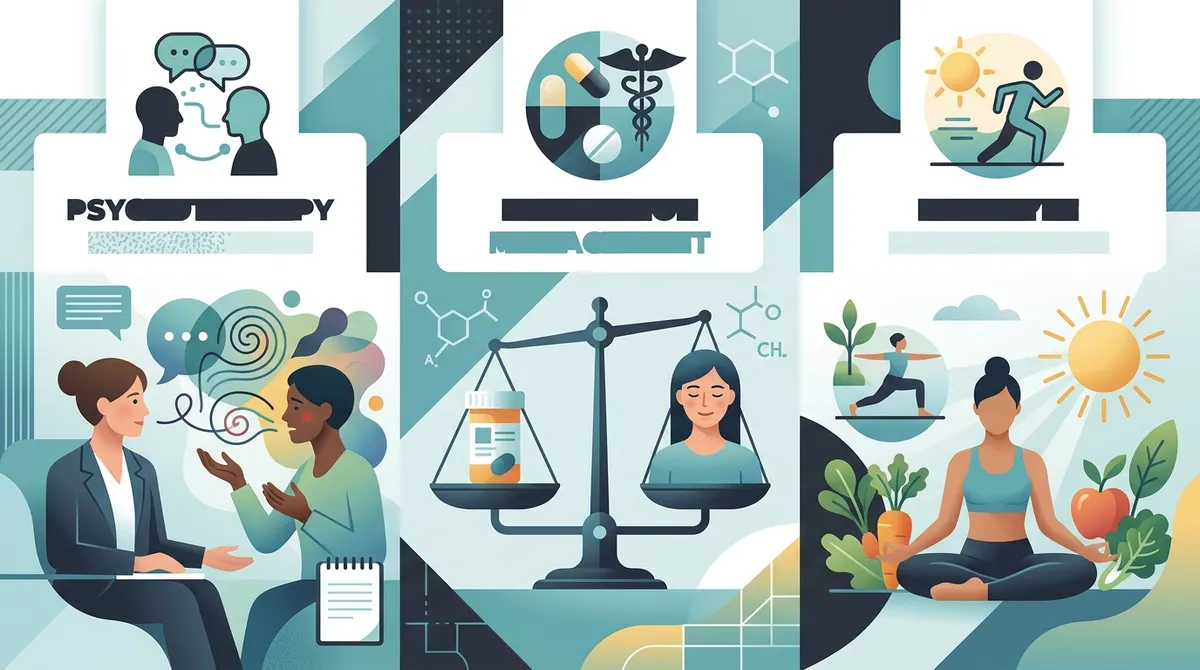
Here is a simple overview to help you understand the differences between common treatment options:
| Treatment Type | Best For | Format | Typical Duration |
|---|---|---|---|
| Individual Therapy (CBT, DBT, ACT) | Depression, anxiety, mood swings | In-person or telehealth | Weeks to months (ongoing) |
| Psychiatric Medication Management | Moderate to severe symptoms | In-person (coordinated care) | Ongoing with monitoring |
| Couples Therapy | Mood disorders affecting relationships | In-person or telehealth | Varies by couple |
| TMS Therapy | Treatment-resistant depression | In-person (specialized clinic) | Several weeks of sessions |
| Telehealth Therapy | Anyone across Florida seeking convenience | Virtual (video/phone) | Ongoing |
How Mood Disorders Affect Different Groups
Mood disorders show up differently depending on who you are, your life stage, and your personal history. Understanding this helps you find care that truly fits your situation.
Adolescents and Teens
Teenagers dealing with depression or bipolar disorder may show irritability more than sadness. They may withdraw from friends, lose interest in school, or act out in ways that look like behavioral problems. If your teen seems like a different person lately, it may be time to explore virtual therapy for adolescents in Brandon or in-person options close to home.
Young Adults and Millennials
Young adults aged 18–35 show the highest rates of treatment-seeking for mental health in 2026. Life transitions — starting college, entering the workforce, navigating relationships — can trigger or worsen mood symptoms. The pressure is real, and so is the help available. Many find that telehealth therapy in Florida makes it easier to fit sessions into a busy schedule without sacrificing quality care.
Spanish-Speaking Adults
Language should never be a barrier to mental health care. Many Hispanic adults in Florida face a double challenge: navigating emotional pain while struggling to find culturally sensitive, bilingual support. At West Florida Therapy, bilingual services in English and Spanish are available so you can express yourself fully and be truly heard. Reaching out for help in your own language makes all the difference.
Couples and Families
When one partner lives with a mood disorder, the relationship often carries the weight of it. Communication breaks down. Intimacy fades. Conflict increases. Couples therapy can help both partners understand the disorder, improve communication, and rebuild connection. It is not just about fixing problems — it is about growing stronger together.
What to Expect from the Treatment Process
Starting treatment can feel intimidating, especially if you have never been to therapy before. Here is a simple breakdown of what the process typically looks like:
- Initial Consultation: A brief phone or video call to discuss your concerns, goals, and fit with the therapist. This is your chance to ask questions with no pressure.
- Personalized Treatment Plan: Together with your therapist, you build a plan tailored to your specific symptoms, history, and goals. No cookie-cutter approaches here.
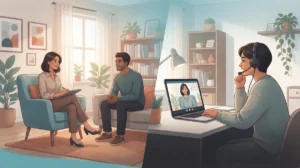
- Regular Sessions: You meet weekly or bi-weekly, either in-person or via telehealth. Each session builds on the last, helping you develop skills and process your experiences.
- Progress Check-Ins: Your therapist regularly reviews how you are doing and adjusts the plan as needed. Growth is celebrated, and setbacks are addressed with compassion.
You can read more about the therapy process at West Florida Therapy to know exactly what to expect before your first session.
Does Insurance Cover Mood Disorder Treatment in Brandon?
The short answer is: often yes. Mental health services are considered essential care under most major insurance plans. West Florida Therapy works with several major insurance providers including Aetna, Cigna, Florida Blue, Optum, Oscar, and United Health Care. For those who prefer privacy and flexibility, out-of-pocket payment is also accepted, as are major credit cards, HSA, and FSA accounts.
If you are unsure about your benefits, it is always a good idea to call your insurance carrier directly and ask about your mental health coverage, copayments, and deductible requirements. You can also visit Florida’s Substance Abuse & Mental Health resources for additional support options in the state. Additional community resources are also listed through Florida’s Mental Health Links from the Florida Department of Health.
Telehealth vs. In-Person: Which Is Right for You?
Both options have real advantages. Choosing between them depends on your lifestyle, comfort level, and the severity of your symptoms. Here is a quick comparison:
| Factor | In-Person Therapy | Telehealth Therapy |
|---|---|---|
| Convenience | Requires travel to office | Join from anywhere in Florida |
| Connection | Face-to-face warmth | Video session with similar benefits |
| Best For | Those who prefer physical presence | Busy schedules, rural locations, mobility limits |
| Availability | Brandon, FL office | All of Florida |
West Florida Therapy offers both formats. If you are in the Brandon area, in-person therapy in Brandon, Florida provides the warmth of face-to-face connection. If life keeps you on the go, virtual therapy for adults is a genuine game-changer.
Meet Margaret Deuerlein: A Therapist Who Truly Cares
When you are looking for mood disorder treatment in Brandon, it matters who you work with. Margaret Deuerlein is a licensed and certified psychotherapist with a warm, compassionate approach to care. She specializes in helping adults and adolescents work through depression, anxiety, trauma, and mood-related challenges — in both English and Spanish. Margaret believes that real change is possible for every person, and her sessions reflect that belief through patience, skill, and genuine investment in your wellbeing.
If you are curious about what working with Margaret looks like, you can visit West Florida Therapy on Google to read reviews from real clients who have found their way through difficult times with her support.
Taking the First Step Toward Better Mood Health
You do not have to wait until things get worse before asking for help. Whether you are dealing with persistent sadness, unpredictable mood swings, or a heaviness that just will not lift, mood disorder treatment in Brandon can help you reclaim your emotional balance and start living with more joy, stability, and confidence.
Reaching out is the bravest thing you can do. And you do not have to figure it all out before you make the call. You just have to take that one first step. To learn more about how therapy can help you navigate mood disorders, explore this resource on how therapy helps in recovering from depression. You can also explore mood disorder therapy for emotional well-being and stability to understand what a personalized treatment journey might look like for you.
Ready to feel better? Reach out to our team at West Florida Therapy and schedule your free 15-minute consultation today. Healing is possible — and it starts with one courageous conversation.
FAQs
Q: What is the best treatment for mood disorders in Brandon, FL?
A: The best treatment really depends on your individual situation — your diagnosis, the severity of your symptoms, and what feels right for you. Many people benefit most from a combination of evidence-based therapy like CBT or DBT along with regular support from a caring therapist. Some may also benefit from medication management or other specialized options. The key is getting a proper evaluation so your treatment plan is personalized just for you.
Q: Do I need a psychiatrist or a therapist for mood disorder treatment?
A: That is a great question! Many people start with a licensed therapist and find that therapy alone provides significant relief. If medication may also be helpful, your therapist can coordinate with a psychiatrist or your primary care doctor. Think of it as a team working together to support you — you do not have to navigate it alone.
Q: Are there mood disorder providers in Brandon that offer telehealth?
A: Absolutely! West Florida Therapy offers both in-person sessions in Brandon and telehealth therapy available throughout all of Florida. Telehealth is a fantastic option if you have a busy schedule, live farther away, or simply prefer the comfort of connecting from home. The quality of care is just as warm and effective either way.
Q: How long does mood disorder treatment usually take?
A: There is no single timeline — it truly varies from person to person. Some people notice meaningful improvement within a few weeks of starting therapy, while others benefit from longer-term support. The good news is that your therapist will regularly check in on your progress and adjust your plan as you grow, so you are never stuck in one place. Every step forward counts!
Q: Does insurance cover mood disorder treatment in Brandon?
A: In most cases, yes! Mental health services are considered essential care under most major insurance plans. West Florida Therapy is in-network with several providers including Aetna, Cigna, Florida Blue, Optum, Oscar, and United Health Care. If you prefer to pay out of pocket for privacy and flexibility, that option is also available, and HSA and FSA accounts are accepted too.