Key Takeaways
-
Nostalgic depression becomes problematic when comforting reflections shift to consuming ones—persistent sadness lasting two weeks or more, hopelessness, and withdrawal from daily life signal the need for professional support.
-
Distinguish between healthy nostalgia (warm, appreciative, brief) and rumination (regretful, stuck, prolonged)—therapy targets rumination directly by helping you challenge beliefs that keep you trapped in the past.
-
Underlying conditions like depression, anxiety, grief, or trauma often intensify nostalgic feelings; treating these root causes makes nostalgia easier to manage and reduces its emotional grip.
-
Cognitive-behavioral therapy (CBT), mindfulness practices, and behavioral activation are evidence-based approaches that help shift focus from past regrets to present-day goals and relationships.
-
Healthy nostalgia strengthens social bonds and increases meaning—the therapeutic goal is not erasing your past connection but learning to carry memories in ways that nourish rather than deplete you.
-
If nostalgic sadness interferes with work, relationships, or daily responsibilities for two weeks or longer, seeking early professional support leads to better outcomes than waiting for feelings to worsen.
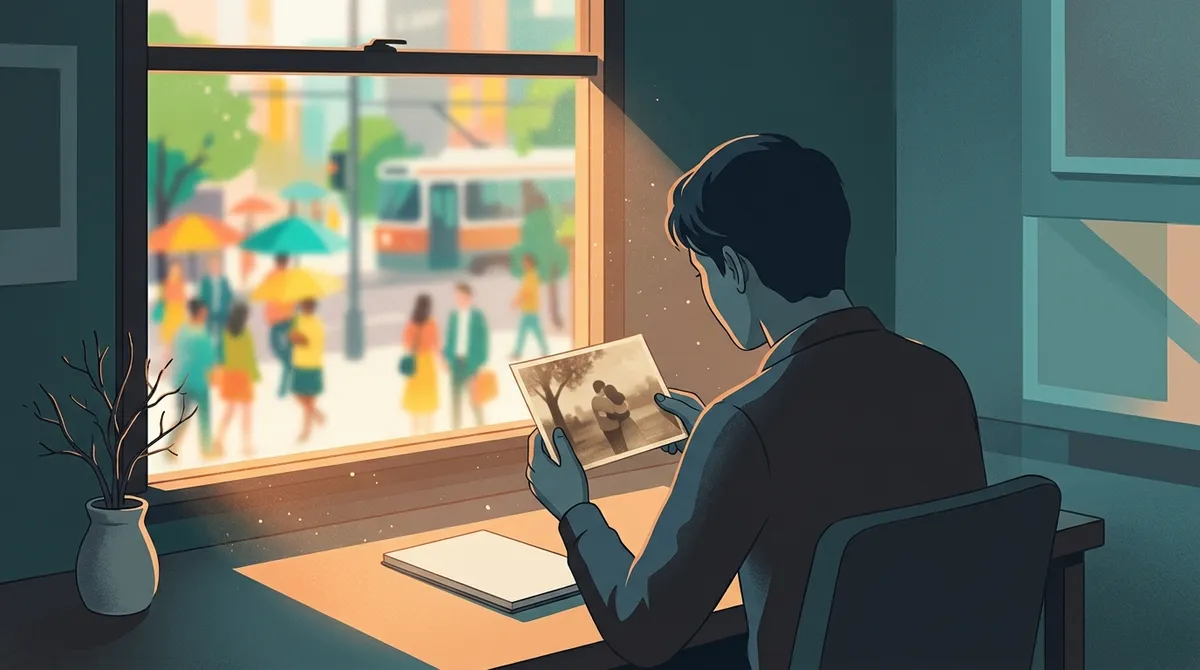
Have you ever found yourself scrolling through old photos and suddenly feeling a heavy wave of sadness? Or maybe a familiar song played, and instead of smiling, you felt an ache in your chest? If so, you might be experiencing something many people quietly struggle with — nostalgic depression. This bittersweet emotional state can sneak up on you without warning, blending warm memories with deep, lingering sadness.
Nostalgic depression is not an official mental health diagnosis. But that does not make it any less real or painful. For many people, especially those already dealing with stress, loss, or life changes, the past can become a place they want to escape into — and sometimes, a place they feel trapped by. Understanding what this experience is (and what it is not) can be the first step toward feeling better.
This article will walk you through what nostalgic depression means, its common signs, and how working with a therapist can make a genuine difference. Whether you are a young adult navigating big life transitions, a parent noticing these feelings in your teen, or someone who has simply felt “stuck in the past,” this guide is for you.
What Is Nostalgic Depression?
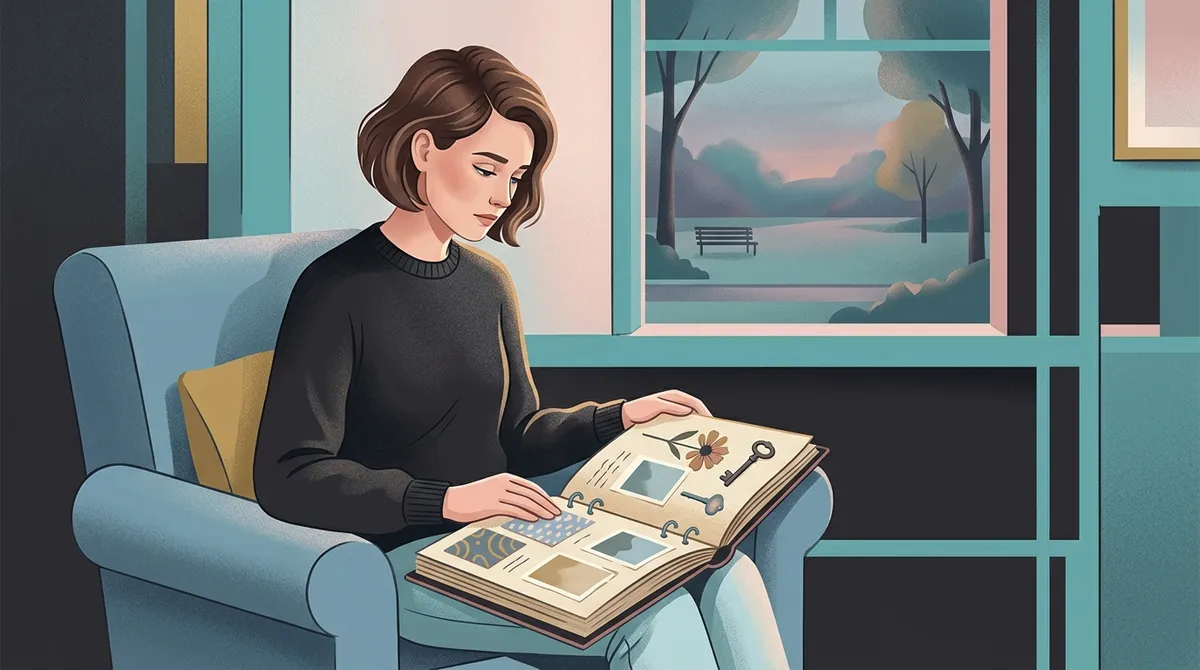
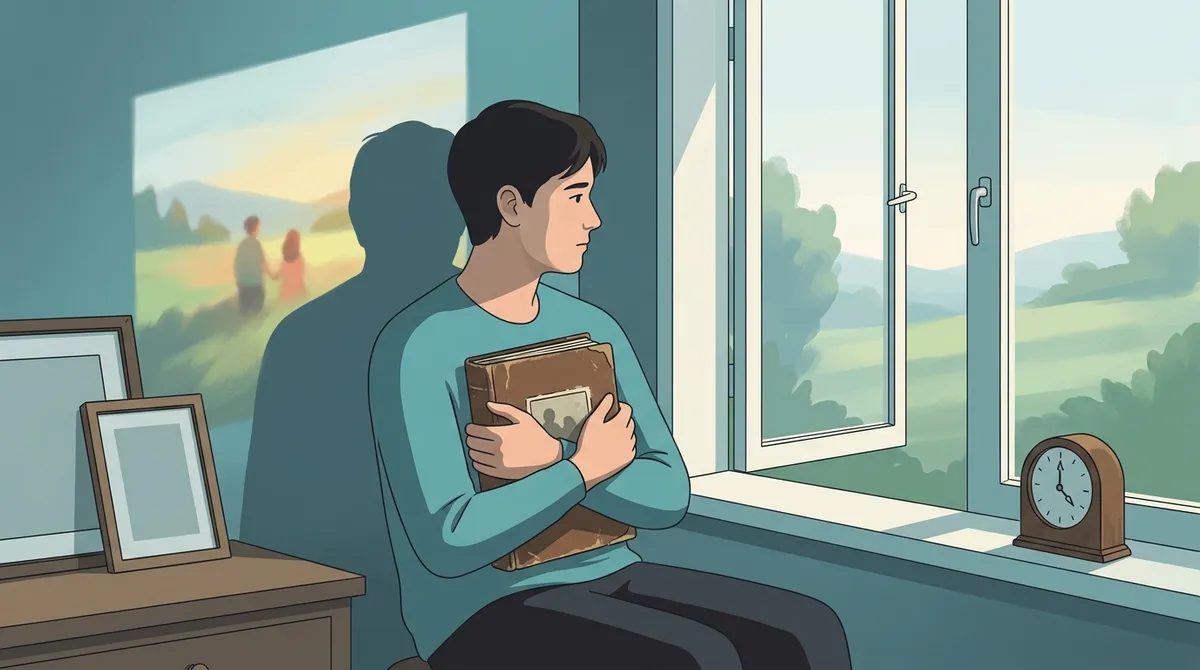
Nostalgic depression refers to a pattern of emotional distress that is triggered by memories of the past. It is the feeling that life used to be better, simpler, or more meaningful — and that something important has been lost. You might find yourself longing for a specific time in your life: childhood, a past relationship, a place you once called home, or a version of yourself that felt more whole.
Nostalgia itself is not a bad thing. In fact, research suggests it plays a helpful role in many people’s lives. An American Psychological Association-cited survey from the Human Flourishing Lab found that among more than 2,000 U.S. adults, 84% said nostalgic memories remind them of what matters most. Another 77% said nostalgia is a source of comfort during uncertain times. So nostalgia has a genuinely positive side.
The trouble starts when those reflections shift from comforting to consuming. When thinking about the past leads to persistent sadness, hopelessness, or withdrawal from everyday life, it begins to overlap with clinical depression, anxiety, grief, or adjustment difficulties. That is where therapy becomes important.
Is Nostalgic Depression a Real Mental Health Condition?
This is a great question, and the honest answer is: no, not officially. Nostalgic depression does not appear in the DSM-5-TR (the main guide therapists use to diagnose mental health conditions) or in the ICD diagnostic system. It is a descriptive term, not a clinical diagnosis.
However, the feelings behind nostalgic depression are very real and can be clinically significant. When a therapist hears that someone is stuck in the past, persistently sad, or feeling like life has no meaning compared to “before,” they will carefully assess whether something like major depressive disorder, generalized anxiety, grief, trauma, or adjustment disorder might be present. Those are treatable conditions, and early support leads to better outcomes.
You can learn more about how depression affects your daily life to get a clearer picture of how these experiences can overlap.
Common Signs You Might Be Experiencing Nostalgic Depression
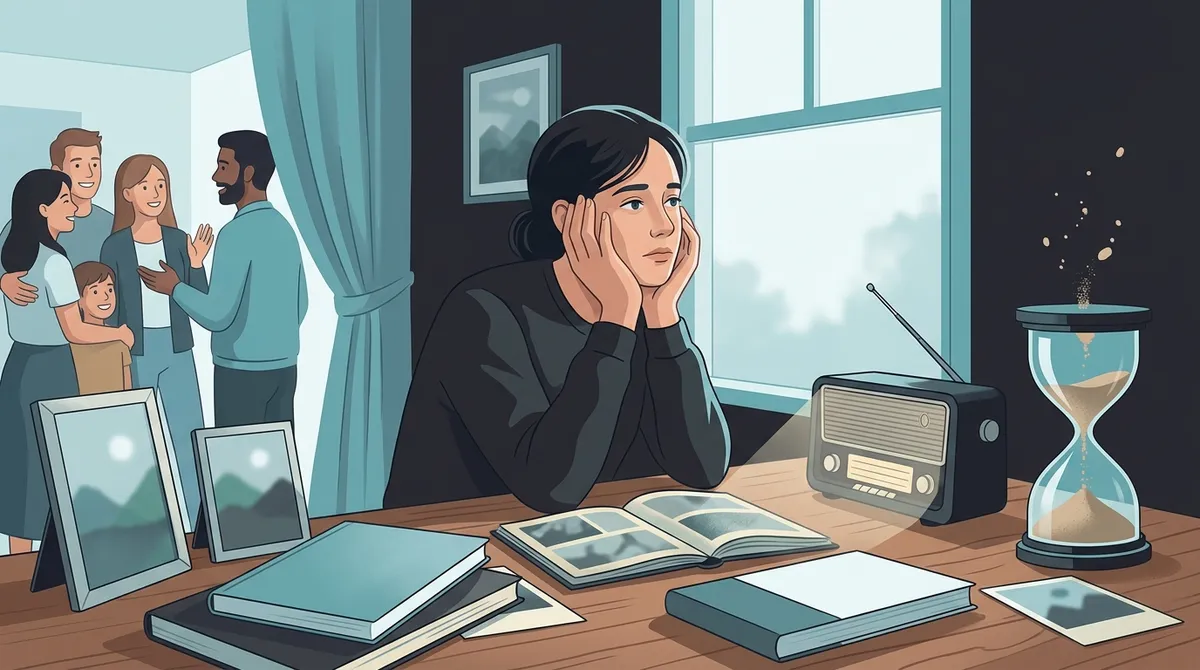
How do you know if what you are feeling is more than just a passing case of wistfulness? Here are some signs that nostalgic feelings may be affecting your mental health:
- You frequently compare your current life unfavorably to the past
- You feel sadness, emptiness, or irritability that lingers for days or weeks
- You lose interest in activities you used to enjoy
- You withdraw from friends, family, or social situations
- You struggle to feel motivated or hopeful about the future
- You ruminate often — replaying old memories or regrets in your mind
- You feel like your best days are behind you
- Everyday tasks feel harder than they should
If several of these sound familiar and they have been going on for two weeks or more, it is worth reaching out for support. The Mental Health Resources from the CDC emphasize that behavioral health conditions are treatable, and early help leads to better results.
Why Does Thinking About the Past Make You Feel Depressed?
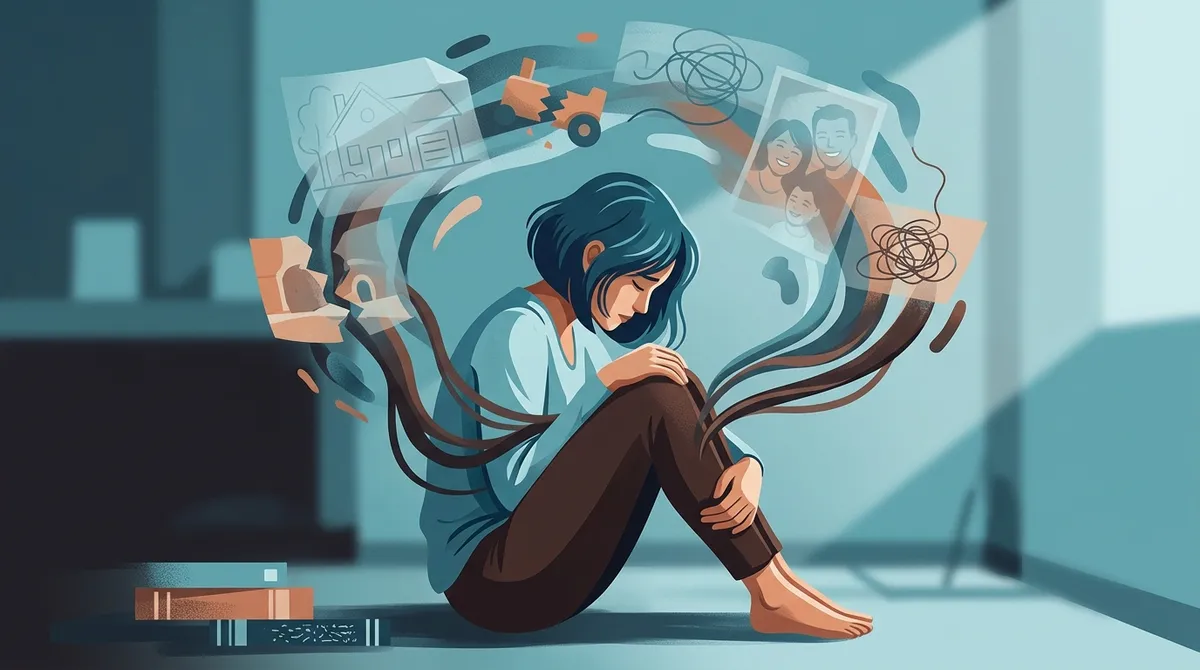
There are a few reasons why nostalgia can tip into emotional pain. Understanding the “why” can help you feel less alone and more empowered.
The Gap Between Then and Now
Sometimes nostalgia highlights a painful contrast between what life used to feel like and what it feels like today. This is especially common during major life transitions — graduating, moving, ending a relationship, or dealing with loss. If the present feels uncertain or empty, the past can seem golden by comparison, even if it was not.
Rumination vs. Reflection
There is an important difference between healthy reflection and unhealthy rumination. Healthy reflection means you revisit a memory, appreciate it, and move forward. Rumination means you get stuck in the memory, often focusing on regret, loss, or what you wish had been different. Depression treatment often targets rumination directly because it maintains and worsens low mood.
Underlying Mental Health Conditions
Sometimes, nostalgic depression is a symptom of a larger issue. Unresolved grief, trauma, anxiety, or depression can all intensify the experience of longing for the past. When you treat the underlying condition, the nostalgia often becomes easier to manage.
Nostalgia vs. Rumination: What Is the Difference?
| Feature | Healthy Nostalgia | Rumination / Nostalgic Depression |
|---|---|---|
| Emotional tone | Bittersweet, warm, uplifting | Sad, regretful, hopeless |
| Focus | Appreciation of the past | Fixation on what was lost or went wrong |
| Effect on present life | Increases meaning and motivation | Decreases motivation and engagement |
| Duration | Passes naturally | Persists for weeks or longer |
| Social impact | Can strengthen bonds | Often leads to withdrawal |
Understanding this distinction matters. If your nostalgia tends to pull you forward — reminding you of your values, your relationships, what matters most to you — that is healthy. If it pulls you backward and keeps you stuck, that is when a therapist can help.
Can Nostalgia Ever Be Good for Your Mental Health?
Absolutely! Nostalgia has a protective side that researchers find genuinely encouraging. According to the same Human Flourishing Lab survey, 72% of adults said nostalgia is a source of inspiration. A 2020 study published in a Taylor & Francis journal found that college students exposed to nostalgia-themed counseling messages reported significantly more positive emotions — and those emotions made them more open to seeking mental health support.
Shared nostalgia — the kind you experience with family, old friends, or in your cultural community — can strengthen social connection and self-esteem. This is especially meaningful for the many Hispanic adults in Florida who find deep comfort in shared cultural memories and family bonds.
So the goal of therapy is never to erase your connection to the past. It is to help you carry it in a way that nourishes rather than depletes you. You can explore more about building emotional resilience at West Florida Therapy’s mental health resources.
How Therapists Approach Nostalgic Depression
When you work with a therapist like Margaret Deuerlein at West Florida Therapy, the approach is warm, personalized, and evidence-based. Margaret is a caring and experienced psychotherapist who understands how deeply the past can shape your emotional world — and how to gently help you find your footing in the present.
Here are the steps a therapist might take when helping someone with nostalgic depression:
- Comprehensive assessment: Your therapist will listen carefully to your history, your current symptoms, and your life context. They will assess whether underlying conditions like depression, anxiety, grief, or trauma are present.
- Building a personalized treatment plan: Based on that assessment, your therapist creates a plan tailored to your needs. No two treatment plans look exactly the same.
- Working with your thought patterns: Approaches like cognitive-behavioral therapy (CBT) help you notice and gently challenge the beliefs that keep you stuck in the past. You can learn more about what cognitive behavioral therapy involves and whether it might be right for you.
- Processing grief and loss: If your nostalgia is tied to a real loss — a relationship, a person, a life stage — grief work becomes an important part of healing. Explore how grief therapy can support this process.
- Building present-focused skills: Mindfulness, behavioral activation, and reconnecting with current-day relationships and goals are all part of moving forward without abandoning your past.
Practical Coping Strategies You Can Start Today
While therapy is the most effective path for persistent nostalgic depression, there are also small, meaningful steps you can take on your own:
- Practice mindfulness: Bring your attention gently back to the present moment. Even five minutes a day can shift your mood. Learn how mindfulness techniques can transform mental health in 2026.
- Stay socially connected: Isolation tends to make nostalgic depression worse. Reach out to someone you care about, even with a short message.
- Reframe your memories: Instead of thinking “I wish things were still like that,” try “I am grateful I experienced that.” This small shift can make a real difference.
- Limit time spent in nostalgia triggers: Old photos, songs, or social media memories can become traps. Enjoy them in small doses, then return to the present.
- Set a small goal for today: One tiny action in the present helps break the pull of the past. Check out how therapy helps you reconnect with your life goals.
- Seek professional support when needed: According to Florida’s Substance Abuse & Mental Health services, behavioral health conditions are treatable. Getting help early matters.
When Should You Seek Help for Nostalgic Depression?
Not every nostalgic moment requires professional support. But here are signs that it is time to reach out to a therapist:
- Your mood has been persistently low for two weeks or more
- You are struggling to keep up with work, school, or daily responsibilities
- Your relationships are being affected by your withdrawal or irritability
- You are using alcohol, food, or other behaviors to cope with these feelings
- You feel hopeless about the future or like life has lost its meaning
These are not signs of weakness. They are signs that you deserve support. Florida residents can access help in-person in Brandon, or virtually throughout all of Florida, through telehealth therapy — making it easier than ever to connect with a licensed professional, regardless of where you are in the state.
You can also explore additional support and Florida-based resources through the Florida Health Department’s Mental Health Links.
Support That Feels Right for You
Healing from nostalgic depression looks different for everyone. Teenagers dealing with social pressures and identity changes, young adults navigating career starts and relationship shifts, and adults processing midlife changes all experience this kind of sadness in their own way. Bilingual services in English and Spanish are available, so language is never a barrier to getting the support you need.
Whether you prefer in-person sessions in Brandon, Florida, or the flexibility of virtual therapy, there is a format that fits your life. You can visit West Florida Therapy on Google to read what others have experienced and to get a feel for the caring environment that awaits you.
You do not have to figure this out alone. The past shaped you — but it does not have to define your present or limit your future. If nostalgic depression has been weighing you down, taking one small step toward support might be the most important thing you do this year.
Ready to start feeling better? Reach out to our team at West Florida Therapy today and take that first courageous step. A free 15-minute consultation is available, and real change is closer than you think.
FAQs
Q: Is nostalgic depression a real mental health diagnosis?
A: Nostalgic depression is not a formally recognized diagnosis in the DSM-5-TR or ICD, so you won’t find it on an official checklist. That said, the feelings behind it are completely real and valid — and when they persist or interfere with daily life, a therapist can assess whether conditions like depression, grief, or anxiety are contributing.
Q: What are the symptoms of nostalgic depression?
A: Common signs include persistent sadness triggered by memories, ruminating on the past, comparing your current life unfavorably to before, loss of motivation, social withdrawal, and a sense that your best days are behind you. If these feelings stick around for two weeks or more, reaching out to a professional is a wonderful and brave step to take.
Q: Can nostalgia ever be good for mental health?
A: Absolutely! Healthy nostalgia can increase feelings of meaning, connection, and inspiration — and research shows it can even make people more open to seeking support. The goal of therapy isn’t to remove your attachment to the past, but to help you carry those memories in a way that lifts you up rather than holds you back.
Q: What is the difference between nostalgia and rumination?
A: Healthy nostalgia brings warmth, appreciation, and a sense of connection to your personal story. Rumination, on the other hand, keeps you stuck — replaying regrets, losses, and “what ifs” in a loop that drains your energy and mood. Therapy is especially good at helping you shift from rumination back to healthier, more balanced reflection.
Q: When should I seek help for sadness about the past?
A: If feelings of nostalgia are causing ongoing sadness, interfering with your work, relationships, or self-care, or leaving you feeling hopeless about the future, it’s a good time to talk to a therapist. You don’t need to wait until things feel unbearable — early support makes a real difference, and you deserve to feel good in your present life.