

Key Takeaways
-
Grief is a complex, non-linear experience that touches emotions, thoughts, body, and daily habits, manifesting differently for each person.
-
Understand that grief isn’t something you ‘get over’, but something you learn to carry differently over time, with emotions coming in waves.
-
Physical symptoms like exhaustion, chest tightness, and body aches are normal grief responses, reflecting how emotional pain activates similar brain areas as physical pain.
-
Recognize the difference between normal grief and prolonged grief disorder, which interferes with daily functioning for more than a year.
-
Seeking professional support, practicing mindfulness, maintaining social connections, and expressing creativity can help navigate the grief journey effectively.
Losing someone or something important changes everything. Whether you’ve lost a loved one, ended a relationship, or faced another major loss, grief can feel overwhelming. The good news? What you’re feeling is completely normal, and understanding grief better can help you heal.
Many people think grief follows a neat, tidy path. But real grief doesn’t work that way. It comes in waves, catches you off guard, and sometimes shows up in unexpected ways. In 2026, we understand much more about how grief works in the brain and body, which means better ways to help you through it.
At West Florida Therapy, we see how grief affects people every day. Margaret Deuerlein works with adults and adolescents who are struggling with loss, offering both in-person and virtual support throughout Florida. Let’s explore what grief really looks like and how you can move forward.
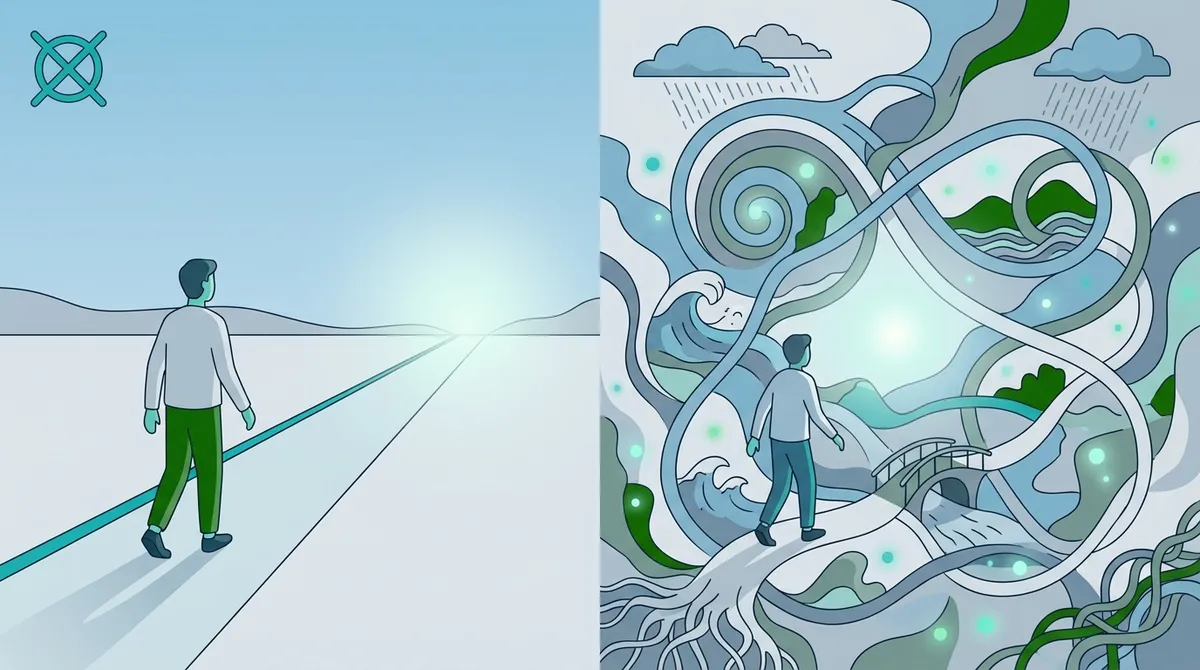
What Grief Actually Is (And What It Isn’t)
Grief is your natural response to loss. It’s not just sadness. Grief touches your emotions, your thoughts, your body, and even your daily habits. You might feel angry, confused, or numb. You might have trouble sleeping or lose your appetite. These are all normal parts of grieving.
Here’s what many people don’t realize: grief isn’t something you “get over.” Instead, you learn to carry it differently. Research in 2026 shows that grief changes the brain, especially in areas that process emotions and memories. Understanding this helps explain why grief feels so physical and intense.
Some people think they should feel better after a certain amount of time. But grief doesn’t follow a schedule. Everyone’s timeline is different, and that’s okay.
The Difference Between Normal Grief and Prolonged Grief
Most people gradually adjust to their loss over time. But sometimes grief becomes stuck. In 2026, doctors recognize something called Prolonged Grief Disorder. This happens when intense grief symptoms continue for more than a year and interfere with daily life.
Signs of prolonged grief include:
- Constant yearning for the person or thing you lost
- Difficulty accepting the loss
- Feeling like life has no meaning
- Avoiding reminders of the loss completely
- Struggling to do basic tasks or connect with others
If this sounds like you, please know that help is available. Specialized therapy can make a real difference, especially when depression plays a role in how grief unfolds.

Stage 1: The Shock and Numbness Phase
Right after a loss, your brain goes into protection mode. You might feel numb or like you’re watching life from behind a glass wall. Some people describe feeling disconnected from reality.
This numbness isn’t you being cold or uncaring. It’s your body’s way of preventing emotional overload. During this phase, you might:
- Feel like you’re moving through fog
- Have trouble making decisions
- Forget things easily
- Go through daily motions automatically
This stage usually lasts days to weeks, but everyone’s different. The numbness gradually fades as your system prepares to process the loss more fully.

Stage 2: The Wave of Raw Emotions
When the numbness lifts, emotions often come rushing in. This can feel scary, like you’re drowning in feelings. One minute you might feel sad, the next angry, then guilty, then sad again.
According to mental health experts, these emotional waves are a sign your brain is processing the loss. Think of emotions like ocean waves – they rise, peak, and eventually settle. They always pass, even when they feel endless.
Common emotions during this stage include:
- Deep sadness and crying spells
- Anger at yourself, others, or even the person you lost
- Guilt about things said or unsaid
- Fear about the future
- Loneliness and isolation
Margaret Deuerlein often helps clients understand that all these feelings are normal. There’s no “right” way to feel when you’re grieving.

Stage 3: The Physical Impact Nobody Expects
Grief lives in your body, not just your mind. Many people are surprised when grief shows up as physical symptoms. This happens because emotional pain activates the same brain areas as physical pain.
Your body during grief might experience:
- Exhaustion that sleep doesn’t fix
- Chest tightness or heaviness
- Headaches or body aches
- Stomach problems or nausea
- Trouble breathing deeply
Research in 2026 shows that somatic therapy – therapy that includes body awareness – helps people process grief more completely. When you notice where grief lives in your body and learn to work with those sensations, healing becomes easier.
Why Your Body Reacts This Way
When you’re grieving, your nervous system stays on high alert. It’s like having an internal alarm constantly going off. This stress response affects everything from your digestion to your sleep patterns.
Learning to calm your nervous system helps your body relax enough to process emotions. Simple things like deep breathing, gentle movement, or spending time in nature can make a difference.
Stage 4: The Guilt and “What-If” Thoughts
Most grieving people struggle with guilt at some point. You might replay conversations, wishing you’d said something different. You might feel guilty for times you weren’t there, or for moving forward with life.
Survivor’s guilt is especially common. This happens when you feel guilty for being alive, being happy, or having opportunities the person you lost won’t have. In 2026, therapists recognize survivor’s guilt as one of the most challenging aspects of grief.
The brain creates guilt through the amygdala, the part that processes fear and threat. When you feel guilty, your brain is trying to make sense of the loss by finding ways you could have prevented it. But here’s the truth: most losses aren’t preventable, and guilt doesn’t change what happened.
Working through guilt often requires help. Therapy services can provide tools to challenge unhelpful thoughts and find self-compassion.
Stage 5: The Complicated Grief of Estrangement
Here’s something people rarely talk about: grief when you’ve lost someone you weren’t close to, or someone you had a difficult relationship with. In 2026, estrangement-related grief is one of the fastest-growing challenges people face.
Grieving an estranged relationship brings unique pain. You might feel:
- Relief mixed with sadness
- Anger that you’ll never get resolution
- Confusion about whether you “should” grieve
- Judgment from others who don’t understand
This type of grief needs special attention because it’s complicated. You’re not just grieving who the person was – you’re also grieving who they could have been, the relationship you wanted but never had.
According to mental health resources, complicated grief often benefits from specialized therapy approaches that help you process mixed feelings without judgment.
Stage 6: Finding Meaning in the Loss
Eventually, most people reach a point where they can think about their loss differently. This doesn’t mean forgetting or “moving on.” Instead, it means finding ways to integrate the loss into your life story.
Meaning-oriented therapy in 2026 focuses on helping you:
- Honor the relationship or what you lost
- Find ways to carry forward important values or lessons
- Create rituals or practices that feel meaningful
- Connect with others who’ve experienced similar losses
This stage isn’t about silver linings or forced positivity. It’s about acknowledging that loss changed you while also recognizing your strength in surviving it.
How Therapy Helps Build Meaning
Therapists use different approaches to help with this process. Internal Family Systems (IFS) therapy helps you work with different parts of yourself that hold grief. Mindfulness-based approaches teach you to be present with difficult feelings without being overwhelmed.
At West Florida Therapy, Margaret Deuerlein offers bilingual services in English and Spanish, making support accessible to more people throughout Florida who need help navigating grief.
Stage 7: Living With Loss (Not Moving Past It)
The final stage isn’t about “closure” or returning to how things were before. Instead, it’s about learning to live a meaningful life while carrying your grief.
You might always miss what you lost. Certain dates, places, or memories might always bring tears. That’s okay. Grief doesn’t disappear – it just takes up less space over time.
In this stage, you might notice:
- More good days than bad days
- Ability to think about the loss without intense pain
- Interest in activities and relationships again
- Gratitude for what you had, alongside sadness for what you lost
Many people find that grief teaches them about their own strength. You learn you can survive things you thought would break you. You discover compassion for yourself and others who are hurting.
When to Seek Professional Help
Sometimes grief becomes too heavy to carry alone. Consider reaching out for help if you:
- Feel stuck in intense grief for more than a year
- Have thoughts of self-harm or suicide
- Can’t function in daily life
- Turn to substances to cope
- Feel completely isolated and alone
Research from 2026 shows that therapy significantly helps people with complicated grief. Approaches like cognitive-behavioral therapy, EMDR, and somatic experiencing all show good results.
If you’re also dealing with anxiety or depression alongside grief, therapy becomes even more important. These conditions often overlap and need attention together.
Practical Tools for Moving Through Grief
While working with a therapist provides crucial support, you can also help yourself day by day. Here are evidence-based strategies that make a difference:
| Strategy | How It Helps | Getting Started |
|---|---|---|
| Mindfulness practices | Reduces anxiety and helps you stay present | Start with 5 minutes of breathing exercises daily |
| Physical movement | Releases stress and regulates emotions | Take short walks or try gentle stretching |
| Creative expression | Processes emotions that words can’t capture | Try journaling, art, or music |
| Social connection | Fights isolation and provides support | Reach out to one trusted person weekly |
| Routine and structure | Provides stability when life feels chaotic | Set simple daily goals like regular meals |
Remember, healing isn’t linear. You might feel better one day and terrible the next. That’s normal and doesn’t mean you’re failing.
Special Considerations for Different Types of Loss
Grief looks different depending on what you’ve lost. Losing a parent feels different from losing a marriage. Losing a pet, a job, or your health all bring unique challenges.
For traumatic losses – like sudden death, suicide, or violence – grief often combines with trauma symptoms. You might have flashbacks, nightmares, or feel constantly on edge. This requires specialized trauma-informed care.
For relationship losses, couples therapy might help if you’re grieving a relationship while still in it, or individual therapy can help you process a breakup or divorce.
Adolescents experience grief differently than adults. Their brains are still developing, which affects how they process loss. If you’re a parent worried about your teen, therapy can provide age-appropriate support.
Moving Forward With Hope
Grief changes you, but it doesn’t have to define you. With time, support, and compassion for yourself, you can build a life that honors your loss while also embracing joy again.
The journey through grief isn’t about reaching a destination. It’s about learning to carry your loss with more ease, finding moments of peace, and discovering that you’re stronger than you knew.
You don’t have to do this alone. According to Florida mental health experts, reaching out for support is one of the most important steps in healing from grief.
Margaret Deuerlein understands that grief touches every part of your life. Whether you’re dealing with recent loss or grief that’s lasted years, compassionate support makes a difference. With both in-person sessions and virtual therapy available throughout Florida, help is accessible when you’re ready.
If you’re struggling with grief and need someone who understands, reach out to West Florida Therapy today. You deserve support as you navigate this difficult journey. Check out what others say about their experiences and take the first step toward healing.
Remember: healing is possible. You won’t forget what you’ve lost, but you can learn to live fully again. That’s not betraying your grief – it’s honoring it by choosing to keep living.
FAQs
Q: How long does grief typically last?
A: Grief doesn’t follow a set timeline. Most people find intense symptoms gradually ease over 6-12 months, but everyone’s different. If intense grief continues beyond a year and affects your daily life, you might be experiencing Prolonged Grief Disorder, which benefits from professional support. Remember, some level of grief may always be there, and that’s completely normal.
Q: What’s the difference between grief and depression?
A: Grief comes in waves and focuses on your loss, while depression tends to be more constant and affects how you feel about everything. With grief, you can still have moments of happiness. Depression often includes feelings of worthlessness and hopelessness that aren’t specific to the loss. However, grief can trigger depression, so it’s important to get help if you’re concerned.
Q: Can therapy really help with grief?
A: Absolutely! Research in 2026 shows that therapy significantly helps people process grief, especially prolonged or complicated grief. Therapists use approaches like mindfulness, somatic therapy, and cognitive techniques to help you work through emotions, challenge unhelpful thoughts, and find meaning. Many people find that having a caring professional guide them makes the journey much easier.
Q: Is it normal to feel angry when grieving?
A: Yes, anger is completely normal during grief. You might feel angry at the situation, at yourself, at others, or even at the person you lost. This anger is your brain’s way of processing the unfairness of loss. It’s important to acknowledge and express anger in healthy ways rather than pushing it down, as suppressed anger can complicate grief.
Q: How can I support someone who is grieving?
A: The best support is simply being present. Listen without trying to fix things or offer advice unless asked. Avoid phrases like “they’re in a better place” or “everything happens for a reason.” Instead, say things like “I’m here for you” or “I’m thinking of you.” Offer practical help with tasks, and check in regularly even weeks or months later when others have moved on.