Key Takeaways
-
Saffron is as effective as synthetic antidepressants according to meta-analysis research, working by boosting serotonin levels with no serious adverse events reported.
-
St. John’s Wort can interact dangerously with prescription antidepressants, birth control, and blood thinners—always consult a doctor before use despite its 60% effectiveness rate.
-
Lifestyle changes like 30 minutes of walking 3-5 times weekly, 15-30 minutes of morning sunlight, and 7-9 hours of sleep produce mood benefits within 1-2 weeks and should be prioritized before supplements.
-
Natural antidepressants work best alongside professional therapy, not as standalone treatments—they enhance therapy effectiveness by reducing symptom severity and building resilience.
-
Omega-3 fatty acids, L-theanine, and curcumin with black pepper are safer alternatives with solid research support; introduce one supplement at a time and wait 4-6 weeks before evaluating results.
-
Get blood work to check for deficiencies in vitamin D, B-vitamins, and magnesium, as these are directly linked to depression and addressing gaps can produce surprisingly fast mood improvements.
Feeling down, drained, or just not like yourself? You are not alone. Millions of people search for gentle, natural ways to lift their mood and ease depression symptoms. The good news is that nature — and science — have given us some powerful tools. Natural antidepressants include herbs, supplements, vitamins, and lifestyle habits that may help support your mental wellness. While they are not a cure-all, they can play a meaningful role in your overall mental health journey. This guide breaks down the most research-backed options in plain language, so you can make informed choices. And remember — natural remedies work best alongside professional support, not instead of it. Whether you are dealing with mild sadness, stress, or deeper depression, understanding these options is a great first step toward feeling better.
What Are Natural Antidepressants?
Natural antidepressants are non-prescription options that may help ease symptoms of depression and anxiety. They fall into four main categories:
- Herbal remedies — plants like St. John’s Wort, saffron, and valerian
- Nutritional supplements — omega-3 fatty acids, SAM-e, and probiotics
- Vitamins and minerals — B-vitamins, vitamin D, and magnesium
- Lifestyle changes — exercise, meditation, and sunlight exposure
These options have been studied in clinical research with promising results. However, it is important to remember that most supplements are not FDA-approved and are not regulated as strictly as prescription medications. Always talk to a healthcare provider before starting anything new, especially if you take other medications. You can also explore helpful Mental Health Links from Florida’s Department of Health for additional guidance.
Top Evidence-Based Natural Antidepressants
Let’s look at the natural options with the strongest research behind them. Not every option works for every person, but these are a great starting point.
1. Saffron
Saffron is more than a cooking spice — it may be one of the most powerful natural antidepressants available. A meta-analysis of seven studies found that saffron improved depressive symptoms and was deemed as effective as synthetic antidepressants. The best part? No serious adverse events were reported. Saffron appears to work by boosting serotonin levels in the brain, which is the same mechanism many prescription antidepressants use.
2. St. John’s Wort
St. John’s Wort is perhaps the most well-known herbal remedy for depression. Multiple studies have shown it improves symptoms in at least 60% of participants. It may work as well as tricyclic antidepressants for mild to moderate depression. There are about 40 published clinical trials comparing it with tricyclic antidepressants and SSRIs. However, it carries a serious warning — it can interact dangerously with prescription antidepressants and many other medications. Always consult a doctor before using it.
3. Omega-3 Fatty Acids
Found in fish oil, flaxseed, and walnuts, omega-3 fatty acids support brain health and reduce inflammation. Research has linked low omega-3 levels to higher rates of depression. Adding omega-3s to your routine may help reduce depressive symptoms, especially when combined with other treatments. They are widely available, affordable, and generally safe for most people.
4. L-Theanine
L-theanine is an amino acid found naturally in green tea. In a four-week study, it improved depression, anxiety, sleep quality, and cognitive functions like verbal fluency and executive function. It promotes calm alertness without causing drowsiness, which makes it a popular daily supplement for stress and mood support.
5. Curcumin
Curcumin is the active ingredient in turmeric. Research shows that both curcumin alone and a combined curcumin/saffron treatment were effective in reducing depression and anxiety in people with major depressive disorder. It works partly by reducing inflammation in the brain, which is increasingly linked to depression.
6. SAM-e
SAM-e (S-adenosyl-L-methionine) is a naturally occurring compound in the body. A 2011 analysis found that SAM-e improved depression symptoms in eight research studies. It may help increase serotonin and dopamine activity. While promising, some studies had methodological limitations, so more research is still needed.
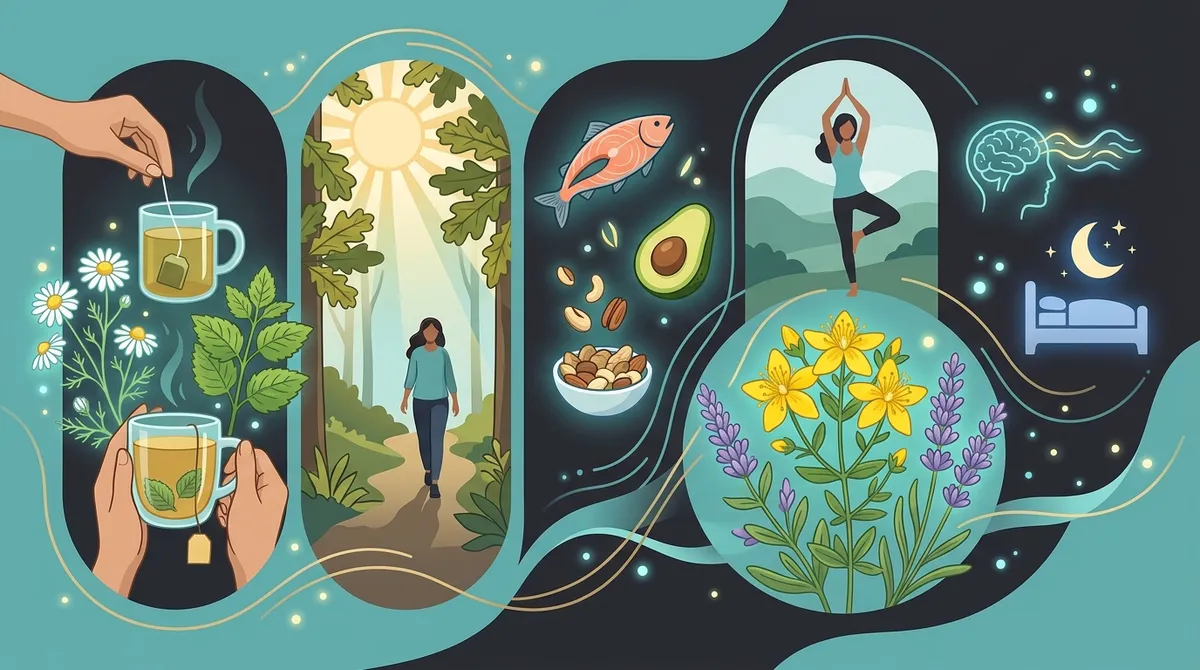
Key Natural Antidepressants at a Glance
The table below summarizes the most studied natural antidepressants, their potential benefits, and important cautions to keep in mind:
| Natural Antidepressant | Primary Benefit | Important Caution |
|---|---|---|
| Saffron | Reduces depressive symptoms | Expensive; check dosage carefully |
| St. John’s Wort | Mild to moderate depression relief | Dangerous interactions with many medications |
| Omega-3 Fatty Acids | Supports brain health and mood | May thin blood at high doses |
| L-Theanine | Reduces anxiety and improves sleep | Generally safe; consult doctor if pregnant |
| Curcumin | Reduces inflammation-linked depression | Low bioavailability; take with black pepper |
| SAM-e | Boosts serotonin and dopamine | May cause anxiety at high doses |
| Vitamin D | Supports mood regulation | Get levels tested before supplementing |
| Magnesium | Reduces stress and anxiety | Excess may cause digestive upset |
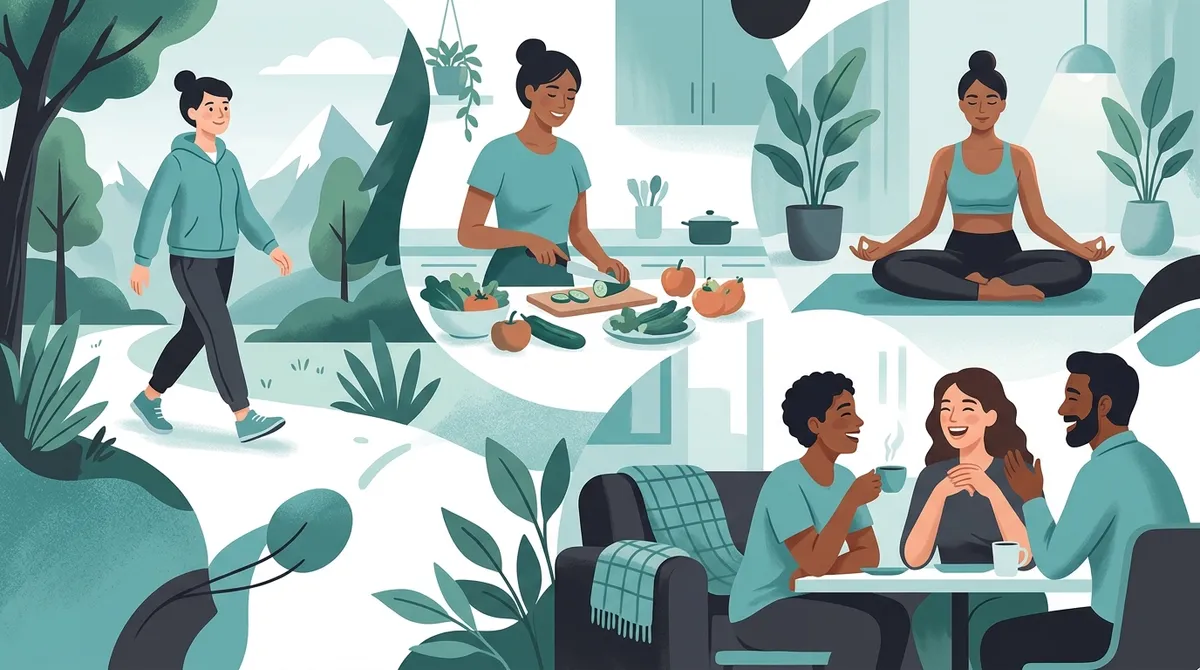
Lifestyle Changes That Act as Natural Antidepressants
Some of the most powerful natural antidepressants do not come in a bottle. They come from daily habits that support your brain chemistry, nervous system, and overall sense of wellbeing. Here are the top lifestyle-based options backed by research:
- Regular Exercise — Physical activity increases endorphins and serotonin. Even 30 minutes of walking three to five times a week can significantly reduce depression symptoms.
- Sunlight Exposure — Natural sunlight boosts vitamin D production and regulates your body’s internal clock. Aim for at least 15-30 minutes outdoors each morning.
- Meditation and Mindfulness — Consistent mindfulness practice reduces stress hormones and improves emotional regulation. Apps or guided sessions make it easy to start.
- Quality Sleep — Poor sleep worsens depression significantly. Prioritizing 7-9 hours of restful sleep each night supports mood regulation and mental clarity.
- Social Connection — Meaningful relationships buffer stress and loneliness. Regular time with supportive people is one of the strongest protectors against depression.
- Nutrition and Gut Health — A diet rich in whole foods, fiber, and fermented foods supports gut health, which is directly linked to brain health and mood.
For teens and young adults especially, these lifestyle habits can make a big difference. If you are an adolescent or parent exploring options, learning more about mental health strategies can give you a solid foundation.
How Natural Antidepressants Support Therapy
Natural antidepressants are most effective when they are part of a bigger picture. They are not replacements for professional care — they are tools that can enhance it. Think of them like healthy habits that give therapy more room to work. When your body feels better, your mind is more open to growth and healing.
Here are some key benefits of using natural antidepressants alongside therapy:
- They may reduce symptom severity, making therapy sessions more productive
- Lifestyle changes like exercise and sleep build the resilience needed for healing
- They often come with fewer side effects than prescription medications
- They support whole-body wellbeing, not just mood
- They are more accessible and often more affordable than medications
Working with a therapist helps you figure out which strategies make the most sense for your unique situation. For instance, depression treatment at West Florida Therapy includes personalized support to help you find the combination of tools that truly works for you. You can also explore anxiety treatment if your low mood comes with feelings of worry or fear.
Vitamins and Minerals That Support Mood
Your diet and nutrient levels play a bigger role in mental health than many people realize. Deficiencies in certain vitamins and minerals are directly linked to mood issues and depression. Here is a quick look at the most important ones:
- Vitamin D — Often called the “sunshine vitamin,” low levels are strongly linked to depression. Many people in Florida are still deficient despite sunny weather due to indoor lifestyles.
- B-Vitamins (especially B12 and folate) — These vitamins support the production of serotonin and other mood-regulating neurotransmitters. Deficiency can cause fatigue, low mood, and brain fog.
- Magnesium — This mineral helps regulate the stress response and supports healthy sleep. Studies show a significant link between low magnesium and depression.
If you suspect a nutritional deficiency, ask your doctor for blood work. Addressing these gaps can sometimes lead to surprisingly fast mood improvements. The Substance Abuse & Mental Health resources through Florida Families also offer guidance on getting the right support.
Important Safety Considerations
Natural does not always mean safe. Here are important things to keep in mind before starting any natural antidepressant:
- St. John’s Wort can interact with antidepressants, birth control, blood thinners, and many other medications — always tell your doctor
- Most supplements are not regulated by the FDA, so quality can vary widely between brands
- Natural remedies are generally not appropriate as the sole treatment for moderate to severe depression
- Some supplements can worsen anxiety at higher doses
- Always disclose all supplements to your therapist and healthcare providers
If you are experiencing persistent low mood, it is worth exploring what deeper support might look like. Understanding what depression is and how it affects daily life can help you recognize when professional intervention is needed. You can also check out Mental Health Resources from the CDC for trusted guidance.
How to Get Started: A Step-by-Step Approach
Ready to start exploring natural antidepressants? Here is a simple, safe approach to follow:
- Talk to a healthcare provider first. Share your symptoms, current medications, and your interest in natural options. Get blood work to check for deficiencies.
- Start with lifestyle changes. Before adding supplements, focus on sleep, exercise, nutrition, and sunlight. These have the strongest and safest evidence base.
- Introduce one supplement at a time. Adding multiple things at once makes it hard to know what is helping (or causing side effects). Give each option 4-6 weeks before evaluating.
- Track your mood and symptoms. Keep a simple journal or use an app to monitor changes. This helps you and your therapist see patterns over time.
- Combine with professional therapy. A trained therapist can help you process emotions, build coping skills, and guide your overall treatment plan.
If you are dealing with mood issues or struggling with panic attacks, connecting with a professional sooner rather than later can make a big difference in your recovery timeline.
When to Seek Professional Help
Natural antidepressants are a wonderful support tool — but they are not enough on their own for everyone. There are times when professional therapy is essential and should not be delayed.
Please reach out to a mental health professional if you are experiencing:
- Depression that has lasted more than two weeks
- Thoughts of self-harm or suicide
- Difficulty functioning at work, school, or in relationships
- Anxiety or depression that is getting worse, not better
- Trauma that is affecting your daily life
At West Florida Therapy, Margaret Deuerlein is a caring and skilled psychotherapist who helps individuals, adolescents, and couples navigate depression, anxiety, trauma, and more. She offers in-person sessions in Brandon, Florida, and telehealth therapy across Florida — including bilingual services in English and Spanish. You can also visit our Google Business Profile to read reviews and learn more about what to expect.
Conclusion
Natural antidepressants offer real hope. From saffron and omega-3s to exercise and sunlight, there are many gentle, evidence-backed ways to support your mood and mental health. The key is to use them wisely — as part of a bigger plan that includes professional guidance. Whether you are just starting to explore depression support or looking for ways to complement your current treatment, these tools are worth considering. You deserve to feel well, and the path to getting there does not have to be overwhelming. Take it one step at a time, and do not be afraid to ask for help along the way. Reach out to our team at West Florida Therapy to schedule a free 15-minute consultation and take that first courageous step toward healing today.
FAQs
Q: What are the most effective natural antidepressants supported by research?
A: Saffron, St. John’s Wort, and omega-3 fatty acids have some of the strongest research behind them! Saffron, for example, was found to be as effective as synthetic antidepressants in a meta-analysis of seven studies — pretty impressive for a kitchen spice. L-theanine and curcumin also show real promise, especially for anxiety and inflammation-related depression.
Q: Can natural antidepressants replace prescription medications?
A: Generally speaking, natural antidepressants are best used as a complement to — not a replacement for — professional care. For mild mood issues, some people find great relief through herbs, supplements, and lifestyle changes. However, moderate to severe depression typically requires a more comprehensive treatment plan, which is where working with a therapist like those at West Florida Therapy truly makes a difference.
Q: Are natural antidepressants safe to use with prescription medications?
A: Some are, but others carry real risks! St. John’s Wort, for instance, can interact dangerously with many prescription antidepressants, birth control, and blood thinners. Always let your doctor and therapist know about any supplements you are taking so they can help you stay safe and get the best results possible.
Q: How long does it take for natural antidepressants to work?
A: Most natural antidepressants take a bit of patience — typically four to six weeks before you notice meaningful changes. Lifestyle changes like exercise and improved sleep can produce mood benefits within one to two weeks, so those are a great place to start! Tracking your mood in a journal helps you spot progress and share useful information with your therapist.
Q: Are natural antidepressants regulated by the FDA?
A: Most are not regulated the same way prescription medications are, which means quality and potency can vary between brands. This makes it especially important to choose reputable brands and consult a healthcare provider before starting any new supplement. Your therapist or doctor can point you in the right direction to make safe, informed choices.