Key Takeaways
-
Brandon codependency therapy helps you recognize patterns rooted in early family dynamics and past experiences, creating awareness that is the foundation for lasting behavioral change.
-
The therapy teaches practical boundary-setting skills—learning to say no without guilt and communicate needs clearly—which protects your energy and naturally improves all your relationships.
-
Cognitive Behavioral Therapy (CBT) techniques identify and reframe unhelpful thought patterns like ‘I’m only lovable if I’m useful,’ directly shifting how you feel and behave in relationships.
-
Codependency therapy addresses co-occurring issues such as anxiety, depression, trauma, and grief alongside codependent patterns, ensuring comprehensive treatment of your full mental health picture.
-
As you heal from codependency, you rebuild self-esteem and stop needing others’ approval to feel worthy, enabling you to give from genuine love rather than fear or obligation.
-
Virtual therapy options make codependency counseling accessible across Florida, offering the same effectiveness as in-person sessions with added convenience for busy schedules.
Do you feel like you lose yourself in your relationships? Maybe you put everyone else’s needs first — and forget about your own. Or perhaps you feel responsible for how others feel, even when it’s not your fault. If any of this sounds familiar, you might be dealing with codependency. And the good news? You don’t have to stay stuck. Brandon codependency therapy can help you break free from unhealthy patterns and build a life that truly feels like yours.
Codependency often sneaks up on people. It can look like love, loyalty, or simply being a caring person. But underneath, it can quietly drain your energy, your confidence, and your sense of self. The great news is that with the right support, real change is absolutely possible. Let’s explore exactly how codependency therapy works — and why it might be the turning point you’ve been looking for.

What Is Codependency, Exactly?
Codependency is a pattern of behavior where one person excessively relies on another for emotional support, identity, or sense of worth. It often involves taking on a caretaking role at your own expense. You might struggle to say no, feel guilty when you focus on yourself, or tie your happiness to someone else’s mood or approval.
Common signs of codependency include difficulty setting limits, low self-esteem, people-pleasing, and fear of abandonment. If you’d like to explore whether this resonates with you, check out this resource on signs of codependency that are quietly hurting your life. Codependency can also show up alongside anxiety, depression, and sometimes substance use issues.
According to the Mental Health Resources from the CDC, relationship-based mental health challenges are among the most common reasons adults seek counseling. Understanding codependency is the first step toward healing it.

7 Ways Brandon Codependency Therapy Can Change Your Life
1. Helps You Understand Your Patterns
One of the first things Brandon codependency therapy does is help you see the patterns you’ve been living with. Many people don’t realize their behaviors are codependent — they just feel exhausted, resentful, or confused. A therapist creates a safe, judgment-free space to explore where these patterns started.
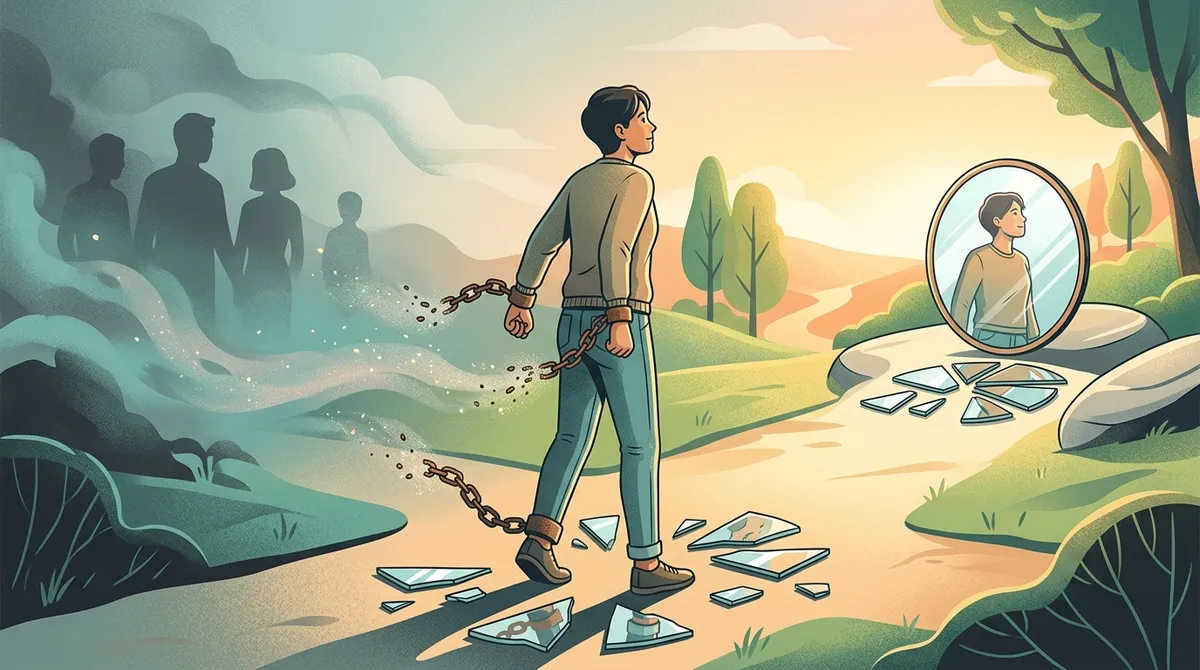
Often, codependency has roots in early family dynamics or past experiences. Understanding the “why” behind your behavior is powerful. It’s not about blame — it’s about awareness. And awareness is the foundation of lasting change.
2. Teaches You How to Set Healthy Boundaries
Setting limits is one of the core skills in codependency recovery. If you’ve always said yes when you wanted to say no, this can feel downright terrifying at first. But therapy gives you the tools and practice to get there, one small step at a time.
Healthy boundaries protect your energy and your relationships. They’re not walls — they’re guidelines for how you want to be treated and how you’re willing to show up. Learning to set limits is one of the most freeing experiences you’ll ever have. For more support around relationship problems, therapy offers a guided, compassionate approach.
- Learning to say no without guilt
- Communicating your needs clearly and kindly
- Protecting your time, energy, and emotional well-being
- Recognizing when a limit has been crossed — and responding calmly
3. Rebuilds Your Self-Esteem
Codependency and low self-worth often go hand in hand. When you constantly put others first, you can start to feel invisible or unworthy of care. Brandon codependency therapy helps you rediscover your value — not based on what you do for others, but simply because of who you are.
This is transformative work. You’ll start to recognize your strengths, challenge self-critical thoughts, and build a more compassionate relationship with yourself. Over time, your confidence grows — and your relationships naturally become healthier as a result. You can also explore low self-esteem therapy for additional support in this area.
4. Uses CBT to Challenge Unhelpful Thinking
Cognitive Behavioral Therapy (CBT) is one of the most widely used and effective tools in codependency counseling. CBT helps you identify thought patterns that aren’t serving you — like “I’m only lovable if I’m useful” or “If I don’t help, something bad will happen.”
Once you spot these thoughts, you can learn to challenge and reframe them. This process can shift how you feel and how you behave in your relationships. It takes practice, but the results are real. To learn more, check out this complete guide to Cognitive Behavioral Therapy.
5. Addresses Co-Occurring Issues
Codependency rarely travels alone. Many people seeking Brandon codependency therapy also deal with anxiety, depression, trauma, or grief. Sometimes there’s also a connection to a loved one’s substance use issues, which can make codependent patterns even more intense.
A skilled therapist will look at the full picture. This means assessing for related concerns and making sure treatment addresses everything that’s affecting your well-being. The Substance Abuse & Mental Health services in Florida also offer referral options when additional support is needed.
| Common Co-Occurring Issues | How Therapy Helps |
|---|---|
| Anxiety | Reduces excessive worry and people-pleasing driven by fear |
| Depression | Addresses low mood linked to self-neglect and loss of identity |
| Trauma | Heals past wounds that fuel codependent behaviors |
| Grief | Processes loss without losing yourself in caregiving |
| Substance Use (in loved one) | Breaks enabling cycles and builds healthy responses |
6. Supports Healthier, More Fulfilling Relationships
Here’s the beautiful part: as you heal from codependency, your relationships actually improve. You stop needing others to be okay in order for you to be okay. You give from a place of genuine love — not fear or obligation.
This benefits every relationship in your life — romantic partnerships, friendships, family connections, and even work relationships. Couples therapy can also be a wonderful complement to individual codependency work, especially if relationship patterns are deeply entrenched. You can also explore insights on relationship and communication issues to understand how codependency affects your closest bonds.
- More authentic connections built on mutual respect
- Less resentment and emotional exhaustion
- Increased ability to receive love and care from others
- Healthier communication and conflict resolution skills
7. Gives You Tools for Long-Term Growth
The skills you learn in Brandon codependency therapy don’t just help during sessions — they stay with you for life. Therapy equips you with practical tools you can use every day: journaling prompts, mindfulness techniques, boundary scripts, and more.
Recovery from codependency is a journey, not a destination. But with each session, you move closer to a version of yourself that feels grounded, confident, and genuinely free. If you’re curious about ongoing support options, explore telehealth therapy across Florida for flexible, accessible care from wherever you are.
What to Expect in Codependency Therapy Sessions
Starting therapy can feel a little nerve-wracking, especially if it’s your first time. But knowing what to expect can ease those nerves significantly. Here’s a simple overview of what the process generally looks like:
- Initial consultation: You’ll share your concerns, goals, and history. This helps your therapist understand your unique situation.
- Assessment and goal-setting: Together, you’ll identify the patterns and issues you most want to address.
- Regular sessions: Weekly or bi-weekly sessions build on each other, helping you develop skills and process experiences over time.
- Progress check-ins: Your therapist will regularly review how things are going and adjust the approach if needed.
- Celebrating growth: Change is hard work — and it deserves recognition. Good therapy includes celebrating wins, big and small.
At West Florida Therapy, Margaret Deuerlein is a warm, dedicated psychotherapist who truly understands the complexities of codependency. She works with adults and adolescents, offering both in-person sessions in Brandon, Florida and virtual therapy across the state. Bilingual services in English and Spanish are also available, making support accessible to more people in the community.
How Long Does Codependency Therapy Take?
This is one of the most common questions people ask — and honestly, it’s a great one. The length of therapy varies from person to person. Some people start noticing meaningful changes within just a few months. Others benefit from longer-term work, especially when codependency is deeply rooted or linked to trauma.
What matters most is that you’re moving forward at a pace that feels right for you. There’s no rush. Healing isn’t a race, and your therapist will support you every step of the way. You can also explore related topics like trauma therapy if past experiences are part of your story.
Is Virtual Codependency Therapy an Option?
Absolutely! Virtual therapy has made mental health support more accessible than ever. Whether you live in Brandon, Tampa, Valrico, Riverview, or anywhere else in Florida, you can connect with a qualified therapist from the comfort of your own home. This is especially helpful for busy millennials, young adults, or anyone with a packed schedule.
Research consistently shows that virtual therapy is just as effective as in-person care for many mental health concerns, including codependency. Learn more about why virtual therapy for adults is a game changer. You can also check out virtual therapy for adolescents in Brandon, FL if you’re a teen or a parent seeking support for your child.
Questions to Ask Before Starting Codependency Therapy
Finding the right therapist is important. Here are some helpful questions to consider asking during your initial consultation:
- Do you have experience working with codependency specifically?
- What therapeutic approaches do you use (CBT, DBT, etc.)?
- Do you offer virtual sessions in addition to in-person appointments?
- How do you handle co-occurring concerns like anxiety or depression?
- What does progress typically look like for your clients?
Asking these questions helps you feel more confident and informed as you take this important step. For information on available support in Florida, Mental Health Links from the Florida Department of Health is a helpful starting point.
Signs It Might Be Time to Seek Help
Not sure if codependency therapy is right for you? Here are some signs that it might be worth exploring:
- You feel responsible for how other people feel — all the time
- Saying no feels impossible or fills you with intense guilt
- You’ve lost touch with your own needs, interests, or identity
- You stay in relationships that feel draining because you fear being alone
- You feel like your mood depends entirely on how someone else is doing
- You give and give — and feel invisible, undervalued, or resentful
If several of these resonate with you, please know: you’re not broken. These are learned patterns, and they can be unlearned. Therapy is a compassionate, effective way to get there. You can also explore related themes like fear of relationships holding you back for more insight.
Take the First Step Toward Freedom
Living with codependency can feel lonely and exhausting. But you don’t have to stay stuck. Brandon codependency therapy offers a real, compassionate path toward healthier relationships, stronger self-worth, and a life that truly feels like yours.
At West Florida Therapy, Margaret Deuerlein is here to walk alongside you with warmth, expertise, and genuine care. Whether you come in person in Brandon, Florida or connect virtually from anywhere in the state, support is closer than you think. Visit us on Google — West Florida Therapy to read reviews and learn more about the people we’ve had the privilege of supporting.
You deserve relationships that feel good. You deserve to know your own worth. And you deserve to get the help that makes that possible. Reach out today to schedule your free 15-minute consultation — and take the first courageous step toward a life that truly feels free.
FAQs
Q: What is codependency therapy, and how does it work?
A: Codependency therapy is a type of counseling that helps you recognize and change unhealthy relationship patterns — like excessive caretaking, difficulty saying no, or tying your self-worth to others. A therapist uses tools like CBT and boundary-setting exercises to help you build healthier habits and a stronger sense of self. It’s a warm, supportive process that goes at your own pace.
Q: How do I find a codependency therapist in Brandon, Florida?
A: A great starting point is reaching out directly to a local therapy practice like West Florida Therapy, which offers both in-person sessions in Brandon and virtual therapy throughout Florida. Look for a licensed therapist who has experience with codependency, relationship patterns, and any co-occurring concerns like anxiety or depression. A free consultation call is a wonderful, low-pressure way to see if it’s a good fit.
Q: Can codependency therapy help even if my partner isn’t in therapy?
A: Absolutely — individual codependency therapy is incredibly effective on its own. You don’t need your partner or loved one to participate for you to experience meaningful growth. As you develop stronger boundaries and a healthier sense of self, your relationships will naturally shift for the better, regardless of what others around you choose to do.
Q: Is codependency linked to anxiety or depression?
A: Yes, codependency often coexists with anxiety, depression, or trauma — and a good therapist will look at all of these together. The patterns involved in codependency, like constant worry about others and self-neglect, can fuel both anxiety and low mood over time. Addressing them together in therapy leads to more complete and lasting healing.
Q: Is virtual codependency therapy available for Florida residents?
A: Yes! If you’re anywhere in Florida, you can access codependency counseling through telehealth therapy. Virtual sessions are just as effective as in-person care for many people, and they offer the convenience of connecting from home. West Florida Therapy offers both in-person appointments in Brandon and telehealth options across the entire state.