
Key Takeaways
-
Nearly 1 in 5 adults with ADHD experience major depression, and 1 in 2 have anxiety disorders; symptoms often overlap and mask each other, making professional evaluation critical for accurate diagnosis.
-
Cognitive Behavioral Therapy (CBT) is one of the most effective treatments for all three conditions, helping reshape negative thinking patterns and build practical coping skills for organization, impulsivity, and worry management.
-
A qualified mental health professional should conduct a comprehensive evaluation including detailed intake interviews, standardized rating scales, and rule-out of other conditions before recommending treatment.
-
Telehealth therapy is equally effective as in-person sessions and removes barriers like travel and scheduling constraints; about half of adults with ADHD have successfully used telehealth services.
-
Building a personalized support plan with clear goals, consistent sessions, and progress tracking—combined with daily habits like exercise, routine, and limiting caffeine—significantly improves outcomes.
-
Family and couples counseling should be considered as ADHD, depression, and anxiety affect relationships; addressing relationship strain early prevents partners and family members from feeling frustrated or helpless.
Living with ADHD, depression, and anxiety at the same time can feel like running three different races at once — exhausted, overwhelmed, and unsure where to start. You are not alone. These three conditions frequently overlap, making it harder to get the right diagnosis and the right help. The good news? With the right support and treatment plan, real improvement is absolutely possible. Whether you are a stressed millennial juggling career and mental health, a teenager struggling in school, or a young adult navigating life’s pressures, this guide will walk you through how to understand and manage ADHD, depression, and anxiety together — step by step, in a warm and approachable way.
Understanding How ADHD, Depression, and Anxiety Overlap
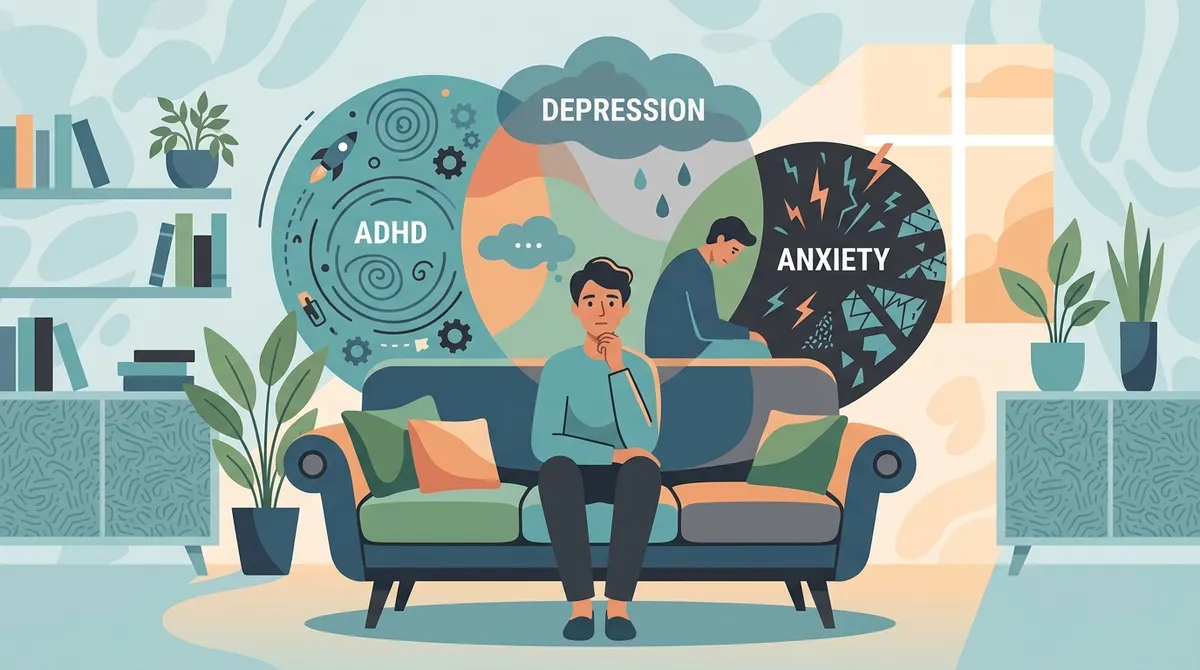
Before diving into treatment, it helps to understand why these three conditions so often show up together. According to research highlighted by GoodRx, almost 1 in 5 adults with ADHD also experience major depression, and nearly 1 in 2 adults with ADHD have an anxiety disorder. That is a lot of overlap — and it explains why so many people feel like something more than one thing is going on.
ADHD affects attention, impulse control, and emotional regulation. Depression brings sadness, low energy, and hopelessness. Anxiety adds worry, fear, and physical tension. When all three are present, symptoms can mask or mimic each other, making it tough to pinpoint what is really happening. This is why a professional evaluation is so important. You can explore more about how these conditions connect through resources on mental health at West Florida Therapy.
Step 1: Recognize the Warning Signs
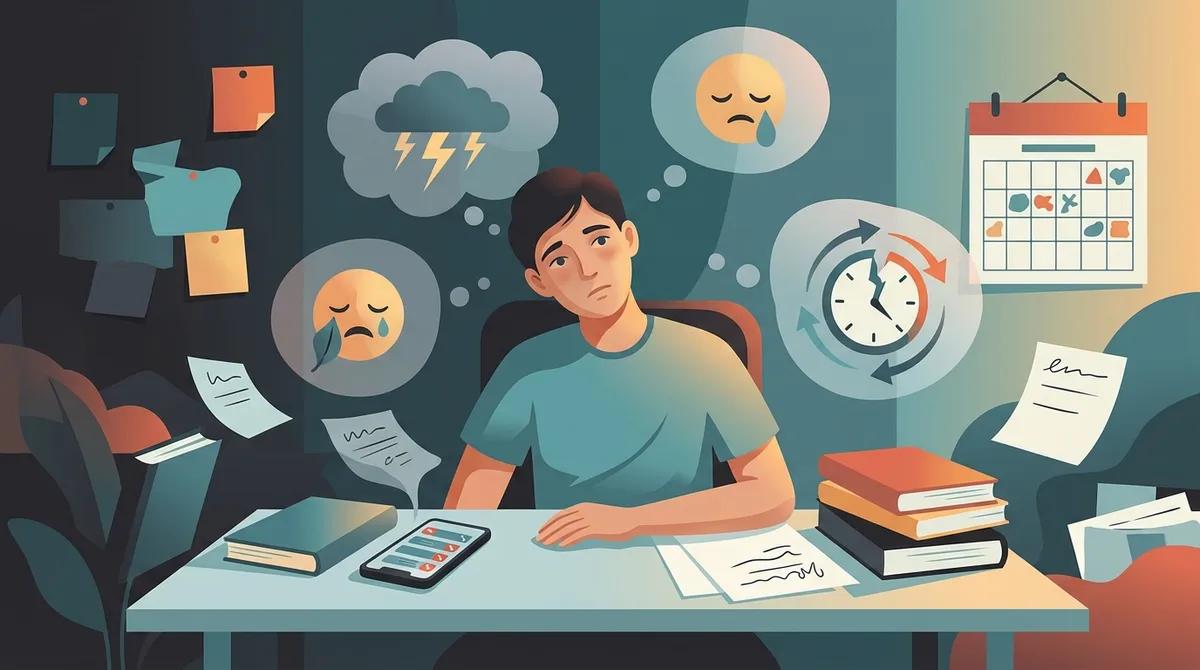
The first step is knowing what to look for. ADHD, depression, and anxiety each have their own symptoms — but they share some too. Here is a simple breakdown to help you get a clearer picture.
Common Signs of ADHD in Adults
- Difficulty focusing or staying on task
- Forgetfulness and losing things frequently
- Impulsive decisions or interrupting conversations
- Feeling restless or unable to relax
- Struggling to manage time or meet deadlines
Common Signs of Depression
- Persistent sadness or emptiness
- Loss of interest in activities you used to enjoy
- Low energy and fatigue even after rest
- Difficulty concentrating or making decisions
- Changes in sleep or appetite
If you want to learn more, check out this detailed guide on what depression is and how it affects your daily life.
Common Signs of Anxiety
- Constant worry that feels hard to control
- Physical symptoms like a racing heart or tight chest
- Avoiding situations that trigger fear
- Trouble sleeping due to racing thoughts
- Irritability or feeling on edge
For a deeper look at anxiety symptoms and types, visit this resource on understanding anxiety signs, types, and treatment options.

Step 2: Get a Proper Professional Diagnosis
One of the biggest challenges with ADHD, depression, and anxiety is that they can look like each other. For example, difficulty concentrating is a hallmark of ADHD — but it is also a symptom of depression. Restlessness shows up in both ADHD and anxiety. This is why self-diagnosing rarely works and can even send you down the wrong treatment path.
A qualified mental health professional can sort through these overlapping symptoms carefully. According to Florida’s mental health resources, comprehensive evaluations are a critical starting point for getting the right care. A therapist, psychiatrist, or licensed counselor will conduct a thorough assessment of your history, daily functioning, and symptoms before suggesting a treatment plan.
Here is what a good diagnostic process typically includes:
- A detailed intake interview covering your mental health history, family background, and current symptoms.
- Standardized rating scales and questionnaires for ADHD, depression, and anxiety.
- Rule-out of other conditions like thyroid issues, sleep disorders, or trauma responses.
- Collaborative discussion about your concerns, goals, and treatment preferences.
At West Florida Therapy, Margaret Deuerlein takes this process seriously. She provides a warm, personalized approach to understanding what you are going through — so treatment actually fits your life.

Step 3: Understand Your Treatment Options
The exciting part is that effective treatments exist for all three conditions — and many of them work well together. Here is a helpful overview of the most common approaches.
| Treatment Type | Best For | How It Helps |
|---|---|---|
| Cognitive Behavioral Therapy (CBT) | ADHD, depression, anxiety | Reshapes negative thinking and builds coping skills |
| Medication Management | ADHD, depression, anxiety | Balances brain chemistry to reduce symptoms |
| Individual Therapy | All three conditions | Provides personalized support and skill-building |
| Couples or Family Counseling | Relationship stress from ADHD/depression | Improves communication and reduces conflict |
| Telehealth Therapy | Anyone needing flexible access | Removes barriers like travel and scheduling |
Cognitive Behavioral Therapy: A Powerful Starting Point
CBT is one of the most researched and effective therapies for managing ADHD, depression, and anxiety. It works by helping you identify thought patterns that are keeping you stuck — and replacing them with healthier, more balanced ones. For ADHD specifically, CBT helps with organization, reducing impulsivity, and managing time. For depression and anxiety, it teaches you how to challenge distorted thinking and reduce avoidance. You can explore more about what cognitive behavioral therapy is and how it can work for you.
When Medication Plays a Role
For many people, medication is a helpful part of the picture. Stimulant medications are often first-line for ADHD, while antidepressants may be used for depression and anxiety. Interestingly, clinicians sometimes treat depression or anxiety first — then reassess remaining ADHD symptoms once those are managed. This helps clarify what is truly ADHD versus what was driven by emotional distress. Always work with a qualified provider when exploring medication options. The Florida Department of Children and Families Substance Abuse and Mental Health program also offers resources for finding appropriate care in Florida.
Step 4: Build a Personalized Support Plan
Having a structured plan makes a huge difference. Here is a step-by-step approach to building one that works for you.
- Start with a free consultation. Many therapists, including at West Florida Therapy, offer a free 15-minute phone call so you can see if it feels like a good fit before committing.
- Set clear, realistic goals. What do you most want help with? Better focus? Less worry? More energy? Having specific goals helps guide your treatment. Explore ideas on the life goals page for inspiration.
- Choose in-person or virtual therapy. Both are effective. If scheduling or travel is a concern, telehealth therapy in Florida may be a great option. About half of adults with ADHD have already used telehealth services, showing how accessible and accepted this format has become.
- Commit to regular sessions. Whether weekly or bi-weekly, consistency is key. Progress builds over time, and showing up regularly makes a meaningful difference.
- Track your progress. Keep a simple journal or mood log. Notice what helps, what does not, and bring that feedback to your therapist.
Step 5: Address the Impact on Your Relationships
ADHD, depression, and anxiety do not just affect the person experiencing them — they ripple out into relationships. Partners may feel frustrated by forgetfulness or emotional withdrawal. Family members might not understand mood changes or anxiety spirals. This is completely normal, and it is one reason why family and couples counseling can be such a powerful part of care.
Research confirms that family and marital counseling improves relationships strained by ADHD and helps everyone involved develop better coping strategies. If your relationship is feeling the strain, consider exploring couples therapy as part of your overall support plan. You can also learn more about common relationship problems and how therapy helps address them.
For teenagers dealing with these challenges, the impact on family dynamics can be especially significant. Parents often feel helpless watching their teen struggle. Specialized virtual therapy for adolescents in Brandon, FL can give teens a safe space to open up and develop real tools for managing their mental health.
Step 6: Use Telehealth for Flexible, Ongoing Care
One of the most exciting developments in mental health care in 2026 is the expansion of telehealth. If you live anywhere in Florida, you can now access professional therapy from the comfort of your home. This is especially helpful for Gen Z young adults, busy millennials, and anyone dealing with anxiety that makes leaving the house feel hard.
Telehealth sessions are just as effective as in-person appointments for most conditions, including ADHD, depression, and anxiety. They remove common barriers like long commutes, tight schedules, and social anxiety about being in a waiting room. If you are curious about what this looks like in practice, read about why Brandon virtual therapy for adults is a game changer.
For Spanish-speaking adults in Florida, bilingual telehealth is also available — so language is never a barrier to getting the support you deserve. Resources from the CDC’s mental health resources also emphasize the importance of accessible, culturally sensitive care.
Step 7: Practice Daily Habits That Support Your Mental Health
Therapy and medication are important — but what you do between sessions matters too. Here are practical habits that can support treatment for ADHD, depression, and anxiety:
- Move your body daily. Even a 20-minute walk can boost dopamine and reduce anxiety.
- Stick to a routine. Predictable schedules help ADHD brains feel calmer and reduce decision fatigue.
- Practice mindfulness. Simple breathing exercises or guided meditation can ease anxiety and improve focus.
- Limit caffeine and screen time before bed. Both disrupt sleep, which worsens all three conditions.
- Connect with supportive people. Isolation feeds depression and anxiety. Lean on your community.
You can also explore related techniques like how to use meditation for stress and anxiety relief and how to lower cortisol and ease anxiety for good to build a fuller toolkit for daily wellbeing.
For support with specific challenges like panic attacks or mood issues, dedicated resources are available through West Florida Therapy. You can also find peer support and additional referrals through platforms like InCare, which connects individuals to mental health and wellness services.
Why Working With a Therapist Makes All the Difference
It can be tempting to try to manage ADHD, depression, and anxiety on your own. But working with a skilled therapist genuinely changes the outcome. Margaret Deuerlein at West Florida Therapy brings warmth, expertise, and a personalized approach to every client she works with. She understands how deeply these conditions can affect your daily life — and she is here to help you build real, lasting strategies for managing them.
Whether you prefer in-person sessions in Brandon, Florida, or virtual therapy from anywhere in the state, support is available. You can visit West Florida Therapy on Google to read reviews and learn more about what clients are saying about their experience.
If you are unsure where to begin, explore the full range of services including anxiety treatment, depression treatment, and how to understand and manage PTSD and ADHD together. You might also find it useful to explore why ADHD and depression often occur together and why ADHD and anxiety often appear together.
Tools like BluHalo demonstrate how wellness-focused innovations are expanding access to healthier environments — a reminder that taking care of your overall wellbeing, including your environment, supports mental health too.
Conclusion: You Do Not Have to Figure This Out Alone
Managing ADHD, depression, and anxiety at the same time is challenging — but it is not impossible. With a proper diagnosis, a personalized treatment plan, and the right professional by your side, you can move forward with more clarity, confidence, and calm. The key is taking that first step and reaching out for support.
At West Florida Therapy, you will find a safe, welcoming space where your experiences are heard and your goals are taken seriously. In-person appointments are available in Brandon, Florida, and telehealth sessions are available throughout the entire state. Bilingual services in English and Spanish are offered so every client feels truly understood. Ready to take that first step? Reach out to schedule your free 15-minute consultation — because healing really does start with one courageous conversation.
FAQs
Q: Can ADHD, depression, and anxiety all be treated at the same time?
A: Absolutely — and treating them together is often the most effective approach! A skilled therapist can create a personalized plan that addresses all three conditions simultaneously, using therapies like CBT alongside medication management when appropriate. You do not have to tackle each one separately before getting relief.
Q: How do I know if my symptoms are from ADHD, depression, or anxiety?
A: This is such a common and valid question! Because symptoms like poor concentration, restlessness, and fatigue overlap across all three conditions, it really takes a professional evaluation to sort them out. A licensed therapist or psychiatrist can conduct a thorough assessment and give you a clear, accurate picture of what is going on.
Q: Is telehealth therapy effective for managing ADHD, depression, and anxiety?
A: Yes, telehealth therapy is just as effective as in-person sessions for most people dealing with ADHD, depression, and anxiety. In fact, about half of adults with ADHD have already used telehealth services with great results. It is a flexible, accessible option that removes common barriers to getting care — which is a win all around!
Q: What type of therapy works best for someone with both ADHD and anxiety?
A: Cognitive Behavioral Therapy (CBT) is widely considered one of the best approaches for people experiencing both ADHD and anxiety. It helps reduce impulsive thinking, builds organizational skills, and teaches calming techniques for managing worry and fear. Many people see significant improvement with consistent CBT sessions.
Q: Do I need a psychiatrist, or can a therapist help with ADHD, depression, and anxiety?
A: Both can play an important role! A therapist is a great starting point for talk therapy, coping strategies, and skill-building. If medication is needed, a psychiatrist or your primary care doctor can handle that piece of the puzzle. For complex cases involving multiple conditions, a team approach often works best — and your therapist can help coordinate that care.