
Key Takeaways
-
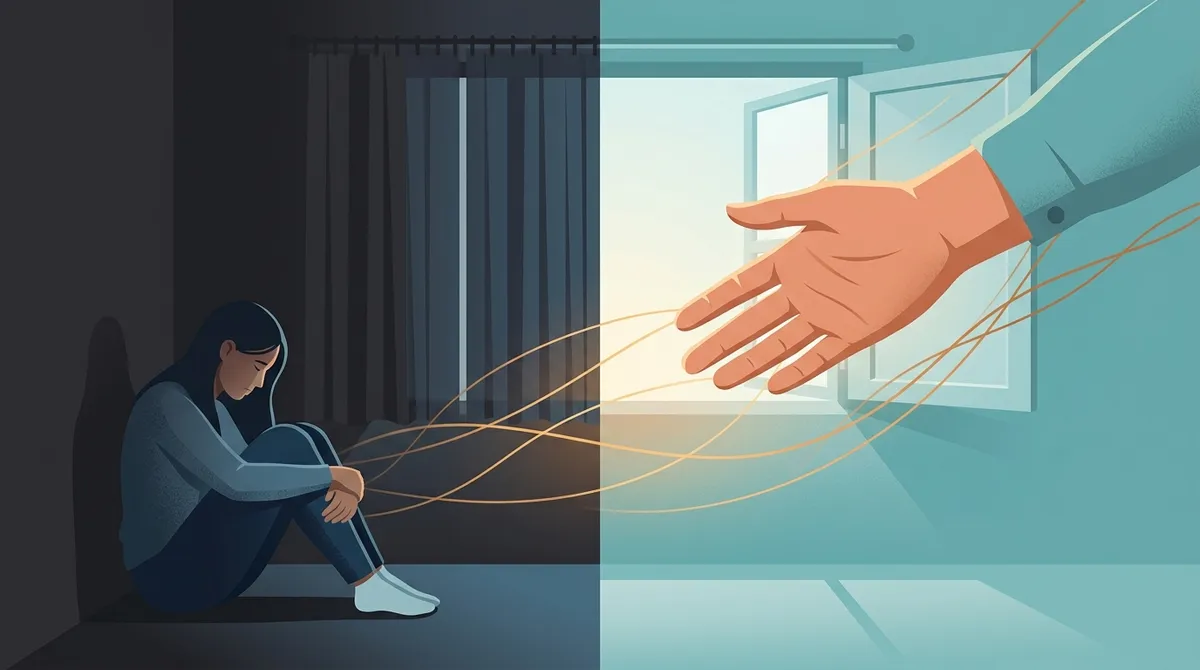
Depression and isolation create a self-reinforcing cycle where each feeds the other; treating them together as interconnected issues rather than separate problems is essential for effective recovery.
-
Recognize specific behavioral and emotional warning signs like persistent sadness, withdrawal from social plans, sleep changes, and neglect of self-care persisting over two weeks as indicators to seek professional help.
-
Therapy directly interrupts the isolation-depression cycle by addressing both depressive symptoms and withdrawal patterns simultaneously; CBT, group therapy, and couples therapy each serve different needs.
-
Telehealth therapy removes critical barriers for isolated individuals by providing professional support from home, making it especially effective for those who struggle to leave their house or prefer virtual connection.
-
Taking immediate small steps—reaching out to one person, creating daily routines, limiting social media scrolling, and being honest with someone you trust—can begin breaking isolation patterns before formal treatment.
-
Isolation depression affects specific at-risk groups differently; teenagers, young adults, people under work stress, Spanish-speaking adults, and couples should watch for tailored warning signs relevant to their situation.
Have you ever noticed how easy it is to pull away from the world when you’re hurting? You cancel plans, stop answering texts, and suddenly your couch becomes your whole universe. It feels safe at first. But over time, that quiet withdrawal can quietly grow into something much heavier — isolation depression. This cycle affects millions of people, and many don’t even realize they’re in it until it’s become really hard to climb out.
The connection between social isolation and depression is powerful. Each one feeds the other in a loop that can feel impossible to break alone. The good news? You don’t have to break it alone. Understanding what’s happening is the first step, and help is absolutely within reach. Whether you’re personally struggling, supporting a loved one, or just trying to learn more, this guide is here for you.
What Is Isolation Depression?
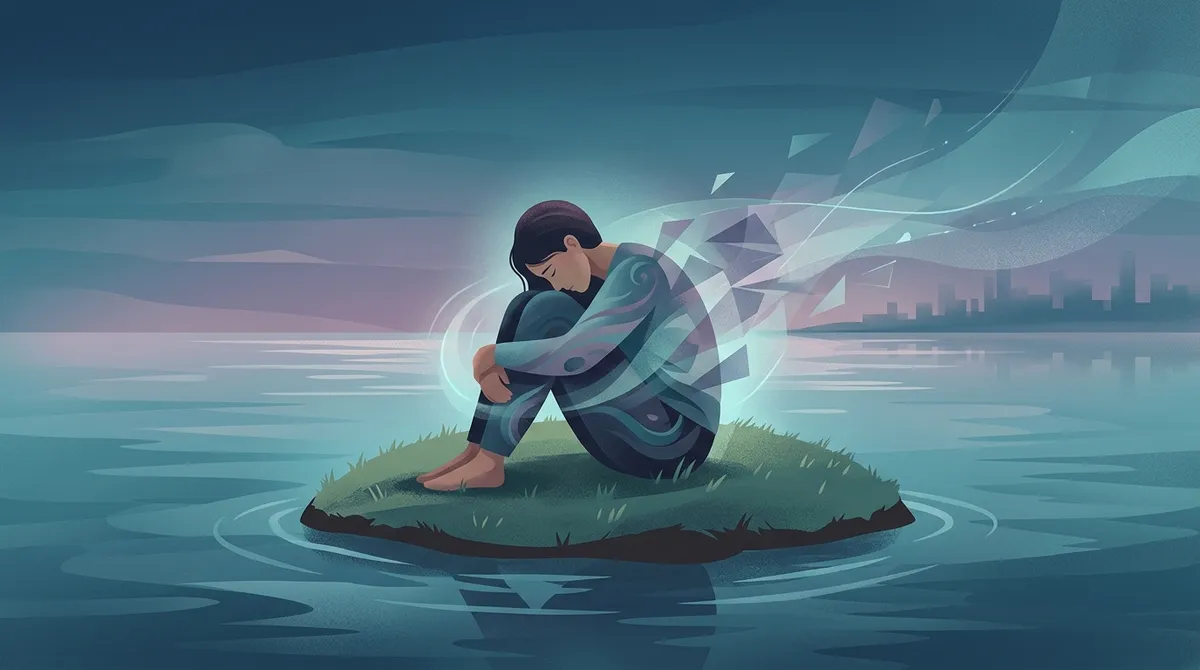
Isolation depression isn’t a single clinical diagnosis — it’s a way of describing what happens when social disconnection and depressive symptoms become tangled together. According to research, depression and isolation are scientifically linked and deeply connected. They should be treated together, not as separate issues.
Social isolation is the objective lack of meaningful social connection. Loneliness is the emotional experience of feeling disconnected, even when people are around. Both contribute to mental health challenges, and both can spiral into depression when left unaddressed.
The tricky part? Being alone can feel safe and comfortable. Many people experiencing isolation depression don’t recognize that depression is developing because solitude provides a temporary sense of relief. Over time, though, that relief disappears and the emptiness deepens.

The Chicken-and-Egg Problem: Which Comes First?
This is one of the most common questions people ask: Does depression cause isolation, or does isolation cause depression? The honest answer is — both are true.
Depression can act as a springboard for isolating and antisocial behaviors. When you’re depressed, reaching out feels exhausting. Social situations feel draining. Staying home feels like the only option that makes sense.
On the flip side, prolonged isolation can manifest into severe depression over time. The less connection we experience, the more our mental health suffers. Our brains are literally wired for social connection. When that connection is missing, our mental health pays the price.
It becomes a self-reinforcing loop. Depression leads to isolation. Isolation deepens depression. And around it goes — until something interrupts the cycle.
Why This Is a Growing Public Health Crisis
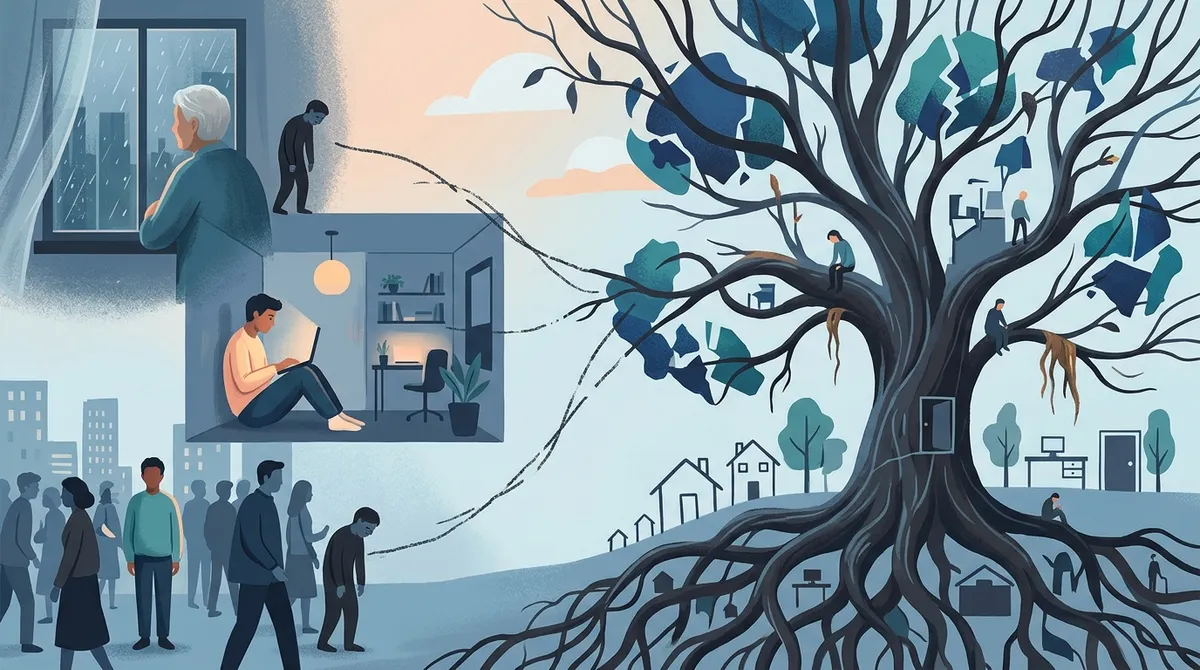
This isn’t just an individual struggle. It’s a widespread societal issue. The U.S. Surgeon General issued an advisory in 2023 declaring loneliness and isolation a significant public health epidemic. The findings were eye-opening.
- Approximately half of all U.S. adults report experiencing loneliness
- Loneliness is linked to greater risk of cardiovascular disease, dementia, and depression
- Social isolation affects people of all ages, from teenagers to older adults
- The rise of digital communication has not replaced the need for meaningful in-person connection
- Gen Z and young adults report some of the highest rates of loneliness despite being highly connected online
You can explore more about the broader impact of mental health challenges through Mental Health Resources from the CDC, which offers helpful guidance for individuals and families navigating these issues.
Signs That Isolation Is Turning Into Depression
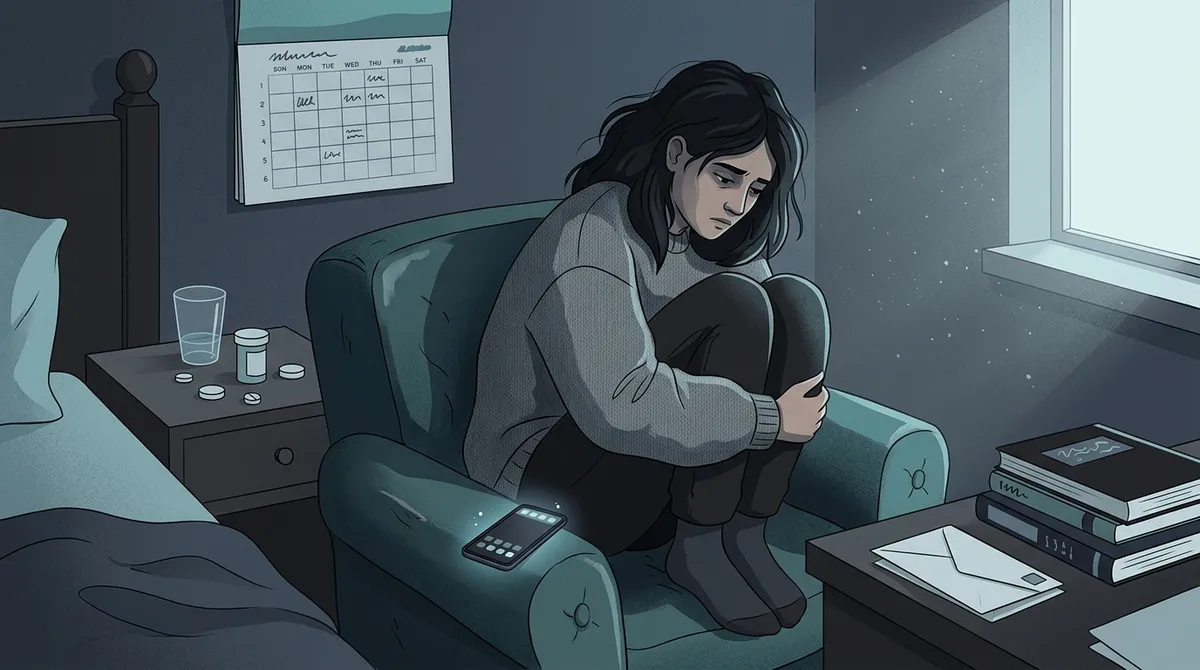
It’s not always easy to tell when healthy solitude crosses into something more serious. Here are some signs to watch for in yourself or someone you love.
Emotional Signs
- Persistent sadness or emptiness that doesn’t lift
- Feeling hopeless or like things will never get better
- Loss of interest in things you used to enjoy
- Feeling worthless or like a burden to others
- Increased irritability or frustration over small things
Behavioral Signs
- Consistently avoiding social plans, even ones you used to look forward to
- Withdrawing from family and close friends
- Sleeping much more or much less than usual
- Neglecting self-care like showering, eating, or getting dressed
- Increased use of alcohol, substances, or excessive screen time as coping mechanisms
If several of these signs are showing up together and persisting over two or more weeks, it may be time to reach out for support. Learning more about what depression is and how it affects daily life can help you recognize these patterns more clearly.
Who Is Most at Risk?
Isolation depression can affect anyone, but certain groups tend to be more vulnerable. Understanding risk factors helps with early intervention.
| Group | Common Risk Factors | Signs to Watch For |
|---|---|---|
| Teenagers (13–17) | Social anxiety, school pressure, peer rejection | Withdrawing from friends, dropping grades, mood changes |
| Young Adults (18–27) | Life transitions, academic stress, remote work or study | Loneliness despite social media use, declining motivation |
| Adults (28–43) | Work stress, relationship issues, new parenthood | Irritability, emotional withdrawal from partner or family |
| Spanish-Speaking Adults | Language barriers, cultural stigma around mental health | Feeling misunderstood, reluctance to seek help in English |
| Couples Under Stress | Communication breakdown, conflict, life transitions | Emotional distance, increased arguments, disconnection |
If you or someone you love fits into one of these groups, please know that help is available — and it’s designed specifically for your needs.
How Therapy Helps Break the Isolation-Depression Cycle
Therapy is one of the most effective tools for treating isolation depression. It works because it addresses both sides of the cycle at once — the depressive symptoms AND the patterns of withdrawal.
Individual Therapy
Working one-on-one with a therapist gives you a safe, judgment-free space to explore what’s driving your isolation. A skilled psychotherapist can help you identify the thoughts and beliefs keeping you disconnected, and gently challenge them. You’ll build coping skills, improve self-awareness, and start to feel more like yourself again.
Margaret Deuerlein, a licensed and caring therapist at West Florida Therapy, works with individuals to address the root causes of isolation depression. Her warm, personalized approach means you’re never just a case — you’re a whole person, and your healing plan reflects that. You can learn more about her approach by visiting About Margaret Deuerlein.
Group Therapy
Group therapy is a particularly powerful tool for combating isolation depression. Why? Because it directly counters isolation by connecting you with others who understand what you’re going through. Sharing experiences in a safe group setting rebuilds the social skills and trust that isolation erodes.
Couples Therapy
Sometimes isolation depression affects relationships too. When one or both partners withdraw emotionally, the entire relationship suffers. Couples therapy creates a space where both partners can reconnect, improve communication, and support each other through difficult times.
Treatment Options at a Glance
Depression treatment is highly personalized. There’s no one-size-fits-all solution, and that’s actually a good thing. Here’s a quick overview of common approaches.
- Psychotherapy (Talk Therapy): The most common first-line treatment. Approaches like Cognitive Behavioral Therapy (CBT) help you identify and change unhelpful thought patterns driving isolation and depression.
- EMDR Therapy: Especially helpful when trauma underlies the isolation. EMDR treatment helps process painful memories that may be fueling withdrawal.
- Medication: In some cases, antidepressants are recommended alongside therapy. A prescribing doctor works with your therapist to coordinate care.
- Telehealth Therapy: Virtual sessions remove barriers like transportation, scheduling, and anxiety about going to a physical office. This is especially helpful for those whose isolation makes leaving the house feel impossible.
- In-Person Therapy: For those who prefer face-to-face connection, in-person therapy in Brandon, Florida offers the warmth of a real human presence in a comfortable, private setting.
Telehealth: A Lifeline for Those Who Are Isolated
One of the beautiful ironies of telehealth therapy is that it meets you exactly where you are — even if that’s your bedroom. For people experiencing isolation depression, leaving the house can feel like climbing a mountain. Virtual therapy removes that barrier entirely.
West Florida Therapy offers telehealth therapy throughout Florida, making it possible for anyone in the state to access professional support from the comfort of home. Whether you’re a college student in Tallahassee, a working adult in Miami, or a parent in the Tampa suburbs, help is just a click away.
Telehealth also makes therapy more accessible for Spanish-speaking adults who may feel more comfortable receiving care in their first language. Bilingual therapy in English and Spanish is available — because healing should never be limited by language.
Practical Steps You Can Take Today
While professional support is the most effective path forward, there are small steps you can take right now to start feeling less alone.
- Reach out to one person today. It doesn’t have to be a deep conversation. A quick text saying “hey, I’ve been thinking about you” can start breaking down walls.
- Create a small daily routine. Depression thrives in chaos and inertia. A simple structure — morning coffee, a short walk, a consistent bedtime — gives your day a gentle framework.
- Limit passive social media scrolling. Watching others’ highlight reels while you’re struggling amplifies loneliness. Try replacing some scroll time with a phone call or a short walk outside.
- Be honest with someone you trust. Saying “I’ve been struggling” out loud is one of the bravest things you can do. Most people will respond with more kindness than you expect.
- Explore professional support. This is the most important step. Therapy isn’t a last resort — it’s a powerful, proactive tool for healing.
If you’re also dealing with anxiety alongside isolation, understanding the full picture can help. Explore our resource on understanding anxiety signs, types, and treatment options to learn more.
Insurance and Payment: Don’t Let Cost Stop You
One of the most common reasons people delay getting help is worry about cost. It’s a very real concern, and it deserves a direct answer. West Florida Therapy accepts several major insurance providers including Aetna, Cigna, Florida Blue, Optum, Oscar, and United Health Care. Out-of-pocket options are also available, along with HSA and FSA payments.
If you’re navigating insurance options, the team at Helpinghands-insurance LLC can help you understand your mental health benefits and coverage options so that cost doesn’t stand between you and the support you deserve.
You can also explore mental health resources and support services through Florida’s Substance Abuse & Mental Health services for additional community-based support options. And for comprehensive state-level resources, Mental Health Links from Florida Health is a helpful starting point.
You Deserve to Feel Connected Again
Isolation depression is real, it’s painful, and it can feel endless from the inside. But it is absolutely treatable. Thousands of people — just like you — have walked out of the fog of isolation and back into meaningful, connected, joyful lives. That path is available to you too.
Healing doesn’t happen overnight, but it does happen. One honest conversation, one therapy session, one small act of reaching out — these are the seeds of real change. You don’t have to figure it all out today. You just have to take one step.
At West Florida Therapy, we’re here to walk with you through every step of that journey. Our process is simple, supportive, and built around you. Explore our process to see how we can help you move forward. You can also visit us on Google to see what our clients are saying about their experience.
Ready to take that first step? We’d love to hear from you. Reach out to our team today and let’s start the conversation. A free 15-minute consultation is available — because you deserve to feel like yourself again, and we’re here to help make that happen.
FAQs
Q: Can isolation really cause depression, or does depression cause isolation?
A: Both are true! Depression often leads people to withdraw socially, while prolonged isolation can trigger or worsen depressive symptoms over time. They create a cycle that feeds itself — which is exactly why treating both together is so important.
Q: How do I know if I’m experiencing isolation depression or just enjoying alone time?
A: Healthy alone time feels restorative and chosen. Isolation depression tends to feel empty, exhausting, or like you have no choice but to be alone. If you notice persistent sadness, loss of interest in things you used to love, or you’re consistently avoiding people for two or more weeks, it’s worth talking to a professional.
Q: What type of therapy works best for isolation and depression?
A: Individual psychotherapy is a great first step, and approaches like Cognitive Behavioral Therapy (CBT) are especially effective. Group therapy is also wonderful because it directly addresses isolation by building real connection with others. Your therapist will help you find the right fit for your unique situation.
Q: Can I get help for isolation depression if I can’t leave my house?
A: Absolutely! Telehealth therapy makes professional support fully accessible from home. West Florida Therapy offers virtual sessions for anyone across Florida — no commute, no waiting room, just real support right where you are.
Q: Is bilingual therapy available for Spanish-speaking adults struggling with isolation?
A: Yes! West Florida Therapy offers bilingual therapy in both English and Spanish. Healing is more effective when you can express yourself fully in the language you feel most comfortable in — and everyone deserves that experience.